advertisement
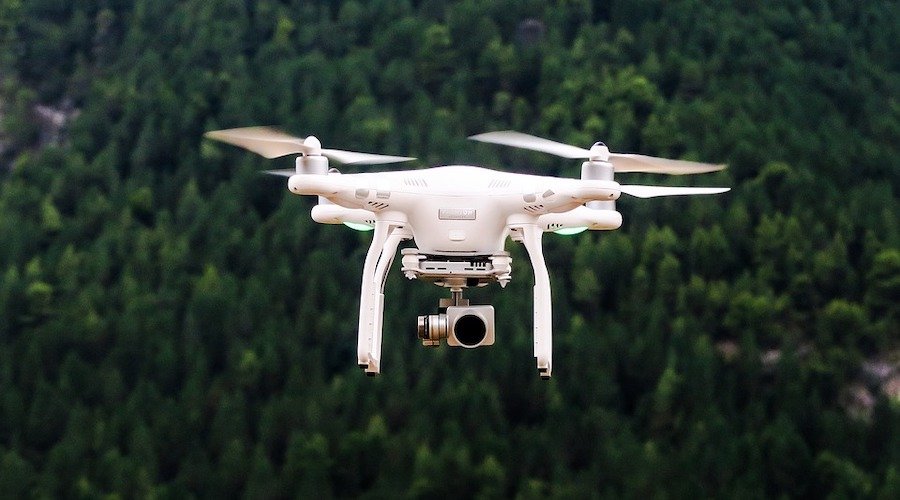
From scenic parks to wide-open landscapes, these are the best places to fly drones in the U.S., with key rules and legal considerations for each spot.
Fact-Checked By: Maya Whitfield—Senior Travel Editor at WakaAbuja
The best places to fly drones in the U.S. are BLM land, national forests outside designated wilderness, most state parks with a permit, and designated AMA flying fields. National parks, wilderness areas, and most urban airspace are off limits without special authorization. Always check the B4UFLY app and confirm local rules before you fly, since land-use rules change by state, county, and park district.
Knowing a place is legal to fly and knowing where to actually go are two different problems. Most guides solve the first and ignore the second. I learned this the hard way on a trip to Utah, when I drove two hours to a slot canyon I had read was drone-friendly, only to find a ranger who politely explained it was inside a wilderness study area.
This guide solves both. It covers 25 named spots across every major U.S. region, plus the exact permit rules for each and a state-by-state breakdown you can scan in under a minute.
Jump to: The Legal Framework | Best Spots by Region | State-by-State Table | National Parks & No-Fly Zones | Tools to Find Spots | FAQ
Key takeaways
- Airspace legality and land-use permission are two separate things. The FAA controls the sky, but the landowner controls whether you can take off and land.
- BLM land is the most drone-friendly in the country. Most BLM land outside designated wilderness allows recreational drone flights with no permit.
- National parks ban drone launches entirely under NPS Policy Memorandum 14-05.
- Remote ID is required on almost all drones flown recreationally in the U.S. as of 2023.
- Check the B4UFLY app before every flight. It shows controlled airspace, temporary flight restrictions, and no-fly zones in real time.
- State parks vary wildly. Some welcome drones with a permit, some ban them entirely, and some allow them only in designated areas.
What Are the Actual Rules for Flying a Drone in the U.S.?
The legal framework for recreational drone flying in the U.S. comes from two sources: the Federal Aviation Administration (FAA) for airspace and the specific land management agency for the ground. Here is the short version.
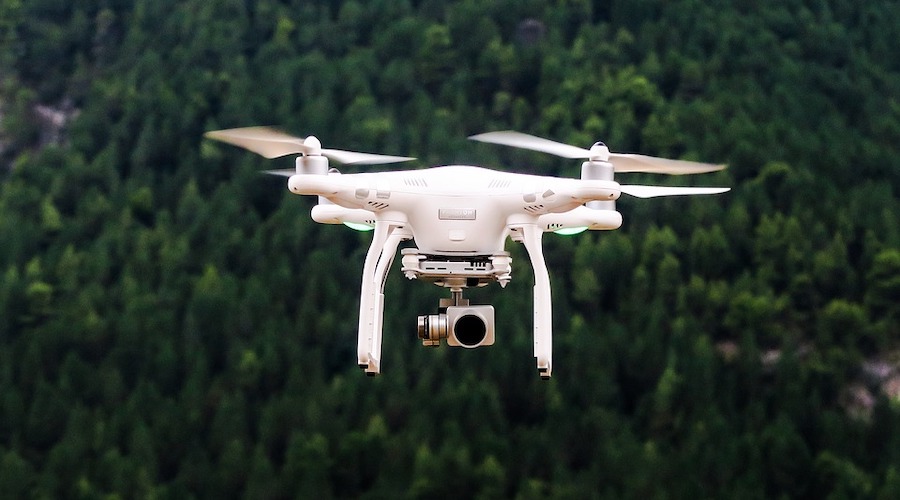
FAA airspace rules
The FAA regulates all airspace in the United States. For recreational flyers, the key rules are Keep the drone within visual line of sight, fly below 400 feet, do not fly over people or moving vehicles, and register your drone if it weighs more than 0.55 pounds. You must also pass the free TRUST test and carry proof of completion. Full rules are on the FAA recreational flyers page.
Land-use rules
Even if the FAA allows a flight, the landowner can prohibit takeoff and landing. Federal agencies have their own rules. The Bureau of Land Management (BLM) generally allows recreational drones on most of its land. The U.S. Forest Service allows drones in national forests but not in designated wilderness areas. The National Park Service prohibits drone launches and landings in all national parks. State and local rules vary by jurisdiction.
Maya Whitfield’s honest take: “The number one mistake I see new pilots make is assuming that because the FAA allows the flight, the landowner does too. They are two different questions. Check both before you take off.”
Best Places to Fly a Drone in the U.S. by Region
Here are 25 named spots across all major U.S. regions, each with the permit status and best season. Verify current rules with the local land management office before you go, because rules can change seasonally.
Southwest
1. Potash Road Overlook, Moab, Utah. BLM land with canyon views. No permit needed. Best spring and fall.
2. Valley of Fire State Park, Nevada. Permit required, about $25 for commercial use (confirm the latest price directly with the operator). Stunning red rock formations.
3. Lake Powell, Arizona, and Utah. NPS land, so drone launches are banned from the shoreline, but flights over the water from a boat are legal in some areas. Check before you fly.
4. Sedona, Arizona. Much of the surrounding land is Coconino National Forest, which allows drones outside wilderness. Avoid the wilderness areas around Oak Creek.
Pacific Northwest
5. Cannon Beach, Oregon. City beach with no formal drone ban, but respect the Haystack Rock Marine Garden no-fly zone.
6. Mount Hood National Forest, Oregon. Drones allowed outside designated wilderness. The Timberline Lodge area is restricted.
7. Lake Union, Seattle, Washington. Class B airspace, so LAANC authorization required before flight.
8. Olympic National Forest, Washington. Drones are allowed, but the adjacent Olympic National Park is off-limits.
Mountain West
9. Grand Teton National Forest, Wyoming. Drone-friendly in the national forest, but not in the national park next door.
10. Bighorn Canyon, Montana. BLM and National Recreation Area. Drones are allowed from BLM land but restricted in the recreation area.
11. White Sands Missile Range buffer zone, New Mexico. BLM land outside the restricted military area. Check the FAA’s TFR list before flying.
12. Great Salt Lake Shorelands Preserve, Utah. Some areas are open to drones, others restricted for bird habitat. Check with the state Division of Wildlife Resources.
West Coast and California
13. Santa Monica Mountains National Recreation Area, California. NPS land, drone launches banned. Use adjacent state park land instead.
14. Angeles National Forest, California. Drones are allowed outside wilderness, but check the current fire restrictions first.
15. Alabama Hills, California. BLM land with iconic rock formations. No permit, but heavy on other visitors on weekends.
16. San Francisco Bay Area, Treasure Island. Class B airspace: LAANC authorization required. Flights over the bay are restricted.
Northeast
17. Adirondack Park, New York. State land, not national. Drones are allowed on most state land but restricted in the High Peaks Wilderness.
18. Green Mountain National Forest, Vermont. Drones allowed outside wilderness. Check for seasonal closures during mud season.
19. Cape Cod National Seashore, Massachusetts. NPS land, so launches are banned. Fly from nearby state beaches instead.
20. Pine Barrens, New Jersey. State forest with mixed rules. Drones are allowed in some areas and restricted in others.
Southeast and Midwest
21. Great Smoky Mountains National Park, Tennessee and North Carolina. Drones are banned entirely. Fly from nearby national forest land instead.
22. Ocala National Forest, Florida. Drones are allowed outside designated wilderness and recreation areas. Watch for seasonal fire restrictions.
23. Land Between the Lakes, Kentucky and Tennessee. Forest Service land with mixed drone rules. Check with the local ranger district.
24. Shawnee National Forest, Illinois. Drones are allowed outside designated wilderness areas. Excellent fall foliage flights in October.
25. Upper Peninsula, Michigan. National forest and state forest land with relatively permissive rules. Avoid Isle Royale National Park entirely.
State-by-State Drone Legality: What You Need to Know
Every state has its own drone laws on top of the FAA rules. Here is the honest breakdown by category, with examples. This is a summary, not legal advice. Confirm the current rules with the state’s aeronautics office before you fly.

Permissive states
States where most state parks, forests, and public lands allow recreational drones with minimal restrictions. Examples: Utah, Idaho, Montana, Wyoming, and much of the Mountain West. BLM land dominates in these states.
Permit-required states
States where state parks or specific public lands require a permit. Examples: California, Nevada, Oregon, and Washington. Permit costs range from around $25 to $100 depending on the park (confirm the latest price directly with the operator).
Restrictive states
States with broad drone bans on public land or strict privacy rules. Examples: some areas of New York, Massachusetts, and parts of the Mid-Atlantic. National parks dominate in these areas and are universally off limits.
For the most current state-by-state rules, the FAA state and local regulation page is the best starting point. It links to each state’s official rules.
Where Can You Not Fly a Drone in the U.S.?
Some areas are off limits regardless of your state. Here are the big ones.
- All 63 national parks. Drone launches and landings are banned under NPS Policy Memorandum 14-05.
- Designated wilderness areas. Banned under the Wilderness Act of 1964 because drones count as mechanized equipment.
- National wildlife refuges. Drone flights are banned unless you have a special use permit.
- Washington, D.C., and a 15-mile radius around Reagan National Airport. Special Flight Rules Area with no recreational drone access.
- Military bases, prisons, and national security sites. No flight within their designated airspace.
- Emergency scenes and stadiums during events. Temporary flight restrictions apply and are enforced.
- Private property without permission. Not a federal ban, but you still cannot launch from land you do not have the right to access.
How Do You Find Drone-Friendly Spots Near You?
Use the B4UFLY app.
The FAA’s B4UFLY app is the single most useful tool for finding legal flying spots. It shows controlled airspace, temporary flight restrictions, and no-fly zones in real time. It is free for both iOS and Android.
Check the FAA’s LAANC system.
For flights in controlled airspace near airports, you need LAANC (Low Altitude Authorization and Notification Capability) authorization. Many airports offer instant approval through apps like Aloft or Kittyhawk. If you fly without it in controlled airspace, you risk fines that start around $1,500 (confirm the latest price directly with the operator).
Search land management agency websites.
For BLM land, check the local field office page. For national forests, check the specific ranger district. For state parks, check the state’s park website. These pages usually state drone rules clearly, though some are buried in PDFs.
Join local drone communities.
The Academy of Model Aeronautics (AMA) has affiliated clubs across the country, many with designated flying fields and shared local knowledge. A quick post in a local drone Facebook group or subreddit often gives you more current information than any official page.
Frequently asked questions about flying drones in the U.S.
Can I fly a drone on BLM land?
Yes, most BLM land allows recreational drone flights with no permit. The exceptions are designated wilderness areas, wilderness study areas, and specific sites with wildlife or cultural restrictions. Check with the local BLM field office before you fly.
Can I fly a drone in a national park?
No. Drone launches and landings are banned in all 63 U.S. national parks under NPS Policy Memorandum 14-05. You can sometimes fly over a national park if you launch and land from outside the boundary, but check the specific airspace rules first.
Do I need a permit to fly a drone in a state park?
It depends on the state. Some allow drones with no permit, some require a permit that costs around $25 to $100 (confirm the latest price directly with the operator), and some ban them entirely. Check the specific state park website before you plan a flight.
What is Remote ID, and do I need it?
Remote ID is a broadcast system that identifies a drone in flight, similar to a digital license plate. As of 2023, most drones flown recreationally in the U.S. must comply. If your drone does not have a built-in Remote ID, you can attach a Remote ID module. Full details are on the FAA website.
Do I need a Part 107 license for recreational flying?
No. Part 107 is only required if you fly for commercial purposes, meaning you receive payment or any form of compensation. For recreational flying, you need to pass the free TRUST test and carry proof of completion.
What happens if I fly in a no-fly zone by accident?
Fines for flying in controlled airspace without authorization start around $1,500 and can go higher for repeat offenses (confirm the latest price directly with the operator). The FAA can also suspend or revoke your registration. Always check the B4UFLY app before every flight.
Can I fly a drone over private property?
The FAA controls the airspace, so technically you can fly over private property. But you cannot launch or land on private property without permission, and many states have privacy laws that restrict drone use near homes. Use common sense and keep the drone at a reasonable altitude.
Plan your trip: booking platforms we trust
These are the platforms I use to plan drone trips, from booking flights to finding a place to stay near the spots on this list.
Kayak
Best for comparing flights to drone-friendly regions before you book.
Booking.com
Useful for finding hotels and motels near BLM land and national forests.
Vrbo
Good for renting a cabin near a remote flying location.
Expedia
Useful for bundling flights and car rentals for a multi-state drone trip.
GetYourGuide
Good for booking scenic tours and photography workshops in drone-friendly areas.
TripAdvisor
Essential for reading reviews of local lodging and restaurants near flying spots.
For more planning help, see our travel planning guides, our hotel reviews, our attractions section, and our visa category. When you are ready to book flights, start with our discounted flights page.
WakaAbuja does its best to keep all information accurate at the time of publishing. Prices, policies, and availability change regularly. Always verify with official sources before you travel. We are not liable for errors caused by outdated information. Travel insurance is strongly recommended.