advertisement
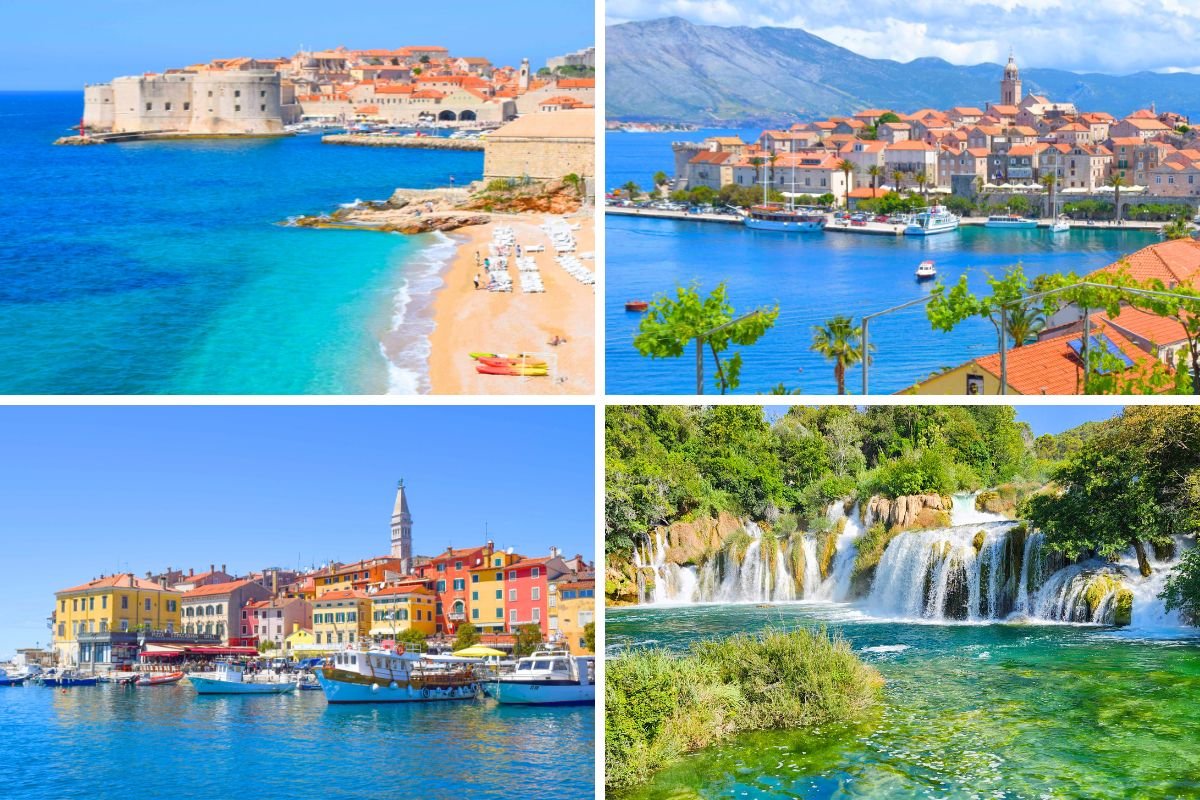
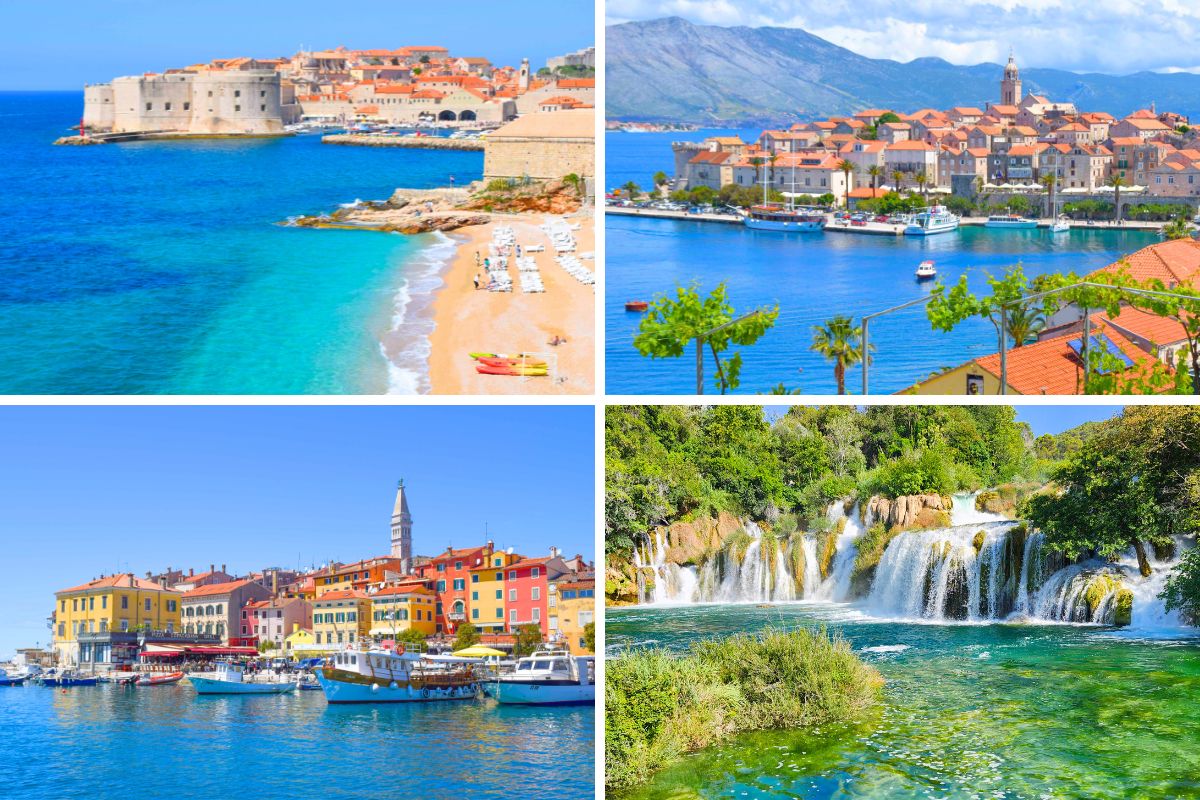
Croatia offers some of Europe’s most rewarding places to visit, from its Adriatic coast and islands to historic inland cities and scenic national parks.
Fact-Checked By: Maya Whitfield, Senior Travel Editor at WakaAbuja
The best places to visit in Croatia span the Dalmatian Coast, Istria, and its islands. Dubrovnik, Split, Hvar, and Plitvice Lakes National Park are the essentials for a first trip. Expect to spend around $130 per day on average for hotels, food, and activities, though Hvar and Dubrovnik run higher at $140 to $150 per day (check current rates on the official sites).
Croatia packs Roman ruins, more than 1,200 islands, and waterfall-laced national parks into a country smaller than West Virginia. That is exactly why most first-time visitors overplan the coast and miss the inland half entirely.
I learned this on my first trip, when I spent eight days island-hopping and never set foot in Zagreb or Plitvice. I fixed that on my second visit, and the inland ended up being the highlight.
Jump to: Regional overview | Dalmatian Coast | Islands | Istria | Inland Croatia | Sample itineraries | Budget snapshot | FAQ
Key takeaways
- Croatia divides into four travel regions: Dalmatian Coast, Istria, the islands, and inland Croatia. Most first-timers only see the first two.
- Dubrovnik and Split are the two must-visit cities. Split is cheaper and a better base for island hopping.
- Plitvice Lakes National Park is the top inland attraction, with 16 lakes and around 90 waterfalls.
- Average daily costs run about $132 per person, with Plitvice Lakes at the high end around $178 per day (confirm current prices directly with operators).
- May, June, and September are the best months. July and August bring peak crowds and peak prices.
- You do not need a car for the coast. Buses and ferries connect the major cities and islands efficiently.
- Book ferries and popular restaurants in advance if you travel between June and August.
How should you organize a Croatia trip by region?
Croatia looks small on a map, but the geography is stretched and the transport connections matter more than distance. The country breaks into four practical travel zones. The Dalmatian Coast runs from Zadar down to Dubrovnik and includes Split. Istria is the peninsula in the northwest, closer to Italy and Slovenia. The islands are scattered along the entire coast, with Hvar, Korčula, Brač, and Vis being the most visited. Inland Croatia includes Zagreb and the national parks, and it is the region most tourists skip.
My advice for a first trip: pick two regions and do them well. The classic mistake is trying to see Dubrovnik, Split, Hvar, Plitvice, and Zagreb in seven days. You will spend half your trip on buses and ferries. I made that mistake once. Now I plan around geography, not a checklist.
Maya’s honest take: “The best Croatia itinerary is not the longest one. It is the one that lets you sit still for two nights in at least one place.”
What are the best places to visit on the Dalmatian Coast?
The Dalmatian Coast is the most people picture: walled cities, turquoise water, and pebble beaches backed by limestone hills. It runs for hundreds of miles along the Adriatic, and the two anchor cities are Split and Dubrovnik. Between them are smaller towns like Trogir, Šibenik, and Zadar, each worth a stop if you have time.
Split: best for Roman history and island access
Split is built around Diocletian’s Palace, a Roman emperor’s retirement home from the 4th century that became the nucleus of the modern city. The palace is not a museum. It is a living neighborhood full of cafes, apartments, and shops, and you can wander its marble streets for free. The Riva promenade along the harbor is the social center of the city, and Marjan Hill offers a forested escape with views over the water.
Split is also the best base for island hopping. Ferries leave daily for Brač, Hvar, Vis, Šolta, and Korčula. If you want to see multiple islands without moving hotels every night, stay in Split and do day trips.
Dubrovnik: best for medieval walls and atmosphere
Dubrovnik’s old town is a UNESCO World Heritage Site wrapped in a mile of medieval stone walls. Walking those walls is the single best thing to do in the city. You get views over terracotta rooftops, the Adriatic, and the island of Lokrum beyond. The Stradun, the main limestone-paved street, is packed with cafes and shops, and the cable car up Mount Srđ offers a panoramic view back over the old town.
@saradaviestravel 5 things to do in Dubrovnik, Croatia🇭🇷 #dubrovnik #dubrovnikcroatia #travelcroatia #thingstodoindubrovnik #traveleurope #croatiansummer #traveltok
One warning: Dubrovnik is the most crowded city in Croatia. Cruise ships can dump thousands of visitors into the old town in a single morning. Go early or go in shoulder season. Five nights in Dubrovnik is too many for most people. Three nights is usually enough.
Zadar: best for sunsets and Roman ruins
Zadar sits further north on the coast and gets fewer tourists than Split or Dubrovnik. Its old town is on a peninsula with Roman ruins, a 9th-century circular church, and the Sea Organ, an art installation that plays music through waves pushing air through pipes. The nearby Greeting to the Sun light installation is the best sunset spot in the city.
Best for first-time visitors
- Split for Roman history and ferry access to islands
- Dubrovnik for the iconic walled city experience
- Trogir for a compact UNESCO old town near Split
- Zadar for Roman ruins and the Sea Organ sunset
Worth considering
- Šibenik for St. James Cathedral and access to Krka National Park
- Cavtat as a quieter base near Dubrovnik
Which Croatian islands are worth your time?
Croatia has more than 1,200 islands, but only about 50 are inhabited. For a first trip, four islands cover the range of experiences. Hvar is the glamorous party island. Korčula is the quiet medieval town island. Mljet is the nature escape. Brač is the beach island with the famous Golden Horn.
Hvar: best for nightlife and celebrity spotting
Hvar Town has a reputation as the Ibiza of Croatia, and in summer it lives up to it. Yachts fill the harbor, beach bars stay open late, and the waterfront promenade is lined with restaurants. But Hvar is more than parties. The Fortica fortress above town offers superb views, and the Pakleni Islands just offshore have quiet coves for swimming.
Hvar Town is served by passenger ferries only. Car ferries arrive at Stari Grad port, which is several miles away.
Korčula: best for a quieter medieval experience
Korčula Town is often called a mini Dubrovnik. It has walls, towers, a cathedral, and a compact old town laid out in a fishbone street pattern that lets sea breezes through. The town is said to be the birthplace of Marco Polo. It is easy to explore on foot in an hour or two, leaving plenty of time for a long lunch on the waterfront.
Mljet: best for nature and getting away from crowds
Mljet is the greenest island in Croatia. The western third is a national park with two saltwater lakes, a 12th-century monastery on a tiny island, and forested trails for hiking and cycling. The island has very few hotels, so it stays quiet even in summer. If you want to unplug, this is the place.
Brač: best for beaches
Brač is the third-largest island in the Adriatic and the easiest to reach from Split. Its most famous beach is Zlatni Rat, the Golden Horn, a white pebble spit that changes shape with the wind and currents. The island is also known for its stone, which was used to build Diocletian’s Palace in Split and the White House in Washington.
Best islands by travel style
- Hvar for nightlife, beach bars, and glamour
- Korčula for medieval charm and wine
- Mljet for national park hiking and solitude
- Brač for the Golden Horn beach and easy access from Split
Worth considering
- Vis for remote bays and the Blue Cave at Biševo
- Krk for a connected-by-bridge island with sandy beaches
What makes Istria different from the Dalmatian Coast?
Istria is the heart-shaped peninsula in Croatia’s northwest, and it feels more Italian than Dalmatian. The food is pasta and truffles rather than seafood and peka. The towns are hilltop villages rather than coastal walled cities. Rovinj is the standout, a pastel-hued town on its own peninsula with cobblestone lanes and art galleries. Motovun rises from a forested valley and is a center for truffle hunting. Cape Kamenjak at the southern tip is an undeveloped nature reserve with rocky coves.
Istria is also more affordable than the Dalmatian Coast and less crowded. I spent three nights in Rovinj on my second trip and wished I had planned for five. If you are flying into Zagreb or Trieste, Istria is a natural first stop before heading south.
Why should you not skip inland Croatia?
Inland Croatia is the part most tourists never see, and that is exactly why you should go. The two highlights are Zagreb, the capital, and Plitvice Lakes National Park.
Zagreb: best for cafe culture and city energy
Zagreb is a Central European city with Austro-Hungarian architecture, a bustling main square, and a cafe culture that rivals Vienna. The Upper Town has the Gothic cathedral and St. Mark’s Church with its tiled roof. The Dolac Market is the best place to sample local cheeses, meats, and pastries. Zagreb is also the cheapest major city in Croatia for accommodation, averaging around $103 per day for travelers.
Plitvice Lakes National Park: best for waterfalls
Plitvice is Croatia’s top natural attraction and a UNESCO World Heritage Site. The park has 16 terraced lakes connected by waterfalls and cascades, with wooden boardwalks winding through the forest and over the water. There are around 90 waterfalls in total, including Veliki Slap, the tallest in Croatia at 78 meters.
The lakes change color throughout the day depending on the light and the minerals in the water, shifting from turquoise to grey to deep blue. Buy your ticket online in advance and arrive early. The park gets very crowded by mid-morning in summer.
Maya’s honest take: “Plitvice is worth the hype, but only if you go at opening time. By 10 a.m. in July, the boardwalks feel like a queue at an airport.”
What do sample Croatia itineraries look like by trip length?
Here are three itineraries I have either done myself or recommended to friends. They assume you are flying into Split or Dubrovnik and out of the other city, which avoids backtracking.
7 days: Split, Hvar, Dubrovnik
Day 1 and 2 in Split. Explore Diocletian’s Palace, walk Marjan Hill, and eat along the Riva. Day 3: Take the ferry to Hvar. Spend the day exploring Hvar Town and the Pakleni Islands. Day 4 take the catamaran to Korčula for a few hours, then continue to Dubrovnik . Day 5 and 6 in Dubrovnik. Walk the walls, take the cable car, and do a day trip to Lokrum or the Elaphiti Islands. Day 7 depart from Dubrovnik.
10 days: Add Plitvice and Zadar
Start in Zagreb for two nights, then bus to Plitvice Lakes for one night and a full day in the park. Continue to Zadar for one night, then Split for two nights, Hvar for two nights, and finish in Dubrovnik for two nights. This covers both inland and coast without feeling rushed.
14 days: Add Istria and Mljet
Add three nights in Istria (Rovinj as a base) at the start of the trip, and one or two nights on Mljet between Korčula and Dubrovnik. This is the itinerary for someone who wants to see the full range of what Croatia offers, not just the highlights.
How to get around
Buses connect all major cities and are cheap and frequent. Ferries and catamarans connect the islands. You do not need a car unless you want to explore rural Istria or the interior of an island . For flights into the region, I use Kayak to compare prices, and for hotels I check Booking.com and Hotels.com depending on whether I want loyalty points. For tours and activities, GetYourGuide has a good range of island trips and cooking classes.
How much does a Croatia trip cost and what should you avoid?
Croatia is moderately priced for Europe. Travelers spend an average of $132 per day, covering accommodation, food, local transport, and activities . That average hides big regional differences. Plitvice Lakes runs highest at around $178 per day, followed by Hvar at $151 and Dubrovnik at $140. Zagreb is the cheapest major destination at around $103 per day .
Typical costs at a glance
Hostel dorm bed
Around $34 per night (check current rates)
Mid-range hotel
Around $80 per night (check current rates)
Food per day
Around $55 per person (check current prices)
Local transport per day
Around $14 per person (check current prices)
What to avoid
Do not try to see the whole country in one week. You will spend more time in transit than experiencing anything. Do not visit Dubrovnik in July or August if you can avoid it. The crowds are intense and the prices peak. Do not skip the inland. Plitvice and Zagreb are worth the detour. Do not assume you need a car. Public transport is good enough for most itineraries.
Also, book ferries and popular restaurants in advance for summer travel. The best places fill up days or weeks ahead. And always check official sources for current prices, as they change seasonally.
Frequently asked questions about visiting Croatia
When is the best time to visit Croatia?
May, June, and September are the best months. Temperatures are pleasant, the sea is warm enough for swimming, and crowds are manageable. July and August are the hottest and busiest months, with peak prices and long lines at major attractions. Winter is quiet and cheap, but many coastal businesses close.
Is Dubrovnik worth visiting or is it too crowded?
Dubrovnik is absolutely worth visiting, but timing matters. Go in shoulder season (May or September) and start your day early to beat the cruise ship crowds. The city walls at opening time are magical. By midday in August, the old town can feel overwhelming.
Should I visit Split or Dubrovnik?
Visit both if you can. Split is cheaper, livelier, and a better base for island hopping. Dubrovnik is more polished, more historic, and more crowded. If you only have time for one, choose Split for a more relaxed trip or Dubrovnik for the iconic walled city experience.
Do you need a car to travel around Croatia?
No, you do not need a car for most Croatia itineraries. Buses connect all major cities, and ferries connect the islands. A car is useful if you want to explore rural Istria or the interior of an island, but it is a liability in Split and Dubrovnik where parking is expensive and scarce.
How many days do you need in Croatia?
Seven days is the minimum for a meaningful trip covering Split, Hvar, and Dubrovnik. Ten days lets you add Plitvice Lakes and Zadar. Fourteen days gives you time for Istria and a quieter island like Mljet. Trying to see everything in fewer than seven days means spending most of your trip in transit.
Which Croatian islands are best for a first trip?
Hvar for nightlife and glamour, Korčula for medieval charm, Mljet for nature, and Brač for beaches. Hvar and Korčula are the most accessible from Split and Dubrovnik. If you only have time for one island, choose Hvar.
Is Plitvice Lakes worth the detour?
Yes. Plitvice is one of the most beautiful natural sites in Europe. The 16 terraced lakes and around 90 waterfalls are unlike anything else in Croatia. It requires a detour inland from the coast, but it is worth one or two nights. Buy tickets online in advance and arrive at opening time.
How much does a trip to Croatia cost per day?
Travelers spend an average of $132 per day in Croatia, covering accommodation, food, transport, and activities (check current rates). Plitvice Lakes is the most expensive area at around $178 per day. Zagreb is the cheapest major city at around $103 per day. Hostels average $34 per night and mid-range hotels average $80.
Plan your trip: booking platforms we trust
I use these platforms when planning my own Croatia trips. They are reliable for comparing prices, reading recent reviews, and booking with confidence. I have noted what each one is best for so you can go straight to the one that fits your needs.
Agoda
Best for Asian hotel deals and sometimes surprising European rates.
General hotel search with strong filter options and free cancellation deals.
Best for flight and hotel packages if you want to bundle and save.
Flight price comparison across multiple airlines and booking sites.
Family villas and vacation rentals for groups or longer stays.
Tours and activities, including island trips, cooking classes, and Plitvice day tours.
Loyalty rewards bookings, good if you collect stamps toward free nights.
Reviews and restaurant finds, useful for checking recent diner feedback.
WakaAbuja does its best to keep all information accurate at the time of publishing. Prices, policies, and availability change regularly. Always verify with official sources before you travel. We are not liable for errors caused by outdated information. Travel insurance is strongly recommended.