
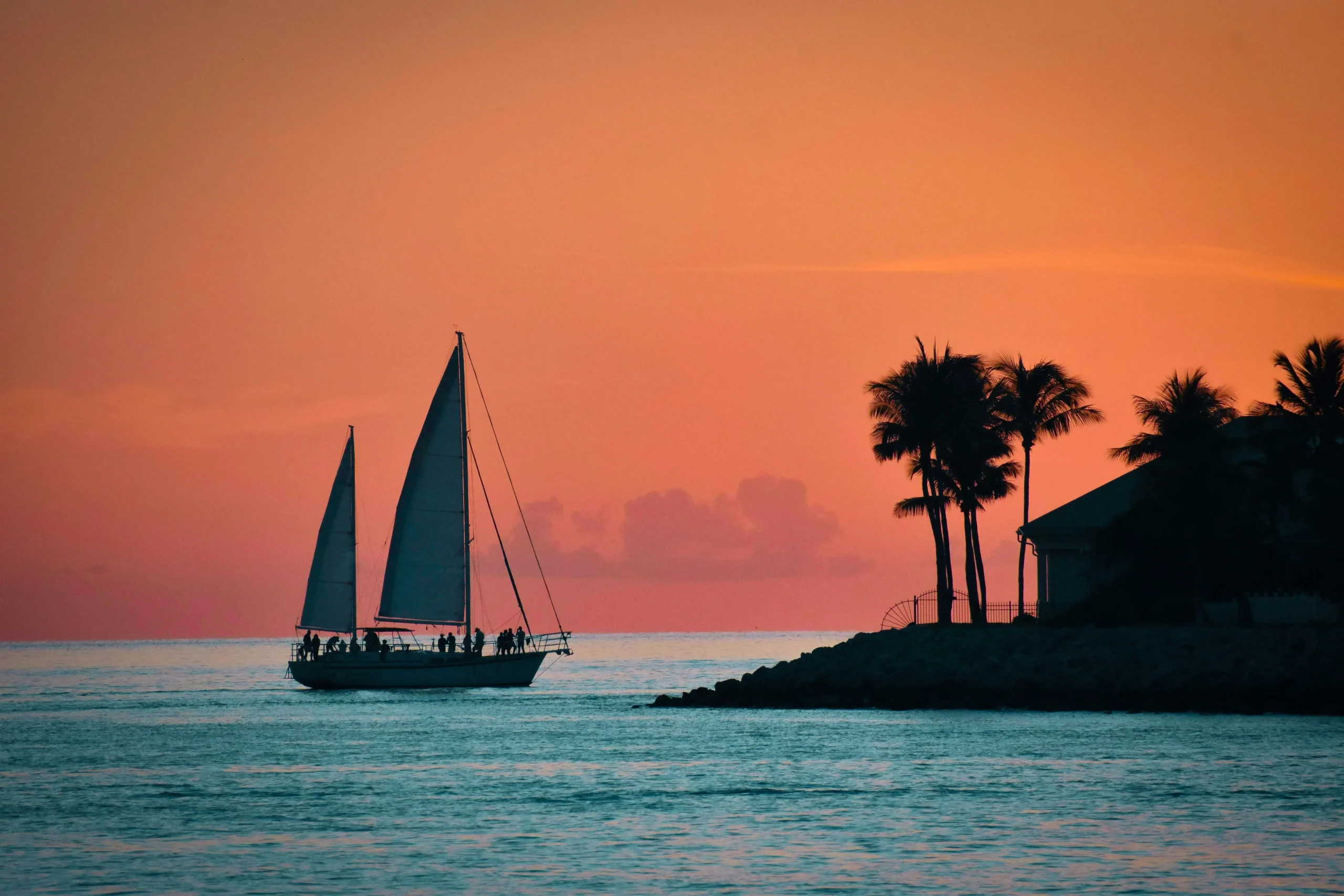
Best Summer Vacations in the USA
If you want the best summer vacations in the USA without wasting time, these are my top picks for first-timers: New York City, San Diego, Maui, Yellowstone, Glacier, the Outer Banks, Cape Cod, Charleston, Lake Tahoe, Chicago, Denver and the Rockies, Seattle and the Pacific Northwest, Austin, Honolulu and Oahu, and Yosemite National Park.
Each destination below includes what to do, ideal trip length, typical daily budgets, safety tips and direct map embeds so you can plan faster.
You can jump directly to detailed sections using your browser’s “find” feature and searching for any destination name (for example, “Maui” or “Yellowstone”).
For current hotel deals, I personally compare options across Booking.com, Agoda, Expedia, Hotels.com, Kayak, Tripadvisor and Vrbo.
Key Takeaways for Planning a US Summer Trip
- Book hotels and key activities about 3 months ahead for peak dates wherever possible, especially in national parks and beach towns.
- Set a realistic daily budget: roughly 150 to 250 USD per person per day in big cities, and 120 to 220 USD in smaller towns and many park gateways, not including flights.
- Protect yourself from summer heat with shade, water, sunscreen and smart timing of hikes and outdoor activities during early morning or evening.
- Leverage passes such as the US National Park annual pass for multi-park trips and use rideshare or transit in large cities to avoid parking headaches.
- Mix bucket list icons with slower local experiences: neighborhood walks, small cafes, local markets and sunset viewpoints often become the best trip memories.
Why These 15 US Summer Destinations Stand Out

When I plan a summer vacation in the USA, I look for three things: how enjoyable the weather feels, how much there is to do outdoors, and how easily first-timers can get around without stress.
The 15 places I highlight here score highly on those criteria based on up-to-date traveler rankings and expert recommendations from trusted travel publications and frequent travelers. For instance, sources such as U.S. News Travel and long term travel writers regularly feature many of these cities, national parks and coastal regions among the top summer options in the country.
I have structured this guide so any section can stand alone, which is helpful if you are, for example, only researching Yosemite or only curious about New York City.
For each destination, you will see when to go, how long to stay, how to get there, how to move around once you arrive, a realistic budget range, honest pros and cons, safety and weather notes, and a short list of experiences that make that place special.
How I Rated the Best Summer Vacations in the USA
To keep this practical, I focused on several factors travelers care about in summer: average temperature comfort, variety of things to do outdoors, value for money, food scene, ease of access and overall traveler feedback on major review sites.
For example, analysis of hotel pricing across US destinations in recent years shows that coastal luxury islands such as Nantucket and Martha’s Vineyard can reach average room rates of over 500 USD per night in August, while many mountain and inland destinations remain substantially more affordable even in peak season.
I also looked at advice from experienced travelers who have visited all 50 states and consistently flag places such as coastal Maine, Anchorage and Charleston as standouts for scenery, charm and food in the warmer months. Finally, I cross checked national park suggestions with current park guidance that highlights June through August as prime months for parks like Yosemite and Glacier thanks to open high mountain roads, wildflowers and flowing waterfalls.
Essential Summer Safety and Weather Tips Across the USA

Summer in the USA can mean intense heat in deserts, strong sun at high altitudes and variable storms in coastal or mountain regions, so I always build in a safety checklist before any trip. Water safety experts point out that swimming near professional lifeguards dramatically lowers the already small drowning risk on guarded beaches, while land management agencies emphasize hydrated, sun protected hiking, especially in hotter parks or at mid-day.
When I am planning outdoor days, I personally follow guidance shared by public land organizations: wear light colored, loose clothing, broad spectrum sunscreen of at least SPF 30, a hat and sunglasses, take frequent breaks in shade, and never underestimate how quickly heat stress can build. On park and trail days, I start early, carry more water than I think I need, and completely avoid leaving anyone or pets in parked cars, which can become dangerously hot in minutes even if the air feels mild.
New York City, New York: Urban Summer Energy and Iconic Sights
Why I Love New York in Summer
Summer in New York City combines long daylight hours, outdoor dining, rooftop views and free cultural events in parks.
From my own visits, I have found that June and September bring the best balance of warm weather and manageable humidity, while July and August can feel very hot and sticky, especially underground on the subway.
What makes New York such a strong summer choice is the sheer number of options: you can spend mornings in museums, afternoons in Central Park or by the Hudson River and evenings at Broadway shows or neighborhood food spots, all without needing a car.
Major travel rankings regularly place New York among the top summer family and city vacation picks thanks to this variety and its dense network of hotels, vacation rentals and dining options in many budget categories.
Map: New York City Center
Best Time, Trip Length and Weather
Ideal months: early June and September for more comfortable humidity, with July and August being hotter and busier.
I recommend at least 4 to 5 full days for a first visit to balance major sights such as the Statue of Liberty, Central Park, the Brooklyn Bridge and key museums without rushing.
Expect daytime highs often between the mid 20s and low 30s Celsius in mid summer, with occasional thunderstorms.
Budget, Costs and Where to Stay
New York can be one of the more expensive summer destinations in the USA, with daily costs that can exceed 500 USD per person in busy weeks if you choose central hotels and dine out for every meal.
To soften that, I look at hotel rates on several platforms, then mix in free attractions and neighborhood food spots: check options on
Booking.com,
Agoda,
Expedia,
Hotels.com,
Vrbo and
metasearch sites such as Kayak.
A typical mid range daily budget for many travelers is roughly 220 to 300 USD per person including lodging, food, local transport and a couple of paid attractions.
How to Get There and Get Around
Fly into John F. Kennedy, LaGuardia or Newark airports, then use the AirTrain, commuter rail, subway or a rideshare service to reach Manhattan, Brooklyn or Queens.
In the city itself, I rely almost entirely on the subway, buses, ferries and walking, which are faster than driving and remove the stress of parking.
For airport train details, the official transit portal at new.mta.info is the best reference.
Things to See and Do in New York in Summer
- Walk Central Park and combine it with a visit to the Metropolitan Museum of Art or the American Museum of Natural History.
- Take the Staten Island Ferry or a dedicated Statue of Liberty and Ellis Island cruise for skyline views and history.
- Cross the Brooklyn Bridge at sunset and explore Dumbo and the Brooklyn Heights Promenade.
- Enjoy free or low cost outdoor events such as Shakespeare in the Park, neighborhood street fairs and riverfront concerts.
For recent traveler impressions and restaurant ideas, I like reading New York pages on Tripadvisor, where recent reviews highlight what feels busy, overhyped or surprisingly good value in the current season.
Pros and Cons of New York in Summer
Pros: huge variety of experiences, car free convenience, long daylight hours, nonstop food and culture.
Cons: high accommodation prices in peak weeks, humidity, crowded popular spots, and occasional subway delays that can feel intensified in the heat.
Safety, Emergency Contacts and Local Insight
I generally feel safe in busy New York neighborhoods by using normal city awareness: keep valuables secure, avoid very quiet blocks late at night and use licensed taxis or established rideshare apps.
For emergencies anywhere in the USA, the main number is 911 for police, fire and medical services, and most major hospitals in New York are well equipped for visitors.
San Diego, California: Easygoing Beaches and Year Round Sunshine
Why San Diego Works So Well in Summer
San Diego has some of the most forgiving summer weather in the continental USA, with ocean breezes and many days that feel comfortable even at mid day.
From my experience, it is one of the easiest cities for families or relaxed couples trips because you can combine beaches, light hiking, a world class zoo and simple day trips without spending hours in traffic.
Because its climate is pleasant almost all year, San Diego spreads visitors across seasons, so summer still feels busy but not as overwhelming as some compact beach towns.
Outdoor dining along the harbor and in neighborhoods such as Little Italy and North Park comes alive in the evenings, which is perfect if you prefer to spend the day at the beach and explore the city after sunset.
Map: Central San Diego
Best Time, Stay Length and Weather
June through August is peak beach season, though June can bring a morning marine layer that locals call “June gloom” before the sun breaks through.
I recommend 3 to 5 days to cover La Jolla, Coronado, Balboa Park and a day at the famous zoo with time left for relaxed beach time, with typical summer highs near the mid 20s Celsius.
Costs and Where to Book Your Stay
Beachfront hotels and La Jolla properties can be pricey in summer, but inland neighborhoods and vacation rentals can be more accessible.
I usually start by checking rates on
Booking.com,
Agoda,
Expedia,
Hotels.com and
Vrbo.
A practical mid range daily budget is around 180 to 230 USD per person depending on location and activity choices.
What to Do in San Diego in Summer
- Swim, surf or walk the coast at La Jolla Shores, Pacific Beach and Coronado Beach.
- Spend a day exploring Balboa Park’s museums and gardens, including the San Diego Zoo.
- Join a harbor or whale watching cruise booked through platforms such as GetYourGuide or local tour companies.
- Stroll the Gaslamp Quarter and Little Italy in the evenings for dining and nightlife.
Pros and Cons of San Diego in Summer
Pros: mild weather, family friendly activities, easy driving compared with larger cities and varied coastline within short drives.
Cons: higher prices near the ocean, parking challenges at popular beaches and marine layer clouds some mornings in early summer.
Maui, Hawaii: Tropical Beaches, Snorkeling and Volcano Sunrises
Why Maui Is a Classic Summer Island Escape
Maui offers warm ocean water, world class snorkeling, scenic drives and a slower pace that many travelers crave in summer.
The island has continued to evolve its visitor policies and community guidelines, so I always review official county and tourism updates before planning to ensure I am travelling respectfully and in line with current recommendations.
Summer brings drier conditions on many parts of the island and steady trade winds that help keep temperatures feel pleasant near the coast.
It is especially appealing for travelers who want a mix of active days in nature and calm afternoons by the water, with accommodations that range from large resorts to smaller condos and vacation rentals.
Map: Maui Island Overview
When to Go, How Long and What Weather to Expect
June through August is considered one of the main visitor seasons along with winter, though conditions vary by microclimate.
I suggest a minimum of 5 to 7 days to have time for West Maui beaches, the Road to Hana, snorkel trips and, if possible, a sunrise or sunset visit to Haleakalā summit with reservations made well in advance through the National Park Service.
Budget, Typical Costs and Booking Tips
Maui tends to be on the high end for summer accommodation and rental car prices due to its island logistics and strong demand.
Many travelers see daily spending between 250 and 400 USD per person once lodging, food, activities and a shared rental car are included.
I compare resort and condo prices across
Booking.com,
Agoda,
Expedia,
Hotels.com and
Vrbo to find a balance that fits the trip style.
Boat tours and snorkeling excursions can often be browsed in advance through sites like GetYourGuide and local operators.
What to Do on Maui in Summer
- Snorkel at Molokini Crater or along the shores of Kapalua, Napili and Wailea.
- Drive carefully along the Road to Hana, allowing a full day for waterfalls, short hikes and local food stands.
- Watch sunrise or sunset from Haleakalā National Park with an advance reservation and proper layers for the cooler summit temperatures.
- Spend relaxed beach days and support local businesses in towns designated for visitors in current community guidance.
Pros and Cons of Maui in Summer
Pros: warm ocean water, strong snorkeling and outdoor activities, impressive volcanic landscapes and memorable drives.
Cons: high trip costs, rental car demand, and the need to closely follow current local guidance about where and how to visit respectfully.
Yellowstone National Park: Geysers, Wildlife and Wild Landscapes
Why Yellowstone Is a Top Summer Park
Yellowstone is one of the best known national parks in the USA and summer is when its roads, trails and services are most fully open.
The combination of geysers, hot springs, canyons, rivers and abundant wildlife makes it ideal for travelers seeking dramatic scenery over several days rather than a quick photo stop.
Because roads typically open in late spring and early summer and higher elevation areas can remain snow covered until that time, many travel experts and the National Park Service itself highlight June through September as prime months for first time visitors.
That window allows reliable access to areas such as Old Faithful, Canyon Village and Yellowstone Lake with long daylight hours and more stable weather.
Map: Yellowstone National Park
When to Go, Stay Length and Weather
I recommend 3 to 5 days to experience the main loops without constantly rushing from viewpoint to viewpoint.
Summer daytime temperatures can range from comfortable to warm, but nights remain cool at higher elevations and thunderstorms can develop quickly, so layers are essential.
Shoulder weeks in June and September can offer a good balance between open facilities and slightly fewer visitors than mid July.
Costs, Park Passes and Booking Tips
Overall daily expenses can be moderate compared with big cities if you plan ahead, with many travelers targeting around 150 to 220 USD per person including lodging just outside the park, fuel, food and a few guided activities.
A national park pass paid once per vehicle covers entry, which is very helpful if you are combining Yellowstone with nearby Grand Teton National Park.
Lodging inside the park often books out months ahead, so I also look at gateway communities and compare hotels and cabins on
Booking.com,
Expedia,
Hotels.com and
Vrbo.
Must See Areas and Experiences
- Watch Old Faithful and walk the surrounding boardwalks of Upper Geyser Basin.
- Visit Grand Prismatic Spring from the boardwalk and from the overlook trail for different perspectives.
- Explore the Grand Canyon of the Yellowstone from both North and South Rim viewpoints.
- Drive the Hayden and Lamar Valleys at dawn or dusk for higher chances of wildlife sightings.
Pros and Cons of Yellowstone in Summer
Pros: full road access, iconic geothermal features, good wildlife viewing and longer days that make scenic drives more enjoyable.
Cons: busy parking areas at famous stops, limited cell coverage, and the need for careful planning to avoid long driving days with little time on trails.
Glacier National Park, Montana: Alpine Lakes, Wildflowers and High Mountain Roads
Why Glacier Is a Spectacular Summer Choice
Glacier National Park is often described as one of the most impressive summer mountain destinations in the USA thanks to its turquoise lakes, sharp peaks and wildflower covered meadows.
Travel writers who focus on seasonal trips frequently recommend July as an ideal month because high elevation routes such as Going to the Sun Road usually open fully and snow has receded enough to unlock classic hiking trails.
What I appreciate most in Glacier is that even short walks from the road can reveal views that feel like multi day expeditions elsewhere, making it accessible for both serious hikers and more casual visitors.
Visitor numbers are strong in summer, so timed entry systems have sometimes been implemented for certain park roads, which makes it important to watch current park updates while planning.
Map: Glacier National Park
When to Visit, How Long and Climate
July and August are the core summer months in Glacier, with many high routes open and trail snow mostly melted, though wildfires can occasionally affect visibility and access.
I suggest aiming for 3 to 4 full days that cover Going to the Sun Road, Many Glacier and at least one boating or kayaking session on a calm lake, with the understanding that mountain weather can shift rapidly from sun to storms.
Cost Expectations and Lodging Tips
Summer lodging near Glacier, particularly in gateways such as Whitefish and West Glacier, is in high demand.
In my planning, I often budget about 170 to 230 USD per person per day, which accounts for moderate lodging, car rental, fuel and food.
Lodge rooms, cabins and vacation rentals can be compared on
Booking.com,
Expedia,
Hotels.com and
vacation home platforms including Vrbo.
Highlights and Activities
- Drive or shuttle along Going to the Sun Road, stopping at Logan Pass and scenic turnouts.
- Hike routes such as Hidden Lake Overlook or Avalanche Lake for classic Glacier scenery.
- Take a boat tour on Lake McDonald or Many Glacier’s lakes to appreciate the mountains from the water.
- Photograph wildflowers and wildlife from safe distances using zoom lenses rather than approaching animals.
Pros and Cons of Glacier in Summer
Pros: stunning alpine scenery, access to high elevation roads and trails, clear lakes and excellent photography conditions.
Cons: limited lodging capacity, high demand, potential smoke from regional wildfires and the need for flexible planning.
Outer Banks, North Carolina: Laid Back Beach Towns and Lighthouse Drives
The Outer Banks deliver a classic Atlantic beach summer with long stretches of sand, beach houses and small towns linked by coastal roads. Many families return year after year because they can rent a house for a week, cook some meals at home and spend most days between the beach and simple local attractions such as lighthouses and small museums.
I like the Outer Banks for multigenerational trips where some travelers want active days on the water while others prefer reading on a deck or exploring historical sites such as the Wright Brothers Memorial. Typical stays run 5 to 7 nights, and vacation rentals often fill many months in advance for prime weeks, which is why browsing inventory early on sites like Vrbo and major hotel booking engines pays off.
Map: Outer Banks Region
When to Go, Weather and Trip Length
June through August offer warm water and beach friendly temperatures, though the region also sits in the broader Atlantic hurricane season that peaks later in the summer.
A week is common for rental based stays, while a long weekend can work if you are driving from nearby states and staying in hotels.
Daytime highs can sit in the upper 20s to low 30s Celsius with strong sun, so shade and hydration are important.
Budget, Lodging Options and Bookings
Costs vary widely depending on the size and location of your rental or hotel.
A rough planning range many travelers use is 130 to 220 USD per person per day, assuming a shared beach house or mid range hotel, self catered breakfasts and some dinners out.
I usually compare options on
Booking.com,
Expedia,
Hotels.com,
Vrbo and read recent Outer Banks forum threads and reviews on Tripadvisor.
Things to Do in the Outer Banks
- Spend long beach days in towns such as Nags Head, Kitty Hawk and Corolla.
- Visit Cape Hatteras Lighthouse and other historic lighthouses along the coast.
- Try kayaking, stand up paddleboarding and dolphin watching boat tours.
- Explore the Wright Brothers National Memorial at Kill Devil Hills.
Cape Cod, Massachusetts: Classic New England Summer by the Sea
Cape Cod is a long time favorite for summer holidays thanks to its charming towns, seafood shacks, bike trails and dune backed beaches. Travel writers who know New England well repeatedly highlight towns such as Provincetown, Chatham and Falmouth for their combination of beaches, galleries and easy walking streets.
For many travelers, Cape Cod feels like the quintessential North American beach vacation: simple days on the sand, evenings with lobster rolls or clam chowder, and short scenic drives to lighthouses and small harbors. A car is very useful here, though some visitors base themselves near bus routes and bike paths to cut back on driving.
Map: Cape Cod Region
Charleston, South Carolina: Historic Streets and Coastal Escapes
Charleston blends historic architecture, a respected food scene and nearby beaches, which is why travelers who have seen all 50 states often name it among the most appealing US cities to visit. Summer can feel hot and humid, yet early morning and evening walks around the historic district, plus day trips to beaches such as Folly Beach or Isle of Palms, help balance the climate.
I like to plan at least 3 days in Charleston: one for the historic city core, one for plantations or gardens and another for the coast. For accommodations, I compare historic inns and modern hotels on platforms such as Booking.com, Expedia, Agoda and Hotels.com, and then check reviews on Tripadvisor to understand which properties currently deliver the best value for the rates charged.
Lake Tahoe, California and Nevada: Clear Water and Mountain Air
Lake Tahoe is a mountain lake destination that works in all seasons, but summer is particularly attractive for hiking, boating and swimming in clearer water when snow has receded from many trails. Long term travel bloggers point out that even with environmental stress and changing water levels, Tahoe remains visually impressive, ringed by smaller communities that give access to beaches and trailheads.
A typical summer trip runs 3 to 5 days and combines time on the water with at least a couple of half day hikes to viewpoints. Lodging ranges from campgrounds to high end resorts, and daily budgets often sit around 150 to 250 USD per person depending on lodging style and boat rental choices.
Chicago, Illinois: Lakeside Skyline, Architecture and Food in Summer
Chicago comes alive during summer, with Lake Michigan beaches open, outdoor festivals on the calendar and boat tours running regularly along the river and lakefront. Industry data for hotel rates has indicated that summer prices can reach close to 300 USD per night on average in popular periods, which makes early booking important if you want to stay near the central attractions.
I usually suggest at least 3 days in Chicago: one for downtown sights and architecture cruises, one for museums and another for neighborhoods and the lakefront. Hotel options across the city can be compared on Booking.com, Agoda, Expedia, Hotels.com and Kayak, while platforms like Tripadvisor provide extensive recent reviews that help set expectations for noise, service and walkability.
Denver and the Colorado Rockies: City Base and Mountain Day Trips
Denver pairs a growing food and craft beer scene with access to the Rocky Mountains, making it a strong summer base for travelers who want city comforts and mountain day trips. From Denver, you can reach Rocky Mountain National Park, mountain towns such as Estes Park and Breckenridge, and scenic byways that are snow free in summer.
I like to spend at least 2 days in Denver itself and 2 to 4 more days exploring the mountains, either via a rental car or pre arranged tours. Hotel and apartment options are easy to browse and filter on Booking.com, Expedia, Agoda and Vrbo, while guided hikes and day trips are often listed on services like GetYourGuide and other local tour operators.
Seattle and the Pacific Northwest: Summer Greenery and Cool Temperatures
Seattle offers a welcome temperature break for travelers who find southern or desert heat overwhelming in summer, with many days that feel mild compared with more southern cities. The broader region around Seattle includes national parks such as Mount Rainier and North Cascades, which travel experts frequently call out as some of the best US summer hiking destinations.
I usually design a Pacific Northwest itinerary with 3 days in Seattle and 4 to 6 days split among nearby parks and coastal spots if time allows. Accommodation, car rentals and park entry requirements are important to research early, especially for North Cascades and Rainier, and hotel prices can be compared across several booking engines to keep the overall budget under control.
Austin, Texas: Live Music, Food Trucks and Swimming Holes
Austin can be hot in summer, but its riverfront trails, swimming holes and evening events make it a lively choice if you plan around the midday heat. As a Texas based traveler myself, I time most outdoor movement to mornings and late evenings in summer and use shaded patios and indoor venues during the hottest hours.
A long weekend can be enough for central Austin, especially if you mix in a day trip to nearby springs or wineries. Hotel and rental prices rise for big events and weekends, so I often check multiple platforms, including Booking.com, Expedia, Hotels.com, Agoda and Vrbo, and adjust dates if I see major price spikes tied to festivals or conferences.
Honolulu and Oahu, Hawaii: Beaches, Hiking and Accessible Island Culture
Oahu balances city comforts with beaches and hiking, which makes it popular for first time Hawaii visitors and families. Honolulu offers high rise hotels, shopping and dining, while the rest of the island presents quieter beaches, scenic drives and cultural sites.
I recommend at least 5 days to explore Waikiki, Pearl Harbor, the North Shore and inland hikes. Low season bargains are harder in summer, but the variety of hotels and condos means you can adjust neighborhoods to match your budget by comparing rates across Booking.com, Expedia, Agoda, Hotels.com and Vrbo and reading current guest feedback on Tripadvisor.
Yosemite National Park, California: Granite Cliffs, Waterfalls and Starry Nights
Yosemite’s granite cliffs and waterfalls make it one of the most photographed national parks in the USA, and late spring through early summer is often singled out as a special window when many waterfalls are still flowing strongly and key high roads reopen. Experienced travel writers often highlight June as a sweet spot where you can drive Tioga Road and Glacier Point Road while still seeing impressive water volume, although exact timing depends on that year’s snowpack.
I like to allocate at least 3 to 4 nights for Yosemite, with some time in Yosemite Valley for classic viewpoints such as Tunnel View and Glacier Point, and additional days on Tioga Road for alpine lakes and trailheads. Accommodation inside the park can sell out quickly, so browsing options nearby on Booking.com, Expedia, Hotels.com and Vrbo can provide more flexibility and a broader range of price points.
Money Saving Tips for US Summer Vacations

To keep summer trips affordable, I usually decide on my destination, then check typical hotel and rental rates at least three months ahead on multiple sites instead of relying on a single one. Travel industry analyses of booking behavior indicate that booking a few months before peak dates often yields better prices than last minute reservations for popular destinations, especially during school holidays.
I also combine paid highlights with free activities: city parks, beach days, self guided walking tours and sunset viewpoints all add richness without raising the budget. For national park heavy itineraries, I purchase a national park annual pass if I plan to visit at least three parks within a year, because the combined entry fees otherwise tend to exceed the pass price.
How to Get Around the USA in Summer
For cross country travel, domestic flights between major hubs are usually the fastest option, and I often use metasearch tools such as Kayak to compare airlines and timings. Once I am in a region, I decide between renting a car for flexibility, especially in national park and coastal areas, and relying on transit plus rideshare in major cities where parking is expensive and traffic is dense.
In cities such as New York, Chicago and Seattle, I prefer public transport and walking, using official transit sites and apps to plan routes and track delays. In more rural or sprawling locations, I find that a rental car allows sunrise and sunset visits to scenic spots without worrying about limited public transport hours, which is particularly helpful in mountain park regions.
Staying Safe: General Summer Travel Safety and Emergency Contacts
Across the USA, the main emergency number is 911, which connects you to police, fire and medical services, and it works in both cities and remote regions when you have cell coverage. I always store local non emergency numbers for my hotel or rental host and nearby medical clinics in my phone so I can reach them quickly if needed.
For heat and outdoor safety, I follow guidance from public land and water safety organizations: swim at beaches with lifeguards whenever possible, watch for local hazard flags and posted warnings, apply sunscreen with a high SPF and reapply regularly, wear hats and light clothing and carry more water than I expect to use, particularly on hikes or longer walks. I also avoid alcohol in very hot conditions when I know I will be active outside, because it can increase the risk of dehydration and heat stress.
Frequently Asked Questions About Summer Vacations in the USA
What is the best month for a summer vacation in the USA?
For many travelers, June and September offer a sweet spot where the weather is warm enough for beaches and outdoor activities but crowds and prices can be slightly lower than in mid July and August.
In high mountain parks, July is often ideal because roads and trails are fully open, while some coastal destinations can be more pleasant earlier or later in the season to avoid peak humidity and storm risks.
How far in advance should I book summer hotels in the USA?
For popular beach towns and national parks, I often book lodging three to six months ahead, especially for weekends and school holiday periods.
Data from hotel rate analyses shows that many US summer destinations become significantly more expensive if you wait until the last month, particularly in compact areas with limited accommodation.
What is a realistic daily budget for a US summer trip?
As a general planning rule, city trips commonly run 200 to 300 USD per person per day for mid range travel including lodging, food, local transport and some activities, while many smaller towns and park gateways fall into the 150 to 220 USD per person range.
Beachfront resorts and luxury islands can exceed these ranges, so I always check sample nightly rates in my target month before finalizing flights.
Is it safe to visit US national parks in summer?
National parks can be safe and rewarding in summer if you respect park rules, wildlife distance guidelines, trail closures and weather warnings.
Park services consistently remind visitors not to approach animals, to stay on marked trails, to carry water and to plan around storms and heat, and I have found that trips feel safer and more relaxed when I follow those principles.
How can I avoid crowds on a US summer vacation?
I plan early morning starts for the most popular attractions, visit well known spots on weekdays when possible and include less famous alternatives nearby in my itinerary.
Choosing shoulder season weeks in early June or early September, or targeting regions known for more moderate visitor numbers, can also make a big difference in how crowded a destination feels.
What are the best sites to book US summer accommodation?
I rarely rely on a single booking site. Instead, I compare availability and prices on
Booking.com,
Agoda,
Expedia,
Hotels.com,
Kayak,
Tripadvisor and
Vrbo, and then cross check reviews and cancellation policies before confirming anything.
Final Planning Tip and Important Disclaimer
My personal rule for US summer trips is simple: decide what you care about most, whether it is cooler mountain air, urban food and culture or long warm beach days, then commit to a destination that aligns with that feeling instead of trying to see everything in one go. With realistic budgets, smart booking strategies and attention to weather and safety, each of the destinations in this guide can deliver a memorable and comfortable summer vacation that still feels personal to your travel style.
Disclaimer: WakaAbuja has made every effort to ensure that the information in this post was correct at the time of publication. However, we do not assume any liability caused by errors such as pricing, hours, or location details. Please consult official websites or social media pages for the most up-to-date information.