Bryce Canyon National Park, Utah: What a Visit Really Costs and How to Plan Two Days
Some links on this page are affiliate links. We may earn a commission at no extra cost to you.
Bryce Canyon National Park, Utah, sits at roughly 8,000 feet on the Paunsaugunt Plateau and holds the world’s largest concentration of hoodoos. Entry costs $35 per private vehicle, plus a $100 per-person fee for non-US residents aged 16 and over unless you hold a qualifying annual pass (confirm current rates on the official NPS fees page). Two days is enough to catch the amphitheater at sunrise and sunset, walk below the rim, and drive the scenic road to Rainbow Point.
Most guides tell you to see Sunrise Point and call it done. That works if you have three hours. If you are flying in from overseas and paying the new non-resident fee, you deserve a plan that accounts for what you actually spend and how altitude changes the game.
This guide is for the traveler who wants the math before the magic. It is not for someone looking for a checklist of twenty photo stops with no context.
Jump to: What it is | Cost | How many days | Best time | Hikes | Getting there | Where to stay | Who it is not for | Mistakes | FAQ
Key takeaways
- Standard entry is $35 per vehicle, $30 per motorcycle, or $20 per person on foot or bike (verify on the NPS fees page).
- Non-US residents aged 16 and over pay an additional $100 each at Bryce Canyon, one of eleven parks with this surcharge (confirm current policy on NPS.gov).
- The $250 America the Beautiful Non-Resident Annual Pass breaks even for a two-adult overseas trip that includes Bryce plus at least one other fee park like Zion (check official pricing before buying).
- Free entrance days apply to US citizens and residents only, so international visitors still pay on those dates (confirm on the NPS free days page).
- The park shuttle typically runs from early April to mid-October, but verify exact dates for your travel window on the official shuttle page.
- Two days covers the main amphitheater, a good hike below the rim, and the 18-mile drive to Rainbow Point without rushing.
What is Bryce Canyon National Park, Utah, and is it actually a canyon?
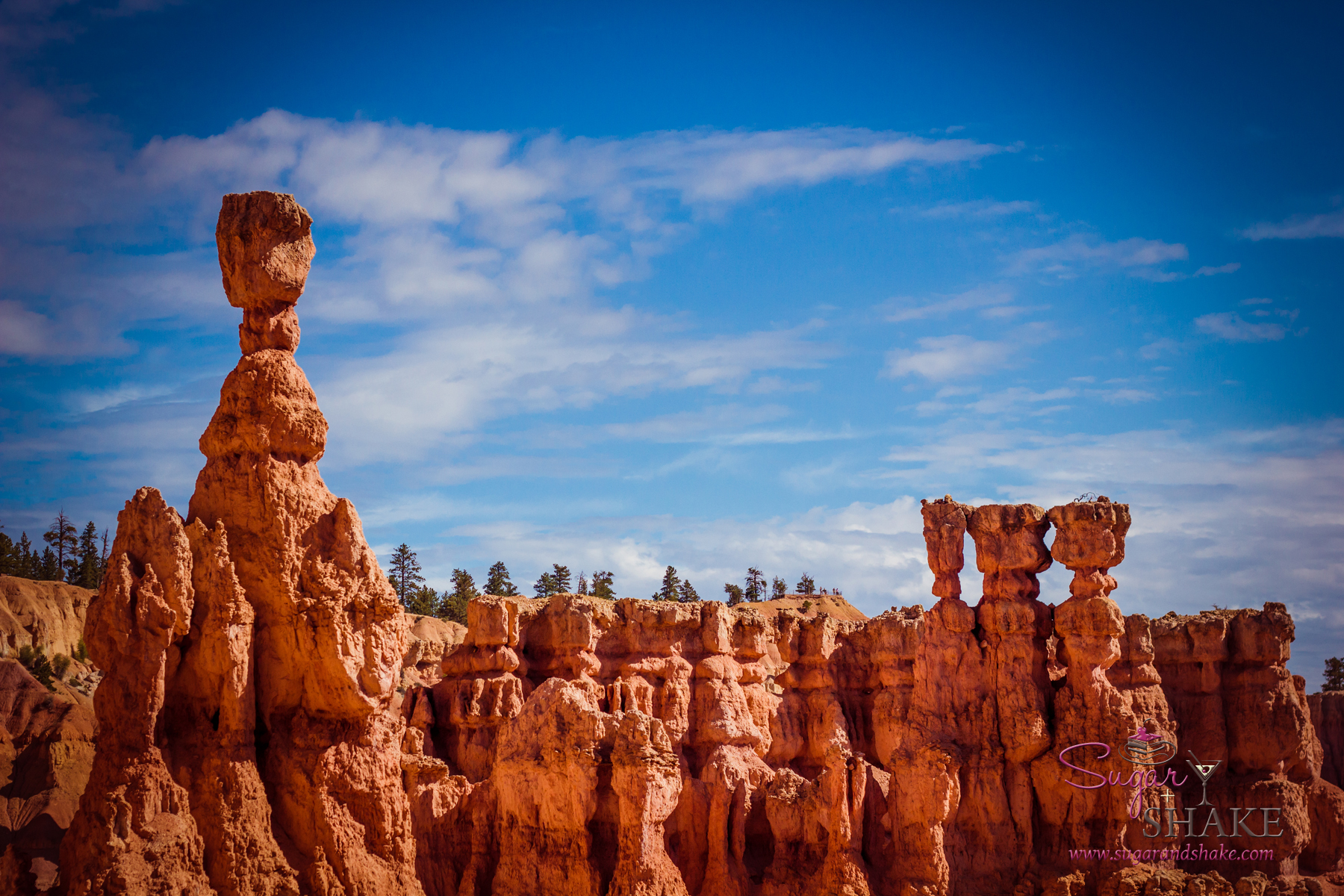
Bryce Canyon is not a canyon carved by a river. It is a series of natural amphitheaters eroded into the eastern edge of the Paunsaugunt Plateau in southern Utah, where frost wedging and rain have sculpted the soft Claron Formation into thousands of limestone spires called hoodoos. The park’s rim sits between 8,000 and 9,100 feet, which makes it cooler than Zion and a different packing problem entirely.
The National Park Service manages Bryce Canyon, and the official Bryce Canyon National Park homepage is the source for current conditions, closures, and shuttle status. The park is small in area compared to Utah’s other Mighty 5 parks, but the vertical drop from rim to floor is significant enough that a short trail feels longer than the mileage suggests.
Maya’s honest take: The name “canyon” misleads people into expecting Zion-style walls. What you get instead is a viewing experience from above, looking down into a bowl of stone. That means the best light is at the edges of the day, and the middle of the day is for driving or napping, not photography.
Best for
- Sunrise and sunset photography from rim viewpoints
- Short but steep hikes among hoodoos
- Dark sky stargazing (the park holds an International Dark Sky designation)
- Road-trippers linking Zion, Capitol Reef, and Scenic Byway 12
Worth considering
- Winter visitors get solitude but face icy trails and closed shuttles
- Rainbow Point drive rewards those with a half-day to spare
- Downside: the altitude can leave flatland visitors winded on the first climb out of the amphitheater
How much does it cost to enter Bryce Canyon National Park?
A standard entrance pass for Bryce Canyon costs $35 per private vehicle, $30 per motorcycle, or $20 per person arriving on foot or bicycle, valid for seven days (verify current rates on the NPS Bryce Canyon fees page). Children 15 and under are admitted free.
The number that surprises overseas visitors is the non-resident fee. Since January 1, 2026, each non-US resident aged 16 and older pays an additional $100 per person at Bryce Canyon and ten other heavily visited parks, on top of the standard entrance fee, unless they hold a qualifying annual pass.
This is a per-person charge, not per vehicle. A couple from the UK arriving by rental car pays $35 for the car plus $200 for themselves, totaling $235 for one park (confirm the latest fee structure with the NPS before you travel).
The $250 pass, and when it beats paying per park
The America the Beautiful Non-Resident Annual Pass costs $250 and covers the pass holder plus three additional adults aged 16 and over in the same private vehicle, or the pass holder plus three adults where per-person fees apply. For two overseas adults visiting only Bryce, the pass costs $15 more than paying separately ($250 versus $235). But add Zion, Grand Canyon, or Yellowstone to the same trip, and the pass wins clearly. For three overseas adults visiting Bryce alone, the one-park cost is $335, so the pass saves $85 (check official pricing before purchase).
Decision rule: Buy the $250 non-resident pass if your trip includes Bryce plus at least one other non-resident-fee park, or if you are three or more overseas adults visiting Bryce alone. Skip it if you are a solo traveler or a couple seeing only Bryce and no other free parks.
Free entrance days: who actually gets in free
Free entrance days at national parks now apply only to US citizens and residents. International visitors pay the standard fee and the non-resident fee as normal on those dates. Do not plan your trip around a free day if you hold a non-US passport.
How many days do you need at Bryce Canyon?
Two days is the right amount for most first-time visitors. One day is enough for the main amphitheater viewpoints and a short hike, but it leaves no margin for weather, altitude adjustment, or the drive to Rainbow Point. Three days is better if you want a longer backcountry hike or a day trip to Kodachrome Basin State Park.
A realistic two-day plan
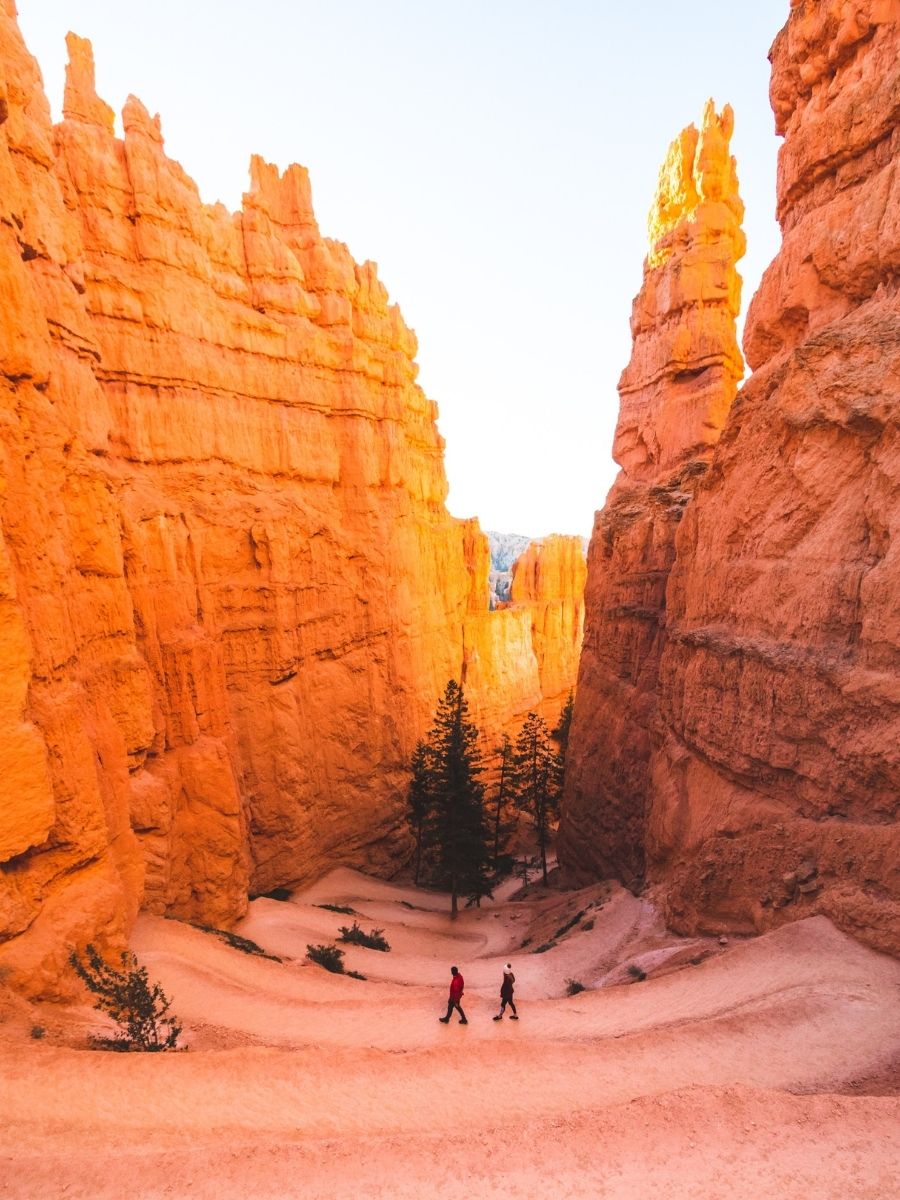
Day 1: Arrive early. Stop at the visitor center for current trail conditions and shuttle schedules. Walk the Rim Trail between Sunrise and Sunset Points, then descend the Queen’s Garden Trail or the Navajo Loop in the afternoon. Stay for sunset at Sunset Point or Inspiration Point. The light hits the hoodoos from the west and turns them orange in a way midday never does.
Day 2: Drive the 18-mile scenic road to Rainbow Point, stopping at Natural Bridge and the overlooks along the way. This is a half-day commitment with stops. Return for a second short hike if your legs allow, or use the afternoon for a nap and stargazing after dark.
If the shuttle is not running
The park shuttle typically operates from early April through mid-October, but exact dates change annually, and you should verify on the official NPS shuttle page for your travel window. When the shuttle is not running, you drive and park at the viewpoints yourself. The main amphitheater lots fill by mid-morning in summer, so arrive before 9am or after 3pm (editorial judgment based on typical park patterns).
When is the best time to visit Bryce Canyon?
Late spring through early autumn is the most comfortable window, with daytime temperatures mild at 8,000 feet and trails clear of snow. Summer brings afternoon thunderstorms and the largest crowds. Winter offers solitude and a completely different scene, with snow-capped hoodoos, but the shuttle does not run and some trails become icy or impassable without traction devices.
If you are combining Bryce with Zion, note that Zion sits at much lower elevation and runs significantly hotter. Pack layers for Bryce even in July, because mornings at the rim can be in the 40s Fahrenheit (confirm current weather forecasts before packing).
Which hike should you choose?
Choose your hike by time and fitness, not by Instagram. Every trail below the rim involves a steep climb back out, and at 8,000 feet that climb feels harder than the mileage suggests. The Queen’s Garden and Navajo Loop combination is the most popular for good reason, but it is not the only option worth your morning.
Queen’s Garden + Navajo Loop
About 3.3 miles and the best introduction to the hoodoos. Choose this if you have half a day and want the classic Bryce experience. Skip it if you have knee problems, since the climb out via Wall Street involves steep switchbacks (check trail conditions with the NPS).
Peekaboo Loop
About 5.5 miles with more elevation change and fewer people than the Queen’s Garden combination. Choose this if you want a quieter experience and have the legs for a longer climb. Skip it if you are short on time or visiting on a tight schedule.
Rim Trail
Paved and mostly flat between the main viewpoints. Choose this if you want the views without the descent, or if you are traveling with someone who cannot handle steep trails. Skip it if you came to walk among the hoodoos, because the Rim Trail keeps you above them.
Book guided hikes or tours through GetYourGuide if you want a local naturalist to explain the geology and handle the navigation.
How do you get to Bryce Canyon?
The closest airport with scheduled airline service is Cedar City Regional (CDC), about 91 miles and roughly two hours from the park entrance (verify drive times with a current map app). Las Vegas Harry Reid International (LAS) and Salt Lake City International (SLC) are the practical hubs for international arrivals, each roughly a five-hour drive from Bryce (confirm current road conditions before setting out).
Scenic Byway 12, a designated All-American Road, connects Bryce to Capitol Reef and Escalante, and is worth the detour if you have an extra day. Compare rental car and flight packages on Kayak if you are flying into LAS or SLC and driving the park circuit.
Where should you stay near Bryce Canyon?
The Lodge at Bryce Canyon sits inside the park and is the most convenient option, but it books out months in advance for summer dates. Outside the park, Bryce Canyon City has the highest concentration of motels and restaurants. Tropic is a quieter alternative about fifteen minutes away with a handful of independent lodges and cabins.
Campers should check Recreation.gov for availability at the two developed campgrounds inside the park. Book hotels near Bryce Canyon early if you are traveling between June and September, since inventory near the park is limited and prices rise accordingly (check current rates on the booking site).
Who Bryce Canyon is not for
Bryce Canyon is not a good fit for travelers who want easy, flat walks with big views at every turn. The signature experience involves descending 500 feet or more into an amphitheater and climbing back out at altitude. If you have heart or lung conditions that make exertion at 8,000 feet risky, stick to the rim viewpoints and the scenic drive, which are still rewarding (consult your doctor before traveling).
It is also not for anyone who expects warmth in the morning or reliable cell service throughout the park. Come prepared with layers and a downloaded map.
What mistakes do first-timers make?
The most common mistake is underestimating the altitude. Visitors from sea level often feel winded on the first climb out of the amphitheater and mistake it for poor fitness. The fix is simple: give yourself a few hours to adjust, drink more water than you think you need, and start with a shorter trail before committing to a longer one.
The second mistake is skipping the non-resident fee when budgeting. A family of four overseas visitors pays $35 for the car plus $400 in non-resident fees, which is a significant addition (verify current fees on the NPS page). Check whether the $250 pass makes sense before you arrive, not at the entrance station.
The third mistake is arriving midday in summer and expecting empty viewpoints. The shuttle helps, but parking at Sunrise and Sunset Points fills early. Go at sunrise or late afternoon, or park at the shuttle lot and ride in.
The fourth mistake is wearing sneakers with no tread on the trails below the rim. The rock is loose and dusty, and the climb out is steep. Trail shoes or hiking boots make a real difference (editorial judgment based on trail conditions described by the NPS).
The fifth mistake is forgetting that free entrance days do not apply to international visitors. Plan your budget around paying the standard and non-resident fees regardless of the date.
Frequently asked questions
How much does it cost to enter Bryce Canyon National Park?
Entry is $35 per private vehicle, $30 per motorcycle, or $20 per person on foot or bike, valid for seven days (confirm current rates on the official NPS fees page). Non-US residents aged 16 and over also pay a $100 per-person non-resident fee unless they hold a qualifying annual pass.
How many days do you need at Bryce Canyon?
Two days is enough for most visitors to see the main amphitheater, complete one hike below the rim, and drive to Rainbow Point. One day works if you stick to the rim viewpoints and a short trail, but it leaves no margin for weather or altitude adjustment.
Do you need a reservation or timed entry for Bryce Canyon?
Bryce Canyon does not currently use a timed-entry reservation system for general park access, unlike some other national parks. You pay the entrance fee at the gate. Check the official NPS Bryce Canyon page for any changes before your trip.
Is the shuttle free, and when does it run?
The park shuttle is free and typically operates from early April through mid-October, but exact dates change each year. Verify the current season on the official NPS shuttle page before relying on it for your visit.
Which airport is closest to Bryce Canyon?
Cedar City Regional (CDC) is the closest airport with scheduled airline service, about 91 miles and roughly two hours from the park entrance (confirm drive times with a current map app). Las Vegas (LAS) and Salt Lake City (SLC) are the practical hubs for international flights, each around a five-hour drive.
Is Bryce Canyon worth visiting after Zion?
Yes, because the two parks offer completely different experiences. Zion is a canyon floor experience with a river and towering walls, while Bryce is a rim experience looking down into hoodoo amphitheaters. The drive between them is about two hours via Scenic Byway 12, making them an easy pair.
How cold does it get at Bryce Canyon at night?
Because the rim sits at 8,000 to 9,100 feet, nighttime temperatures can drop near or below freezing even in shoulder seasons, and summer nights are cool. Pack a warm layer for sunrise and stargazing regardless of the season (check current forecasts before packing).
Can you drive to Rainbow Point in winter?
The 18-mile scenic road to Rainbow Point may close or require snow tires and chains in winter depending on conditions. Check the official NPS Bryce Canyon conditions page before driving, and be prepared to turn around if the road is not maintained.
What is the best hike for someone afraid of heights?
The Rim Trail between Sunrise and Sunset Points is paved and mostly flat, with railings at the main viewpoints. Stay on the rim rather than descending into the amphitheater, where some sections of the Navajo Loop have steep drop-offs and narrow switchbacks.
Plan your trip: booking platforms we trust
For this trip, book lodging first because inventory near the park is tight, then lock in your rental car and flights. Use hotels near Bryce Canyon as your starting point for accommodation, and check cheap flights to Las Vegas if you are flying into LAS. If you are planning a longer Utah circuit, see our Utah road trip planning resources and confirm your USA visa and ESTA requirements well before departure.
WakaAbuja does its best to keep all information accurate at the time of publishing. Prices, policies, and availability change regularly. Always verify with official sources before you travel. We are not liable for errors caused by outdated information. Travel insurance is strongly recommended.