

advertisement
Holiday Travel Planning: The 10-Step Checklist, Budget & Template
Fact-Checked By: Maya Whitfield, Senior Travel Editor at WakaAbuja — Senior Travel Editor at WakaAbuja
Holiday travel planning works best in this order: decide your destination and travel style, set a realistic budget, pick flexible dates, book flights early, reserve accommodation, build a day-by-day itinerary, arrange documents and insurance, create a packing list, and complete final-week checks. Start 8 to 12 weeks before departure for domestic trips and 3 to 6 months for international holidays (confirm booking windows with your airline and hotel).
Most holiday plans fall apart for one reason: people book before they budget and budget before they pick dates. This guide gives you the order that avoids that, from choosing your dates to your final-week checks, with a free checklist and budget template you can use in any app or on paper.
Jump to: 10-step checklist | Budget worksheet | Peak-season planning | Group planning | Best free tools | Mistakes to avoid | FAQ
Key takeaways
- Start planning 8 to 12 weeks ahead for domestic trips and 3 to 6 months for international holidays to secure better flight and hotel rates (confirm booking windows with your airline and hotel).
- Build your budget before booking anything, allocating 30 to 40% to flights, 25 to 35% to accommodation, 15 to 20% to food, and 10 to 15% to activities and transport (verify typical cost breakdowns with travel budget calculators).
- Book flights on Tuesday or Wednesday afternoons when airlines often release discounted fares, and avoid booking on weekends when prices tend to be higher (check fare trends on Kayak).
- Use a multi-currency budget worksheet to avoid double-counting expenses when importing bookings from email or apps (verify currency conversion rates on official bank sites).
- For peak-season and festive travel, book at least 4 to 6 months ahead and consider traveling one to two days before or after the busiest dates to save 20 to 40% on flights (confirm seasonal pricing with airlines).
- Assign clear roles in group trips: one person handles flights, another accommodation, and another activities, and use shared expense tracking to prevent disputes (check group planning features on TripAdvisor).
- Purchase travel insurance immediately after booking your first component, not the week before departure, to maximize coverage for cancellations and delays (verify coverage terms with insurance providers).
Holiday travel planning in 10 steps: the complete checklist
The biggest mistake I see is people jumping straight to booking flights without a clear budget or date flexibility. This 10-step sequence prevents that by forcing you to make the right decisions in the right order, whether you’re planning a weekend getaway or a three-week international holiday.

Each step builds on the previous one, so don’t skip ahead. If you try to book accommodation before setting your budget, you’ll either overspend or waste hours searching for properties that don’t fit your financial reality. The same applies to activities: book the big-ticket experiences early, but leave room in your daily schedule for spontaneous discoveries.
Maya’s honest take: “I used to book flights first and regret it every time. Now I set my total budget, subtract 30 to 40% for flights, and only then search for fares. If the numbers don’t work, I adjust dates or destinations before spending a dime.”
Steps 1 to 5: Foundation (weeks 12 to 8 before departure)
- Step 1: Decide destination and travel style. Choose between beach relaxation, city exploration, adventure activities, or cultural immersion, then narrow to 2 to 3 candidate destinations (verify visa requirements on government travel advisory sites).
- Step 2: Set a realistic total budget. Calculate your maximum spend, then allocate percentages: 30 to 40% flights, 25 to 35% accommodation, 15 to 20% food, 10 to 15% activities, and local transport (check typical costs on Booking.com).
- Step 3: Pick flexible date ranges. Identify 2 to 3 possible departure windows, avoiding peak-season dates if possible, and use fare comparison tools to find the cheapest combination (confirm seasonal pricing on Kayak).
- Step 4: Book flights early. Reserve flights 8 to 12 weeks ahead for domestic trips, 3 to 6 months for international, and always book on a weekday afternoon for better fares (verify airline booking policies on official sites).
- Step 5: Reserve accommodation. Book refundable rates when possible, prioritize locations near public transport or major attractions, and read recent reviews for accuracy (check current rates on Hotels.com).
Steps 6 to 10: Execution (weeks 8 to 0 before departure)
- Step 6: Build a day-by-day itinerary. Map out each day with 1 to 2 major activities, leaving buffer time for travel, meals, and rest, and book timed-entry tickets in advance (verify attraction hours on official sites).
- Step 7: Arrange documents and insurance. Check passport validity (6 months beyond return date), apply for visas if required, and purchase travel insurance immediately after booking flights (confirm visa requirements on government travel advisory sites).
- Step 8: Create a packing list. Research weather patterns, plan outfits around a neutral color palette, and pack versatile layers that work across multiple activities (check weather forecasts on official meteorological sites).
- Step 9: Book activities and transport. Reserve popular tours, restaurant reservations, and intercity transport 4 to 6 weeks ahead, especially for peak-season travel (confirm availability on GetYourGuide).
- Step 10: Final-week checks. Confirm all bookings 48 hours before departure, download offline maps and boarding passes, notify your bank of travel dates, and pack a small first-aid kit (verify entry requirements with your airline).
How do you build a holiday budget that actually works?
A holiday budget fails when it’s too vague or when it doesn’t account for hidden costs like baggage fees, city taxes, and currency conversion charges. The solution is a line-item worksheet that tracks every expense category separately and warns you when you’re approaching your limit in any single category.
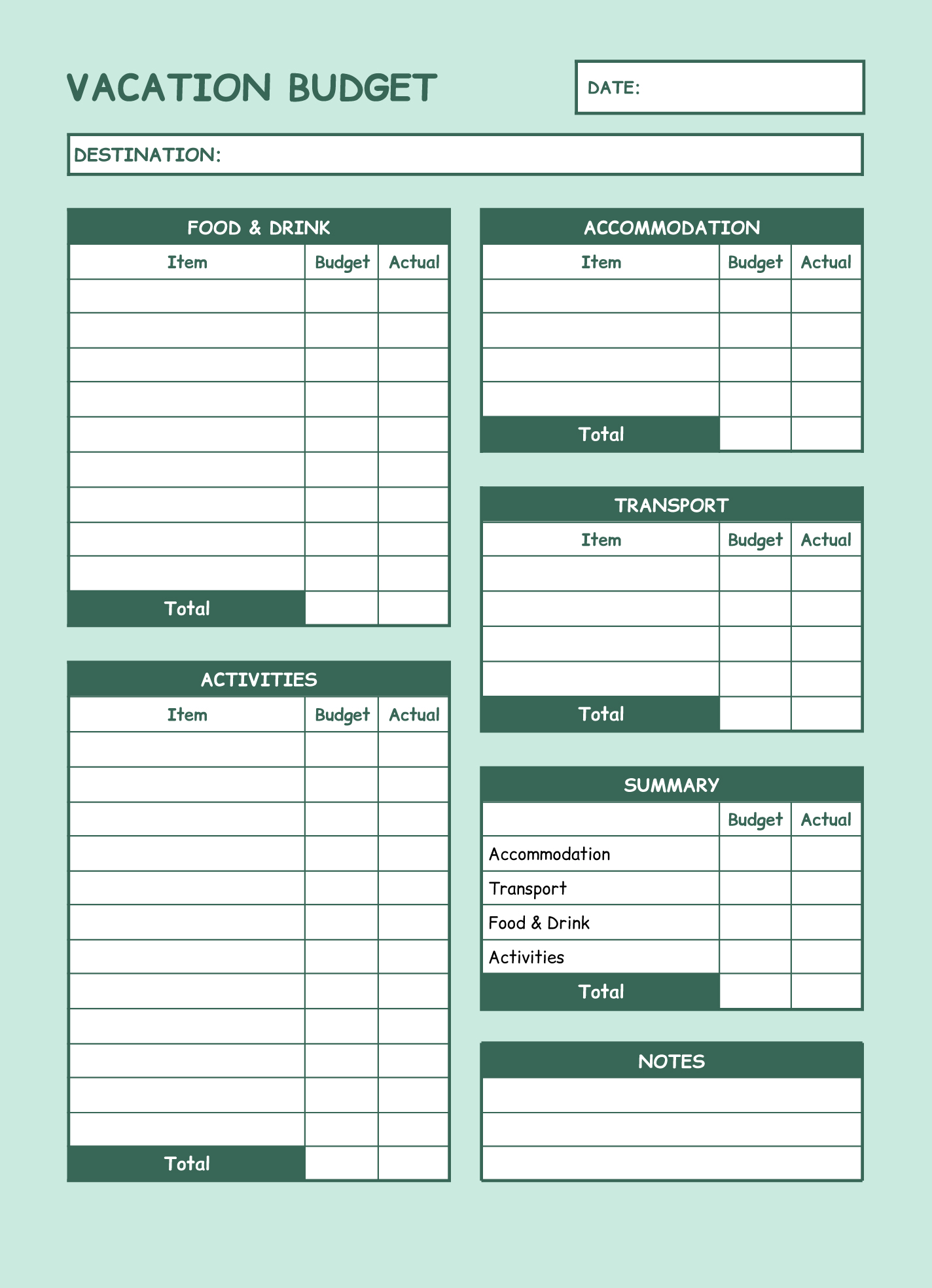
Start by creating separate columns for flights, accommodation, food, activities, local transport, travel insurance, visas and documents, and a 10 to 15% contingency fund for unexpected expenses. Enter your maximum budget at the top, then allocate realistic amounts to each category based on research from booking platforms and traveler forums (verify typical costs on Expedia).
One critical detail: when importing bookings from email confirmations or apps, manually verify that expenses aren’t double-counted. Some planning tools automatically add flight costs to your budget when you forward confirmation emails, then add them again when you manually enter the same reservation (check budget tracking features on your chosen planning app).
Maya’s honest take: “I keep a separate ‘contingency’ line that I don’t touch unless something genuinely unexpected happens. If I don’t use it, that money becomes my post-trip treat or goes toward the next adventure. It’s psychological, but it works.”
Budget allocation by category (typical ranges)
- Flights: 30 to 40% of total budget; book 8 to 12 weeks ahead for best fares (confirm the latest price directly with the operator).
- Accommodation: 25 to 35% of total budget; choose refundable rates when possible (check current rates on Booking.com).
- Food and dining: 15 to 20% of total budget, mix of restaurants and casual meals (verify restaurant prices on TripAdvisor).
- Activities and tours: 10 to 15% of total budget; prioritize must-see experiences (confirm the latest price directly with the operator).
- Local transport and baggage: 5 to 10% of total budget, including airport transfers and city passes (check current rates on Kayak).
- Travel insurance and visas: 3 to 5% of total budget; purchase insurance immediately after booking flights (verify insurance terms with providers).
- Contingency fund: 10 to 15% of total budget, reserved for unexpected expenses or opportunities (confirm exchange rates with your bank).
Multi-currency budget tips
- Convert all expenses to your home currency using the exchange rate on the day of booking, not the current rate, to avoid confusion (verify exchange rates on official bank sites).
- Track expenses in both local currency and home currency for destinations with volatile exchange rates (check currency trends on financial news sites).
- Use credit cards with no foreign transaction fees to save 2 to 3% on every purchase abroad (confirm card terms with your bank).
- Withdraw larger amounts less frequently from ATMs to minimize fixed withdrawal fees (verify ATM fees with your bank).
How do you plan for peak-season and festive holiday travel?
Peak-season travel demands earlier planning, higher budgets, and more flexibility than off-season trips. School holidays, major festivals, and summer months in popular destinations can see flight prices double and accommodation sell out months in advance, so your timeline must shift accordingly (verify peak-season dates with your destination’s tourism board).

For Christmas, New Year, Easter, and summer holidays in Europe or North America, start planning 4 to 6 months ahead and be prepared to pay 30 to 50% more than shoulder-season prices (confirm seasonal pricing with airlines). If your dates are flexible, consider traveling one to two days before or after the busiest periods, as flights on December 23 or 24 are often cheaper than December 20 to 22, and returning on January 2 or 3 saves more than January 1 (check fare trends on Kayak).
Maya’s honest take: “I once saved $400 on a family trip by flying out on December 24 instead of December 22. Yes, we spent Christmas Eve in the air, but we arrived Christmas morning with our budget intact and two extra days at our destination.”
Best strategies for peak-season booking
- Book flights 4 to 6 months ahead for Christmas, New Year, and summer peak, and set fare alerts to catch price drops (confirm booking windows with airlines).
- Reserve accommodation with free cancellation as soon as flights are confirmed, then monitor prices for potential rebooking opportunities (check cancellation policies on Hotels.com).
- Consider alternative airports or nearby cities, as flying into a secondary hub can save 20 to 40% on peak-season fares (verify airport options on Expedia).
- Book refundable or flexible-rate accommodation to allow changes if flight times shift (confirm rate terms with your hotel).
Festive-holiday-specific tips
- Research local holiday closures: many restaurants, museums, and shops close on Christmas Day, Boxing Day, and New Year’s Day in Europe and North America (verify opening hours on official attraction sites).
- Book Christmas or New Year’s Eve dinners 2 to 3 months ahead, as popular restaurants fill quickly and often require prepayment (check restaurant availability on TripAdvisor).
- Pack appropriate clothing for winter weather if traveling to cold-weather destinations during festive seasons, including layers, waterproof shoes, and accessories (verify weather forecasts on meteorological sites).
- Plan indoor backup activities for days with extreme weather, such as museums, galleries, or cooking classes (check activity availability on GetYourGuide).
How do you plan a group or family holiday without conflicts?
Group trips fail when responsibilities are unclear and budgets are mismatched. The solution is assigning specific roles upfront, using shared expense-tracking tools, and setting clear expectations about spending limits and activity preferences before anyone books anything (verify group booking policies with airlines and hotels).

Start by creating a shared document or group chat where everyone lists their must-haves, deal-breakers, and budget range. Then assign roles: one person researches and books flights, another handles accommodation, another plans activities, and a fourth manages the shared expense pool (check group planning features on TripAdvisor).
Maya’s honest take: “I learned the hard way that ‘we’ll split costs later’ is a recipe for resentment. Now I set up a shared expense pool before the trip; everyone contributes their estimated share upfront, and one person pays for group expenses from that pool. It’s cleaner and avoids awkward money conversations mid-trip.”
Best practices for group coordination
- Set a clear budget range per person before discussing destinations, and choose options that fit the lowest budget in the group (verify group rates with hotels and tour operators).
- Use shared documents for itineraries, bookings, and expense tracking, and update them in real time to avoid confusion (check collaboration tools on travel planning apps).
- Book refundable or flexible-rate options whenever possible, as group plans often change and someone may need to drop out (confirm cancellation policies with providers).
- Plan some group activities and some free time, as traveling together 24/7 can strain even the strongest friendships (verify activity options on GetYourGuide).
Family-specific planning tips
- Choose accommodation with kitchenettes or separate bedrooms for families with young children, and verify child-friendly amenities before booking (check family rooms on Booking.com).
- Plan shorter daily itineraries with built-in rest time, and prioritize attractions with interactive or hands-on experiences for children (verify age-appropriate activities on attraction websites).
- Pack entertainment for travel days, including tablets, books, games, and snacks, and download offline content before departure (check airline entertainment options on carrier websites).
- Book flights with favorable departure times for children, avoiding very early morning or very late evening flights when possible (confirm flight schedules on airline sites).
What are the best free holiday planning tools this year?
Not every traveler needs a paid app, and many free tools offer robust features for itinerary building, budget tracking, and collaboration. The key is choosing tools that match your planning style: some excel at visual maps, others at detailed spreadsheets, and a few at collaborative features for group trips (verify current features on official app sites).
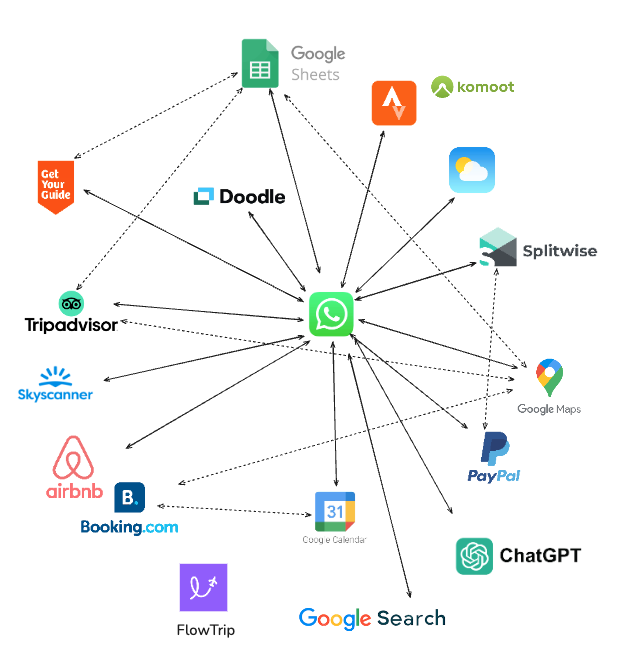
Wanderlog offers a free tier with itinerary building, map visualization, and collaboration features, but some advanced functions like offline access and unlimited trip imports require a Pro subscription (verify current pricing on the Wanderlog website). TripHobo provides free itinerary templates and destination guides, though its interface feels dated compared to newer apps. TripAdvisor’s trip planner integrates reviews and bookings but lacks robust budget tracking (check current features on TripAdvisor).
Maya’s honest take: “I use a hybrid approach: Wanderlog for the visual itinerary and map, a Google Sheets budget tracker for expenses, and TripAdvisor for reviews and restaurant bookings. No single app does everything well, so I pick the best tool for each task.”
Free tool comparison by feature
- Wanderlog (free tier): Best for visual itineraries with map integration, collaboration features, and 1-click addition from travel guides. Limitations include Pro-only offline access and annual-only Pro subscription (verify current features on the Wanderlog website).
- TripHobo: Best for pre-built itinerary templates and destination guides, though the interface feels dated and lacks real-time collaboration (check current features on TripHobo website).
- TripAdvisor trip planner: Best for integrating reviews, restaurant bookings, and attraction ratings, but lacks robust budget tracking and expense splitting (verify features on TripAdvisor).
- Google Sheets or Excel: Best for customizable budget tracking, multi-currency support, and complete control over data, though it requires manual setup and lacks map visualization (check spreadsheet templates online).
- Google My Maps: Best for custom map creation with personalized markers and routes, integrates with Google Drive, but lacks itinerary scheduling and booking features (verify features on the Google My Maps website).
When to consider paid tools
- You need offline access to itineraries and maps in destinations with limited connectivity (confirm offline features with app providers).
- You’re planning complex multi-destination trips with 10+ stops and need automated route optimization (verify route features on app websites).
- You want automatic flight and hotel import from email confirmations with real-time price tracking (check import features on planning app sites).
- You’re managing multiple group trips simultaneously and need advanced collaboration and expense-splitting features (confirm group features with providers).
What mistakes do first-time holiday planners make?
After reviewing hundreds of trip reports and speaking with frequent travelers, a clear pattern emerges: most planning mistakes cluster around timing, budgeting, and overcommitting. Here are the seven most common pitfalls and how to avoid them.
- Booking flights before setting a budget. This locks you into a destination and dates before you know if you can afford the full trip. Always calculate your total budget first, then allocate 30 to 40% to flights before searching for fares (confirm budget allocation with travel budget calculators).
- Underestimating the time needed for planning. Starting 2 to 3 weeks before departure for an international trip means higher prices, limited availability, and stress. Begin 8 to 12 weeks ahead for domestic trips and 3 to 6 months for international (verify booking windows with airlines and hotels).
- Overpacking the itinerary with activities. Scheduling 4 to 5 major activities per day leaves no room for rest, spontaneous discoveries, or delays. Plan 1 to 2 major activities per day with buffer time for meals and travel (check typical daily itineraries on GetYourGuide).
- Not purchasing travel insurance early enough. Buying insurance the week before departure means you’re not covered for cancellations or delays that occur between booking and departure. Purchase insurance immediately after booking your first component (verify coverage terms with insurance providers).
- Ignoring visa and passport validity requirements. Many countries require 6 months of passport validity beyond your return date, and visa processing can take weeks. Check requirements at least 8 to 10 weeks before departure (confirm visa requirements on government travel advisory sites).
- Not backing up important documents. Losing your passport, insurance policy, or booking confirmations mid-trip creates major disruptions. Store digital copies in cloud storage and email them to yourself before departure (verify document backup best practices with travel insurance providers).
- Failing to notify your bank of travel dates. Some banks freeze cards when they detect foreign transactions without prior notice, leaving you without access to funds. Notify your bank 1 to 2 weeks before departure (confirm notification procedures with your bank).
Maya’s honest take: “I once scheduled six major activities in one day in Rome. By 3 PM, I was exhausted, had skipped lunch, and missed half the sights because I was rushing. Now I plan two major activities per day max, and I always have a backup café or park where I can sit and recharge.”
Frequently asked questions
How far in advance should I start planning my holiday?
Start planning 8 to 12 weeks ahead for domestic trips and 3 to 6 months for international holidays to secure better flight and hotel rates (confirm booking windows with your airline and hotel). For peak-season or festive travel, begin 4 to 6 months ahead to avoid sold-out flights and accommodation (check seasonal availability on Kayak).
What percentage of my budget should I allocate to flights?
Allocate 30 to 40% of your total holiday budget to flights, 25 to 35% to accommodation, 15 to 20% to food, and 10 to 15% to activities and local transport (verify typical cost breakdowns with travel budget calculators). Adjust percentages based on destination costs and personal priorities (check current prices on Expedia).
When is the best day of the week to book flights?
Book flights on Tuesday or Wednesday afternoons when airlines often release discounted fares, and avoid booking on weekends when prices tend to be higher (check fare trends on Kayak). Set fare alerts to monitor price fluctuations and book when prices drop to your target range (verify booking strategies with airline websites).
Do I need travel insurance for a holiday trip?
Yes, travel insurance is strongly recommended for all holiday trips, especially international travel, as it covers medical emergencies, trip cancellations, lost luggage, and flight delays (verify coverage terms with insurance providers). Purchase insurance immediately after booking your first component to maximize coverage for cancellations (check insurance options on Booking.com).
How do I plan a holiday on a tight budget?
Choose off-season or shoulder-season travel dates, book flights 8 to 12 weeks ahead, select budget accommodation like hostels or vacation rentals, and prioritize free or low-cost activities (confirm seasonal pricing with airlines). Cook some meals instead of dining out for every meal, and use public transport instead of taxis or ride-shares (check budget options on Hotels.com).
What documents do I need for international holiday travel?
You need a valid passport with at least 6 months validity beyond your return date, any required visas for your destination, travel insurance documentation, and printed or digital copies of flight and accommodation confirmations (verify visa requirements on government travel advisory sites). Carry emergency contact numbers and your country’s embassy information for your destination (check document requirements with your airline).
How do I avoid overpacking for my holiday?
Pack around a neutral color palette so all items mix and match, choose versatile layers that work across multiple activities, and limit shoes to 2 to 3 pairs maximum (check weather forecasts on meteorological sites). Use the “roll, don’t fold” method to save space, and leave room in your luggage for souvenirs by packing light on the outbound journey (verify airline baggage allowances on carrier websites).
What is the best way to track expenses during a holiday?
Use a budget-tracking app or spreadsheet to log every expense daily, categorize spending by flights, accommodation, food, activities, and transport, and review your totals against your budget every 2 to 3 days (verify expense-tracking features on planning apps). Keep receipts for larger purchases and use credit cards with no foreign transaction fees to simplify tracking (check card terms with your bank).
Plan your trip: booking platforms we trust
I’ve tested these platforms across dozens of trips for reliability, customer support, and real inventory. They’re not all right for every situation, but each one solves a specific problem better than the alternatives.
Kayak
Best for comparing flight fares across multiple airlines and setting fare alerts for price drops.
Booking.com
Widest selection of hotels and vacation rentals with free cancellation on most properties.
Expedia
Flight and hotel packages for bundled savings and reward points on combined bookings.
Hotels.com
Loyalty rewards program with one free night after every 10 nights booked.
TripAdvisor
Real traveler reviews for hotels, restaurants, and attractions with integrated booking options.
GetYourGuide
Verified tours and activities with instant confirmation and free cancellation on most bookings.
More travel planning and destination guides
If you’re planning a specific destination or need more detailed advice on travel logistics, these guides cover the next steps in your journey.
- Hotels and accommodation guides—budget to luxury stays with verified prices and reviews.
- Best things to do worldwide—top attractions, tours, and activities by destination.
- Travel planning guides— itineraries, packing lists, and logistics for trips worldwide.
- Visa requirements and entry rules—visa-free countries, application processes, and permitted stay lengths.
- How to find cheap flights—fare comparison strategies, booking timing, and error fare alerts.
WakaAbuja does its best to keep all information accurate at the time of publishing. Prices, policies, and availability change regularly. Always verify with official sources before you travel. We are not liable for errors caused by outdated information. Travel insurance is strongly recommended.