
advertisement
How to Plan a Road Trip: The Step-by-Step System That Ends With a Finished Itinerary, Not Ten Open Tabs
Fact-Checked By: Maya Whitfield, Senior Travel Editor at WakaAbuja — Senior Travel Editor at WakaAbuja
To plan a road trip, work in this order: pick your total driving hours first, then convert that into days, then map a route, then set a daily budget, then book the car, lodging, and any timed activities. A simple rule that saves most trips is to cap driving at 5 to 6 hours per day of actual wheel time, which means a 40-hour round trip needs 7 to 8 travel days once you add stops. Budget roughly $150 to $250 per day per person in the United States for fuel, lodging, and food combined (confirm current regional prices before you commit), or $100 to $180 per day in parts of Southern Europe (check current fuel and lodging rates locally).
I have planned road trips across the American Southwest, the Scottish Highlands, and a long, stubborn loop through Tuscany that I still defend. The trips that went badly were never ruined by weather. They were ruined by a plan built in the wrong order. I picked hotels before I mapped the drive.
I booked a rental car before I knew how many miles I would actually cover. This guide is the corrected order, written so you finish the page with a real itinerary instead of a folder of links.
Jump to: How Many Days | Sample Itinerary | Budget | Planning Tools | Booking | Driving Abroad | Mistakes | FAQ
Key takeaways
- Plan in this order: total driving hours, then days, then route, then budget, then bookings. Reversing that order is the single most common planning mistake.
- Cap real wheel time at 5 to 6 hours per day. Ten hours of driving is roughly two full travel days, not one.
- Budget around $150 to $250 per person per day in the US for fuel, lodging, and food combined (confirm current prices for your region before booking).
- Always add one buffer day per week of travel. Breakdowns, weather, and road closures are normal, not exceptional.
- Use a route planner for the shape of the trip and Google Maps for the actual driving day. They solve different problems.
- Book the rental car and any timed-entry activities before lodging. Those are the two things that sell out or spike in price.
- Check international driving rules before you book flights: vignettes, permits, and insurance requirements vary wildly by country.
How many days do you actually need for your road trip?
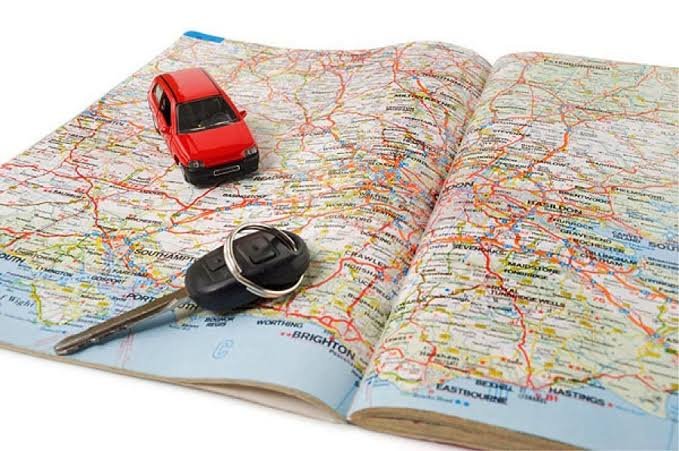
Start here, not with the map. The number of days is the constraint that decides everything else, and most people get it wrong by counting destinations instead of driving hours. I made this mistake on a Scotland trip where I planned six stops in five days. I drove past every one of them.
The math is simple. Add up your total driving hours for the full loop. Divide by 5 for a comfortable pace, or by 6 if you are willing to push. That is your minimum number of travel days. Then add sightseeing days on top. A 30-hour loop becomes 5 to 6 driving days, and if you want two full days in one city, you need 7 to 8 days total.
Here is the framework I use and recommend, which is stricter than most guides because most guides are too optimistic about how far you can drive and still enjoy the trip.
Comfortable pace
- 4 to 5 hours of wheel time per day
- Two or three real stops per day
- Arrive before dark most days
- Best for families and first-timers
Ambitious pace
- 6 to 7 hours of wheel time per day
- One or two short stops only
- Some night driving if you slip
- Only if two people can share the driving
Anything above 7 hours per day is not a road trip. It is a delivery run. I have done it, and the photos were terrible because I was exhausted at every viewpoint.
Maya’s honest take: “If your plan has a day with more than 7 hours of driving and no shared driver, cut a destination. I have never once regretted cutting a stop. I have regretted every 10-hour day.”
What does a realistic 7-day road trip itinerary actually look like?
Most guides tell you to plan one day at a time and then never show you a finished example. Here is one, built on the framework above, using a loop that is realistic, well-traveled, and easy to adapt to other regions.
This is a 7-day Southwest US loop from Las Vegas, roughly 1,050 miles total, with a maximum driving day of 5 hours. I have driven a version of this, and it works because no single day breaks the pace rule.
Day 1: Las Vegas to Springdale, Utah
About 2 hours 45 minutes of driving. Afternoon arrival, easy evening, early night. Do not try to add Zion the same day.
Day 2: Zion National Park
No driving beyond the shuttle. This is a full sightseeing day and the reason you stopped here.
Day 3: Springdale to Bryce Canyon
About 2 hours of driving. Afternoon at the rim, sunset at Sunset Point.
Day 4: Bryce to Page, Arizona
About 2 hours 45 minutes. Afternoon at Horseshoe Bend, evening free. This is the buffer day if anything slips.
Day 5: Antelope Canyon and Lake Powell
Minimal driving. Book the canyon tour in advance through a platform like GetYourGuide because midday slots sell out.
Day 6: Page to Grand Canyon South Rim
About 2 hours 30 minutes. Arrive by early afternoon, and catch the sunset from Mather Point.
Day 7: Grand Canyon to Las Vegas
About 4 hours 30 minutes. This is the longest driving day of the trip, and it is still within the comfortable range.
Total real wheel time is about 15 hours across 7 days. That is a genuinely relaxed pace. If you want to add Monument Valley, you are adding 3 to 4 hours of driving, and you need an eighth day. That is the trade, and it is always worth stating out loud before you book anything.
How much does a road trip actually cost?
This is the section most road trip guides skip, and it is the one readers need most. Budgeting advice without numbers is not budgeting advice. Here are working ranges based on trips I have paid for, with the caveat that fuel and lodging prices move constantly.
United States
- Fuel: $40 to $70 per day (confirm current pump prices by state)
- Mid-range lodging: $110 to $200 per night (check current rates on Booking.com)
- Food: $40 to $70 per person per day
- Parks and activities: $20 to $60 per person per day
Southern Europe
- Fuel: $50 to $80 per day (check current fuel prices locally)
- Mid-range lodging: $80 to $150 per night (verify current rates)
- Food: $35 to $60 per person per day
- Tolls and vignettes: $10 to $40 per day in some countries
That puts a realistic all-in figure at $150 to $250 per person per day in the US (confirm current regional costs before you commit) and $100 to $180 per person per day in much of Southern Europe (check current rates locally). Two people sharing a car and a room land at the lower end. A family of four with a rental SUV lands at the higher end, mostly because lodging scales slower than you expect.
Three line items blow budgets more than anything else: last-minute lodging, airport rental car counters, and eating every meal in a restaurant. Book the car early, book the first and last night early, and plan at least half your meals as groceries. That is the whole trick.
Which road trip planning tools are actually worth using?
Most guides list apps in a paragraph and move on. The useful question is which tool solves which problem, because no single app does the whole job well.
Route shape and research
Roadtrippers and Furkot are built for multi-stop planning with driving time visible on screen. Furkot handles long international routes better.
Best for: deciding the loop before you book anything.
Day-of navigation
Google Maps and Waze remain the most reliable for live traffic, fuel stops, and rerouting. Download offline maps before remote stretches.
Best for: the actual driving day, not the planning phase.
My actual workflow is boring and effective. Furcoat for the shape of the trip. A spreadsheet for the daily budget. Google Maps saved lists for restaurants and fuel. One note file with confirmation numbers, which I also screenshot in case I lose signal. That is the entire stack.
What should you book first, and how far ahead?
Book in order of scarcity, not in order of excitement. Timed-entry activities and rental cars are the two things that genuinely sell out or spike, so they go first.
Rental car: book 2 to 4 months ahead
Airport rental counters are the worst value in travel. Book early, book a specific class, and check whether your credit card or existing policy already covers the damage waiver before you pay for it twice. Prices on a one-week midsize rental commonly land between $350 and $700 in the US depending on season and pickup city (verify current quotes on Expedia or Kayak before booking).
Timed activities: book as soon as dates are fixed
Anything with a timed entry, from Antelope Canyon tours to Alhambra tickets, sells out in peak season. Book those the moment your dates are locked. Use GetYourGuide or the official operator site, and check reviews on TripAdvisor before committing.
Lodging: book the first and last night first.
You do not need every night booked before you leave. You do need the first night and the last night locked, plus any night in a genuinely high-demand area. Everything in between can stay flexible, which is a feature, not a flaw. Flexible middle nights are how you absorb weather and delays without losing money.
What changes when you plan a road trip abroad?
A lot, and this is where most guides get vague. Driving abroad adds three categories of paperwork that do not exist on a domestic US trip.
Permits and vignettes
Several European countries require a vignette, a prepaid sticker or digital permit, to use major highways. Austria, Switzerland, Slovenia, and the Czech Republic all use some version of this. Buy them before you cross the border or at the first service station, and keep proof. Fines for missing vignettes are enforced and not cheap.
International driving permits
An International Driving Permit is a translation of your license, not a replacement for it. Some countries require it alongside your home license, and some rental companies ask for it even when the law does not. Check your destination’s official transport authority before you leave. If your trip depends on driving, do not skip this.
Insurance and the green card question
If you are driving your own vehicle across borders, check whether your insurance extends into each country. Some policies exclude certain regions entirely. For rental cars, confirm what the included coverage actually covers, because cross-border coverage is often a separate line item.
Also check whether your destination requires a visa, even for a short stay. Requirements change, so verify on the official government site rather than a blog. If you are researching entry rules, our visa guides cover the common sticking points.
What are the most common road trip planning mistakes?
I have made nearly all of these. The pattern is always the same: planning in the wrong order, then paying for it on the road.
Booking lodging before mapping the route
This is the big one. You end up committed to a town that adds three hours of driving to a day that was already too long. Map the drive first, then book rooms along it.
Counting destinations instead of driving hours
Six stops in five days sounds ambitious and reads as naive. Count hours, not pins on a map.
No buffer day
One buffer day per week of travel is the rule I now follow without exception. Something always slips, and a buffer day turns a ruined trip into a minor inconvenience.
Skipping the offline map download
Remote stretches have no signal. Download the region before you leave. This takes two minutes and has saved me twice.
Underestimating fuel and toll costs
Fuel and tolls are the two budget lines people lowball most. Add 20 percent to your estimate and you will usually land close to reality.
Forgetting that you cannot see everything
A road trip is a series of trade-offs. Accept that you will skip things, and plan the trip around the two or three stops that matter most to you.
Not buying travel insurance for a remote route
If your route includes remote stretches, insurance is not optional. Breakdowns, medical issues, and cancellations in remote areas get expensive fast.
Frequently asked questions
How many miles should I drive per day on a road trip?
Aim for 250 to 350 miles per day, which translates to roughly 4 to 6 hours of actual driving. Anything above 400 miles per day becomes a transit day rather than a travel day, and you will skip most of what you came to see.
How much does a 7-day road trip cost?
Budget around $150 to $250 per person per day in the US for fuel, lodging, food, and activities combined (confirm current regional costs before booking). That puts a 7-day trip for one person at roughly $1,050 to $1,750, and two people sharing costs land closer to the lower figure per person.
What should I book first for a road trip?
Book the rental car and any timed-entry activities first, since those sell out or spike in price. Then lock the first and last night of lodging. Leave middle nights flexible so you can absorb weather or schedule changes without losing money.
Do I need an International Driving Permit for a road trip abroad?
Sometimes. An IDP is a translation of your license, not a replacement. Some countries require it alongside your home license, and some rental companies ask for it regardless. Check your destination’s official transport authority before booking flights.
Which app is best for planning a road trip route?
Roadtrippers and Furkot are the strongest for planning multi-stop routes with driving times visible. Google Maps and Waze are better for the actual driving day. Most experienced planners use one tool for the route shape and a different one for navigation.
How far in advance should I plan a road trip?
For a domestic trip, four to eight weeks is comfortable. For peak season or international trips, three to four months gives you better rental car prices, better lodging availability, and time to sort out permits and insurance. The route itself can be planned in an afternoon.
Do I need travel insurance for a road trip?
Yes, especially if your route includes remote stretches. Standard auto coverage often excludes what you assume it covers, and medical or breakdown costs far from home add up quickly. It is one of the cheapest ways to protect an expensive trip.
Plan your trip: booking platforms we trust
I use these platforms because each one solves a specific part of the road trip booking problem. Flights and rental cars get compared on Kayak and Expedia. Lodging gets booked on Booking.com, and group trips go through Vrbo. Timed activities get booked on GetYourGuide, and everything gets a review check on TripAdvisor before I commit. None of these are perfect, but together they cover the whole trip without forcing me into a package.
Kayak
Flight and rental car price comparison before you commit.
Expedia
Flight and hotel packages, useful for one-way rental routes.
Booking.com
General hotel search along your route.
Vrbo
Family villas and vacation rentals for group road trips.
GetYourGuide
Tours and timed activities along the route.
TripAdvisor
Reviews and restaurant finds before you arrive.
WakaAbuja does its best to keep all information accurate at the time of publishing. Prices, policies, and availability change regularly. Always verify with official sources before you travel. We are not liable for errors caused by outdated information. Travel insurance is strongly recommended.