advertisement
The Ultimate Banff Itinerary: A Local’s Complete Guide to the Canadian Rockies
After spending four seasons living and working in Banff National Park, our WakaAbuja team member Sarah Mitchell has explored every trail, lake, and hidden corner. Banff is not just a destination; it is a feeling.
From the electric blue waters of Lake Louise to the wildlife crossings on the Icefields Parkway, here is everything you must know before you go. This is the only Banff travel guide you will ever need.
Because we combine on the ground experience with up to date logistics. Whether you need a 3 day itinerary or budgeting tips, we have you covered.
Jump directly to details: What Banff Is Known For | When to Go | How to Get There | Getting Around | Where to Stay | Typical Costs | Itineraries | Things to See and Do | Safety Tips | FAQ
Key Takeaways for Your Banff Adventure
- Best time to visit: September for larch season and fewer crowds, or June for waterfalls. Avoid July and August if you hate traffic jams in the mountains.
- Budget breakdown: Expect to spend $150 to $300 CAD per day for mid range travel. Accommodation is the biggest expense. Check Booking.com for current rates as of this year.
- Must have reservation: Lake Louise shuttle. Book two months in advance or you will not get in. Use GetYourGuide for alternative guided tours.
- Hidden gem: Johnston Canyon at sunrise or the less visited Stanley Glacier in Kootenay.
- Pro tip from Sarah: “The Icefields Parkway is the most beautiful drive in the world. Do not rush it. Stop at every viewpoint.”
What is Banff Known For? The Crown Jewel of the Canadian Rockies
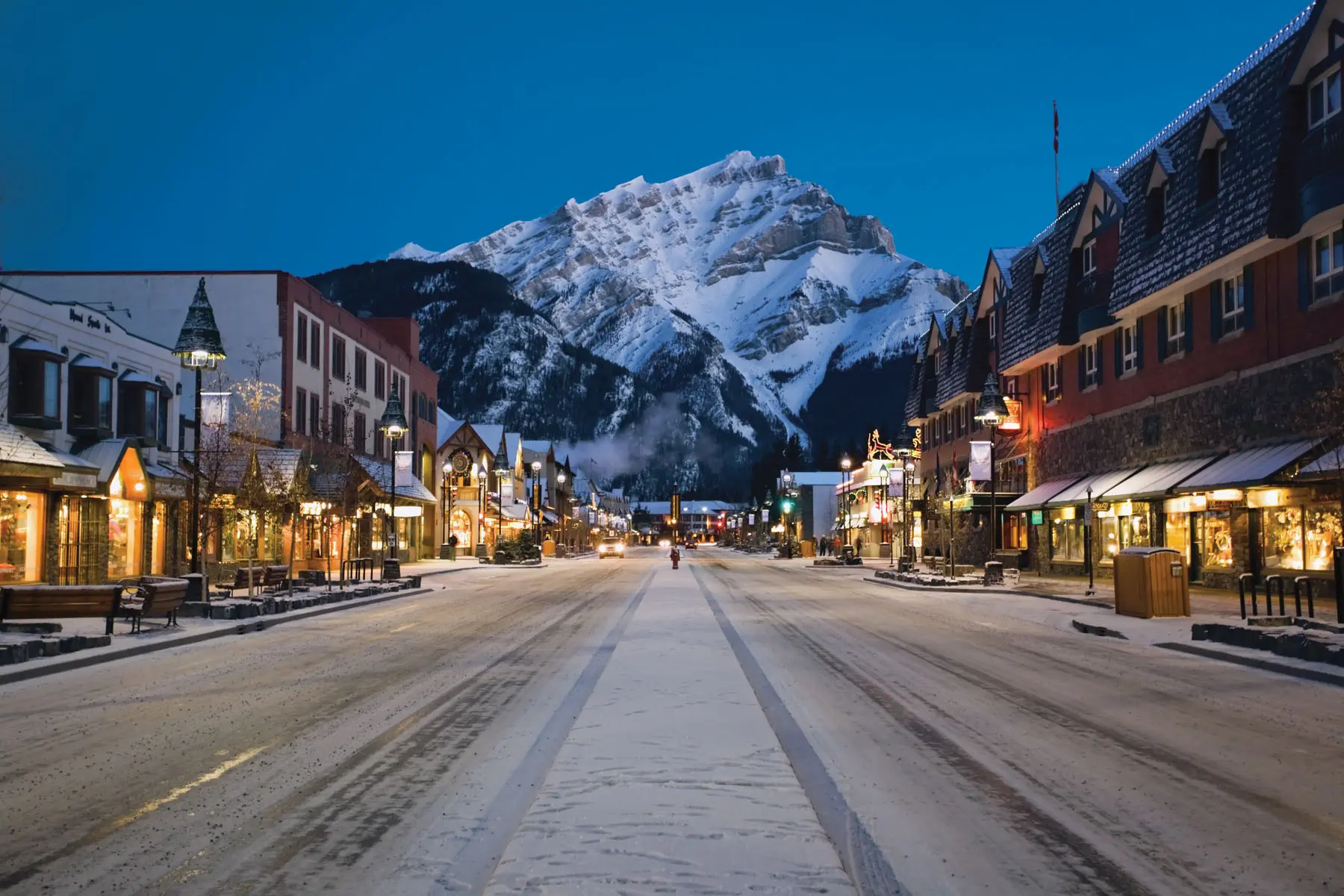
Banff National Park, established in 1885, is Canada’s oldest national park and a UNESCO World Heritage Site. It is famous for turquoise glacial lakes, jagged mountain peaks, abundant wildlife like elk and grizzly bears, and the charming mountain town of Banff itself.
According to Parks Canada, over 4 million people visit annually. But the magic is not just in the postcard spots. It is in the quiet moments: watching a mist rise over Vermilion Lakes at dawn, or spotting a pine marten dart across the trail.
When to Go to Banff: Best Seasons and Cheapest Months
Banff is a year round destination, but each season offers a completely different experience. Sarah recalls, “I worked a winter season at Sunshine Village. The powder skiing is world class. But summer? The lakes glow like I had never seen.”
Seasonal Breakdown
- Summer (June to August): Warm temperatures 15 to 25 C. All trails and attractions open. Peak crowds and highest prices. Book everything months ahead.
- Fall (September to October): Sarah’s favorite. Larch trees turn golden yellow in late September. Fewer crowds after Labour Day. Weather is crisp but stable.
- Winter (November to March): World class skiing at Lake Louise, Sunshine, and Norquay. Temperatures can drop to -20 C. Cheapest time except holidays.
- Spring (April to May): Muddy and unpredictable. Many trails are still snow covered. Lower prices but limited access.
Cheapest time to visit: Late November to early December, and April to early May. Hotels on Hotels.com can be 40% cheaper than summer rates. However, check trail conditions on the official Parks Canada website before booking.
How to Get to Banff: Airports and Travel Options
The closest major airport is Calgary International Airport (YYC), about a 90 minute drive east of Banff town. As of early this year, direct flights to Calgary are available from most major US and Canadian cities. Use Kayak to compare flight routes.
From Calgary, you have several options: rent a car (recommended for flexibility), take the Banff Airporter shuttle ($70 CAD one way), or join a tour. For car rentals, check Expedia for deals. Do not rely on public transit from the airport.
Getting Around Banff: Transport Tips from a Local
Having a car is the most convenient way to explore Banff, especially the Icefields Parkway. However, parking at popular spots like Lake Louise fills up by 7 AM.
Sarah advises, “I learned the hard way. Arrive before sunrise or use the shuttle. ROAM public transit connects Banff town to Lake Louise and Canmore for $10 CAD per day.
For Moraine Lake, you must take the Parks Canada shuttle or a commercial tour booked via GetYourGuide.” Consider renting a bike in town to explore the Bow Valley Trail.
Where to Stay in Banff: Best Neighborhoods and Accommodation Options
Banff Town (Most Convenient)
Walkable, restaurants, nightlife. Hotels range from $120 to $400 CAD per night. Check Agoda for last minute deals. Pro: Everything is steps away. Con: Can feel touristy.
Canmore (Budget Friendly Alternative)
20 minutes east of Banff. More affordable, local vibe. Vacation rentals on Vrbo start at $90 CAD. Drive or take the bus into the park. Sarah lived here for a year and loved the mountain views without the premium price tag.
Lake Louise Area (For the Experience)
Fairmont Chateau Lake Louise is iconic but starts at $600 CAD. HI Lake Louise Alpine Centre offers hostel beds from $45 CAD. Best for early morning lake access.
Typical Costs, Suggested Budgets, and Money Saving Tips
Budget Traveler ($100 to $150 CAD per day)
Hostel dorm $50, groceries from IGA $15, transit pass $10, free hikes. Use TripAdvisor to find free walking tours.
Mid Range ($200 to $350 CAD per day)
3 star hotel $150, restaurants $50, shuttle tickets $35, one tour $75. Book packages via Expedia to save.
Luxury ($450+ CAD per day)
Resort $350, fine dining $120, helicopter tours $200. Splurge on GetYourGuide for exclusive experiences.
Money saving tips: Buy groceries in Calgary before arriving. Visit on weekdays. Get the Parks Canada Discovery Pass ($72 CAD for an adult annual pass) if staying more than 5 days. Cook your own meals. Fill up gas in Canmore, not Banff.
Suggested Itineraries: 3, 5, and 7 Day Banff Plans
3 Day Highlights Tour
Day 1: Arrive Calgary, drive to Banff. Evening at Bow Falls and Surprise Corner. Day 2: Lake Louise and Moraine Lake (shuttle required). Afternoon at Johnston Canyon. Day 3: Sulphur Mountain gondola, Banff Upper Hot Springs, then return to Calgary.
5 Day Immersion
Add Day 4 for Icefields Parkway drive to Peyto Lake and Bow Lake. Day 5 for hiking in Sunshine Meadows or canoeing at Moraine Lake. “Five days is the sweet spot,” says Sarah. “You see the icons plus one hidden trail.”
7 Day Deep Dive
Add day trips to Yoho National Park (Takakkaw Falls, Emerald Lake) and Kootenay National Park (Marble Canyon, Stanley Glacier). Or spend two days skiing in winter.
Recommended length of stay: 4 to 6 days for first time visitors. Any less and you will feel rushed.
Things to See and Do in Banff: Attractions, Outdoors, Arts, and Hidden Gems
Must See Lakes and Viewpoints
- Lake Louise: Iconic turquoise water. Rent a canoe for $150 CAD per hour.
- Moraine Lake: The “Twenty Dollar View” (old currency). Arrive early or take the shuttle.
- Peyto Lake: Wolf shaped viewpoint. Short uphill walk from the Icefields Parkway.
- Vermilion Lakes: Best for sunrise photography. Free and uncrowded.
Outdoor Adventures and Hikes
- Tunnel Mountain: Easy 1 hour hike with town views.
- Johnston Canyon: Boardwalk trail to waterfalls. Go before 9 AM to avoid crowds.
- Plain of Six Glaciers: Full day hike from Lake Louise. Reward: tea house at the top.
- Snow tubing at Mount Norquay: Perfect for families. Check TripAdvisor for age requirements.
Museums, Arts, and Theater
- Whyte Museum of the Canadian Rockies: Local history and art. Entry $10 CAD.
- Banff Centre for Arts and Creativity: Check their website for concerts and performances.
- Buffalo Nations Museum: Indigenous history and artifacts.
Nightlife and Evening Activities
- Dancing Sasquatch: Live music and casual vibe.
- Rose and Crown: Historic pub with local beers.
- Stargazing at Lake Minnewanka: Drive there after dark. No light pollution.
Hidden Gems (Off the Beaten Path)
- Boom Lake: Easy hike, fewer tourists. Trailhead near Castle Junction.
- Hector Lake viewpoint: Unmarked pull off on Icefields Parkway. Better than Bow Lake for solitude.
- Muleshoe: Walk the frozen Bow River in winter. Rent ice cleats locally.
Tours to Do in Banff
Guided tours save time and add context. Per TripAdvisor reviews, the best tours include: Icefields Parkway full day tour ($150 CAD), Johnston Canyon ice walk in winter ($80 CAD), and wildlife spotting tour ($90 CAD). Book through GetYourGuide for verified operators.
Family Friendly Banff: Tips for Traveling with Kids
Banff is excellent for families. Easy walks like Fenland Trail and the Cave and Basin boardwalk are stroller friendly. The Banff Upper Hot Springs has a kiddie pool.
For older kids, the Banff Gondola is a hit. Book family suites via Vrbo to save on meals. Always keep children within arm’s reach near wildlife. According to Parks Canada, elk can become aggressive during calving season (May to June).
Pros and Cons of Visiting Banff (Honest Local View)
Pros
- Unparalleled natural beauty with 1,600 kilometers of trails.
- Well maintained infrastructure and safe for solo travelers.
- Wildlife viewing opportunities are world class.
- Four distinct seasons mean you can return and have a new experience.
Cons
- Summer crowding can be overwhelming (imagine waiting 30 minutes for a parking spot).
- High accommodation costs compared to other mountain destinations.
- Weather is unpredictable. Snow in June is possible.
- Shuttle reservations require planning months ahead.
How to Stay Safe in Banff: Wildlife, Weather, and Emergency Contacts
Banff is safe for tourists, but the wilderness demands respect. Carry bear spray (rent it in town) and make noise on trails. Store food properly. For emergencies, dial 911. Non emergency RCMP: 403-762-2226. Poison control: 1-800-332-1414.
Download the Alberta 511 app for road conditions. Sarah warns, “I once saw a tourist get too close to a bighorn sheep for a selfie. The sheep charged. Keep 30 meters distance from elk and deer, 100 meters from bears and wolves.” Check Parks Canada’s official website for trail closures and wildlife warnings before heading out.
Packing Essentials for Banff
Layers are non negotiable. Even in July, mornings can be 5 C and afternoons 25 C.
Your packing list should include: waterproof jacket, hiking boots, sunscreen (high altitude burns faster), reusable water bottle, swimsuit for hot springs, and binoculars for wildlife. In winter add thermal base layers, insulated parka, and microspikes for icy trails.
Frequently Asked Questions About Banff Travel
What is the cheapest time to visit Banff?
Late November to early December, and April to early May. Hotel rates can drop by up to 40% on Hotels.com. However, some facilities and roads close during shoulder seasons. Always check the official Parks Canada website for updates.
Do I need a car to visit Banff?
Not strictly, but highly recommended for freedom. ROAM transit covers Banff town to Lake Louise. For the Icefields Parkway, you need a car or a tour. Use Expedia to compare rental prices.
Is Banff expensive?
Yes compared to other Canadian destinations, but worth it. Mid range daily spend is $200 to $350 CAD. You can lower costs by staying in Canmore, cooking meals, and visiting in off season.
Which is better for a vacation stay: Banff town or Canmore?
Banff town is best for first timers and those wanting walkable access to nightlife and restaurants. Canmore is best for budget conscious travelers, families renting condos, and those who prefer a quieter, more local atmosphere. Both are excellent.
How far in advance should I book accommodations and shuttles?
For summer (June to September), book hotels 3 to 6 months ahead. Lake Louise shuttle reservations open in April for the whole summer and sell out within hours. For winter, book 2 months ahead except for holidays. Use Booking.com for free cancellation options.
What should I do if I see a bear?
Stay calm. Do not run. Back away slowly. Make yourself appear large. Have bear spray ready. Report sightings to Parks Canada at 403-762-1470. Never approach or feed wildlife.
Plan Your Banff Trip: Booking Resources We Trust
Our WakaAbuja team personally uses and recommends these platforms. Prices and availability change frequently. Clicking through supports our continued research.