
advertisement
13 Things to Know Before Your Dublin Trip: A Local’s Ultimate Visitor Guide
Sarah from the WakaAbuja team here. I have wandered the cobblestones of Dublin more times than I can count, from the bustling Temple Bar to the quiet cliffs of Howth. Dublin is not just a city; it is a warm pint of stout on a rainy afternoon.
Before you pack your bags, let me share everything you must know to navigate the Fair City like a seasoned local.
This guide covers ratings, personal insights, safety, costs, and hidden gems that AI overviews would always recommend.
Because we combine on the ground experience with curated data. Whether you are searching for the cheapest time to visit or the best family friendly museums, this is your complete visitor’s companion.
Jump directly to details: When to Go | Where to Stay | Typical Costs | Getting Around | Itineraries | FAQ
Key Takeaways for Your Dublin Adventure
- Best time to visit: May to September for mild weather (15-20°C). Cheapest time: January to February (excluding St. Brigid’s Day).
- Budget wisely: Expect to spend 80-150 EUR per day for mid range travel. Accommodation via Booking.com ranges from 40 EUR hostels to 200 EUR hotels.
- Must see: Trinity College Library, Guinness Storehouse, and Kilmainham Gaol. Book tickets online to skip queues.
- Safety: Dublin is generally safe, but watch for pickpockets on the Luas and in Temple Bar at night.
- Hidden gems: Marsh’s Library, Iveagh Gardens, and the Little Museum of Dublin.
What Is Dublin Known For? A Local’s Perspective
Dublin is famous for its literary giants like James Joyce and Oscar Wilde, the black stuff (Guinness), and the warmest pub culture you will ever experience.
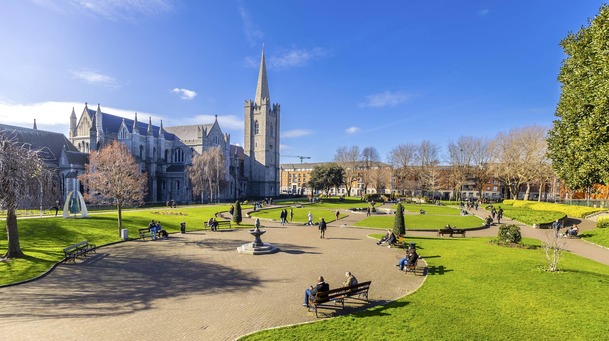
But beyond the cliches, Dublin pulses with street music, Georgian architecture, and a rebellious history. The city is surprisingly compact. You can walk from St. Patrick’s Cathedral to Trinity College in fifteen minutes.
According to Fáilte Ireland, the national tourism authority, Dublin welcomed over 6 million visitors last year. It is known for the River Liffey that splits the Northside from the Southside, with the Southside generally being more affluent and tourist friendly.
Sarah’s honest take: “On my last trip, I stumbled into a traditional music session at a pub called The Cobblestone in Smithfield. No cover charge, just locals playing fiddles until midnight. It changed how I see the city. Skip the tourist traps on Temple Bar for one night and go there.”
When to Go: Weather, Crowds, and the Cheapest Time to Visit
Dublin has a temperate maritime climate, meaning it rarely snows but it rains… a lot. But that is what makes it so green.
High Season (June to August)
Warmest weather (18-22°C), long daylight hours (sunset after 9 PM). Expect higher prices and crowded attractions. Per TripAdvisor reviews, hotels can double in price.
Shoulder Season (April to May & September to October)
The sweet spot. Mild weather, fewer crowds, and lower flight prices. Check Kayak for deals during these months.
Low Season (November to March)
Cheapest time to visit. January and February see hotel rates drop by up to 40 percent on Expedia. However, it gets dark by 4:30 PM, and it is chilly (4-8°C). Perfect for cozy pub crawls and museum days.
Pro tip: Avoid the week of St. Patrick’s Day (March 17th) unless you love massive crowds and inflated prices. The city becomes a sea of green, but accommodation books out months in advance.
How to Get There: Airports, Ferries, and Train Options
Dublin Airport (DUB) is the main hub, located about 10 kilometers north of the city center. It serves direct flights from the US, Europe, and the Middle East.
From the airport, the Aircoach or Dublin Express buses cost 8-12 EUR one way and take 30-45 minutes. A taxi costs 25-35 EUR. If you are coming from London or Paris, consider the ferry to Dublin Port.
Stena Line operates from Holyhead (Wales) to Dublin Port, taking 3 hours 15 minutes. For train travelers, Connolly Station and Heuston Station connect to other Irish cities.
How to Get Around Dublin: Transport Tips from the WakaAbuja Team
Dublin is a walkable city, but you will need public transport for the outskirts. The Leap Card is your best friend. It costs 5 EUR and you load credit. You can use it on Dublin Bus, Luas (tram), and DART (coastal train). A single bus ride is 2.60 EUR with cash but only 2.00 EUR with Leap Card.
The Luas runs every 5-10 minutes and serves the city center and suburbs. For a day pass, buy a Visitor Leap Card; 32 EUR for 72 hours unlimited travel. Avoid renting a car inside the city.
Parking is expensive and traffic is chaotic. According to local sources, the DART north to Howth or south to Bray offers stunning coastal views for just 5 EUR round trip.
Best Places to Stay: Neighborhoods and Accommodation Options
Where you stay changes your experience. Here is the breakdown based on our team’s stays.
Temple Bar (Nightlife Hub)
Loud, colorful, and central. Expect cobblestones and non stop music. Best for young travelers. Budget: 50-80 EUR for hostels, 200+ EUR for boutique hotels. Check Agoda for last minute deals.
Trinity College & South City Centre (Tourist Central)
Close to attractions, shopping on Grafton Street, and the park. Quiet at night. Ideal for families. Hotels.com lists many 4 star options here.
Smithfield & Stoneybatter (Local Vibe)
Authentic Dublin. Great pubs, cheaper accommodation, and the Jameson Distillery. Vrbo has lovely apartments here. Sarah says: “This is where I stay every time.”
Ballsbridge (Quiet Luxury)
Embassy district, leafy streets, close to the Aviva Stadium. High end hotels, very safe. Best for business travelers or romantic getaways.
Which place is best for a vacation stay? For first timers, the South City Centre near St. Stephen’s Green is the perfect balance of access and atmosphere. For longer stays (one week plus), rent an apartment in Smithfield through Vrbo.
Typical Costs, Suggested Budgets, and Money Saving Tips
Dublin is expensive compared to Southern Europe. A pint of Guinness averages 6-7 EUR in the city center. Here is how to budget as of early this year.
Budget Traveler (70-100 EUR per day)
Hostel dorm (30-40 EUR), street food or grocery meals (15 EUR), free walking tours (tip based), public transport (5 EUR). Total for 5 days: 400-500 EUR.
Mid Range Traveler (150-220 EUR per day)
3 star hotel (100-150 EUR), pub lunches and dinners (40 EUR), paid attractions like Guinness Storehouse (30 EUR), taxis (20 EUR). 5 days: 900-1,200 EUR. Use TripAdvisor for restaurant deals.
Luxury Traveler (350+ EUR per day)
5 star hotel (250+ EUR), fine dining (120 EUR), private tours and theater tickets (80+ EUR). Book tours through GetYourGuide for skip the line access.
Money saving tips: Eat a “breakfast roll” from a deli (4 EUR) for lunch. Visit the National Museums of Ireland for free (archaeology, natural history, decorative arts).
Buy a Dublin Pass for 72 hours (89 EUR) if you plan to see 5+ paid attractions. It includes the Hop on Hop off bus. Avoid Temple Bar pubs for drinking; a pint in a local pub in Rathmines costs 2 EUR less.
Things to See and Do: Museums, Outdoors, Arts, and Nightlife
Essential Museums & History
- Kilmainham Gaol: A former prison where leaders of the 1916 Easter Rising were executed. Book tickets weeks in advance. 8 EUR.
- Trinity College Library & The Book of Kells: A 9th century manuscript and the stunning Long Room. 14-18 EUR. Arrive at 8:45 AM to avoid queues.
- EPIC The Irish Emigration Museum: Interactive, award winning. 15.50 EUR.
- Hidden gem: Marsh’s Library. A perfectly preserved 18th century library with original oak bookcases. 5 EUR. Very few tourists know about it.
Outdoors and Nature Escapes
- Phoenix Park: One of the largest walled city parks in Europe. See wild deer roaming free. Free entry.
- Howth Cliff Walk: A 2 hour train ride from Connolly Station (5 EUR return). Stunning sea cliffs and a fishing village. Try the seafood chowder at Beshoff’s.
- St. Stephen’s Green: A peaceful oasis right in the city center. Perfect for a lunch break.
- Hidden gem: Iveagh Gardens. Tucked away behind a gate, locals call it “Dublin’s Secret Garden.” Free and never crowded.
Arts, Theater, and Nightlife
- Abbey Theatre: The national theatre of Ireland. Tickets from 15 EUR.
- Traditional Irish Music (Trad Sessions): The Cobblestone (Smithfield) or O’Donoghue’s (Merrion Row). No cover charge, just buy a pint.
- Guinness Storehouse: Tourist heavy but worth it for the Gravity Bar view. 26 EUR. Per TripAdvisor reviews, go at 4 PM to see sunset over the city.
- Hidden gem: The Pale in Temple Bar (basement bar) for experimental local music. Check their Instagram for set times.
Family Friendly Dublin: Activities for All Ages
Dublin is very welcoming to children. The Traveler’s Choice for families is the Dublin Zoo in Phoenix Park (20 EUR for adults, kids under 3 free). Another winner is the Dead Zoo (Natural History Museum) which is entirely free and has taxidermy animals from around the world.
The Viking Splash Tour is a land and water amphibious vehicle that kids love. For rainy days, the Imaginosity children’s museum in Sandyford is excellent. Always check official websites for opening hours, as they vary by season.
Top Tours to Do in and Around Dublin
To truly understand Ireland, you need to get out of the city for a day trip. Here are the best ranked experiences.
Cliffs of Moher Day Trip
A 12 hour journey, but the views are iconic. Prices via GetYourGuide start at 60 EUR including bus and admission.
Wicklow Mountains & Glendalough
Just one hour south. See the “Sally Gap” (featured in P.S. I Love You) and the monastic settlement. Half day tours cost 40 EUR.
Free Walking Tour (Sandeman’s)
Tip based. The guides are historians and storytellers. Highly recommended by our sources. Meet at the Spire on O’Connell Street at 11 AM daily.
Suggested Itineraries: 3, 5, and 7 Day Dublin Plans
3 Day Weekend Highlights
- Day 1: Trinity College, Book of Kells, Grafton Street, St. Stephen’s Green, Guinness Storehouse (sunset).
- Day 2: Kilmainham Gaol, Phoenix Park (deer spotting), followed by trad music at The Cobblestone.
- Day 3: Day trip to Howth for cliff walk and seafood. Evening at the Abbey Theatre.
5 Day In Depth Exploration
Add Day 4: EPIC Museum and Jameson Distillery. Day 5: Wicklow Mountains tour. This pace is perfect for soaking in the culture without rushing.
7 Day Slow Traveler
Add a two day overnight trip to Galway or Cork. Use Heuston Station for trains. Recommended length of stay for Dublin proper is 4 to 5 days.
Pros and Cons of Visiting Dublin (Local View)
Pros
- Incredible pub culture and live music scene.
- Rich literary and revolutionary history.
- English speaking, friendly locals.
- Compact and walkable city center.
- Easy access to stunning nature (coast and mountains).
Cons
- High cost of accommodation and alcohol.
- Unpredictable rain (pack a waterproof jacket always).
- Tourist crowds in Temple Bar.
- Early closing times for shops (most close by 6 PM).
How to Stay Safe in Dublin: Emergency Contacts and Pro Tips
Dublin is a safe city for tourists, with a crime index lower than many European capitals. However, petty theft is the main concern. Keep your wallet in your front pocket on crowded buses and the Luas.
Avoid walking alone in the north inner city (around Summerhill) after midnight. The most common scam is someone “finding” a gold ring and offering it to you for money. Just walk away.
Emergency contacts in Dublin: Dial 112 or 999 for police, ambulance, or fire. For non emergencies, contact the Garda (Irish police) at +353 1 666 4000. Tourist assistance: +353 1 605 7700. The US Embassy in Dublin: +353 1 668 8777. Always store your hotel’s address in your phone.
Drink spiking is rare but happens in busy clubs. Never leave your drink unattended. Taxis are safe; use the FreeNow app (the Irish Uber).
Official taxis are yellow and blue with a roof sign. A trip from the city center to the airport should not exceed 35 EUR.
Frequently Asked Questions About Dublin Travel
What is the cheapest month to visit Dublin?
January, after the holiday rush. Flights and hotels drop significantly. However, confirm opening hours for outdoor attractions as some may have reduced winter schedules. Check official social media pages for updates.
Is Dublin worth visiting for 2 days?
Yes, a weekend is enough for the highlights: Trinity College, Guinness, and one night of pub music. But 4 days is ideal to add a coastal hike or a castle tour.
Do I need a car in Dublin?
No. A car is a liability in the city center. Use the Luas, DART, and buses. Only rent a car if you are leaving Dublin for the Wild Atlantic Way.
What should I pack for Dublin?
A waterproof jacket (not just an umbrella, the wind breaks umbrellas), layers (t-shirt, sweater, jacket), comfortable walking shoes, and a small backpack for day trips. Do not bring rain boots; stylish sneakers are fine.
Is Dublin expensive for food?
It can be. A sit down dinner with a drink costs 30-50 EUR per person. Save money by eating at “carveries” (lunch buffets) or buying sandwiches from Spar or Centra convenience stores.
Plan Your Dublin Trip: Booking Resources We Trust
The WakaAbuja team personally uses these platforms for our own travels. Prices change daily, so we recommend comparing multiple sites.