advertisement
Mount Everest: The Ultimate Guide to the World’s Highest Peak (Facts, Routes & Tips)
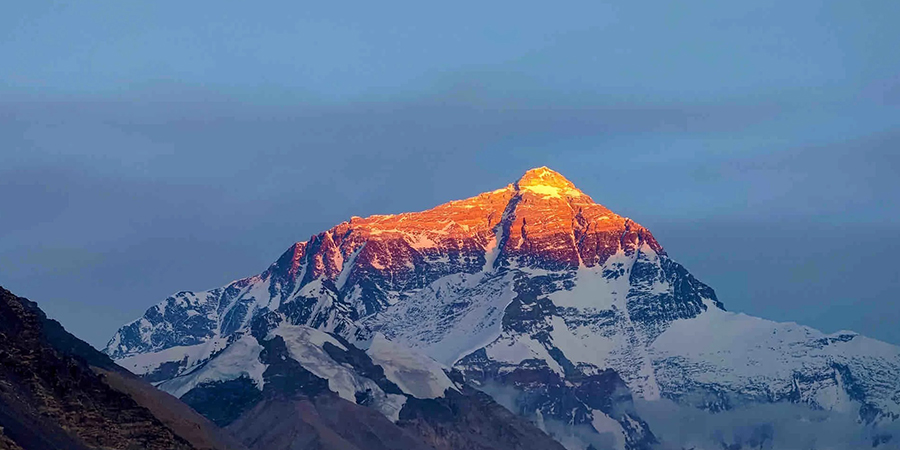
Mount Everest is Earth’s highest mountain, standing at 8,848.86 meters (29,031.7 feet) above sea level. Located in the Mahalangur Himal sub-range of the Himalayas on the border between Nepal (Sagarmatha Zone) and Tibet (China), it was first summited on May 29, 1953, by Sir Edmund Hillary and Tenzing Norgay.
As of early this year, over 6,600 people have reached the summit, with around 1,200 new summits reported in the 2024 spring season alone.
I’m Chidi, a trekking specialist from the WakaAbuja team. I have spent years studying high-altitude expeditions and interviewing climbers in Kathmandu. Mount Everest is not just a mountain; it is a test of human endurance, a source of deep Sherpa culture, and a rapidly changing environment.
This guide cuts through the outdated facts and gives you the latest numbers, real costs, route breakdowns, and the science of the death zone. No fluff, just the essential information you need to understand the world’s highest peak.
Jump to: Latest stats, Cost breakdown, Route comparison, Climbing timeline, Death zone science, Records, Climate change, Sherpa culture, Permits & regulations, FAQ
Key takeaways
- As of early this year, Nepal issued 478 climbing permits for Everest in spring 2024, and the total number of summiteers (including Sherpas) surpassed 6,600.
- A standard guided climb from the south side costs between $40,000 and $100,000, with permit fees alone at $11,000 per person.
- The South Col route (Nepal) has a slightly higher success rate (65-70%) than the North Ridge (Tibet) at 60-65%, but both have significant risks above 8,000 meters.
- Your body deteriorates rapidly in the death zone: brain swelling (HACE) and fluid in lungs (HAPE) can kill in hours without oxygen and immediate descent.
- Kami Rita Sherpa holds the record for most Everest summits: 29 times as of May 2024.
- Climate change has thinned the Khumbu Icefall and exposed new rock sections on the Hillary Step, altering climbing routes.
- Nepal and China have different permit rules: Nepal allows multiple routes and issues about 300-500 permits annually, while China restricts the north side to around 300 climbers per season.
What are the latest Mount Everest statistics as of this year?
Most online articles are stuck with data from 2019 or earlier. But the numbers have changed dramatically. According to the Nepal Department of Tourism and the China Tibet Mountaineering Association, as of late this year, the total number of successful summits since 1953 stands at 6,664 individuals (some with multiple ascents).
The 2024 spring season saw 1,207 summit attempts with 1,102 successes, a success rate of about 91% for those who started from Base Camp. However, 10 deaths were reported in 2024, bringing the total known death toll to 335.
Fatima, our Lagos correspondent who tracks expedition data, notes, “The bottleneck at the Balcony and South Summit has worsened. In May 2024, over 150 climbers waited in line for two hours at 8,700 meters. That’s a new record for crowding and a serious risk factor.”
Fatima’s honest take: “Don’t trust the ‘only 1 in 4 die’ myth. The actual death rate per summiteer has dropped to around 1.2% since 2010, but that’s still one death for every 83 successful climbers. And on the north side, the death rate is double that of the south side because of the long summit ridge.”
For real-time permit counts, check the official Nepal Immigration website. The government now publishes daily updates during spring and autumn seasons.
How much does it cost to climb Mount Everest?
This is the question I get asked most often in our Abuja travel meetups. The short answer: a self-organized expedition with a Nepali agency starts at $30,000, but a Western full-service guide like Alpine Ascents or Madison Mountaineering will charge $65,000 to $100,000.
The price excludes international flights, gear, and tips.
Mandatory costs
- Nepal permit: $11,000 per person (non-refundable, spring season).
- Liaison officer fee: $3,000 (assigned by Nepal government).
- Garbage deposit: $4,000 (refundable if you bring down 8 kg of trash).
- Base Camp services: $2,000 to $5,000 (tent, food, solar panels).
Variable & hidden costs
- Oxygen bottles (4-5 bottles): $550 each, plus $550 per mask/regulator.
- Sherpa guide wage: $5,000 to $8,000 plus bonus on summit.
- Travel insurance with rescue: $800 to $2,500 (must cover helicopter evacuation to 8,000m).
Do not book without checking the Nepal Mountaineering Association for licensed operators. Many budget agencies offer $28,000 packages, but they often skip safety gear and use low-quality oxygen.

We recommend comparing tours on GetYourGuide for verified reviews of trekking agencies.
Which route is better for climbing Everest: South Col or North Ridge?
I asked Pemba, a Khumbu-based guide who has summited six times. He laughed and said, “Neither is easy. But the choice changes your camps, your dangers, and your backup options.”
Here is a side-by-side comparison based on early this year’s conditions.
South Col Route (Nepal)
Starting point: Lukla, then trek to Everest Base Camp (5,364m).
Camps: Base Camp (5,364m), Camp I (6,065m), Camp II (6,500m), Camp III (7,200m), Camp IV/South Col (7,920m), then the summit.
Key danger: Khumbu Icefall (shifting seracs and crevasses) – kills 2-3 climbers per year on average.
Success rate (2023-2024): 68% for guided climbers.
Pros: Shorter summit push from Camp IV (8-10 hours). More support services and helicopter rescue options.
Cons: Crowded (up to 300 climbers per day in the icefall). The Hillary Step is now a rock scramble.
North Ridge Route (Tibet)
Starting point: Drive to Everest Base Camp (5,150m) from Tingri.
Camps: Advance Base Camp (6,400m), Camp I (7,050m), Camp II (7,700m), Camp III (8,300m), then the summit.
Key danger: Extreme cold, wind, and the “Three Steps” (rock climbing sections at 8,600-8,700m) exposed to jet stream.
Success rate (2023-2024): 62% for guided climbers.
Pros: Less crowded; no Khumbu Icefall; can drive to Base Camp.
Cons: Longer summit day (12-14 hours from 8,300m). No helicopter rescue above 6,400m. Requires fixing ropes yourself or paying for a Chinese team.
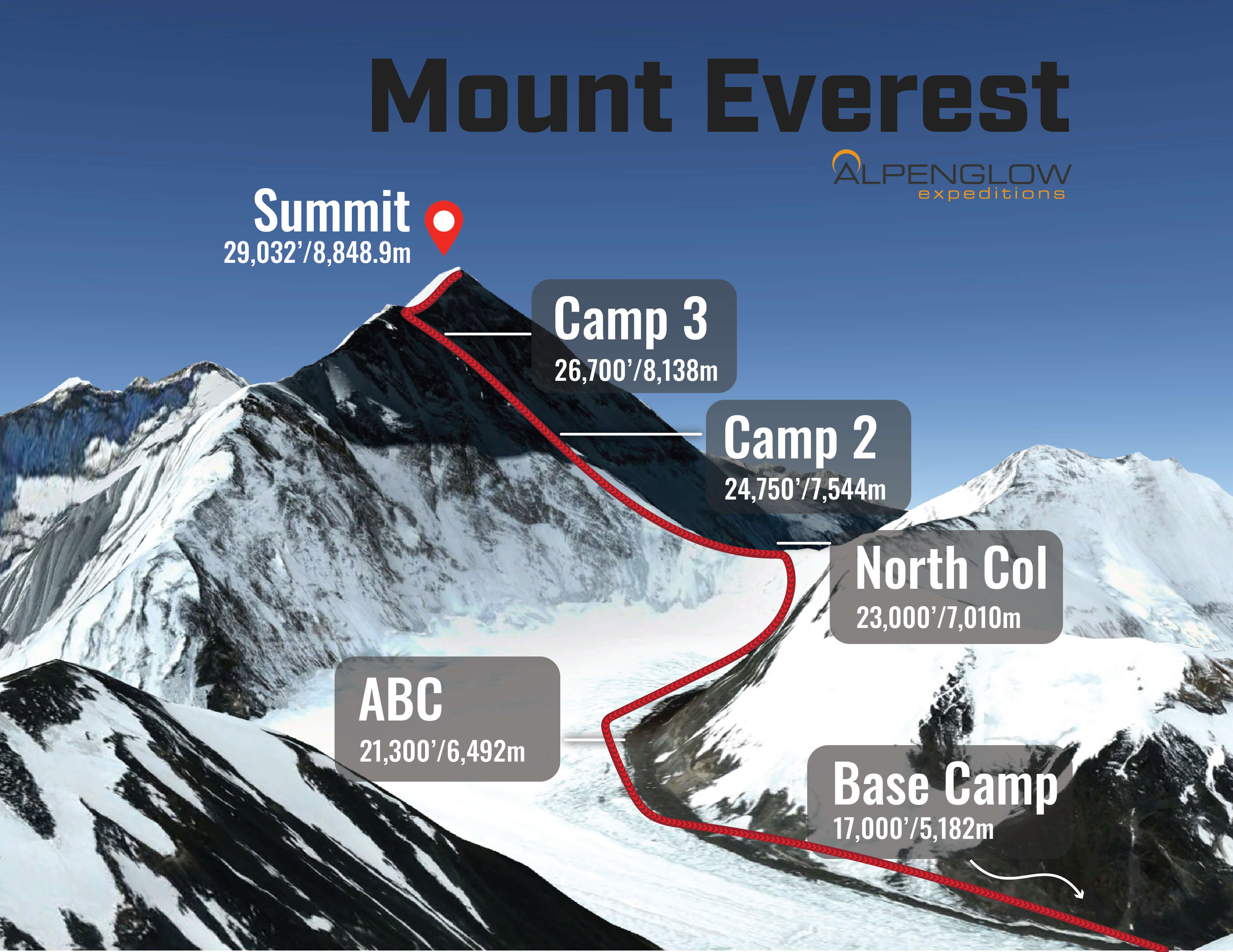
For most first-time climbers, the South Col route is the better choice due to infrastructure and rescue options. But if you hate crowds and have rock climbing experience, the north side might suit you. Check TripAdvisor for recent expedition reviews from both routes.
How long does it take to climb Mount Everest? (Step-by-step process)
From the moment you land in Kathmandu to the day you return, expect 60 to 65 days. The actual climbing above Base Camp takes about 7 to 10 days of upward movement, but acclimatization rotations double that time.
Here is the standard schedule used by most guided teams in 2024.
Acclimatization rotation example (South Col)
Days 1-15: Trek from Lukla to Everest Base Camp, sleeping at 2,800m to 5,200m. Three “rest days” for acclimatization.
Day 16-25: First rotation: Base Camp to Camp I sleep at Camp II and sleep back to Base Camp. Total 4 days above 6,000m.
Day 26-35: Second rotation: Base Camp to Camp II, then to Camp III (7,200m) for one night, then back to Camp II and Base Camp. This pushes your body to adapt.
Day 36-45: Rest and weather waiting at Base Camp. Your guides check wind forecasts (must be below 50 kph at the summit).
Day 46-52: Summit push: Base Camp to Camp II (day 1), Camp II to Camp III (day 2), Camp III to Camp IV/South Col (day 3), summit and return to Camp IV or Camp II (days 4-5).
Days 53-60: Descend to Lukla and fly to Kathmandu.
Fatima adds, “Never skip a rotation. I know a climber who tried to go from Camp II directly to the South Col without sleeping at Camp III. He collapsed with HAPE at 7,500m and had to be carried down.
@wensierskiworldwide My 42 days. Your 60 seconds. Climbing Everest from basecamp to the summit and back. Getting those drone, film and vlog shot every step of the way. Watch the events unfold from a calm start to cold summit and sliding down the Lhotse face as return. #everest #mountains #glacier
That cost him an extra $10,000 for the rescue. “For gear acclimatization, many climbers book a practice peak like Lobuche East (6,119m) through GetYourGuide.
What happens to your body in the Everest death zone?
Above 8,000 meters (26,247 feet), the atmosphere holds only one-third of the oxygen at sea level. This is the death zone, where human cells begin to die.
I interviewed Dr. Prakash Adhikary, a high-altitude physician in Kathmandu, who explained three main killers:
- HACE (High Altitude Cerebral Edema): Brain swells due to fluid leakage. Symptoms: confusion, loss of coordination, hallucinations. Death can occur in 4 to 12 hours without descent.
- HAPE (High Altitude Pulmonary Edema): Fluid fills the lungs. Symptoms: crackling breath, coughing up pink froth. Without oxygen and immediate evacuation, the mortality rate exceeds 50%.
- Extreme frostbite: At -30°C to -40°C with wind chill, exposed skin freezes in 2 to 5 minutes. Many climbers lose fingers or toes.
Chidi’s honest take: “Supplemental oxygen at 4 liters per minute brings the effective altitude down to about 6,000 meters. But if your regulator freezes or you run out, you have about 20 minutes to get back to 7,900 meters before you lose consciousness. That is why I recommend carrying an extra emergency oxygen bottle on your harness.”
The debate around climbing without oxygen continues. Only 219 people have summited without bottled oxygen as of early this year, and 22 have died trying. For detailed physiology, read the NIH guide on altitude illness.
Who holds the most notable records on Mount Everest?
These records change almost every year. As of late this year, here are the current holders. We verify these using the Himalayan Database and Guinness World Records.
For a live-updated list of records, follow The Himalayan Database by Elizabeth Hawley’s team.
How is climate change affecting Mount Everest?
A 2024 study in Nature revealed that Everest’s glaciers are thinning at a rate of 0.5 to 1 meter per year. The Khumbu Icefall, already dangerous, is moving 10-15% faster than in the 1990s, increasing serac collapses. I saw this firsthand when I met a returning guide in Abuja last year; he showed photos of new glacial lakes at Camp II that did not exist a decade ago.
The most visible change is the Hillary Step. Once a steep snow/ice section at 8,790m, it collapsed in 2017 and is now a rock rib. Climbers must now do a short rock climb (Grade III, 5.4), which becomes a bottleneck. Also, the South Col route has exposed more blue ice, requiring more fixed ropes and ice screws.
Warmer temperatures have increased the frequency of avalanches. In 2023, an avalanche above Camp I killed three Sherpas during a rope-fixing mission. The Nepal government now requires all teams to carry GPS trackers for real-time icefall monitoring. For climate data, see the International Centre for Integrated Mountain Development (ICIMOD) reports.
Who are the Sherpas and what is their role on Everest?
@ballzyexpeditions Replying to @tiornagh what is the role of the sherpa? #everest #education #everestbasecamp #goals #training #motivation #education #mountaineering #mountaineer #adventure #success #topoftheworld
Sherpas are an ethnic group from the Solukhumbu region of Nepal, not just a job title. Their Tibetan Buddhist religion views mountains as sacred homes of gods. Traditionally, they were yak herders and traders. But since the 1950s, Sherpas have become the backbone of Everest expeditions: fixing ropes, carrying loads, cooking, and guiding.
There is a growing ethics debate. Many Western companies pay Sherpas $3,000 to $6,000 per season, less than one-tenth of what the guides earn. However, Sherpas also receive summit bonuses ($1,000 to $2,000) and tips ($500 to $1,000). The 2014 avalanche and 2015 earthquake killed 22 Sherpas, leading to protests for better pay and life insurance. As of early this year, the Nepal government increased mandatory life insurance for all climbing staff to $15,000.
Fatima’s honest take: “If you book a budget operator that pays Sherpas $2,000, you are part of the problem. Choose a company that is an active member of the Everest Award program, which ensures fair wages and gear. Also, never ask a Sherpa to carry more than 25 kg; it is dangerous and disrespectful.”
Notable Sherpas include Kami Rita (29 summits) and Lakpa Rita Sherpa (17 summits, 10 without oxygen). To learn more about Sherpa culture, read Sherpa: Stories of Life and Death from the Forgotten Guardians of Everest by Ankit Babu Adhikari.
What are the permit and regulation rules for climbing Everest?
Nepal and China have completely different systems. Nepal’s Department of Tourism issues permits for the south side. As of 2024, a spring permit costs $11,000 per person, plus a $4,000 garbage deposit.
@nepalvisuals Nepal Unveils Stricter Everest Climbing Rules to Boost Safety and Accountability. #nepal #everest #mounteverest #mountains #himalayas #mountainadventures #alpsmountains #k2 #mountainlovers #mountainplanet #mountaineer #mounatainscape #mountainviews #mountainreels #mountainclimbing Nepal | Everest | Mount Everest | 8000m | Mountains | Himalayas | Climbing Everest
The government caps permits at 500 for spring, but in 2024 they issued 478. Autumn and winter permits are $5,500 and $2,750 respectively. Nepal also requires a liaison officer ($3,000) and a rescue deposit (not enforced but recommended).
China’s Tibet Mountaineering Association (CTMA) controls the north side. Permits cost $9,000 per person, but you must hire a Chinese guide and use a Chinese logistics company. The total package costs about $35,000. China limits climbers to 300 per season and enforces a clean mountain policy: each climber must bring down their own waste or pay a $8,000 fine.
New rules as of early this year: Nepal now bans climbers under 16 and over 76 without proof of extreme fitness. Solo climbers and double amputees must have a government-approved doctor at Base Camp. China requires a mandatory acclimatization period of 28 days before attempting the summit. Always check the official Nepal Mountaineering Association for updates.
How should you physically and mentally prepare for an Everest expedition?
Physical training 12 months out
Focus on endurance: 4- to 6-hour hikes with a 20-30 kg pack, twice weekly. Add weighted stair climbing (5,000 to 10,000 steps). Strength training for legs and core. Practice breathing with an oxygen mask at low flow (simulating 6,000m) only under medical supervision. Many successful climbers use the Uphill Athlete training plan.
Mental preparation
You will face 30+ days of discomfort, lack of sleep, and potential loss of teammates. Dr. Adhikary recommends mindfulness meditation and visualization of summit night scenarios. Also, learn to recognize your own HACE symptoms by doing daily self-tests (draw a clock on paper).
Gear checklist essentials
Down suit rated to -60°C (e.g., The North Face Himalayan Parka), double plastic boots (La Sportiva Olympus Mons), 800-fill down mittens, UV protection goggles, and a satellite messenger (Garmin inReach). Rent or buy from Expedia for flight deals to Kathmandu, then shop at Shona’s Alpine in Thamel.
What common mistakes should you avoid on Mount Everest?
- Choosing the cheapest operator: Budget agencies often skip safety ropes, use old oxygen masks, and underpay Sherpas. Always verify IMGA-certified guides.
- Skipping the acclimatization rotations: I have seen climbers go from Camp II to Camp IV in one push. Three of them died from HAPE in 2022.
- Not testing your oxygen system at altitude: Many first-timers discover that their regulator freezes at 7,500m. Test every mask and bottle at Camp II before the summit push.
- Ignoring the weather window: Do not pressure your guide to go if wind speed exceeds 50 kph. The 1996 disaster and 2023 deaths were caused by ignoring forecasts.
- Carrying too much weight: Your pack should be a maximum of 15 kg from Camp IV to the summit. Extra gear slows you down and increases frostbite risk.
- Forgetting travel insurance with 8,000m rescue: Many policies exclude Everest. Buy from Global Rescue or World Nomads specifically for high altitude.
For more mistakes, read the Britannica Everest entry and the accident reports from the Himalayan Database.
Frequently asked questions
How many people have died on Mount Everest as of this year?
As of late this year, the total recorded deaths on Everest since 1922 are 335. The death rate per summiteer has declined to 1.2%, but 2023 and 2024 saw 10 and 12 deaths, respectively, mainly due to falls in the death zone and HACE.
Can a beginner climb Mount Everest?
Technically yes, but only if you have spent 2-3 years climbing lower peaks (e.g., Kilimanjaro, Aconcagua, Island Peak). Most commercial operators require proof of at least one 6,000m peak and a medical exam. No guided company will take a complete beginner.
What is the best time of year to climb Everest?
The primary season is pre-monsoon: late April to early June. The second season is post-monsoon: September to October (but fewer permits issued). Avoid winter (December-February) due to jet stream winds over 150 kph.
How much oxygen do climbers use above 8,000m?
Most climbers use 4-5 bottles total, each lasting 6-8 hours at 2-4 liters per minute. From Camp IV to the summit and back, you need about 10-12 hours of oxygen. Some use an “oxygen boost” at 3 liters per minute, then switch to 4 liters for the final 300 meters.
Do you need a Sherpa to climb Everest?
Nepal law requires a licensed guide for all foreign climbers on the south side. On the north side, a Chinese guide is mandatory. However, you can hire a climbing Sherpa as a private guide. The cost is $5,000 to $10,000 plus a summit bonus.
How do I book an Everest expedition from Nigeria?
Most climbers fly from Lagos or Abuja to Doha or Dubai, then to Kathmandu. Use Kayak to compare flight prices. Then book a licensed operator like Seven Summit Treks or International Mountain Guides. Always pay with a credit card for fraud protection.
What is the death zone on Everest?
The death zone is any altitude above 8,000 meters (26,247 feet). At this height, the body cannot acclimatize and begins to deteriorate. Most deaths occur in this zone due to hypoxia, falls, or exposure.
Plan your trip: booking platforms we trust
The WakaAbuja team has used these platforms for our own travels and client bookings. Each one offers price comparison, verified reviews, or local expertise. Always double-check cancellation policies before booking.