Trip to Aoraki – Mount Cook National Park: Complete Guide
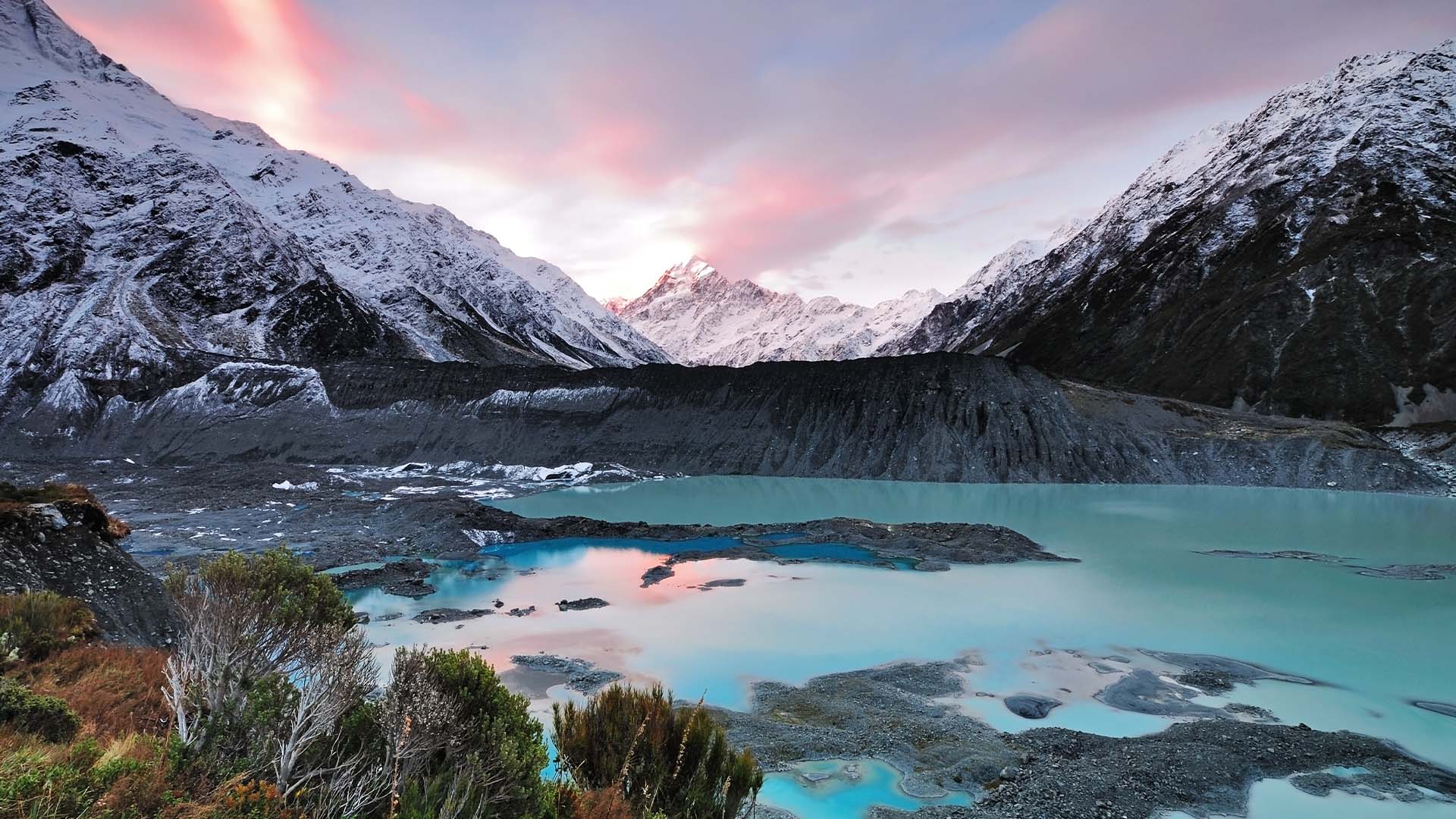
Aoraki Mount Cook National Park is New Zealand’s alpine heart, home to the country’s highest peak and the Aoraki Mackenzie International Dark Sky Reserve. The best trip combines the Hooker Valley walk (three hours round trip), a night of stargazing, and a glacier boat tour on Tasman Lake.
Mid-December to March offers the most accessible trails, while June to August delivers crisp winter scenes with fewer crowds.
Chidi from our Abuja team here. I spent ten days exploring this park across two seasons, and I learned fast that Mount Cook doesn’t forgive poor planning. The weather can flip from calm sunshine to gale-force winds in twenty minutes.
But with the right preparation, this place delivers the most dramatic alpine scenery I have ever seen. Below, I have packed every detail our team at WakaAbuja gathered from multiple trips, official sources, and local operators.
Jump to: Planning | Getting there | Month by month | Trail guides | Photography | Safety | Cultural significance | FAQ
Key takeaways
- The Hooker Valley track is the most reliable all-weather walk, but check DOC track alerts before starting.
- Fuel up in Twizel (40 minutes south) or Tekapo (one hour south); there is no petrol station inside the national park.
- Mueller Hut requires a backcountry hut pass and online booking months in advance for summer (December to March).
- Mobile reception is zero on most trails and inside the village; download offline maps on Maps. me or AllTrails.
- The Dark Sky Reserve means no artificial light for kilometers; bring a red headlamp and a tripod for astrophotography.
- Travel insurance must cover helicopter rides and alpine hiking if you book a heli-hike or glacier landing.
- Avalanche risk is high on the Mueller Hut route from June to October. Always check the NZ Avalanche Advisory.
What do I need to pack and book before a trip to Mount Cook?
Fatima, our Lagos correspondent, forgot a warm layer on her February trip and ended up shivering through sunset at Kea Point. The lesson: alpine conditions ignore the calendar.
Summer daytime temperatures reach 15 to 20 degrees Celsius, but wind chill drops below freezing after sundown. Winter requires full expedition gear.
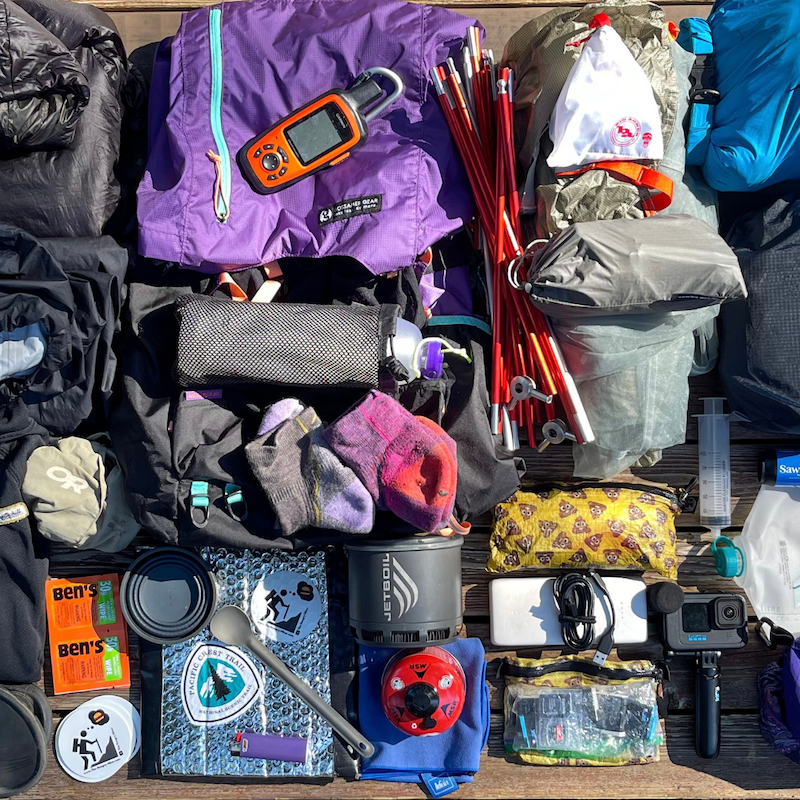
Fatima’s honest take: “Pack a waterproof shell even if the forecast says zero rain. I watched a clear morning turn into sleet within an hour on the Sealy Tarns stairs. And buy a power bank. You will use your phone for photos and navigation, and outlets are scarce in DOC huts.”
Summer packing (December to March)
- Light hiking pants and moisture-wicking t-shirts
- Insulated jacket (down or synthetic) for evenings
- Sun hat, sunglasses, and SPF 50+ sunscreen (the UV index is extreme)
- 2 litres of water capacity – only tap water at the village and campgrounds
- Insect repellent for sandflies near Tasman River
Winter packing (June to September)
- Thermal base layers (merino wool recommended)
- Hard-shell waterproof jacket and pants
- Microspikes or crampons for icy tracks (Sealy Tarns, Mueller Hut)
- Gloves, balaclava, and a warm beanie
- Hand warmers and a thermos for hot drinks
Permits and bookings: The only mandatory reservation is for backcountry huts like Mueller Hut (book through the DOC website; costs $39 NZD per adult per night as of this year). Campsites at White Horse Hill and the village campground require booking from November to April.

No permit is needed for day walks. For helicopter activities, operators require a deposit at booking. Travel insurance is non-negotiable if you attempt any guided glacier walk or heli-hike. Many standard policies exclude “adventure activities” above 2500 meters. Check with Southern Cross or World Nomads for specific alpine cover.
Fuel and EV charging: The last petrol station before the park is in Twizel (BP and Mobil open 7 am to 9 pm). Tekapo also has a Z Energy station. For electric vehicles, two fast chargers (50 kW) operate at Twizel’s Market Square and a 25 kW charger at Tekapo’s Domain.
There are no chargers inside Mount Cook Village. A full charge in Twizel gives you enough range for the 120 km round trip to the village plus some exploring.
How long does it take to drive from Christchurch or Queenstown?
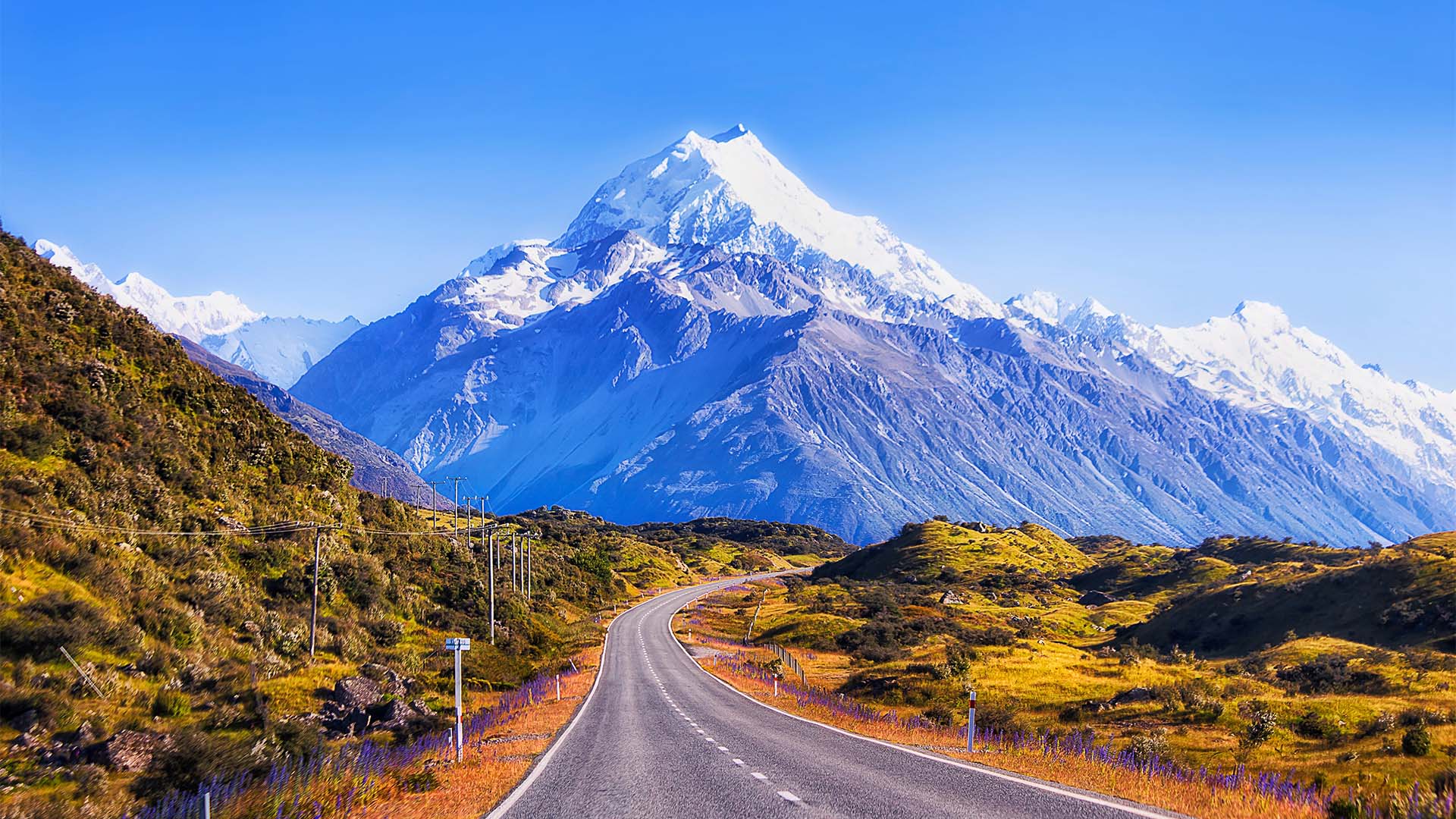
From Christchurch, expect four hours of driving via State Highway 1 and 79 through Geraldine and Tekapo. The distance is 330 kilometers. From Queenstown, the drive is three hours (260 kilometers) via Cromwell and Lindis Pass.
Road conditions are sealed and well maintained, but winter ice and snow can close Lindis Pass. Always check NZTA road updates between June and September.
Transport options
- Rental car: Most flexible. Book through Kayak for price comparison.
- Bus: Cook Connect runs daily from Christchurch (4.5 hours) and Queenstown (3.5 hours). Tickets from $55 NZD one way.
- Campervan: Popular choice. The White Horse Hill campground has powered sites for $25 NZD per adult. Book early for summer.
Scenic stops on the way
- Lake Tekapo’s Church of the Good Shepherd (photo spot, free)
- Peter’s Lookout (just before the village, best reflection shots of Mount Cook)
- Twizel for lunch and fuel—The Musterer Hut serves good pies
What is the weather like each month at Aoraki Mount Cook, and when should I book?
@youngandjaded thousand mile an hour winds and hale stones. Still worth it #mountcook
I have broken down every month with average conditions, crowd levels, and booking windows. The park’s visitor center receives 600 to 800 people daily in peak summer, while winter sees fewer than 100. Use this to plan your trip to Aoraki Mount Cook National Park without surprises.
December to February (Summer)
Average high 18°C, low 7°C. Rainfall is 60 mm per month. Sunrise: 5:50 am, sunset: 9:20 pm. Crowd level: high. Trail closures are rare, but Mueller Hut can be booked solid two months in advance. Book accommodation and boat tours by September. The Hooker Valley track gets busy between 10 am and 2 pm.
March to May (Autumn)
March: high 15°C, low 5°C. April: high 11°C, low 2°C. May: high 7°C, low -1°C. Rainfall increases to 100 mm in April. Sunrise is 7:30 am and sunset is 7:00 pm in March; by May sunrise is 8:00 am and sunset is 5:15 pm. Crowd level: medium in March, low by May. First snow settles on high tracks in late May. Book Mueller Hut by March for autumn slots.
June to August (Winter)
Average high: 4°C, low: -5°C. Rainfall is 80 mm but often snow. Sunrise: 8:15 am, sunset: 5:00 pm. Crowd level: very low. Many trails become icy or avalanche-prone. The Sealy Tarns track is often closed due to ice. The Mueller Hut route has a high avalanche risk. Only the Hooker Valley and Kea Point tracks remain reliably open. Book nothing winter-specific except a room at the Hermitage Hotel if you want luxury.
September to November (Spring)
September: high 6°C, low -2°C. October: high 10°C, low 1°C. November: high 13°C, low 4°C. Rainfall: 70 mm. Sunrise 7:00 am moving to 5:45 am by November. Sunset: 6:30 pm moving to 8:45 pm. Crowd level: low to medium. Snow melts off lower tracks by late October. Book heli-hikes for November early, as operators start full schedules.
Booking recommendation: For popular summer activities like the glacier boat tour on Tasman Lake (operated by Glacier Explorers), reserve your spot at least two weeks ahead.
The same applies to any accommodation inside the village, including the YHA and Aoraki Court Motel. Use Booking.com for comparison, but book directly with the property for free cancellation policies.
Which are the best walks, and what do I need for each trail?
Our team has hiked every maintained track. Below are the five essential routes with precise details. Mobile reception: zero on all trails except the first kilometer of Hooker Valley. Toilets available at each trailhead. Water refill points are only at the visitor center and campgrounds, not on the trails.
Hooker Valley Track
Distance: 10 km return. Time: 3 hours. Elevation gain: 150 m. Difficulty: Easy. Trailhead: White Horse Hill Campground car park (large lot, fills by 9 am in summer). Toilets are at the start and near the second swing bridge. Alternative if weather is bad: Kea Point (shorter, still offers glacier views).
Tasman Glacier View Track
Distance: 1.4 km return. Time: 30 minutes. Elevation gain: 100 m. Difficulty: Easy. Trailhead: Tasman Valley Road end, a 15 minute drive from the village. Parking limited to 50 spaces. Toilets at the car park. No water. Alternative: continue to the Tasman Lake jetty for boat tour views.
Sealy Tarns Track
Distance: 4.4 km return. Time: 2.5 to 3 hours. Elevation gain: 600 m (2200 stairs). Difficulty: Moderate to hard. Trailhead: Same as Hooker Valley. Parking is shared. No toilets after the start. Alternative in bad weather: skip if raining; the stairs become slippery. Use Kea Point instead.
Mueller Hut Route
Distance: 10.4 km return. Time: 5 to 7 hours. Elevation gain: 1050 m. Difficulty: Hard (requires alpine experience). Trailhead: Sealy Tarns car park. Booking required for overnight stay. Avalanche risk high in winter. No toilets or water on upper section. Alternative: stay at the Sealy Tarns viewpoint and turn back.
Kea Point Walk
Distance: 2 km return. Time: 45 minutes. Elevation gain: 50 m. Difficulty: Very easy. Trailhead: Mueller Glacier car park. Toilets available. Mobile reception: none. Alternative: if snow covers the path, stay on the sealed section near the visitor center.
Where are the best photo spots and what gear do I need for astrophotography?
I spent three nights chasing the Milky Way and golden hour reflections. These are the locations that delivered every time.
Chidi’s gear checklist: “For day shots, a 24-70 mm lens covers most compositions. For the night sky, bring a 14-24 mm f/2.8 or faster. A solid tripod is mandatory because winds at the village gust to 50 km/h. Use a remote shutter or the two-second timer.”
Golden hour spots
- Peter’s Lookout (GPS: -43.7762, 170.0901) – Best 30 minutes before sunset. Mount Cook reflects in a small pond 50 meters north of the park.
- Hooker Valley second swing bridge—Shoot the mountain framed by the bridge. Go at sunrise (5:30 am in summer) to avoid crowds.
- Tasman Lake jetty – Icebergs and the glacier face. Late afternoon light works best.
Night sky spots (Dark Sky Reserve)
- Mount Cook Village campground field – Zero light pollution. The Milky Way core appears from August to October.
- Bird statue at the Hermitage lawn – Adds a foreground element. Best between 1 am and 3 am when the moon is below the horizon.
- White Horse Hill carpark – Open field with mountain backdrop. Check the moon phase before going.
Camera settings for astro: ISO 3200, f/2.8, 20-second exposure. Use manual focus set to infinity, then dial back slightly. The Dark Sky Reserve means no flashlights with white light; use a red headlamp to preserve night vision.
How do I stay safe in Mount Cook’s sudden weather changes and avalanche terrain?
The mountain kills complacency. New Zealand’s Southern Alps create their own weather. A clear forecast at the village can hide a storm on the ridges. Follow these rules from my near-miss on the Mueller Hut route when a whiteout dropped visibility to five meters.
- Check the mountain weather warning system: The Metservice mountain forecast for Mount Cook gives wind speed and freezing level. If wind exceeds 40 km/h, avoid exposed ridges.
- Avalanche risk: The Mueller Hut track crosses several avalanche paths. Always consult the NZ Avalanche Advisory for the Aoraki region. Red or orange rating means do not go.
- Caught in bad weather: Turn back immediately. Do not trust your memory of the trail. Use offline GPS on Maps.me or AllTrails. Carry a physical map from the visitor center.
- Leave No Trace: Pack out all rubbish. Use toilets or carry a waste bag. Do not feed kea birds (they will destroy car seals).
What is the Māori legend of Aoraki and the cultural significance of the Dark Sky?
The mountain is sacred to Ngāi Tahu iwi. The legend says Aoraki was a young boy who, along with his brothers, became stranded on a reef after their canoe capsized. The south wind froze them, turning Aoraki into the highest peak. Pronounce it “Ao-ra-kee” with a rolled ‘r’. Not “Auraki” or “Mount Cook” only. Use the full name Aoraki Mount Cook to show respect.
In Māori astronomy, the dark sky is the realm of Ranginui, the sky father. The absence of light allows the stars to guide navigation and mark seasons.
The Aoraki Mackenzie International Dark Sky Reserve is the world’s largest gold-tier reserve, protecting not just starlight but also cultural stories tied to specific constellations like Matariki (Pleiades).
What are the current trail conditions, and how do I get offline maps?
Cell service is available only in Mount Cook Village (Spark and One NZ have patchy coverage) and nowhere on trails. Before you lose signal, bookmark these resources:
- DOC track alerts: Aoraki Mount Cook alerts page – closures, avalanche warnings, track damage.
- Webcam links: Mount Cook webcams – live view of the village and Tasman Glacier.
- Offline maps: Download AllTrails+ for offline trail navigation or Maps.me with the New Zealand South Island map. The DOC visitor center gives free paper maps.
For real-time weather, text “Aoraki” to 4288 (NZ only) for the latest mountain forecast. International visitors can ask their hotel to print the daily weather board at the Hermitage lobby.
Which activities are worth the money, and what is the daily budget?
Below I have compared popular paid activities. Prices are in NZD as of this year. Always verify with the operator directly because rates change.
Hooker Valley walk
Duration: 3 hours | Price: Free | Best for: Families, budget travellers
Glacier boat tour (Tasman Lake)
Duration: 2.5 hours | Price: $170 adult | Best for: Adventurers who want close iceberg views
Heli-hike (Tasman Glacier)
Duration: 3 hours | Price: $595 to $695 | Best for: Splurge, a once-in-a-lifetime experience
Stargazing tour (Dark Sky)
Duration: 2 hours | Price: $95 to $150 | Best for: Astronomy beginners, families
Daily budget breakdown per person
Budget ($120 NZD/day)
Camping at White Horse Hill ($25), self-catered meals from the Twizel supermarket ($30), free walks, fuel share ($40), and a DOC hut pass if overnight.
Mid-range ($280 NZD/day)
YHA or motel room ($180), pub dinner at Old Mountaineers Cafe ($40), one paid activity (boat tour, $170 spread across two days = $85/day), and fuel.
Luxury ($650+ NZD/day)
Hermitage Hotel premium room ($400), heli-hike ($600 – but not daily), fine dining at Panorama Room ($100), and private stargazing tour ($150).
Cost-saving tips: Fill your water bottle at the DOC visitor center. Buy groceries in Twizel or Tekapo before entering the park; the village store has limited stock and high prices. Share fuel costs by joining campervan groups on local Facebook pages.
https://www.instagram.com/reel/DUl2lqekviO/
What common mistakes ruin a trip to Aoraki Mount Cook?
- Relying on mobile data for navigation. Download offline maps. We saw tourists turning back at the Hooker Valley start because they could not load the trail.
- Wearing cotton in winter. Cotton kills when wet. Use merino or synthetics.
- Arriving at the boat tour without a booking. The glacier boat sells out three days in advance during summer. Use GetYourGuide to check availability.
- Forgetting a headlamp for Mueller Hut. The route crosses boulder fields that become dangerous after sunset. Park staff have rescued people who started the descent at 6 pm.
- Assuming the weather forecast is accurate for more than six hours. The mountain produces its own microclimate. Check the hour-by-hour forecast on Metservice.
- Not booking accommodation for summer nights. Mount Cook Village has fewer than 400 beds. Book four months ahead or stay in Twizel (40 minutes drive) as a backup.
- Leaving valuables visible in parked cars. Kea birds have opened unattended bags and stolen passports. Also, car break-ins occur at trailheads.
Frequently asked questions
Do I need a 4WD vehicle to drive to Mount Cook?
No. The sealed road from Twizel to the village is suitable for any car. However, in winter (June to September) you may need chains. Hire them from petrol stations in Twizel or Tekapo. The Tasman Valley Road to the glacier boat launch is gravel but passable with a regular car in dry conditions.
Can I visit Aoraki Mount Cook on a day trip from Queenstown?
Yes, but it is a very long day. The drive one way is three hours without stops. You would have time for only the Hooker Valley walk (three hours) and a quick meal. We recommend overnight stays to enjoy stargazing or a glacier boat tour.
Is there an entrance fee for the national park?
No. New Zealand national parks are free to enter. However, backcountry huts and campsites require fees. The DOC visitor centre accepts donations for track maintenance.
What is the best month for snow-free hiking?
Late December through March has no snow on the Hooker Valley and Tasman tracks. Mueller Hut can have snow patches until January. For the safest conditions, choose February.
Can I see the Southern Lights (Aurora Australis) from Mount Cook?
Rarely, but yes. The Dark Sky Reserve offers dark enough skies. Aurora activity is strongest in winter months (June to August) during solar storms. Use the Aurora Forecast NZ app and look south from the village. Do not expect the vivid colours seen in aurora photos without a long exposure camera.
Are drones allowed in Aoraki Mount Cook National Park?
No. Drones are banned in all New Zealand national parks without a special research permit. The ban protects wildlife (kea and rock wrens) and visitor privacy. You can face fines up to $5000 NZD.
How do I book the Mueller Hut?
Book online via the DOC website. The hut costs $39 NZD per adult per night. Bookings open three months in advance for summer (December to March) and sell out within hours. You need to carry your own sleeping bag, cooking gear, and food. No water is available at the hut; melt snow or carry 2 litres.
Is there Wi-Fi in Mount Cook Village?
The Hermitage Hotel offers free Wi-Fi in its lobby and cafe. The DOC visitor centre has no Wi-Fi. Mobile data works inconsistently. Plan to be offline for most of your stay.
Plan your trip: booking platforms we trust
The WakaAbuja team has tested these services for price accuracy and cancellation policies. We earn a small commission when you book through our links, at no extra cost to you. Always cross-check with the official operator for final prices.
Booking.com – wide range
Expedia – flight+hotel packages
Kayak – flight comparison
Vrbo – villas for groups
GetYourGuide – tours and activities
Hotels.com – loyalty rewards
TripAdvisor – restaurant and tour reviews
For internal resources, read our related guides: Tekapo to Mount Cook road trip itinerary and New Zealand South Island campervan guide.