Travel to Osaka: How Many Days You Need, What It Costs, and Where to Stay
Most first-time visitors need three full days in Osaka to cover the major districts, try the food, and take one day trip to Kyoto or Nara. A four to five day stay suits travelers who want a slower pace or plan to use Osaka as a base for multiple Kansai day trips. A mid-range daily budget runs about US$130 to US$200 per person, covering accommodation, meals, transport, and one paid attraction (confirm current prices with the operator). US citizens need a valid passport for visa-free stays up to 90 days.
I planned my first Osaka trip around a single question I could not find a straight answer to: how many days do I actually need? Every guide listed attractions. None told me whether three days was too few or five days was too many. I ended up booking four nights, which turned out to be almost exactly right, and I have since spent enough time in the city to understand why.
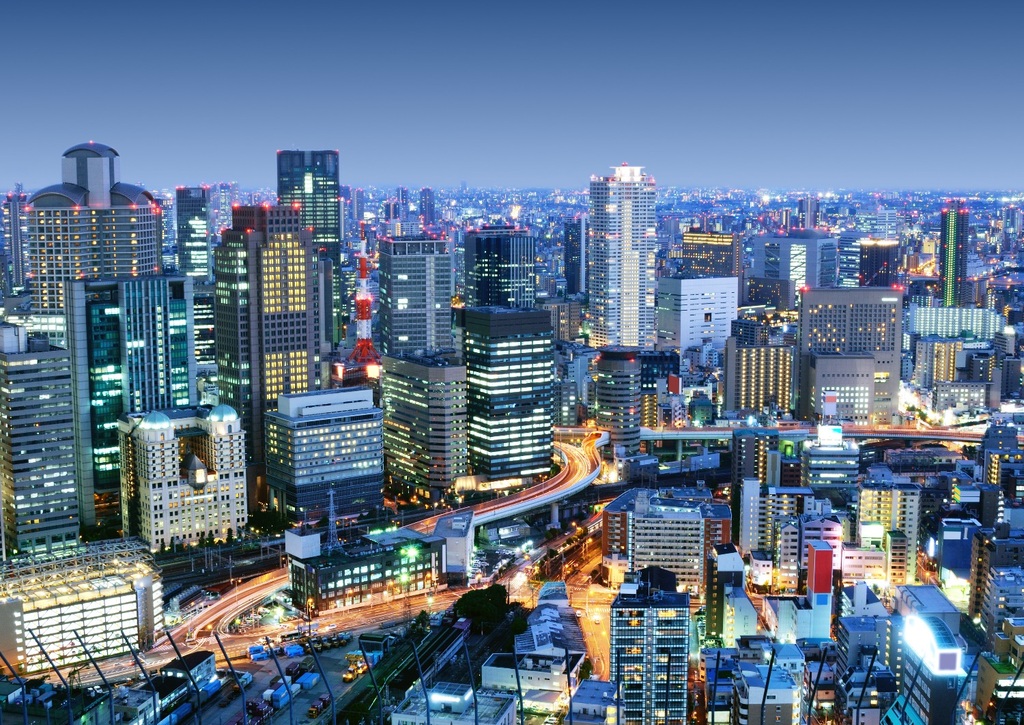
Osaka is not Kyoto. It does not have the temple density or the postcard atmosphere that draws travelers to its neighbor 15 minutes away by train. What it has instead is energy: the best food scene in Japan, the loudest nightlife, a castle that genuinely merits a visit, and a location that makes it the most practical base for exploring the entire Kansai region.
Jump to: Key Takeaways | How Many Days | What It Costs | Where to Stay | Best Time to Visit | Getting Around | What to Avoid | FAQ
Key takeaways
- Three full days is the minimum for a first Osaka visit. Five days lets you add two day trips and still see the city properly.
- A mid-range daily budget runs US$130 to US$200 per person (confirm current prices with the operator).
- Stay in Namba or Shinsaibashi for nightlife and food. Stay in Umeda for transport convenience. Stay in Tennoji for better value on hotel rooms.
- Spring (late March to mid-April) and autumn (October to November) offer the best weather. August is brutally hot and humid.
- The Osaka Amazing Pass costs about ¥3,300 for one day or ¥5,000 for two days (confirm current pricing on the official Osaka Amazing Pass site) and covers subway rides plus free entry to 40+ attractions.
- Kyoto is 15 minutes from Osaka by shinkansen and 30 minutes by regular train. Nara is 45 minutes. Both work as day trips.
- Do not rent a car. Osaka’s public transport is excellent, and parking is expensive and hard to find.
How many days do you need in Osaka?
Three days is the honest minimum for a first visit. That gives you one day for the Dotonbori and Namba area, one day for Osaka Castle and the bay area, and one day for a day trip to Kyoto or Nara. If you have less than three days, you will spend most of your time in transit between districts.
Four days is better. Five days is the sweet spot if you want to use Osaka as a base for exploring Kansai. From Osaka Station, you can reach Kyoto in 15 minutes by shinkansen or 30 minutes by regular train, Nara in 45 minutes, Kobe in 25 minutes, and Himeji in an hour. That makes Osaka the most practical hub in the region, and it is why I stay here rather than in Kyoto, which is quieter and more expensive.
Seven days in Osaka alone is too much unless you have a specific interest, like food, nightlife, or day trips. Most travelers run out of new things to see in the city by day five.
Maya Whitfield’s honest take: “I would rather spend four nights in Osaka and do two day trips than spend six nights in Kyoto. Osaka is cheaper, has better food, and has unbeatable transport connections. Kyoto is 30 minutes away by train. You can have breakfast in Osaka and be at Kiyomizu-dera by 9 AM.”
Best for short trips
- 3 days: Dotonbori, Osaka Castle, one day trip to Kyoto or Nara.
- 4 days: Add Shinsekai, Kuromon Market, and a half-day in Namba for shopping.
Worth considering
- 5 days: Add Kobe and Himeji as day trips, plus a slower exploration of Osaka’s food scene.
- 7+ days: Only if Osaka is your Kansai base and you are seeing the wider region.
What does travel to Osaka actually cost?
Osaka is cheaper than Tokyo and significantly cheaper than Kyoto for accommodation. It is also one of the best food cities in the world for budget travelers, with meals at local restaurants running ¥800 to ¥1,500 (about US$5 to US$10; confirm current exchange rates). The main variable is your hotel category, not your daily spending.
Here is what I have spent and what I have seen other travelers spend. All figures are per person per day unless noted.
Budget tier (hostels, convenience store food)
- Daily total: US$70 to US$110 per person (confirm current prices with the operator).
- Accommodation: Hostels and capsule hotels, US$25 to US$50 per night.
- Food: Convenience stores, gyudon chains, standing noodles, US$20 to US$30 per day.
- Transport: Subway day pass, about ¥800 (confirm current pricing on the Osaka Metro site).
Mid-range tier (business hotels, restaurant meals)
- Daily total: US$130 to US$200 per person (confirm current prices with the operator).
- Accommodation: Business hotels and three-star stays, US$80 to US$140 per night.
- Food: Mix of local restaurants and one nicer dinner, US$40 to US$60 per day.
- Attractions: Osaka Amazing Pass, about ¥3,300 for one day (confirm current pricing on the official site).
Luxury tier (four- and five-star hotels)
- Daily total: US$350 to US$600 per person (confirm current prices with the resort directly).
- Accommodation: Four- and five-star hotels in Umeda or Namba, US$200 to US$450 per night.
- Food: High-end sushi, kaiseki, and hotel dining, US$100 to US$200 per day.
- Transport: Taxis for convenience, US$15 to US$30 per trip.
Two cost traps catch most first-timers. First, flights from the US or Europe to Osaka (KIX) run US$700 to US$1,300 round trip in economy, but prices spike during cherry blossom season and Golden Week (check current fares on Kayak). Second, the Japan Rail Pass rarely pays off if you are staying in Osaka and doing day trips. A regional Kansai pass is almost always cheaper.
Where should you stay in Osaka?
The neighborhood you choose matters more in Osaka than in most cities. Each district has a distinct personality, and picking the wrong one means you spend your trip commuting to the places you actually want to be.
Namba and Shinsaibashi: Best for first-timers
- Best for: Nightlife, food, shopping, Dotonbori access.
- Vibe: Loud, busy, packed with restaurants and bars.
- Transport: Direct train to KIX airport, easy subway access.
- Trade-off: Noisy at night, higher hotel prices.
Umeda: Best for transport and business travelers
- Best for: Day trips to Kyoto and Kobe, upscale dining, department stores.
- Vibe: Polished, commercial, less chaotic than Namba.
- Transport: Osaka Station, major JR and subway lines.
- Trade-off: Less character, fewer cheap restaurants.
Tennoji: Best for value
- Best for: Budget travelers, families, quieter stays.
- Vibe: Local, less touristy, good food at lower prices.
- Transport: JR loop line, airport express, subway.
- Trade-off: Fewer attractions within walking distance.
Shinsekai: Best for retro atmosphere
- Best for: Cheap eats, kushikatsu, and the old-school Osaka feel.
- Vibe: Nostalgic, working-class, slightly rough around the edges.
- Transport: Subway access, walkable to Tennoji.
- Trade-off: Limited hotel options.
For most first-timers, I recommend Namba. It is where the action is, and the convenience of walking to Dotonbori, Kuromon Market, and dozens of restaurants is worth the noise. If you are traveling with family or on a budget, Tennoji is the better choice. For day-trippers heading to Kyoto, Umeda saves you 20 minutes each way. Browse options on Booking.com and compare reviews on TripAdvisor before booking.
What is the best time to travel to Osaka?
Late March through mid-April is the most popular window because of cherry blossom season. The weather is mild, the city’s parks fill with hanami parties, and the atmosphere is unbeatable. The trade-off is crowds and higher hotel prices. Book at least three months ahead if you are traveling then.
October through November is my personal favorite. Temperatures sit between 15 and 22 degrees Celsius, the autumn foliage arrives, and the summer humidity has finally broken. It is also shoulder season, so hotel rates are more reasonable than in spring.
August is the month to avoid if you can. Osaka’s summer humidity is brutal, temperatures regularly exceed 35 degrees Celsius, and the city becomes uncomfortable to walk around during the day. If you must travel in August, plan indoor activities during the afternoon and save your walking for evening.
Best months
- Late March to mid-April: Cherry blossoms, mild weather, high prices.
- October to November: Autumn foliage, dry weather, moderate prices.
Months to avoid
- August: Extreme heat and humidity, peak domestic travel.
- Golden Week (late April to early May): Domestic travel surge; everywhere is packed.
How do you get around Osaka?
Osaka has one of the best public transport systems in the world. The subway network covers almost everything a tourist wants to see, and the JR loop line connects the major districts. You do not need a car, and renting one is actively a bad idea given parking costs and traffic.
Buy an IC card (ICOCA) at the airport or any station. It works on subways, buses, and trains across the region, including in Kyoto and Nara. You load it with cash and tap in and out. A single subway ride costs roughly ¥180 to ¥300 (confirm current fares on the Osaka Metro site).
The Osaka Amazing Pass is worth considering if you are doing multiple paid attractions in one or two days. It covers unlimited subway and bus rides plus free entry to over 40 attractions, including Osaka Castle and the Umeda Sky Building. It costs about ¥3,300 for one day or ¥5,000 for two days (confirm current pricing on the official Osaka Amazing Pass site).
From Kansai International Airport (KIX), the Nankai Rapid Express reaches Namba in 38 minutes for about ¥1,490 (confirm current fares on the Nankai Railway site). The JR Haruka reaches Tennoji and Shin-Osaka. Both are fast and reliable.
What should you avoid when traveling to Osaka?
I have made most of these mistakes myself. Here are the ones that actually cost money or waste time.
Buying a Japan Rail Pass for an Osaka-only trip
The national JR Pass costs about ¥50,000 for seven days (confirm current pricing on the official Japan Rail Pass site). Unless you are traveling across multiple regions by shinkansen, it rarely pays off for a Kansai-based trip. A regional Kansai pass or simply buying individual tickets is almost always cheaper.
Staying in Kyoto and commuting to Osaka
Kyoto hotels are more expensive and book out earlier. Osaka has more hotel supply, cheaper rates, and better food options. If you are visiting both cities, base yourself in Osaka and day-trip to Kyoto. The train takes 30 minutes and runs frequently.
Underestimating how much walking you will do
Osaka’s stations are enormous, and the walking distances inside them add up. Namba Station alone has more than 30 exits. Wear comfortable shoes and budget more time than you think you need for transfers.
Eating only at Dotonbori
Dotonbori is fun, but it is also tourist-heavy and overpriced compared to neighborhoods like Tenma, Fukushima, or Shinsekai. Some of the best meals I have had in Osaka were at tiny standing bars in Tenma, five minutes from Umeda, where dinner for two cost ¥3,000 (about US$20, confirm current exchange rates).
Not bringing cash
Japan is still a cash-heavy society, especially at small restaurants and markets. Many places accept cards now, but you will encounter cash-only establishments. Carry at least ¥10,000 (about US$70, confirm current exchange rates) at all times.
Visiting Osaka Castle on a weekend
The castle is one of the most popular attractions in Japan. On weekends and holidays, the interior museum becomes a slow-moving crowd. Visit on a weekday morning, ideally at opening, and skip the interior if you are short on time. The grounds and exterior are the main draw.
Frequently asked questions
How many days do you need in Osaka?
Three full days is the minimum for a first visit. Five days is ideal if you want to use Osaka as a base for day trips to Kyoto, Nara, Kobe, and Himeji. Seven days in Osaka alone is usually too many unless you have specific interests.
Is Osaka expensive to visit?
Osaka is cheaper than Tokyo and Kyoto. A mid-range trip costs about US$130 to US$200 per person per day (confirm current prices with the operator). Budget travelers can manage on US$70 to US$110 per day using hostels and convenience store food.
Do you need a visa to travel to Osaka?
US citizens and most Western passport holders can enter Japan visa-free for stays up to 90 days with a valid passport . Check your specific requirements on the WakaAbuja visa guide if you are traveling from outside those countries.
Should I stay in Osaka or Kyoto?
Stay in Osaka if you want better food, cheaper hotels, and easier access to Kansai day trips. Stay in Kyoto if you want a quieter atmosphere and closer proximity to temples. Both work. Osaka is the more practical base for a first Kansai trip.
What is the best time of year to visit Osaka?
Late March to mid-April for cherry blossoms, and October to November for autumn foliage and dry weather. August is hot, humid, and best avoided if you have flexibility. Golden Week (late April to early May) is extremely crowded.
What should you not miss in Osaka?
Dotonbori for the food and atmosphere, Osaka Castle for the history, Kuromon Market for breakfast, and Shinsekai for kushikatsu and the retro vibe. If you have time, add a day trip to Nara for the deer park or Kyoto for the temples.
Do you need a car in Osaka?
No. Osaka’s subway and train network covers everything a tourist needs. Parking is expensive and scarce, traffic is heavy, and driving in Japan requires an international driving permit. Use public transport and IC cards instead.
Is Osaka worth visiting compared to Tokyo?
Yes. Osaka offers better food, cheaper accommodation, and easier access to Kyoto and Nara. Tokyo has more variety and bigger attractions, but Osaka is the better base for exploring western Japan. Many travelers who visit both prefer Osaka’s energy.
Plan your trip: booking platforms we trust
I use these platforms myself and recommend them because they consistently surface the best rates or the most useful comparison tools. None of them pay me to say that. For Osaka specifically, Booking.com and Agoda have the deepest hotel inventory, while GetYourGuide is best for skip-the-line castle tickets and food tours.
Booking.com
General hotel search for Osaka neighborhoods.
Agoda
Strong for Asian hotel deals, especially business hotels.
Kayak
Compare flights to Kansai International Airport.
GetYourGuide
Book Osaka Castle tickets, food tours, and day trips.
Expedia
Flight and hotel packages for longer Kansai trips.
Hotels.com
Loyalty rewards on Osaka hotel bookings.
TripAdvisor
Reviews and restaurant recommendations across Osaka.
WakaAbuja does its best to keep all information accurate at the time of publishing. Prices, policies, and availability change regularly. Always verify with official sources before you travel. We are not liable for errors caused by outdated information. Travel insurance is strongly recommended.