advertisement
Songkhla Lake, Thailand: A Complete Guide to Visiting the Country’s Largest Lagoon
Fact-Checked By Maya Whitfield, Senior Travel Editor at WakaAbuja
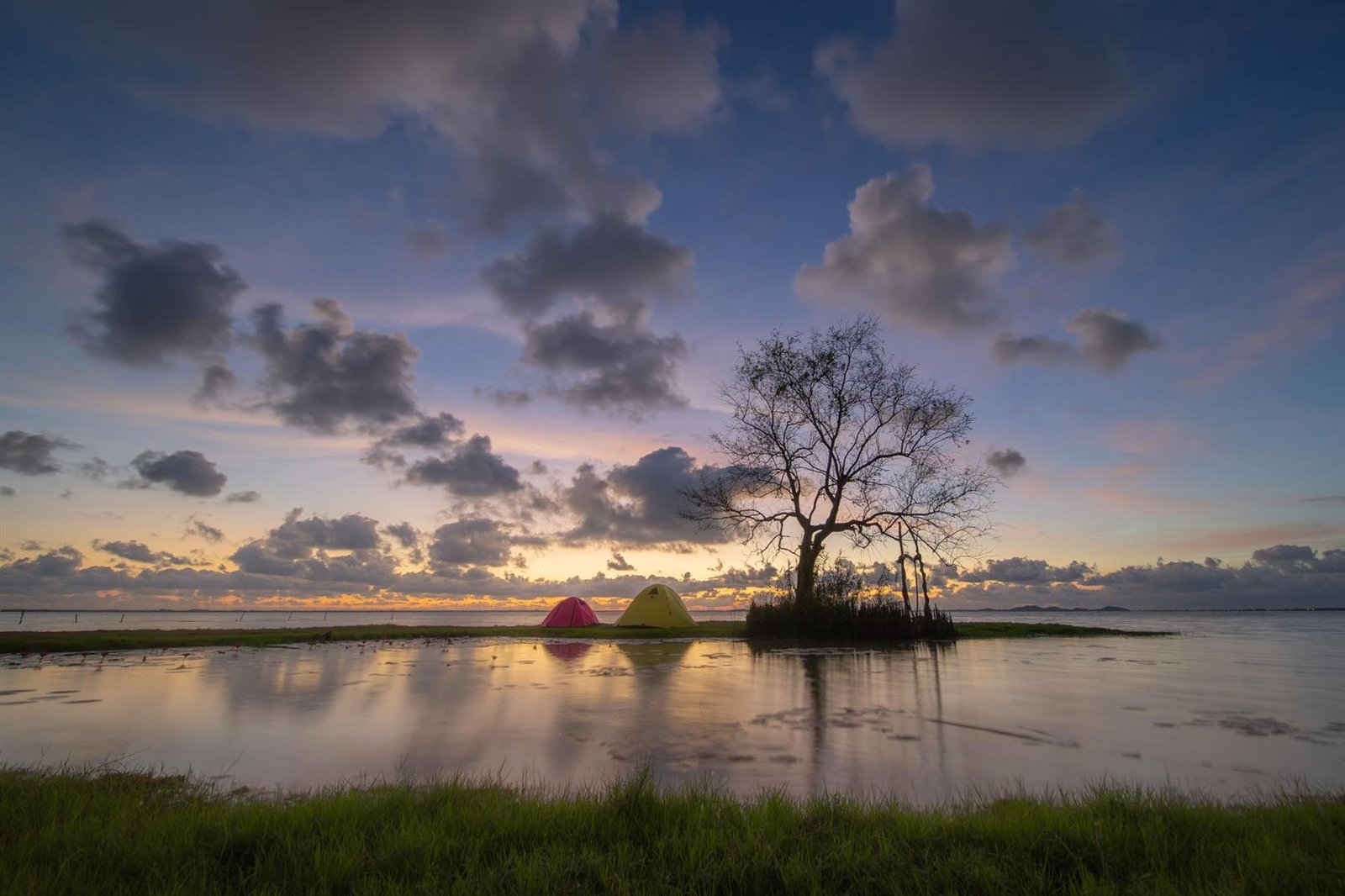
Songkhla Lake is Thailand’s largest natural lake, covering 1,040 square kilometers, but it is technically a three-part lagoon complex rather than a true freshwater lake. It stretches across Songkhla and Phatthalung provinces in southern Thailand, from a brackish sea channel at Songkhla city through the vast Thale Luang basin to the freshwater lotus fields of Thale Noi in the north. You visit not for one single lake view but for three completely different water worlds within a single ecosystem.
Wikipedia will give you the size, the salinity gradient, and the Ramsar wetland designation with the emotional register of a geography textbook. What it will not tell you is that a wooden longtail boat through the lotus fields of Thale Noi at dawn is one of the most quietly spectacular mornings you can have in southern Thailand. Or that the Irrawaddy dolphins in Thale Luang now number around fourteen individuals, and the boatman you hire determines whether you see them respectfully or chase them into hiding.
I have stood on the shore near the Si-Ha Islands and watched those dolphins break the surface, and I have also seen the difference between operators who cut their engines and those who do not. This guide fills in the practical, sensory, and ethical layers the encyclopedia structurally cannot.
Jump to: What Is It? | The Three Zones | When to Visit | How to Get There | Things to Do | Irrawaddy Dolphins | FAQs
Key takeaways
- Songkhla Lake is a three-part lagoon system: a southern brackish strait, the massive central Thale Luang basin, and the northern freshwater Thale Noi wetland.
- The northern section, Thale Noi, is a Ramsar-protected wetland famous for its pink lotus bloom, which peaks between February and April.
- A tiny, critically threatened population of Irrawaddy dolphins survives in Thale Luang, with roughly 14 individuals counted as of March 2024.
- You do not need a boat for the whole lake. The most rewarding visitor experience is a longtail boat tour through Thale Noi, which costs around 500 to 800 baht per boat depending on route length.
- The nearest major airport is Hat Yai International, about 90 minutes by road from the Thale Noi boat docks in Phatthalung province.
- Songkhla Lake is not a swimming destination. The southern section is tidal and brackish, the middle is shallow and silty, and Thale Noi is a protected wetland where swimming is not appropriate.
- The lake supports more than 200,000 visitors annually, mostly domestic Thai tourists, which means midweek visits feel dramatically quieter than weekends.
What is Songkhla Lake, really?
Songkhla Lake is the largest natural lake in Thailand, covering roughly 1,040 square kilometers along the Malay Peninsula in southern Thailand. The word “lake” is a simplification. Hydrologically, the water body is a lagoon complex, a series of connected basins separated from the Gulf of Thailand by a 75-kilometer sand spit that likely formed over centuries as silt accumulated between former offshore islands. A narrow 380-meter strait at Songkhla city connects the southern end of the lake to the open sea, which is why the water shifts from salty at the southern end to completely fresh at the northern end.
The lake borders two provinces: Songkhla to the south and east, and Phatthalung to the west and north. It is not a single scenic overlook but a sprawling, shallow water system that behaves differently in each of its three sections. Understanding that structure is the key to planning a visit because the experience at Thale Noi has almost nothing in common with the experience near Songkhla city.
Maya’s honest take: “If you arrive expecting one iconic viewpoint like Lake Toba or Inle Lake, you will be confused. Songkhla Lake rewards you for understanding its zones. Once I stopped treating it as a single destination and started treating it as three linked ecosystems, the trip made complete sense.”
The three zones of Songkhla Lake
The lake divides naturally into three distinct sections, each with its own ecology, scenery, and visitor experience. You can reasonably explore two of the three in one long day, but seeing all three properly requires two days.
The southern strait and Songkhla city
The southern section runs from the historic port town of Songkhla inland. This is the brackish zone, where seawater from the Gulf of Thailand mixes with freshwater from the lake. The water here is tidal and murky. You see fishing boats, stilt houses, and the working waterfront of Songkhla City. This section is less about scenic beauty and more about understanding the lake as a living, economic artery. The Samila Beach area, just outside the strait on the gulf side, is the more typical tourist stop, with its golden mermaid statue and long sandy shoreline. The lake side of Songkhla city offers a quieter, more local perspective, especially around the old fishing neighborhoods.
Thale Luang: dolphins and fishing villages
Thale Luang is the vast middle basin, the largest section at nearly 783 square kilometers. The water here is a mix of fresh and brackish depending on rainfall and tide, and the surface stretches so wide that on hazy days the far shore disappears. This is the dolphin zone. A small pod of Irrawaddy dolphins lives near the Si-Ha Islands, and local boat operators run dolphin-watching trips from the Phatthalung side. The shoreline is dotted with small fishing communities whose stilt houses and wooden boats give the area a slow, working-lake character. There are no major tourist facilities on the Thale Luang shore, which is precisely its appeal.
Thale Noi: lotus fields and bird sanctuary
Thale Noi, the northern tip of the lake, is the visitor highlight. This 28-square-kilometer freshwater wetland is part of the Thale Noi Non-Hunting Area, created in 1975, and the broader Phru Khuan Khi Sian wetlands have held Ramsar protection since 1998. The landscape here is a patchwork of shallow open water, dense Melaleuca swamp forest, paddy fields, and floating vegetation. During lotus season, huge areas of the water surface turn pink with blooming lotus. The birdlife is exceptional, with herons, egrets, storks, and migratory species gathering in numbers that make binoculars unnecessary for a close look. Most of the 200,000-plus annual visitors to the lake spend their time here, and for good reason.
Zone comparison at a glance
- Southern strait: Brackish, urban, historic, fishing economy
- Thale Luang: Wide open water, dolphins, quiet fishing villages
- Thale Noi: Freshwater, lotus fields, bird sanctuary, most scenic
Best for
- Photography: Thale Noi at dawn during lotus season
- Wildlife: Thale Luang for dolphins, Thale Noi for birds
- Culture: Songkhla city’s old town and fishing neighbourhoods
When to visit Songkhla Lake
The lake is accessible year-round, but the experience changes dramatically with the seasons. The most important timing question is lotus season at Thale Noi. The lotus blooms most heavily from February through April, with March generally the peak month. During this window, the shallow northern wetland transforms into a pink field that draws photographers and day-trippers from across southern Thailand. By May, the bloom fades and the vegetation returns to green.
For dolphin sightings in Thale Luang, the dry season from December through April offers calmer water and better visibility. The dolphins are present year-round, but boat trips are more comfortable and sightings are easier when the lake surface is not choppy. The rainy season, roughly October through December, brings heavy afternoon downpours and reduced visibility, though the wetland birdlife actually thrives in the wet months as water levels rise.
Seasonal calendar: February to April, peak lotus bloom at Thale Noi. December to April, best dolphin-watching conditions and driest weather. October to December, the green season, has fewer tourists and active birdlife. Weekends and Thai public holidays are noticeably busier than weekdays year-round.
How to get to Songkhla Lake
The lake is large, so your transport plan depends on which section you want to visit first. The two practical gateways are Hat Yai for the southern and central sections and Phatthalung town for the northern Thale Noi wetland. Hat Yai International Airport is the nearest major airport, with regular domestic flights from Bangkok and some international connections from Malaysia and Singapore.
From Hat Yai to Songkhla city
Songkhla city sits about 30 kilometers northeast of Hat Yai. A taxi or Grab takes 40 to 50 minutes and costs roughly 400 to 600 baht. Minivans run frequently from Hat Yai’s bus terminal and cost under 50 baht per person. From Songkhla City, you can explore the southern strait and arrange boat access to the upper reaches of Thale Luang.
From Hat Yai or Phatthalung to Thale Noi
Thale Noi is most easily reached from Phatthalung town, about 90 minutes north of Hat Yai by road. From Phatthalung, a songthaew or taxi covers the 30-kilometer stretch to the Thale Noi boat docks in under an hour. If you are coming directly from Hat Yai, the drive to the Thale Noi docks takes roughly two hours, and a private taxi costs around 1,200 to 1,500 baht. The journey passes through rural southern Thai countryside and is straightforward, though signage in English becomes sparse once you leave the main highway.
Things to do at Songkhla Lake
Longtail boat tour of Thale Noi
The essential Songkhla Lake experience is a wooden longtail boat ride through the Thale Noi wetlands. Boats depart from the docks near the Thale Noi Non-Hunting Area headquarters. A standard one-hour route costs around 500 baht per boat and takes you through narrow channels lined with Melaleuca trees and out into the open lotus fields. Longer two-hour routes, around 800 baht, venture deeper into the wetland and stop at bird observation points. During lotus season, the morning departures, roughly 6 a.m. to 8 a.m., deliver the best light and the quietest water before the weekend day-trippers arrive. The boat operators know where the lotus is densest and will adjust the route based on what is currently blooming.
Birdwatching in the Ramsar wetland
Thale Noi is one of southern Thailand’s most important bird habitats. The protected wetland supports resident species like purple herons, little egrets, and Asian openbills, plus seasonal migrants that arrive during the northern winter. Bring binoculars, but the birds are often close enough to photograph with a standard phone zoom. The best birdwatching months run from November through March, when the migratory species join the resident population.
Floating markets and local food
The Songkhla Lake area is known for its floating markets, particularly the Kuan Ki Sian floating market on the Phatthalung side. Small boats sell southern Thai food, fresh fruit, and local sweets along the water. The market operates on weekends and some weekday mornings. Even when the market is not running, the stilt-house villages along the lake edge offer a glimpse of daily life that has been shaped by the water for generations.
The Irrawaddy dolphins of Songkhla Lake
Thale Luang is home to a tiny, critically threatened population of Irrawaddy dolphins, a freshwater-adapted species that also survives in only a handful of other locations across Southeast Asia. As of March 2024, researchers estimated roughly 14 individuals remaining in the lake, concentrated near the Si-Ha Islands. The population is small enough that every dolphin is individually significant.
Boat operators on the Phatthalung side offer dolphin-watching trips, but not all operators behave responsibly. The best operators cut their engines when dolphins surface and maintain a respectful distance. Others chase the animals, which pushes them away from their feeding areas and adds stress to a population that cannot afford it. When you book, ask the operator directly whether they practice engine-off viewing. The ones who do will say so immediately. The ones who hesitate are telling you something important. The official protected status of Thale Noi, first established as a non-hunting area in 1975 and expanded with Ramsar designation in 1998, demonstrates that this lake’s ecological value has been recognized for decades. The dolphins represent the most fragile part of that ecosystem.
Maya’s honest take: “I watched two boats approach the dolphins on the same afternoon. One cut its engine and drifted. The other revved directly toward a surfacing pair. The dolphins vanished from the second boat’s area within minutes. Choose your operator with intention.”
Mistakes to avoid at Songkhla Lake
Most mistakes here come from treating the lake as a single simple attraction. It is not, and a few small adjustments prevent real disappointment.
- Expecting one iconic viewpoint. The lake is a sprawling, three-part system. Pick which section matches your interests before you set out.
- Visiting outside the lotus season without adjusting expectations. Thale Noi is still green and bird-rich year-round, but the pink lotus field is a February-to-April phenomenon. Plan accordingly.
- Booking a dolphin trip with the cheapest operator without asking about boat behavior. The cheapest operators are often the ones who chase. Ask about engine-off viewing before you hand over money.
- Arriving at Thale Noi at midday. The morning light is better for photography, and the weekend crowds have not yet arrived. By 11 a.m. the boat channels are busy.
- Assuming you can swim in the lake. The southern section is tidal and murky, the middle is silty and shallow, and Thale Noi is a protected wetland. This is a boating and wildlife destination, not a swimming spot.
- Forgetting that the lake spans two provinces with different access points. You cannot easily see all three sections from one dock. Plan for Songkhla city and Thale Noi as separate stops.
Frequently asked questions
Is Songkhla Lake worth visiting?
Yes, if you visit with the right expectations. Songkhla Lake is not a single dramatic viewpoint but a series of connected water landscapes, and the Thale Noi wetland section is genuinely one of the most beautiful places in southern Thailand. The lotus bloom from February to April is spectacular, the birdlife is exceptional, and the lake offers a cultural perspective you do not get from the beach resorts. Skip it if you only want swimming or nightlife.
Can you swim in Songkhla Lake?
Not really. The southern section near Songkhla City is tidal, brackish, and busy with boat traffic. Thale Luang is shallow and silty with limited shore access. Thale Noi is a protected wetland where swimming is not appropriate and would disturb the ecosystem. The lake is best experienced by boat, not by swimming.
How long do you need at Songkhla Lake?
A single full day is enough to explore Thale Noi by boat and visit one other section, such as Songkhla City’s waterfront. Two days gives you time to see Thale Noi at dawn, attempt a dolphin-watching trip in Thale Luang, and explore the southern strait without rushing. Most visitors treat the lake as a one-day excursion from Hat Yai or Phatthalung.
What is the best month to see the lotus flowers at Thale Noi?
The lotus bloom at Thale Noi peaks between February and April, with March generally the most reliable month. The exact timing shifts slightly with rainfall and water levels each year. If the lotus bloom is your priority, aim for late February through March and go early in the morning for the best light and the quietest water.
Are the Irrawaddy dolphins easy to see?
No. The population in Thale Luang numbers around 14 individuals as of early 2024, so sightings are not guaranteed. The dry season from December through April offers the calmest water and the best chances. A responsible boat operator who cuts the engine and waits improves your odds significantly compared to one that chases the animals.
How do I get from Hat Yai to Thale Noi?
The drive from Hat Yai to the Thale Noi boat docks takes roughly two hours by road. A private taxi costs around 1,200 to 1,500 baht. Alternatively, take a minivan or train from Hat Yai to Phatthalung town, then a songthaew or taxi for the remaining 30 kilometers to the Thale Noi docks. The most flexible option is renting a car or hiring a driver for the day.
Is Thale Noi a protected area?
Yes. Thale Noi has been a non-hunting area since 1975, and the surrounding Phru Khuan Khi Sian wetlands have held Ramsar designation since 1998. The protections cover the bird habitat, the Melaleuca swamp forest, and the freshwater wetland ecosystem. Visitors can explore by licensed longtail boat but should not swim, fish, or disturb the vegetation.
Plan your trip: booking platforms we trust
For southern Thailand, I look for platforms that cover both the major hubs like Hat Yai and the smaller towns like Phatthalung, because accommodation options thin out quickly once you leave the city. Flexible cancellation matters more here, since lake visits depend heavily on weather and season.
Best for Hat Yai and Phatthalung hotel inventory, with competitive rates for domestic Thai travel.
Best for guesthouses and small inns near Songkhla City and Phatthalung with free cancellation options.
Best for booking guided day trips and boat tours to Thale Noi that include transport from Hat Yai.
Best for reading recent reviews of specific Thale Noi boat operators and Songkhla city restaurants.