
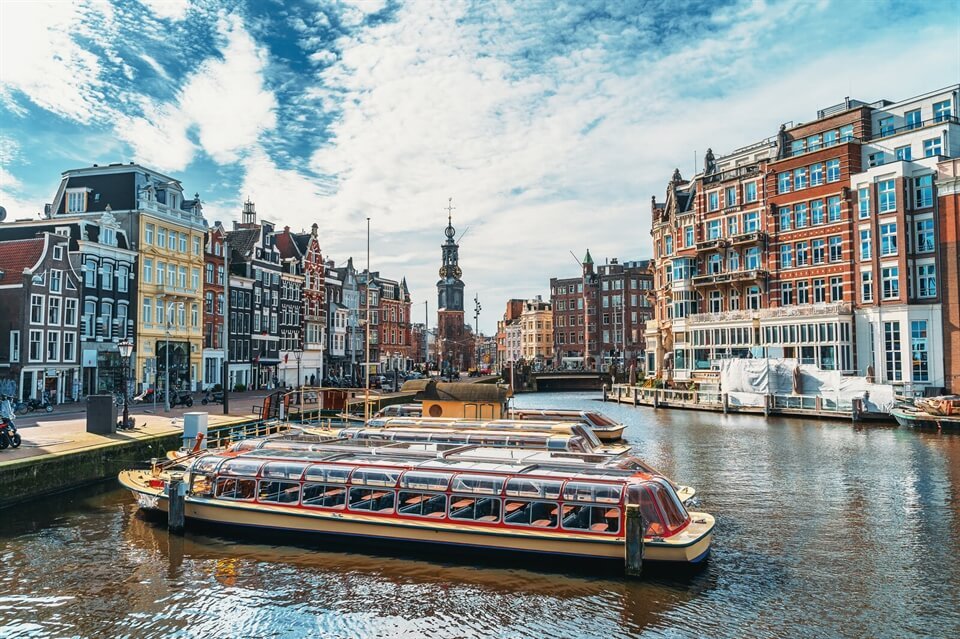
advertisement
Planning a Trip to Amsterdam: Costs, Timing & a 3-Day Itinerary
Fact-Checked By Maya Whitfield, Senior Travel Editor at WakaAbuja
A trip to Amsterdam needs 3 to 4 full days minimum, and 4 to 5 days if you want day trips to places like Zaanse Schans or Keukenhof. Budget 150 to 250 euros per person per day for a comfortable mid-range trip, including accommodation, food, local transport, and museum entries. Book Anne Frank House tickets 6 weeks ahead and lodging 3 to 4 months ahead for spring and summer.
Most Amsterdam guides tell you what to pack. Almost none tell you what the trip actually costs, how many days you really need, or what to do on each of them. This guide does all three. I have planned Amsterdam trips for first-timers on tight budgets and for travelers who want to do it properly. The city is small enough to feel manageable in a long weekend, but dense enough that planning the order of things saves you real money and real waiting time.
Jump to: When to Go | How Long to Stay | 3-Day Itinerary | What It Costs | Getting Around | Where to Stay | Etiquette Cheat Sheet | Safety | FAQ
Key takeaways
- Three full days is the minimum. Four days lets you add a day trip or a slower pace through the neighborhoods.
- A mid-range daily budget of 150 to 250 euros covers accommodation, food, transit, and one or two museum entries.
- Book the Anne Frank House 6 weeks ahead. It sells out consistently, and same-day tickets do not exist.
- Stay in the Jordaan or De Pijp for a local feel or the Canal Belt for postcard views. The Red Light District is central but noisy.
- The OV-chipkaart or a contactless bank card works on all trams, buses, and metros. You cannot buy tickets with cash on board.
- Bike theft is common. Lock your bike twice, once through the frame and once through the wheel, even for a 5-minute stop.
- The tourist tax in Amsterdam is among the highest in Europe, now 12.5% of your accommodation rate. It is usually not included in the advertised price.
When Is the Best Time to Visit Amsterdam?
The best months for a first trip are April, May, September, and early October. April brings the tulips and King’s Day, which is the city’s biggest street party. May has long days and mild weather. September and October have fewer crowds, lower hotel prices, and still-good light for walking and photos. I have visited in late September and early April, and both were excellent for different reasons.
Spring: March to May
Tulips, King’s Day, and the busiest season. Book lodging 4 months ahead. Prices peak, but the city is at its most beautiful.
Summer: June to August
Long days and outdoor cafes, but crowded and often humid. Hotel prices stay high. Book museums weeks ahead.
Autumn: September to November
The sweet spot. Fewer tourists, lower prices, and the canal light turns golden. Pack a rain jacket.
Winter: December to February
Cold, gray, and quiet. The light festival in December is lovely, but many outdoor attractions close early. Lowest prices of the year.
How Many Days Do You Need in Amsterdam?

Three full days is the minimum for Amsterdam itself. That gives you one day for the main museums and canal belt, one day for the neighborhoods and markets, and one day for a slower pace with a bike ride or a day trip. Four days is better, especially if you want to visit Zaanse Schans or Keukenhof in spring or just sit in a cafe without watching the clock.
If Amsterdam is one stop on a longer Netherlands trip, three days is enough. If it is your only destination, take four or five. The city is small, but the best parts are the unplanned ones, and those require time.
Maya’s honest take: “Amsterdam is not a museum city. It is a walking city. If you pack your days too tightly, you will spend all your time on trams and miss the whole point.”
A 3-Day Amsterdam Itinerary, Day by Day
This is the itinerary I give to first-timers who have exactly three full days. It assumes you are staying in or near the Canal Belt and are comfortable walking 30 to 45 minutes between areas. It is not overloaded. It leaves room for cafes and canal-side sitting, which are not optional in Amsterdam.
Day 1: The Canal Belt and Main Museums
Start at the Anne Frank House if you have a morning reservation. It opens early, and the line builds fast. Afterward, walk the Prinsengracht and Keizersgracht canals, then cross to the Museumplein for the Rijksmuseum or the Van Gogh Museum. Do not try to do both in one afternoon. Pick one and do it properly. Dinner in the Jordaan, then an evening walk along the lit canals.
Day 2: Neighborhoods, Markets, and Local Life
Start in De Pijp, where the Albert Cuypmarkt runs most mornings except Sunday. This is the real Amsterdam street market, not a tourist production. Lunch at a Surinamese or Indonesian spot, then walk to the Jordaan and the Nine Streets for shopping and canal views. End the day at a brown cafe, the traditional Dutch pubs with dark wood and no rush. This is the day that makes the trip feel local.
Day 3: Bikes, Parks, and a Day Trip or Slow Finish
Rent a bike and ride to Vondelpark, then continue to the Amsterdamse Bos if you want a longer ride. If biking is not your thing, take a day trip to Zaanse Schans for windmills or to Haarlem for a smaller, quieter version of Amsterdam. Both are under 30 minutes by train. Return for a final dinner in De Pijp or the Oost, away from the tourist center.
For museum tickets and canal cruises, I use GetYourGuide because the Amsterdam options are extensive and the cancellation policies are clear. For restaurant and cafe checks, TripAdvisor is still the fastest way to see what is good right now.
What a Trip to Amsterdam Costs
Amsterdam is not cheap, but the cost is manageable if you plan for it. A budget traveler can do it for around 100 to 130 euros per day. A mid-range traveler should budget 150 to 250 euros per day. A higher-end trip runs 350 euros per day and up. These numbers include accommodation, food, transit, and one or two paid attractions. They do not include your flight or the tourist tax.
Budget: 100 to 130 euros per day
- Hostel or budget hotel: 40 to 60 euros
- Food: 30 to 40 euros for casual meals and street food
- Transit: 8 to 12 euros with an OV-chipkaart
- Attractions: 20 to 30 euros for one paid museum or walk
Mid-range: 150 to 250 euros per day
- 3 or 4-star hotel in a central neighborhood: 100 to 160 euros
- Food: 60 to 80 euros for good restaurants and cafes
- Transit: 12 to 18 euros including occasional ride-share
- Attractions: 40 to 60 euros for two museums or a canal cruise
Higher-end: 350-plus euros per day
- Boutique canal-house hotel: 200-plus euros
- Food: 150-plus euros for fine dining and wine
- Transit: 30-plus euros for private transfers and taxis
- Attractions: 100-plus euros for private tours and premium experiences
The tourist tax is the hidden cost. It is 12.5% of your accommodation rate, and it is often added at check-in rather than shown in the advertised price. On a 150-euro hotel room, that is an extra 18 to 19 euros per night. Factor it in or you will be surprised at checkout. The official Dutch government site has current tax rates if you want to verify.
For booking hotels in Amsterdam, Booking.com has the widest selection of canal-belt properties. For comparing flight prices into Schiphol, Kayak is my usual starting point.
Getting Around Amsterdam: Trains, Trams, and Bikes
Amsterdam is a walking city, but the tram and metro network is excellent for longer stretches. You pay with an OV-chipkaart, a contactless bank card, or a single-use ticket from a machine. You cannot pay with cash on board. A single journey costs around 3 euros, and a day pass runs about 9 euros. If you have a contactless bank card, you can tap in and out on trams and trains without buying anything in advance.
Schiphol to the City Center
Trains from Schiphol Airport to Amsterdam Centraal run every 10 minutes and take about 15 minutes. A one-way ticket costs around 5 euros. Taxis cost 45 to 60 euros for the same trip and are not faster during peak hours. The train is almost always the right choice.
Biking in Amsterdam
Renting a bike is the most local way to get around, and the city is built for it. Bike rentals cost 10 to 15 euros per day. Lock your bike twice, once through the frame and once through the wheel, even if you are stopping for five minutes. Bike theft is real, and unlocked bikes disappear fast. Also, do not walk in the bike lanes. Locals will ring their bells, and they are not being rude; they are avoiding hitting you.
For bundling flight and hotel packages, Expedia often has Amsterdam deals that beat booking separately, especially for spring travel.
Where to Stay in Amsterdam for a First Trip
The Jordaan and the Canal Belt are the most atmospheric places to stay, with canal views and easy walking access to the main sights. De Pijp is more local, with the Albert Cuypmarkt and better casual food. The Red Light District is central but noisy at night. I would not stay there if you want quiet sleep.
Jordaan
Quiet, charming, and full of canalside cafes. Best for couples and first-timers who want atmosphere.
De Pijp
The most local-feeling central neighborhood. Great food, market life, and less tourist traffic.
Canal Belt
The classic Amsterdam postcard. More expensive, but you are in the middle of everything. Book early for spring.
For family apartments with more space, Vrbo has good options in the Jordaan and De Pijp. For a longer stay where you want a kitchen and a living room, an apartment often beats a hotel on both price and comfort.
Amsterdam Culture and Etiquette Cheat Sheet
The Dutch are direct, and they do not sugarcoat. This can feel abrupt if you are not used to it, but it is not rudeness. It is efficiency. Say “dank je wel” for thank you, and do not expect long small talk at a register. It is not personal.
- Tipping: Not obligatory, but round up or leave 5 to 10 percent for good sit-down service.
- Cash vs. cards: Cards are widely accepted, but carry a small amount of cash for markets and small purchases. Some places are card-only.
- Cannabis laws: Cannabis is tolerated in licensed coffeeshops, not legal everywhere. Do not smoke on the street or in public parks. It is illegal and annoys locals.
- Red Light District: Do not photograph the workers. It is disrespectful and can get you in trouble.
- Bike lanes: Do not walk in them. This is the fastest way to identify yourself as a tourist and get hit.
Safety in Amsterdam: Canals, Bikes, and Pickpockets
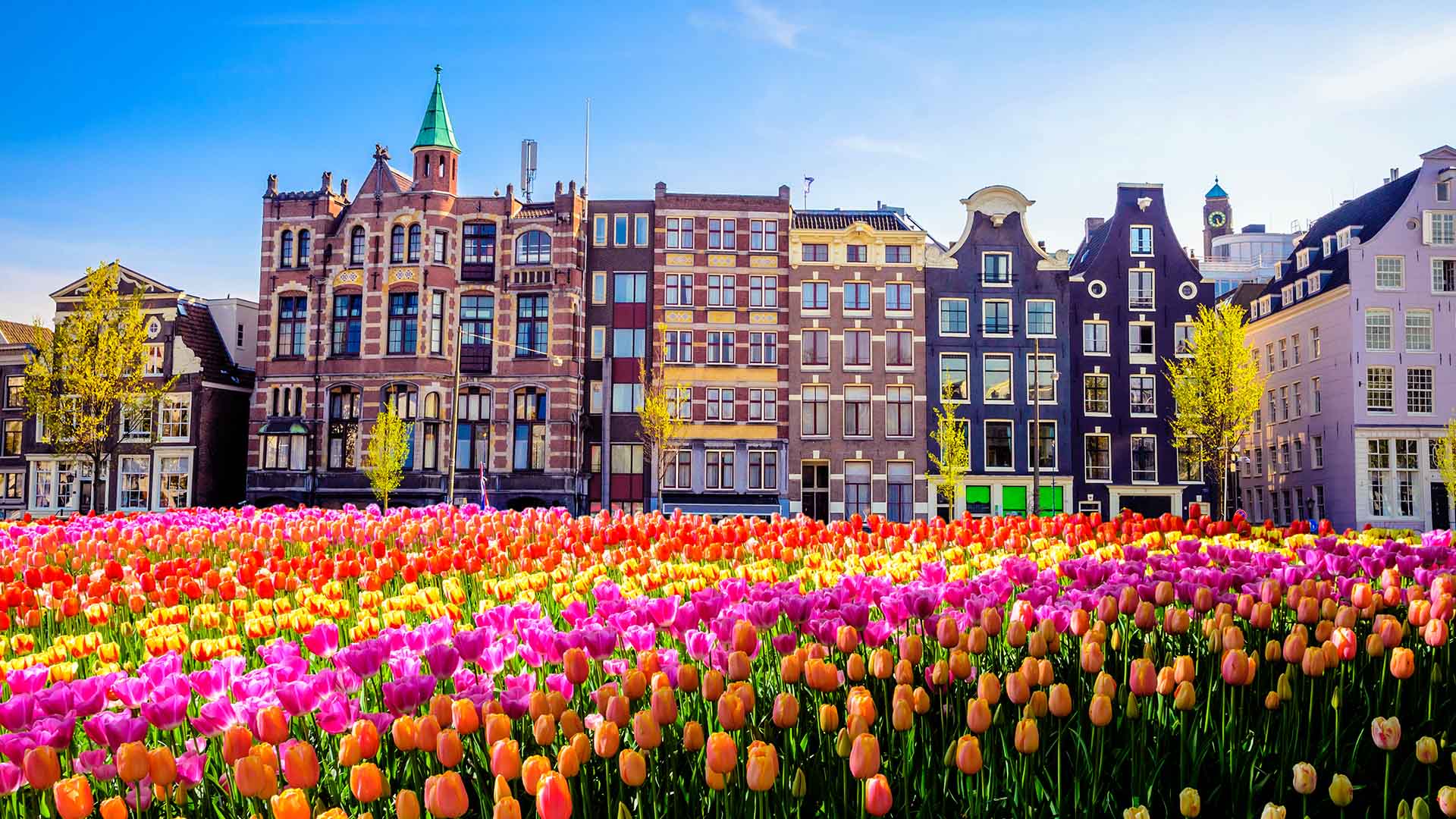
Amsterdam is generally safe for tourists. The main risks are pickpocketing, bike accidents, and the canals. The canals almost never have barriers, and people do fall in, especially after drinking near the water. Keep a safe distance from the edge at night, and do not sit on canal walls after a few drinks.
Pickpockets work the busy areas: Central Station, Dam Square, the Red Light District, and crowded trams. Keep your phone and wallet in a zippered front pocket or a crossbody bag. I have had a friend lose a phone on a packed tram near Central Station. She never felt it happen.
The emergency number in the Netherlands is 112. The non-emergency police line is 0900-8844. Medical care is good, and most doctors and hospital staff speak English. If you need a pharmacy, look for the word “apotheek.”
What to Pack for Amsterdam
The weather changes fast, and the streets are cobbled. Pack layers, a waterproof jacket, and comfortable walking shoes. I have been caught in rain in Amsterdam in July, and the temperature dropped 10 degrees in an hour. A compact umbrella or rain shell is worth the space.
Bring a reusable water bottle. Tap water is safe and good, and there are free refill points around the city. A portable phone charger is useful because you will use your phone for maps, tickets, and transit throughout the day. Leave the heels at home. Cobblestones are unforgiving.
Frequently Asked Questions
How many days do I need for a trip to Amsterdam?
Three full days is the minimum for Amsterdam itself. Four to five days is better if you want to add day trips or a slower pace. The city is compact, but the best experiences are the unplanned ones, and those require time.
Is Amsterdam expensive to visit?
Amsterdam is moderately expensive. A mid-range traveler should budget 150 to 250 euros per person per day, including accommodation, food, transit, and attractions. Budget travelers can do it for around 100 to 130 euros per day, while higher-end trips run 350 euros or more per day.
Do I need a visa to visit Amsterdam?
Citizens of the US, Canada, the UK, Australia, and many other countries do not need a visa for short stays in the Netherlands. From late 2026, visa-exempt travelers will need an ETIAS authorization before departure. Check the official Dutch government or EU site for the current rules before you book.
What is the best area to stay in Amsterdam for first-timers?
The Jordaan and the Canal Belt are the best areas for first-timers. They are central, walkable, and full of atmosphere. De Pijp is a good alternative if you want a more local feel with better casual food options.
Do you need to book Amsterdam museums in advance?
Yes, especially the Anne Frank House and the Van Gogh Museum. The Anne Frank House sells out up to 6 weeks in advance, and same-day tickets do not exist. The Rijksmuseum and Van Gogh Museum also sell out during peak season, so book online before you travel.
Is Amsterdam safe for tourists?
Amsterdam is generally safe. The main risks are pickpocketing in crowded areas and bike accidents. The canals are beautiful but usually have no barriers, so be careful near the water, especially at night. The emergency number is 112.
Can you pay with cash in Amsterdam?
Cards are widely accepted, and some places are card-only. However, it is useful to carry a small amount of cash for markets, small purchases, and occasional places that do not take cards. You cannot pay with cash on trams or buses.
What is the tourist tax in Amsterdam?
The tourist tax in Amsterdam is 12.5% of your accommodation rate. It is usually added at check-in and is not included in the advertised price. On a 150-euro hotel room, that is an extra 18 to 19 euros per night.
Plan your trip: booking platforms we trust
For an Amsterdam trip, the booking order I recommend is flight first, then hotel, then museums and special meals. Here are the platforms I use for each step, based on what actually works for Amsterdam specifically.
Best for comparing flights into Schiphol Airport.
The widest selection of canal-belt hotels and apartments.
Good for museum tickets, canal cruises, and day trips.
Best for family apartments in the Jordaan and De Pijp.
Good for recent restaurant and cafe reviews.