
Trip to Cairns: The Complete Planning Guide (Costs, Itinerary & Best Time to Go)
Fact-Checked By Maya Whitfield, Senior Travel Editor at WakaAbuja
You need at least 3 full days in Cairns for the reef and the city, but 5 to 7 days is ideal if you want to add the Daintree Rainforest and Kuranda. A mid-range trip costs roughly 200 to 300 AUD per person per day, including accommodation, food, and a reef tour. The best time to visit is June through October, the dry season, when the weather is clear and the stingers are mostly gone. Stay in Cairns City for convenience or Port Douglas for a quieter, more upscale base.
Most Cairns travel guides are really just hotel and tour directories dressed up as advice. This one is not. I have planned this trip for first-timers who only had a weekend and for travelers who stayed two weeks. Here is exactly how many days you need, what it will actually cost, when to go, and a day-by-day plan you can copy. It is based on what actually works, not what is easiest to book.
Jump to: How Many Days You Need | What It Costs | Best Time to Go | Where to Base Yourself | 5-Day Itinerary | Getting There and Around | Mistakes to Avoid | FAQ
Key takeaways
- Three full days is the minimum for Cairns. Five to seven days lets you add the Daintree, Kuranda, and a proper reef day without rushing.
- A mid-range budget is 200 to 300 AUD per person per day. A Great Barrier Reef tour alone costs 150 to 250 AUD for a full-day trip.
- The dry season, June through October, is the best time to visit. The wet season, November through April, brings rain, humidity, and marine stingers.
- Cairns City is the most convenient base. Port Douglas is quieter and closer to the Daintree. Palm Cove sits between them, on the beach.
- Do not swim at Cairns city beaches. The beaches there are mudflats, and the real swimming spots are in the northern suburbs or on the reef.
- Pre-book your reef tour and Kuranda Skyrail in peak season. They sell out days ahead, especially in July and August.
- Cairns Airport is 10 minutes from the city center. Port Douglas is an hour north by car or shuttle.
How Many Days Do You Need in Cairns?
Three full days is the minimum. That gives you one day for the Great Barrier Reef, one day for the city and the northern beaches, and one day for Kuranda or the Atherton Tablelands. If you try to do Cairns in two days, you will spend one entire day on a boat and barely see the town itself.
Five to seven days is the sweet spot. That gives you a reef day, a Kuranda day, a full day for the Daintree Rainforest and Cape Tribulation, and a buffer day for weather. The reef and the rainforest are both weather-dependent, and you do not want to lose your only chance because of a rough sea day. I have seen reef tours get canceled or rerouted when the wind picks up, and the flexibility to move a reef day by 24 hours is worth the extra cost of a longer stay.
Maya’s honest take: “Cairns is a launchpad, not a beach town. The city itself is small and walkable, but the things you came for, reef and rainforest, are full-day commitments. Plan for the day trips, not the city center.”
What Does a Trip to Cairns Actually Cost?
Cairns is not cheap, mostly because the reef tour is a non-negotiable expense. A budget traveler can do it for around 120 to 150 AUD per day. A mid-range traveler should budget 200 to 300 AUD per day. A higher-end trip runs 400 AUD per day and up. These numbers include accommodation, food, transit, and one major activity per day, but not your flight into Cairns.
Budget: 120 to 150 AUD per day
- Hostel or budget hotel: 35 to 55 AUD
- Food: 30 to 40 AUD for cafes and self-catering
- Transit: 15 to 20 AUD for local buses and shuttles
- Activity: 60 to 80 AUD for a budget reef or Kuranda day
Mid-range: 200 to 300 AUD per day
- 3 or 4-star hotel or apartment: 120 to 180 AUD
- Food: 60 to 80 AUD for good restaurants and a reef boat lunch
- Transit: 20 to 30 AUD, including an occasional shuttle or taxi
- Activity: 150 to 250 AUD for a full-day reef tour
Higher-end: 400-plus AUD per day
- Boutique hotel or resort in Port Douglas: 250-plus AUD
- Food: 150-plus AUD for fine dining and wine
- Transit: 50-plus AUD for private transfers and car rental
- Activity: 300-plus AUD for premium reef tours and helicopter flights
A 5-day, mid-range trip for one person runs roughly 1,000 to 1,500 AUD before flights. The single biggest variable is the reef tour. A standard day boat with snorkeling costs 150 to 200 AUD. A premium operator with a smaller group, a glass-bottom boat, and a buffet lunch runs 220 to 280 AUD. Helicopter add-ons start around 350 AUD. For booking hotels and apartments in Cairns, Booking.com has the widest selection in the city center and along the Esplanade. For comparing flights into Cairns, Kayak is my usual starting point.
Best Time to Visit Cairns
The best time to visit Cairns is June through October. This is the dry season, with clear skies, low humidity, and daytime temperatures in the mid-20s Celsius. The water is cooler, but the reef visibility is at its best. This is also when marine stingers are mostly absent from the swimming areas, though you should always check current warnings before entering the water anywhere.
The wet season, November through April, is hot, humid, and rainy. Cyclones are possible, especially January through March, and reef tours get canceled when conditions are unsafe. Stinger season runs roughly November to May, and swimming is restricted to netted enclosures at the northern beaches. The one advantage of the wet season is that the rainforest is spectacularly green and waterfalls are at full flow. I have visited in February, and the humidity was punishing, but the Daintree looked alive in a way it never does in the dry months.
@ebonymaybakess We were blessed with the most beautiful weather 🥹🌴 #cairns #wetseason #foryoupage #travel #greatbarrierreef
Dry Season: June to October
- Best reef visibility
- Low humidity, mild nights
- Stingers mostly absent
- Busiest and most expensive
Shoulder Season: April to May
- Fewer crowds than dry season
- Rain easing, humidity dropping
- Some stingers still present
- Good value on hotels
Wet Season: November to April
- Hot, humid, frequent rain
- Cyclone risk January to March
- Stinger season, swimming restricted
- Lush rainforest and full waterfalls
For official weather patterns and cyclone warnings, the Australian Bureau of Meteorology Cairns page is the source I trust. Do not rely on hotel websites for cyclone information.
Where to Base Yourself: Cairns City vs. Port Douglas vs. Palm Cove
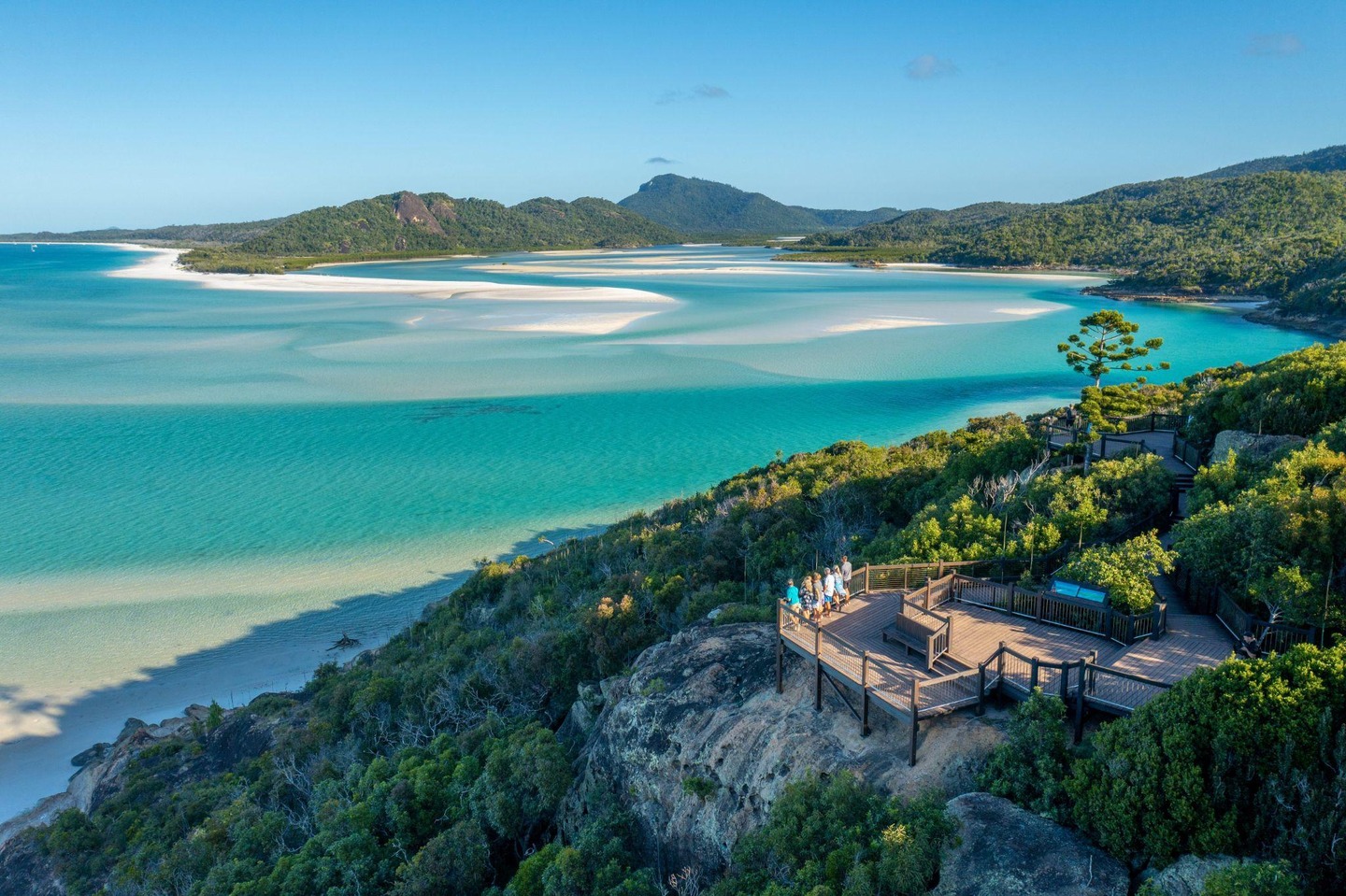
This is the biggest accommodation decision most visitors face, and the answer depends on what kind of trip you want. Cairns City is the most convenient base for reef tours, day trips, and budget accommodation. Port Douglas is quieter, more upscale, and closer to the Daintree, but further from the airport and the main reef departure points. Palm Cove is a beachside compromise between the two, popular with couples and families.
Cairns City
Best for: Convenience, budget travel, solo travelers. The Esplanade is walkable, the reef boats leave from the marina, and every tour operator has a pickup here.
Port Douglas
Best for: Upscale stays, honeymooners, Daintree access. It is an hour north of Cairns Airport, so transfers are longer and more expensive. Reef tours depart from the marina here but are fewer and pricier.
Palm Cove
Best for: Beachfront calm, families, couples. It is 25 minutes north of Cairns Airport and quieter than the city. The beach is swimmable in the dry season, and the main street is full of good restaurants.
For first-timers who want the easiest logistics, I recommend Cairns City. You can always do a day trip to Port Douglas and Palm Cove, which is exactly what most people do anyway. If you are staying a week or more and want a slower pace, Port Douglas is the better call, but budget for the transfer.
The Perfect 5-Day Cairns Itinerary
This is the itinerary I give to first-timers who have exactly five full days. It assumes you are staying in Cairns city and using a mix of pre-booked tours and local transportation. It is not overstuffed. It leaves room for the humidity, the early starts, and the fact that some days you will just want to sit by the Esplanade pool.
@shelbyreickstravels do not stay in Sydney the whole time on your trip to Australia! Make sure to add a stop in Cairns! #travelguide #travel #australiatravel #australiaitinerary #cairns #cairnsaustralia #cairnsitinery
Days 1 and 2: Cairns City and the Great Barrier Reef
Day one: recover from the flight and walk the Esplanade, the waterfront promenade. Do not swim at the city beach; it is a mudflat, not a beach. Visit the Cairns Night Markets and get dinner in the city. Day two, do your Great Barrier Reef tour. Book a full-day boat that departs early and includes snorkeling, lunch, and a stop at a pontoon or reef platform. This is the reason you came. Do not skimp on this day.
Day 3: Kuranda and the Skyrail
Take the Skyrail Rainforest Cableway up to Kuranda, a village in the rainforest above the city. Spend the morning at the markets and the butterfly sanctuary, then ride the Kuranda Scenic Railway back down. The whole trip is touristy but genuinely beautiful. Book the Skyrail and train combo in advance, especially in July and August.
Days 4 and 5: Daintree and Cape Tribulation
Rent a car or book a small-group tour for a full day in the Daintree Rainforest. Drive north past Port Douglas, cross the Daintree River on the ferry, and continue to Cape Tribulation. Walk the boardwalks, look for cassowaries, and swim at the freshwater swimming holes, not the ocean beaches. This is the oldest rainforest in the world, and it feels like it.
For booking reef tours and Kuranda packages, GetYourGuide has a huge range of Cairns options with current reviews. For restaurant and cafe recommendations, TripAdvisor is still the fastest way to check recent visitor feedback, even if I would not use it as my only source.
Getting There and Getting Around Cairns
Cairns Airport is about 10 minutes by car from the city center, which makes it one of the easiest airport arrivals in Australia. A taxi or ride-share costs 25 to 35 AUD to the Esplanade. There is no train from the airport. Shuttle buses run to most hotels and cost around 15 to 20 AUD per person.
Cairns city itself is walkable, and the Esplanade is flat and pedestrian-friendly. For anything further, the local SunBus network covers the northern beaches and the suburbs. You can rent a car for the Daintree day, but you do not need one for the city. Car rental in Cairns is competitive, so book ahead in the dry season.
Key drive times: Cairns to Palm Cove is 25 minutes. Cairns to Port Douglas is 1 hour. Cairns to Kuranda is 30 minutes by road, or 90 minutes on the scenic railway. Cairns to Cape Tribulation is 2.5 hours including the ferry. These times assume dry-season road conditions. In the wet season, the Daintree ferry and the roads can close after heavy rain.
For bundling flight, hotel, and car rental, Expedia often has package deals that beat booking separately. For car rental only, Kayak compares the major Cairns rental companies in one search.
7 Mistakes First-Timers Make in Cairns
These are the mistakes I have seen people make, and in a couple of cases, made myself. None of them ruin a trip, but all of them cost time or money that you do not need to lose.
- Swimming at the Cairns city beach. It is a mudflat, not a beach. The real beaches are at Palm Cove and the northern suburbs, and even those have stinger restrictions in the wet season.
- Booking a reef tour the day before. In the dry season, good operators sell out days ahead. Book your reef day before you book your hotel.
- Underestimating the distance to the Daintree. Cape Tribulation is a full day trip, not a half-day drive. Start early, and do not expect to be back in Cairns for a 6 p.m. dinner.
- Ignoring the weather. The reef is a weather-dependent activity. If your tour gets canceled, you need a backup plan. That is another reason to stay at least five days.
- Not buying travel insurance. Cyclone season is real, and flights and tours get canceled. Travel insurance is not optional here.
- Wearing flip-flops on the reef pontoon. Reef platforms are wet and slippery. Bring water shoes or reef-safe sandals with grip.
- Forgetting that the sun is stronger here. Queensland has one of the highest UV levels in the world. You will burn in half the time you expect, even on cloudy days. Wear reef-safe sunscreen and a hat.
Frequently Asked Questions
How many days do I need for a trip to Cairns?
Three full days is the minimum for the reef and the city. Five to seven days is better if you want to add the Daintree Rainforest, Kuranda, and a buffer day for weather. The reef and rainforest are both full-day commitments, so the more days you have, the less rushed the trip feels.
What is the best time of year to visit Cairns?
June through October is the best time. This is the dry season, with clear skies, low humidity, and the best reef visibility. November through April is the wet season, with rain, humidity, cyclone risk, and marine stingers. May is a good shoulder month with fewer crowds.
Is Cairns expensive for tourists?
Cairns is moderately expensive, mostly because the Great Barrier Reef tour is a significant cost. A mid-range traveler should budget 200 to 300 AUD per day. Budget travelers can do it for 120 to 150 AUD, while higher-end trips run 400 AUD or more per day.
Can you swim in the ocean at Cairns?
You cannot swim at the Cairns city beach, which is a mudflat. The northern beaches, like Palm Cove, are swimmable in the dry season, but marine stingers are a risk from November through May. Many tourists swim at the freshwater holes in the Daintree or in the lagoon on the Cairns Esplanade instead.
Do I need a visa to visit Cairns from the US or UK?
Yes. Most international visitors need either an e-visitor visa or an Electronic Travel Authority to enter Australia. US and UK citizens are eligible for these, which are applied for online before you travel. The official Australian immigration website is the only source you should use, and processing times vary.
What is the difference between Cairns and Port Douglas?
Cairns is a small city, the main transport hub, and the departure point for most reef tours. Port Douglas is a quieter, more upscale town an hour north, closer to the Daintree and with a nicer beach. Cairns is better for budget travelers and first-timers. Port Douglas is better for a slower, resort-style stay.
Do I need a car in Cairns?
No, you do not need a car in the city of Cairns. The center is walkable, and tours include pickup. You only need a car for the Daintree day or if you want to explore the northern beaches independently. Rent one for the day rather than for the whole trip unless you are staying in Port Douglas or Palm Cove.
What is stinger season in Cairns?
Stinger season runs roughly November through May. Marine stingers, including box jellyfish and Irukandji, are present in coastal waters during these months. Swimming is restricted to netted enclosures at the beaches, and many people swim only on the reef, where the risk is lower. Always check current warnings before entering the water.
Plan your trip: booking platforms we trust
For a Cairns trip, the booking order I recommend is flight first, then reef tour, then hotel, then car rental for the Daintree day. Here are the platforms I use for each step, based on what actually works for Cairns specifically.
Best for comparing flights into Cairns and car rental prices.
Good for Great Barrier Reef tours and Kuranda packages.
The widest selection of hotels and apartments in Cairns City.
Best for family apartments and longer stays in Palm Cove.
Good for recent restaurant reviews and reef operator feedback.