A Trip to Florence: How Many Days You Need, What It Costs, and the Tickets to Book First
A trip to Florence works best at three days, which covers the Duomo, the Uffizi, the Accademia for David, and a slow afternoon across the Arno without sprinting. Budget travelers should plan on roughly 110 to 140 dollars per day, mid-range travelers around 220 to 300 dollars, and upscale travelers from 420 dollars upward, excluding flights (confirm current rates with your hotel and the official museum sites). The T2 tram from Florence airport to Santa Maria Novella costs about 1.70 euros and takes roughly 20 minutes (check the current fare with the local transit operator).
Florence rewards the planner and punishes the wanderer. The historic center is small enough to walk in twenty minutes, but the two museums that justify the trip both run on timed entry, and the good restaurant slots fill up days ahead.
I have stood in the wrong queue at the Accademia with a ticket for the wrong time slot, and I have eaten a forgettable dinner because I did not book anything. This guide is the version I wish someone had handed me before my first visit.
Jump to: How many days | Itinerary | Getting there | Costs | Firenze Card vs. tickets | Day trips | Mistakes to avoid | FAQ
Key takeaways
- Three days is the minimum for a first trip to Florence. Two days means you pick between the Uffizi and the Accademia, and that is a bad trade.
- The Firenze Card costs 85 euros and is valid for 72 hours, but it does not include the Duomo complex, so do the math before you buy (confirm current pricing on the official Firenze Card site).
- Book the Accademia and Uffizi two to three months ahead in high season, and check the official site for the exact booking window (verify current hours and ticket rules with each museum).
- The T2 tram connects Florence airport to Santa Maria Novella in about 20 minutes for roughly 1.70 euros (check the current fare with the local transit operator).
- Palazzo Pitti charges less before 8:59am, at 19 euros instead of 25 euros, which is a real saving if you are an early riser (confirm the current early-bird price on the official Uffizi Galleries site).
- Restaurants in Florence fill up by 8pm for the 7:30 to 8:30 dinner window, so book at least a day ahead, and more if it is a weekend.
How many days do you need for a trip to Florence?
Three days is the correct answer for a first visit. That gives you one full day for the Duomo and the historic center, one for the Uffizi and the Arno, and one for the Accademia and a slower afternoon in Oltrarno. Five days lets you add a day trip to Siena or Pisa, plus a half day at Palazzo Pitti and the Boboli Gardens, which most three-day visitors skip and regret.
I have done Florence in a single day, arriving from Rome on the morning train and leaving after dinner. It was technically possible, but it was a tour of queues rather than a visit to a city. Two days is the minimum if you want to see both major museums without running between them. One day is only enough for the Duomo and a walk across the Ponte Vecchio, and I would not recommend it unless you have no other option.
Maya’s honest take: “If you only have two days, book the Accademia for the morning and the Uffizi for the afternoon. Doing them back to back is exhausting, but seeing both is worth the fatigue.”
What does a realistic 3-day Florence itinerary look like?
This plan keeps each day in one part of the city, so you are not crossing the Arno twice or queueing for the same museum at the wrong time. It assumes you are staying in the historic center within walking distance of the Duomo.
Day 1: Duomo, Piazza della Signoria, Ponte Vecchio
Start at the Duomo complex at opening time, around 8:15am, and book the Brunelleschi Pass in advance to climb the dome (confirm current pricing and booking rules on the official Opera del Duomo site). The climb is 463 steps and takes about 45 minutes, but the view from the top is worth every stair. After descending, walk to Piazza della Signoria for the Palazzo Vecchio exterior and the Loggia dei Lanzi, then lunch in the Oltrarno across the Ponte Vecchio. The afternoon is a slow walk through the Santo Spirito neighborhood, which has the best casual food in the city and far fewer tourists than the center.

Day 2: Uffizi, Arno, and a proper dinner
Book the Uffizi for the earliest slot of the day. Even with a timed ticket, the gallery fills up quickly, and the Botticelli rooms become a scrum by mid-morning. Give it three hours if you actually want to see the collection. Lunch at a trattoria in the Santa Croce neighborhood, then walk the Arno riverbank toward the Ponte Vecchio at golden hour, which is when the light is best and the crowd is thin.
Dinner at a restaurant in Santa Croce or Oltrarno, booked the night before. I once ate at a place on the Piazza della Signoria with a view of the Palazzo Vecchio, and it was the worst meal of the trip. Cross the Arno, pay half, and eat better.
Day 3: Accademia, San Marco, and Palazzo Pitti
Book the Accademia for the opening slot at 8:15am, because the David room is empty for the first twenty minutes and becomes crowded after. After the museum, walk to the San Marco monastery to see Fra Angelico’s frescoes, which are the quietest major art experience in Florence. Lunch near San Marco, then a slow afternoon at Palazzo Pitti and the Boboli Gardens, and a final dinner in the Oltrarno.
If you are an early riser, buy your Pitti ticket before 8:59am to pay 19 euros instead of 25 (confirm the current price on the official Uffizi Galleries site).
Maya’s honest take: “Do not schedule two museums on the same day. By the time you finish the Uffizi, your eyes are full and the Accademia deserves your full attention the next morning.”
Best for a 3-day trip
- Brunelleschi Pass for the dome climb on day one
- Uffizi opening slot on day two
- Accademia opening slot and San Marco on day three
- Dinner in the Oltrarno, away from the Piazza della Signoria
Worth considering
- Adding a fourth day for Siena or Pisa by train (check current fares on Kayak)
- Booking a Florence food tour in the Oltrarno for a guided introduction to Tuscan cooking
How do you get to Florence?
The easiest route from most of Europe is by high-speed train. Frecciarossa and Italo both connect Florence to Rome, Milan, Venice, and Bologna in under three hours. From Rome, the fast train takes roughly 1 hour 30 minutes; from Milan, about 1 hour 45 minutes. Book as soon as your dates are fixed, because fares rise sharply in the last few weeks before departure.
If you are flying, Florence Peretola airport (FLR) is the closest option, and the T2 tram connects the airport to Santa Maria Novella station in roughly 20 minutes for about 1.70 euros (check the current fare with the local transit operator). The tram is the easiest airport transfer I have used in Italy, and it avoids the taxi queue entirely. Pisa Galileo Galilei Airport (PSA) is often cheaper to fly into, and the train from Pisa Centrale to Florence takes about 1 hour, with a shuttle from the airport to the station. Bologna Marconi (BLQ) is another option, with trains to Florence taking around 40 minutes from Bologna Centrale.
Driving into Florence is not recommended for most visitors. The historic center is a limited traffic zone, and fines for entering it without a permit are real. If you need a car for a Tuscany road trip, pick it up on the day you leave the city, not the day you arrive.
How much does a trip to Florence actually cost?
Florence is not as expensive as Venice or Milan, but it is not a budget destination either. The numbers below reflect what I have paid and what current listings show this year.
Budget travelers staying in a hostel or budget hotel in Santa Croce or San Lorenzo, eating one restaurant meal per day and using a mix of walking and public transport, should plan on roughly 110 to 140 dollars per person per day, excluding flights (confirm current rates on Booking.com). Mid-range travelers in a three-star or four-star hotel with restaurant meals and one paid attraction per day should budget around 220 to 300 dollars per person per day. Upscale travelers in a five-star property with fine dining and private tours start near 420 dollars per person per day (check current rates with each hotel).
Flights from within Europe typically run 80 to 250 dollars round trip depending on origin and season, while from the US East Coast the range is closer to 500 to 900 dollars (check current fares on Kayak before you book). The hidden costs are museum tickets and restaurant coperto, a cover charge of 2 to 4 euros per person that appears on every restaurant bill and is normal, not a scam.
Best ways to save
- Visit in November or early March for the lowest hotel rates and thinner crowds
- Eat lunch at a trattoria, not dinner, because lunch menus are nearly identical and 30 to 40 percent cheaper (confirm current menu prices before you sit down)
- Buy the Pitti ticket before 8:59am to pay 19 euros instead of 25 (check the official site)
Worth considering
- Staying one neighborhood outside the center, where hotel rates drop noticeably
- A guided Uffizi tour if you want to skip the general admission queue
Is the Firenze Card worth buying?
The Firenze Card costs 85 euros and is valid for 72 hours (confirm current pricing and inclusions on the official Firenze Card site). It includes entry to the Uffizi, Accademia, Palazzo Pitti, Bargello, and roughly 70 other sites, but it does not include the Duomo complex, which has its own separate ticket and climb booking. If you plan to visit four or more of the included sites, the card pays for itself. If you are only doing the Uffizi and the Accademia, buy individual timed tickets instead.
The important caveat: the Firenze Card still requires you to book timed entry for the Uffizi and Accademia through the museum’s booking system, so it does not eliminate the reservation step. The card’s real value is skipping the payment step at smaller sites and re-entering museums if you want to go back. For a three-day trip with four major sights, the card is roughly break-even, and the convenience is worth a small premium.
Best for
- Visitors doing four or more major museums in three days
- Travellers who want the flexibility to revisit a museum
- Anyone who hates buying tickets at each site
Worth considering
- Individual tickets if you are only doing the Uffizi and Accademia
- A separate Duomo ticket, since the complex is not covered by the Firenze Card
What are the best day trips from Florence?
Siena is the strongest day trip. The train from Florence takes about 1 hour 30 minutes via Empoli, or 50 minutes on the fast bus, and the Piazza del Campo and the Duomo are worth the whole day . Pisa is 50 to 60 minutes by regional train and best done as a half day, since the Leaning Tower and the cathedral square are the only real draws. Lucca is 1 hour 20 minutes by train and is the most underrated option, with a walkable wall circling the entire city.
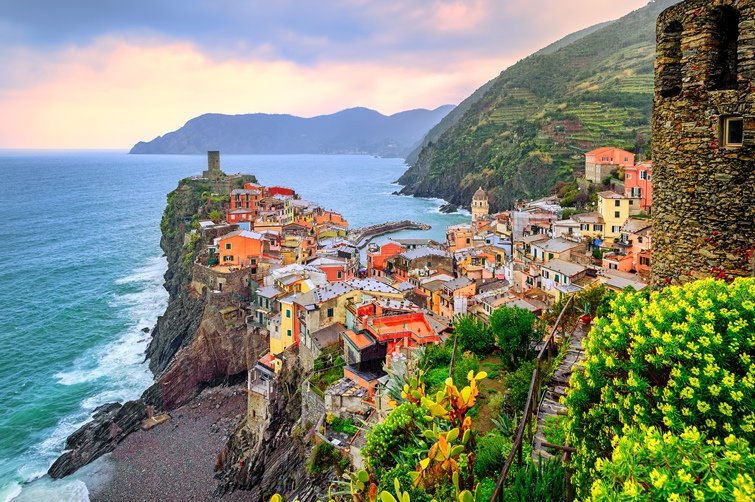
Bologna is 40 minutes by high-speed train and is worth a full day for the food alone. Cinque Terre is three hours each way, which makes it a long day from Florence and better done as an overnight. If you are adding a day trip to a three-day Florence trip, pick one and give it the full day rather than trying to combine two.
What do first-time Florence visitors get wrong?
Booking the Accademia and Uffizi on the day. In high season these sell out weeks ahead. Book two to three months out and check the official museum site for the exact window (verify current hours and rules before booking) .
Assuming the Firenze Card covers the Duomo. It does not. The Duomo complex has its own ticket, and the dome climb requires a separate timed reservation .
Eating at a restaurant on Piazza della Signoria or the Duomo square. You are paying for the view. Walk five minutes in any direction and the quality improves while the price drops.
Driving into the historic center. Florence enforces a limited traffic zone, and camera fines for entering it without a permit are real and expensive. Park outside the center or take the train.
Wearing sandals to climb the dome. The Brunelleschi climb is 463 steps, narrow and steep, and proper shoes are not optional.
Underestimating the summer heat. July and August regularly hit the mid-30s Celsius, and the queues outside the Accademia have no shade. Plan indoor activities for the middle of the day and drink water constantly.
Frequently asked questions
How many days do you need for a trip to Florence?
Three days is the minimum for a first visit, covering the Duomo, the Uffizi, the Accademia, and a slow afternoon across the Arno. Five days lets you add a day trip to Siena or Pisa and a full visit to Palazzo Pitti. One day is only enough for the Duomo and the Ponte Vecchio.
Is the Firenze Card worth it?
The Firenze Card costs 85 euros for 72 hours and includes the Uffizi, Accademia, and roughly 70 other sites, but not the Duomo complex . It pays for itself at four or more included sites. If you are only visiting two major museums, buy individual timed tickets instead. Note that the card still requires timed entry reservations for the Uffizi and Accademia (confirm current rules on the official Firenze Card site) .
How do you get from Florence airport to the city center?
Take the T2 tram from Florence Peretola airport to Santa Maria Novella station. It takes about 20 minutes and costs roughly 1.70 euros (check the current fare with the local transit operator) . It is faster than a taxi and drops you within walking distance of the historic center.
How far in advance should you book the Uffizi and Accademia?
Book two to three months ahead in high season, and at least three to four weeks ahead in low season. Both museums use timed entry and sell out on popular dates. Check the official museum site for the exact booking window and current opening hours (verify before you book) .
What is the best time of year to visit Florence?
April, May, September, and October offer the best balance of weather and crowds. July and August are hot and packed, and hotel rates peak. November is quiet and cool but excellent for food and wine. Winter is cold but the museums are calm and prices drop.
Is Florence walkable?
Yes. The historic center is compact and mostly flat, and the Duomo, Piazza della Signoria, Ponte Vecchio, and Santa Croce are all within a 15-minute walk of each other. You only need public transport for the airport, day trips, or the Oltrarno if you are staying far from the river.
Plan your trip: booking platforms we trust
I use these platforms because they consistently surface useful inventory and clear pricing for Florence, and I have booked through most of them myself. The links below are affiliate links, which means WakaAbuja may earn a small commission if you book through them at no extra cost to you. Choose the one that fits your trip, not all of them.
Booking.com
Best for hotels in the historic center with free cancellation.
Kayak
Compare flights into Florence, Pisa, and Bologna before you commit.
GetYourGuide
Guided tours, skip-the-line Uffizi and Accademia tickets, and food tours.
Expedia
Flight and hotel packages if you want a bundled Florence trip.
Vrbo
Apartments for families or longer stays in the Oltrarno.
WakaAbuja does its best to keep all information accurate at the time of publishing. Prices, policies, and availability change regularly. Always verify with official sources before you travel. We are not liable for errors caused by outdated information. Travel insurance is strongly recommended.