
Planning a Trip to London: What to Know Before You Go
Fact-Checked By Maya Whitfield, Senior Travel Editor at WakaAbuja
Plan for at least 3 full days in London. Budget between 150 and 400 pounds per person per day depending on your travel style, not including flights. Most non-UK visitors need an Electronic Travel Authorization before flying, and the best times to visit for weather and crowds are May and September. Book your hotel, airport transfer, and major attractions like the Tower of London and Buckingham Palace at least 6 to 8 weeks ahead.
Most London guides are really just ticket shops. The official visitor page is a carousel of things to buy. This guide is different. It is a plan in the order you will actually make decisions: how many days you need, what it costs, what to book before you land, and the mistakes that eat the most time. I have planned London trips for first-timers, for families, and for myself on a tight budget. Here is what actually matters.
Jump to: How Many Days You Need | When to Visit | Real Cost Breakdown | Entry Requirements and Checklist | Airport Transfers | Where to Stay | Sample Itinerary | Local Tips | FAQ
Key takeaways
- Three full days is the minimum for a first London trip. Four to five days is better and lets you add a day trip or a slower pace.
- A realistic daily budget is 150 to 200 pounds for budget travelers, 250 to 350 pounds for mid-range, and 400+ pounds for comfort.
- Most visitors from the US, Canada, Australia, and the EU need a UK electronic travel authorization before flying. It costs 10 pounds and is valid for 2 years.
- The cheapest airport transfer from Heathrow is the Elizabeth Line or Piccadilly Line. A black cab costs far more but is easier with luggage.
- Stay in zones 1 or 2. The best first-timer neighborhoods are Covent Garden, South Bank, Bloomsbury, and Shoreditch, depending on your style.
- Use a contactless card or phone for the Tube and buses. It is cheaper than buying paper tickets and caps daily spending automatically.
- Book the Tower of London, Buckingham Palace summer tours, and any West End show you care about at least 6 to 8 weeks in advance.
How Many Days Do You Actually Need in London?
Three full days is the baseline. That gives you one day for the big icons, one day for museums and neighborhoods, and one day for Westminster, Buckingham Palace, and the river. Anything less than three days feels like a sprint. You will see the outside of things without ever going inside.
Four or five days is the sweet spot for a first trip. It lets you slow down, add a West End show, and take a half-day trip to Greenwich or Hampstead without sacrificing the core sights. I have done London in two days and left frustrated. I have done it in five and left feeling like I actually understood the city.
1 day
Possible but painful. Pick one area, walk the river, and see the outside of Big Ben and the Tower of London. Do not attempt museums. You will only skim the surface.
2 to 3 days
The realistic minimum. Enough time for the Tower of London, one major museum, Westminster, and a good walk along the South Bank. You will be tired but satisfied.
4 to 5 days
The ideal first trip. You can see the core sights, add a West End show, do a day trip to Greenwich, and still have time for long lunches and aimless walking.
When to Visit London: Season by Season
London is open year-round, but the experience changes a lot by season. May and September are the best months for a first trip. The weather is mild, the parks are green, and the summer crowds have not peaked or have just left. July and August are warmest but busiest, and many Londoners leave the city in August, which can mean a slightly quieter feel in some neighborhoods but packed tourist sites.
Spring, March to May
The best all-around season. Temperatures in the 50s and 60s Fahrenheit, parks in bloom, and manageable crowds until late May. This is when I have had my best visits.
Summer, June to August
Warm and lively, but the most crowded and most expensive. Hotel prices peak in June and July. August is slightly quieter in business districts but the tourist sites are still packed.
Autumn and Winter
September and October are excellent, with fall color in the parks. November through February is cold, wet, and dark by 4 p.m., but hotel prices drop and the Christmas lights are spectacular.
What a Trip to London Actually Costs
London is expensive, but the range is wide. A budget traveler can do it for 150 to 200 pounds per day. Mid-range runs 250 to 350 pounds. Comfort starts at 400 pounds and goes up. These numbers include hotel, food, transport, and one or two paid attractions per day, but not your flight.
Budget: 150 to 200 pounds per day
- Hotel: 70 to 100 pounds for a basic room or hostel private
- Food: 30 to 40 pounds for supermarket breakfast, sandwich lunch, casual dinner
- Transport: 8 to 10 pounds on contactless Tube and bus
- Attractions: 20 to 30 pounds for one paid entry or a free museum
Mid-range: 250 to 350 pounds per day
- Hotel: 120 to 180 pounds for a well-located 3 or 4-star
- Food: 60 to 80 pounds for nicer lunches and one good dinner
- Transport: 10 to 15 pounds including occasional taxi or ride-share
- Attractions: 40 to 60 pounds for timed entries and a West End show
Comfort: 400-plus pounds per day
- Hotel: 250-plus pounds for a 5-star or boutique property
- Food: 100-plus pounds for fine dining and afternoon tea
- Transport: 30-plus pounds for black cabs and private transfers
- Attractions: 80-plus pounds for private tours and premium experiences
A realistic 3-day, mid-range trip for two people, not including flights, is around 1,500 to 2,100 pounds total. That covers a central hotel, good meals, Tube travel, and the major sights. For hotel booking, Booking.com has the widest selection in central London, and Hotels.com is useful if you collect loyalty rewards.
Before You Go: Entry Requirements and Booking Checklist

Most visitors to the UK now need an Electronic Travel Authorisation before flying. This applies to citizens of the US, Canada, Australia, New Zealand, and most EU countries who do not need a visa for short stays. The ETA costs 10 pounds, is valid for 2 years, and allows multiple entries for stays up to 6 months at a time. You apply online through the official UK government website or the UK ETA app. Apply at least a few days before you fly, though most approvals come through much faster.
Do not use third-party websites for the ETA. They charge extra for the same thing. The official source is gov.uk. If a site is charging 50 pounds or 100 dollars for an ETA, it is a reseller, not the government. I have seen people pay 10 times the real cost because they clicked the wrong search result.
In addition to your ETA, here is what to book before you land. Your hotel, your airport transfer, and the big attractions. The Tower of London, Buckingham Palace summer tours, and the London Eye all sell out or have long lines without advance tickets. West End shows, especially the popular ones, should be booked weeks ahead. Restaurants with Michelin stars or big reputations book out a month or more in advance.
Maya’s honest take: “The ETA is not a visa and it is not hard to get. The only thing hard about it is avoiding the fake websites that charge you 10 times the real price. Use gov.uk. That is the whole advice.”
For comparing flights to London, I use Kayak because it searches Heathrow, Gatwick, Stansted, and Luton at once. For bundling the flight with a hotel, Expedia often has package deals that beat booking separately.
Getting to Central London From the Airport
London has multiple airports, and the transfer matters more than most first-timers expect. Heathrow is the main international hub and the easiest to navigate. Gatwick is south of the city and well connected by train. Stansted and Luton are further out and cheaper for budget airlines, but the transfer is longer and costs more.
Heathrow
Elizabeth Line to Paddington or central stations: 30 to 45 minutes, around 13 pounds. Piccadilly Line: 50 to 60 minutes, around 6 pounds. Black cab: 45 to 60 minutes, 60 to 90 pounds.
Gatwick
Gatwick Express to Victoria: 30 minutes, around 20 pounds. Thameslink to central London: 40 to 50 minutes, around 15 pounds. Taxi: 60 to 90 minutes, 80 to 120 pounds.
Stansted and Luton
Stansted Express to Liverpool Street: 50 minutes, around 20 pounds. Luton train to St Pancras: 40 minutes, around 15 pounds. Both are far enough that taxis are rarely worth it.
The cheapest option from any airport is usually the train or Tube, but with luggage and jet lag, a pre-booked car service is sometimes worth the extra cost. I have done both, and there is no single right answer. If you land late at night, book a car. If you land midday and travel light, take the train.
Where to Stay: Which Neighborhood Fits You
London is huge, and the neighborhood you choose shapes your whole trip. Stay in zones 1 or 2 so you are never more than 20 minutes from the center by Tube. The best first-timer areas are Covent Garden, South Bank, Bloomsbury, and Shoreditch.
Covent Garden
Best for: First-timers who want to walk everywhere. Central, lively, close to theatres and the river. More expensive, and the streets are busy until late.
South Bank
Best for: Views and riverside walks. Close to the London Eye, Tate Modern, and Borough Market. Quieter at night than Covent Garden but still central.
Bloomsbury
Best for: Museum lovers and a calmer pace. Near the British Museum and the University of London. Quieter streets, more affordable than Covent Garden.
Shoreditch
Best for: Younger travelers who want nightlife, street art, and great casual food. East London energy. Further from the main sights but well connected by Tube.
For families or longer stays where you want more space, Vrbo has apartments in zones 1 and 2 that can be cheaper than two hotel rooms.
Getting Around London: Tube, Buses, and Walking
The London Underground, called the Tube, is the fastest way to get around. Use a contactless credit card, debit card, or phone to tap in and out at the gates. Do not buy paper tickets. Contactless is cheaper and automatically caps your daily spending. A single Tube ride in zone 1 costs around 2.80 pounds, and the daily cap means you will never pay more than about 8 to 9 pounds for unlimited zone 1 travel in a day.
Buses are slower but cheaper and better for sightseeing from the top deck. They cost 1.75 pounds per ride and also accept contactless. Walking is often faster than public transport for distances under a mile, especially in central London. I have walked from Covent Garden to the South Bank more times than I can count, and it is almost always the best part of the day.
The official source for current fares and travel updates is Transport for London. Check it for planned weekend closures, which happen frequently on the Tube.
A Simple Day-by-Day Starting Itinerary
This is the plan I give to friends who have never been to London and have three full days. It is a sequence that makes geographic sense and leaves room for sitting in pubs and walking along the river.
Day 1: The Icons
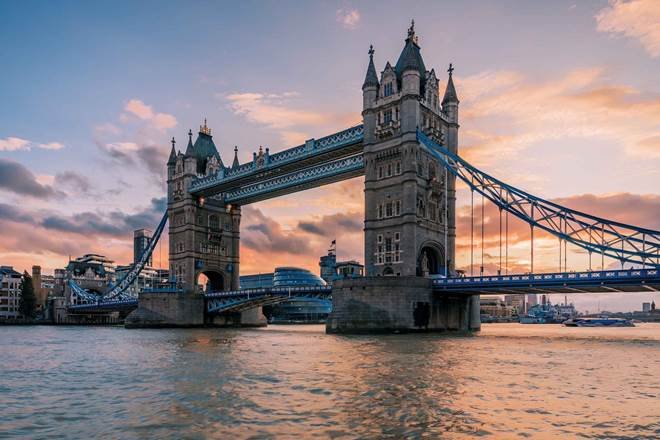
Start at Westminster Bridge for the classic view of Big Ben and the Houses of Parliament. Walk past Westminster Abbey, then up Whitehall to Trafalgar Square. In the afternoon, walk down the Mall to Buckingham Palace. End the day on the South Bank, walking from the London Eye to Tower Bridge as the sun sets.
Day 2: Museums and Markets
Morning at the British Museum, which is free and enormous. Focus on the Rosetta Stone, the Elgin Marbles, and the Egyptian galleries. Afternoon at Borough Market for lunch, then walk to the Tate Modern. The Turbine Hall is free and worth a look even if you are not a modern art person.
Day 3: Tower, City, and a Show
Book the first entry at the Tower of London and see the Crown Jewels before the crowds. Walk across Tower Bridge, then head to St. Paul’s Cathedral. In the evening, have dinner in Covent Garden and see a West End show. Book the show weeks in advance.
For skip-the-line tickets and tours, I use GetYourGuide because the cancellation policies are usually clear. For restaurant recommendations and recent visitor photos, TripAdvisor is still the most reliable cross-check.
Local Tips Nobody Puts on a Brochure
Stand on the right side of tube escalators. The left side is for people walking. This is not optional, and you will hear about it if you block the left. I have watched tourists get loudly corrected by commuters during rush hour. It is the closest thing Londoners have to a sacred rule.
Pubs close earlier than you think. Last orders are usually around 10:30 or 11 p.m., not 2 a.m. If you want a late drink, find a bar or a late-night pub, not a traditional local. And do not tip like you are in the US. Service is often included in restaurants, and tipping 10 to 12 percent for good table service is plenty. In pubs, you do not tip at all.
The big museums are free. The British Museum, National Gallery, Tate Modern, and Natural History Museum do not charge for entry, though special exhibitions cost extra. Go to paid attractions early or late, and save the free museums for the crowded middle of the day. The free museum model is one of the best things about London, and it is the reason you can do a lot on a budget.
Common Mistakes First-Time Visitors Make
The biggest mistake is trying to do too much in too little time. London is dense, and travel between sites takes longer than it looks on a map. Two or three major sights per day is realistic. Any more than that and you spend all day on the Tube instead of actually seeing anything.
Another mistake is not booking the big attractions in advance. The Tower of London and Buckingham Palace summer tours sell out. The London Eye has long lines without a timed ticket. Waiting until the day of means either missing out or spending an hour in a queue. Book early, and book on official or reputable third-party sites.
Do not assume the weather will be good. London rain is real, and it comes suddenly. Bring a compact umbrella and a waterproof jacket, even in summer. I have been caught in downpours in July and in sunshine in November. The weather is unpredictable, and the only solution is layers and a good rain shell.
Finally, do not stay too far out. A cheap hotel in zone 4 or 5 looks like a good deal until you spend an hour each way on the Tube and pay more in fares. Staying in zone 1 or 2 costs more upfront but saves time and money in the long run.
Frequently Asked Questions
Is 3 days enough for London?
Yes, 3 full days is enough for a first trip if you plan well. You can see the major icons, one or two museums, and do a good walk along the river. Four or five days is better if you want to add a West End show, a day trip, or a slower pace.
Do I need a visa or ETA for London?
Most visitors from the US, Canada, Australia, New Zealand, and the EU need an Electronic Travel Authorization, not a visa, for short stays. The ETA costs 10 pounds, is valid for 2 years, and you apply online through the official gov.uk website. Check current rules before you book anything non-refundable.
How much does a trip to London cost?
A realistic budget is 150 to 200 pounds per person per day for budget travel, 250 to 350 pounds for mid-range, and 400+ pounds for comfort. This includes hotel, food, transport, and attractions, but not flights. A 3-day mid-range trip for two people costs roughly 1,500 to 2,100 pounds total.
What is the cheapest time to visit London?
January and February are the cheapest months for hotels and flights, though the weather is cold and wet. November is also relatively affordable and has the Christmas lights. The most expensive months are June, July, and September, when demand peaks.
What is the best way to get from Heathrow to central London?
The cheapest option is the Piccadilly Line, around 6 pounds and 50 to 60 minutes to central London. The Elizabeth Line is faster, about 30 to 45 minutes for around 13 pounds. A black cab costs 60 to 90 pounds and takes 45 to 60 minutes. The best choice depends on your budget, luggage, and arrival time.
Do I need cash in London?
No, most places in London are card-only or strongly prefer contactless payment. Use a contactless credit or debit card or your phone for the Tube, buses, shops, and restaurants. Carrying a small amount of cash for markets and small vendors is useful, but you will rarely need it.
What should I book in advance for a London trip?
Book your hotel, airport transfer, and major attractions like the Tower of London, Buckingham Palace summer tours, and the London Eye at least 6 to 8 weeks ahead. West End shows and popular restaurants should also be booked weeks in advance. The ETA should be done before you fly.
Is London safe for tourists?
Yes, London is generally safe for tourists. The main risks are pickpocketing in crowded areas like Oxford Street and the Tube and phone snatching near busy roads. Keep your phone and wallet in a zippered bag, and be aware of your surroundings. The emergency number is 999.
Plan your trip: booking platforms we trust
For a London trip, the booking order I recommend is flight first, then hotel, then attractions and dining. Here are the platforms I use for each step, based on what actually works for London specifically.
Best for comparing flights to all London airports.
The widest selection of central London hotels.
Good for skip-the-line tickets and walking tours.
Best for family apartments with more space.
Good for recent restaurant reviews and visitor photos.