Trip to Napier: Everything You Need to Know Before You Go
A trip to Napier means stepping into the Art Deco capital of the world, surrounded by Hawke’s Bay vineyards and a sunny coastline.
Budget travelers can manage on NZ$150–200 a day and mid-range around NZ$300, with the cheapest visits in spring or autumn outside festival dates.
I’m Chidi from the WakaAbuja team, and I’ve wandered Napier’s palm-lined streets twice. The first time I arrived, I knew nothing about Art Deco.
By the end, I could spot a ziggurat motif from a block away and was planning my return to catch the February festival. This guide pulls together everything I wish I’d known before that first trip, from real costs and crowd dodges to where the locals actually eat.
Jump to: What It’s Known For | Cheapest Time | Costs & Budgets | Where to Stay | Getting There & Around | When to Go | Things to Do | Tours | Family Guide | Itineraries | Safety | Pros & Cons | Save Money | Mistakes to Avoid | FAQ
Key takeaways
- Napier is globally famous for its 1930s Art Deco architecture, rebuilt after a massive earthquake.
- The cheapest months are May–June and August–September, outside school holidays and festivals.
- Daily budgets run NZ$150–200 for backpackers, NZ$300–400 for mid-range comfort, and NZ$500+ for luxury.
- Book accommodation four to six months ahead for the Art Deco Festival in February or risk missing out entirely.
- You don’t need a car in the compact city center, but a rental unlocks Hawke’s Bay wineries and Cape Kidnappers.
- Safety is excellent; the biggest threats are sunburn and forgetting to book popular restaurants.
- Two to three days covers Napier’s core, but five days lets you explore the wider food and wine region properly.
What Is Napier Known For?
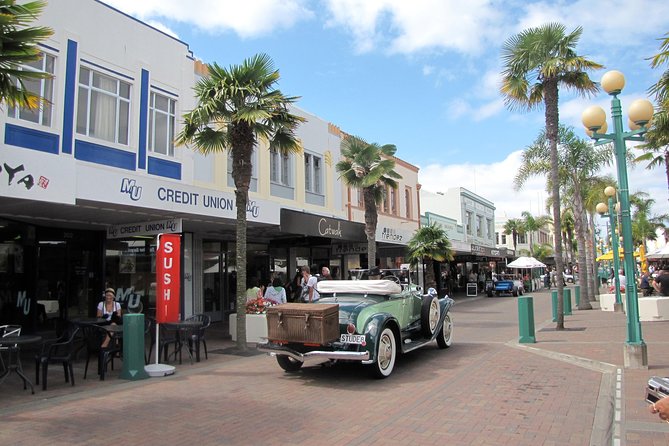
Napier wears its Art Deco crown with total confidence. After the 1931 Hawke’s Bay earthquake flattened the city, locals rebuilt in the architectural styles of the era, giving the world one of the most cohesive collections of 1930s buildings anywhere. Walking down Emerson Street or Tennyson Street feels like wandering onto a movie set, complete with pastel facades, geometric motifs, and neon signs.
Beyond the architecture, this region is the beating heart of New Zealand’s oldest wine country. Hawke’s Bay produces bold reds, especially Cabernet Sauvignon and Syrah, and some of the country’s finest Chardonnay. The coastline adds a marine layer, with the gannet colony at Cape Kidnappers being a truly wild encounter. Fatima, our Lagos correspondent, once told me she came for the wine but stayed for the sunrise on Marine Parade, and I completely understand why.
Best for
- Architecture buffs who love 1930s design and guided walks.
- Wine enthusiasts ready to cycle between cellar doors.
- Families looking for a sunny, walkable seaside town.
- Food lovers chasing farmers’ markets and artisan producers.
Worth considering
- Nightlife is more about wine bars and craft beer pubs than big clubs.
- Public transport beyond the city center is limited, so day trips require wheels.
- It’s a small city; you can tick off highlights quickly if you rush.
When Is the Cheapest Time to Visit Napier?
Target May, June, August, or early September for the lowest accommodation rates and thinnest crowds. These months sit firmly in New Zealand’s winter and early spring, but Napier’s dry, mild climate means daytime temperatures still hover around 14–17°C. You’ll often get crisp, sunny days perfect for outdoor exploring without the premium price tag.
Outside the Art Deco Festival in February and the Christmas–New Year peak, shoulder seasons like late October–November and March–April also deliver good value. I scored a waterfront motel room in late October for nearly 30% less than the summer rate by booking on Booking.com. Flights into Hawke’s Bay Airport are consistently cheaper mid-week, so check Kayak for comparisons before locking in dates.
Chidi’s honest take: “If you’re not obsessed with the festival buzz, go in November. The roses are blooming, the vineyards are quiet, and you’ll have the Art Deco streets almost to yourself.”
How Much Does a Trip to Napier Cost? Typical Costs and Suggested Budgets
Napier is moderately priced by New Zealand standards. A backpacker staying in a hostel dorm, self-catering, and using free activities can get by on NZ$150–200 per day. A couple in a comfortable motel, eating one meal out and doing a wine tour, will spend around NZ$300–400 daily. At the luxury end, boutique Art Deco hotels, private tours, and fine dining push past NZ$500 a day.
As of early this year, an average three-star hotel room costs roughly NZ$180 per night, while a holiday park cabin starts around NZ$80. A casual cafe breakfast runs NZ$15–22, and a main course at a mid-range restaurant is NZ$28–38. Guided Art Deco walks cost about NZ$25–35 per adult. Always verify current prices on the operator’s official site; I’ve given ballparks, not binding quotes.
Budget: NZ$150–200/day
- Hostel dorm or budget cabin
- Self-catered breakfast, picnic lunch
- Free self-guided Art Deco walk
- Public bus or bike rental
Mid-range: NZ$300–400/day
- 3–4 star motel or hotel
- One cafe meal, one restaurant dinner
- Paid Art Deco guided tour
- Half-day wine tour
Luxury: NZ$500+/day
- Boutique Art Deco hotel
- Full-day private wine tour
- Fine-dining dinner
- Gannet safari or vintage car tour
What Are the Best Accommodation Options in Napier?
Staying in the central Art Deco quarter puts you steps from cafes, the MTG museum, and the beach. The Ahuriri marina area, a five-minute drive away, feels more like a fishing village turned dining hotspot and is fantastic if you want a quieter, local vibe. Westshore offers direct beach access and is popular with families who want more space. For a vacation stay, a central heritage hotel or an Ahuriri apartment tends to please most travelers.
I booked a room at an Art Deco hotel on Tennyson Street through Hotels.com to earn a reward night. For families needing a kitchen and two bedrooms, I search Vrbo for whole homes in West Shore or Ahuriri. The Art Deco Masonic Hotel and The County Hotel are local icons, but availability vanishes months ahead of festival weekends. Always check TripAdvisor for recent traveler photos before you commit, because some heritage rooms have charm but tiny bathrooms.
Central Art Deco Quarter
- Best for first-time visitors
- Walking distance to sights
- Historic hotels, some with small rooms
Ahuriri
- Best for foodies and couples
- Waterfront apartments
- Quieter at night, great restaurants
Westshore
- Best for families
- Beach houses and holiday parks
- Need a car for the city
How to Get to Napier and Get Around
@charliegallagherr
Hawke’s Bay Airport (NPE) sits just 5 km from the city center. Direct flights operate from Auckland, Wellington, and Christchurch. I often use Kayak to compare flight times, then bundle with a hotel on Expedia for a package discount. Driving from Wellington takes about four hours via State Highway 2, a scenic but winding route. InterCity buses connect Napier to major North Island cities, though the journey is slower.
Once you arrive, the flat city grid makes walking the easiest way to explore the Art Deco heart. I rented a bike for two days and cycled the coastal pathways to Ahuriri and back, stopping at a winery cellar door that’s really just a shed. The GoBay public bus network covers the city and Hastings, with fares around NZ$2–3 per ride. For winery visits and Cape Kidnappers, a rental car is your best friend. Book one early through a comparison site; local agencies sometimes run out during summer.
When to Go: Napier Weather and Seasons
Napier enjoys a Mediterranean-ish climate, with warm, dry summers and mild winters. December to February brings daytime highs of 24–28°C and the buzz of holidaymakers. The Art Deco Festival in February is the city’s biggest event, drawing upwards of 40,000 visitors. Book absolutely everything in advance if your trip coincides with it.
Autumn (March–May) sees stable weather, harvest activity in the vineyards, and golden light that makes photographers giddy. Winter (June–August) is crisp, often sunny, and surprisingly pleasant for walks if you pack a jacket. Spring (September–November) offers blooming gardens and the first new-release wines. No matter the season, carry sunscreen. The Hawke’s Bay sun is aggressive, and I learned that the hard way on a November afternoon.
What Are the Best Things to See and Do in Napier?
@kiwifoodiesandexplorers 4 Things for you to do in📍Napier, NZ ☀️ @NationalAquariumNZ * * #napier #hawkesbay #newzealand #nz #aotearoa #nztiktok #nzmustdo #nztravel #thingstodo #travelnz #explore #traveltiktok #spa #pool #aquarium #aquarium #lookout #fy #fyp #fypシ #nzmustdo #nzhotpools
The MTG Hawke’s Bay museum anchors the cultural scene, with a permanent earthquake exhibition that contextualizes the city’s rebirth. The Art Deco Trust runs excellent guided walks; I’ve taken both the morning tour and the twilight version, and the latter, with fewer crowds, was my favorite. For outdoors, the Marine Parade pathway stretches past the Soundshell, the Sunken Gardens, and the National Aquarium, which houses kiwi birds and a penguin rescue center.
Arts and theater thrive at the Napier Municipal Theatre, a stunning Art Deco venue still hosting shows. Nightlife leans towards craft beer bars and waterfront wine lounges in Ahuriri rather than thumping clubs. A lesser-known spot I love: the Bluff Hill Lookout just before sunset, where the view over the port and distant ranges silences every chatty tourist. A local once told me the tiny Six Sisters coffee window on Marine Parade pulls the best flat white in town, and he wasn’t wrong.
Top sights
- Art Deco guided walk (book via official Art Deco Trust)
- MTG Hawke’s Bay earthquake gallery
- National Aquarium
- Marine Parade and Soundshell
Local secrets
- Bluff Hill Lookout at dusk
- Ahuriri’s West Quay for fish and chips
- Hawke’s Bay Farmers’ Market on Sunday morning
- Rothmans Building rooftop (sometimes open for events)
What Tours Should You Book for a Trip to Napier?
The Art Deco Trust’s walking tour is non-negotiable; it unlocks details you’d miss on your own. For wine lovers, half-day or full-day Hawke’s Bay wine tours stop at three to five cellar doors and often include a platter lunch. I’ve used GetYourGuide to compare small-group options and found outstanding guides who knew winemakers personally. The Cape Kidnappers gannet colony tour is a raw nature experience accessed by tractor along the beach, and it only operates at certain tides, so check the official operator’s schedule directly.
Vintage car tours let you cruise the Art Deco streets in a 1930s automobile, which feels wonderfully silly and Instagram-worthy. If you want something active, guided e-bike wine tours combine pedaling with tasting, and you’ll cover more ground than you think. Always read recent reviews on TripAdvisor before booking, as some operators change their routes seasonally.
Is Napier a Good Family-Friendly Destination?
Absolutely. The city feels safe, flat, and easy for strollers. The National Aquarium on Marine Parade is a rainy-day hit, with a moving penguin rescue story. Outside, the Ocean Spa complex has heated pools, waterslides, and a large outdoor lap pool, perfect for burning off energy. The playgrounds along Marine Parade include a mini-golf course and a skate park, and the bike paths are wide enough for wobbly learners.
For accommodation, I lean towards holiday parks or a Vrbo house with a kitchen so we can prepare simple meals. Napier’s restaurants are generally welcoming to kids, but booking ahead for dinner is smart, especially during school holidays. The gannet safari might be too long for toddlers, but school-aged children often find the tractor ride across the beach the highlight of their trip.
The Traveler’s Choice: Best Place for a Vacation Stay and Sample Itineraries
The best vacation stay for most visitors is a central Art Deco hotel with character, but if you’re here for a week, split your nights between the city and a vineyard lodge in the surrounding countryside. Here are three itineraries that worked brilliantly for our WakaAbuja team members.
2-day Art Deco & Wine
- Day 1: Morning guided walk, MTG museum, afternoon wine tour.
- Day 2: Bluff Hill sunrise, farmers’ market, cycle to Ahuriri for dinner.
3-day Family Explorer
- Day 1: Aquarium and Ocean Spa.
- Day 2: Bike ride to Westshore beach, playgrounds, and picnic.
- Day 3: Gannet safari or short winery visit with kids’ grape juice.
5-day Hawke’s Bay Deep Dive
- Add Cape Kidnappers, Hastings, Te Mata Peak, and two more wine sub-regions.
- Stay one night in Havelock North village for a different rhythm.
How long to stay? A minimum of two full days covers Napier’s core. Three days let you taste wines properly, and five days open up the whole region without rush.
How to Save Money on Your Trip to Napier
Travel in the shoulder seasons
May, June, August and September bring the lowest rates on accommodation and rental cars. Even in winter, Napier’s sunshine hours remain high.
Self-cater and shop at the farmers’ market
The Hawke’s Bay Farmers’ Market on Sundays sells artisan bread, cheese, and fresh produce. A riverside picnic with market goodies costs a fraction of a restaurant lunch.
Use the free Art Deco self-guided map
The Art Deco Trust offers a free downloadable map on their official website. You can wander at your own pace and still catch all the key buildings.
Book direct and ask for “pay 2, stay 3” deals
Motels often run winter specials. Call or check their own website rather than just the big platforms.
Compare tours on GetYourGuide but book early
Small-group wine tours can sell out, but early-bird rates sometimes appear. Verify the operator’s cancellation policy before you commit.
What Are the Most Common Mistakes to Avoid on a Napier Trip?
- Not booking ahead for the Art Deco Festival. Accommodation sells out months in advance, and walk-in restaurants turn you away.
- Skipping the earthquake story. The MTG museum’s exhibition gives context to everything you see; without it, the architecture is just pretty buildings.
- Assuming it’s always hot. Even summer evenings can turn cool. Pack a light jacket or pashmina.
- Ignoring the Hawke’s Bay wine region. Napier is lovely, but the surrounding vineyards are the region’s soul. Allocate time to leave the city.
- Relying on taxis or rideshares. There are very few. Walk, rent a bike, or use the GoBay bus instead.
- Missing sunrise or sunset at Bluff Hill. The view over the port and ranges is one of the best free experiences in town.
- Forgetting to check tour tide times for Cape Kidnappers. The gannet colony tractor tour only runs at low tide; pre-book and confirm directly.
Frequently asked questions
Do I need a visa to visit Napier, New Zealand?
Visitors from visa-waiver countries need an NZeTA (New Zealand Electronic Travel Authority) before flying. Check the official Immigration New Zealand website for your nationality’s requirements. The process is online and affordable, but do it at least 72 hours before departure.
How many days do you need for a trip to Napier?
Two full days covers the city’s main sights and a short wine excursion. Three days lets you relax and add a beach day or second tour. To explore the wider Hawke’s Bay, aim for five days.
Is Napier safe for solo travelers?
Napier is one of New Zealand’s safest cities. I’ve walked alone at night along Marine Parade without concern. Usual precautions apply: lock your bike, don’t leave valuables in a parked car, and protect yourself from the strong sun.
Can you visit Napier without a car?
Yes, the central city, Ahuriri, and Marine Parade are all walkable or bikeable. The GoBay bus links Napier to Hastings and Havelock North. However, reaching remote wineries and Cape Kidnappers really requires a rental car or an organized tour.
What is the Art Deco Festival and when does it happen?
It’s a weekend celebration in February each year, with vintage cars, jazz bands, fashion parades, and people dressed in 1930s attire. The city transforms into a living museum. Check the Art Deco Trust official site for exact dates and event tickets.
What is the best time to visit Napier for wine tasting?
Late summer to early autumn (February–April) is harvest season and incredibly vibrant. Spring (November) offers new releases and fewer tourists. Winter tasting rooms are cozy and quiet, with winemakers often more available to chat.
Plan your trip: booking platforms we trust
The WakaAbuja team has used these platforms across dozens of trips. They’re reliable for comparing prices, reading real guest reviews, and securing flexible cancellation options. Always double-check the fine print before confirming.
Pros and Cons of a Trip to Napier
Pros
- Compact and extremely walkable Art Deco paradise.
- Sunniest climate on the North Island’s east coast.
- Surrounded by world-class wineries and produce.
- Excellent safety record, even for solo women.
- Free and low-cost activities abound.
Cons
- Prices skyrocket during the February festival.
- Limited public transport outside the central spine.
- Small city, so longer stays need day trips to fill time.
- Some heritage hotel rooms have compact layouts.
- Gannet tours are tide-dependent and can be cancelled.
How to Stay Safe on Your Napier Trip
Napier’s crime rates are low, and the vibe is relaxed. I’ve never felt uneasy here, even walking back to my hotel late from an Ahuriri restaurant. The practical risks are environmental: the Hawke’s Bay sun burns fiercely, so reapply sunscreen often. If you’re driving to remote beaches, check tide charts to avoid getting stranded on sand.
New Zealand sits on active fault lines, so familiarize yourself with earthquake safety. Download the NZ Civil Defence app before arrival. Emergency services: dial 111 for police, fire, or ambulance. For non-urgent police matters, call 105. The central police station is on Station Street. Tsunami evacuation zones are well marked along the coast; follow signage if you ever hear sirens or feel a long, strong earthquake.