advertisement
Trip to Reykjavík: A Complete Planning Guide (Days, Budget, Best Time)
Fact-Checked By Maya Whitfield, Senior Travel Editor at WakaAbuja
A trip to Reykjavík needs at least 3 full days for the city itself and 5 days if you want to add the Golden Circle or South Coast. Budget roughly $150 to $250 per person per day for mid-range comfort, not including flights. The best time to go is June through August for long daylight and milder weather, or September through March if you are chasing the Northern Lights. Fly into Keflavík Airport, take the 45-minute bus into the city, and use the Reykjavík City Card if you plan to visit multiple museums and pools.
I have landed at Keflavík at midnight in June, when the sky never really got dark, and I have walked through central Reykjavík in February with wind so sharp it felt personal. The city is compact, walkable, and expensive, and most people underestimate how much the little things add up. This guide does not just list attractions.
It answers the three questions you actually have before you book: how many days, how much it costs, and when to go. Then it gives you a real day-by-day itinerary with prices attached.
Jump to: How Many Days You Need | 3-Day Itinerary | 5-Day Itinerary | Cost Breakdown | Best Time to Visit | Getting There and Around | Mistakes to Avoid | FAQ
Key takeaways
- Reykjavík is small enough to explore on foot in 2 to 3 days, but the best trips add a day trip or two beyond the city.
- Budget $150 to $250 per person per day for mid-range travel, excluding flights. Iceland is one of the most expensive countries in Europe.
- The Reykjavík City Card is worth it if you visit 2 or more museums and use the city buses or pools in a single day.
- June and July offer nearly 24 hours of daylight. September through March is the Northern Lights season, with February and March often having the best snow and aurora combination.
- Keflavík Airport is 45 minutes from downtown Reykjavík. The Flybus and Airport Direct are the two main shuttle options.
- Do not rent a car for the city portion of your trip. Parking is expensive, and the city is walkable. Rent one only for day trips.
- Book accommodation and popular tours at least 2 to 3 months ahead for summer travel. Reykjavík fills up.
How Many Days Do You Need in Reykjavík?
Three full days is the minimum for Reykjavík itself. That gives you time to walk the old harbor, visit Hallgrímskirkja, do one or two museums, soak in a local pool, and still have an evening for a good dinner and a walk along the waterfront. If you have only 3 days, stay in the city and do not try to squeeze in the Golden Circle. It will feel rushed.
Five days is the sweet spot. You get the full city experience plus two days for day trips. The Golden Circle and the South Coast to Vík are the two most common day trips, and they are worth the time. I have done Reykjavík both ways, and the 5-day version is the one I recommend to friends. The extra days let you see Iceland beyond the city without turning the trip into a checklist sprint.
3 Days: City Focus
- All Reykjavík neighborhoods
- Museums and local pools
- No rental car needed
- Lower transportation cost
5 Days: City Plus Day Trips
- Golden Circle or South Coast
- More flexible pacing
- Rental car for 1 to 2 days
- Better for first Iceland trip
Sample 3-Day Reykjavík Itinerary
This is the exact order I would follow if I landed in Reykjavík tomorrow with 3 days and no car. It assumes you are staying somewhere near Laugavegur or the old harbor, which puts almost everything within a 20-minute walk.
Day 1: Old Harbor and City Center
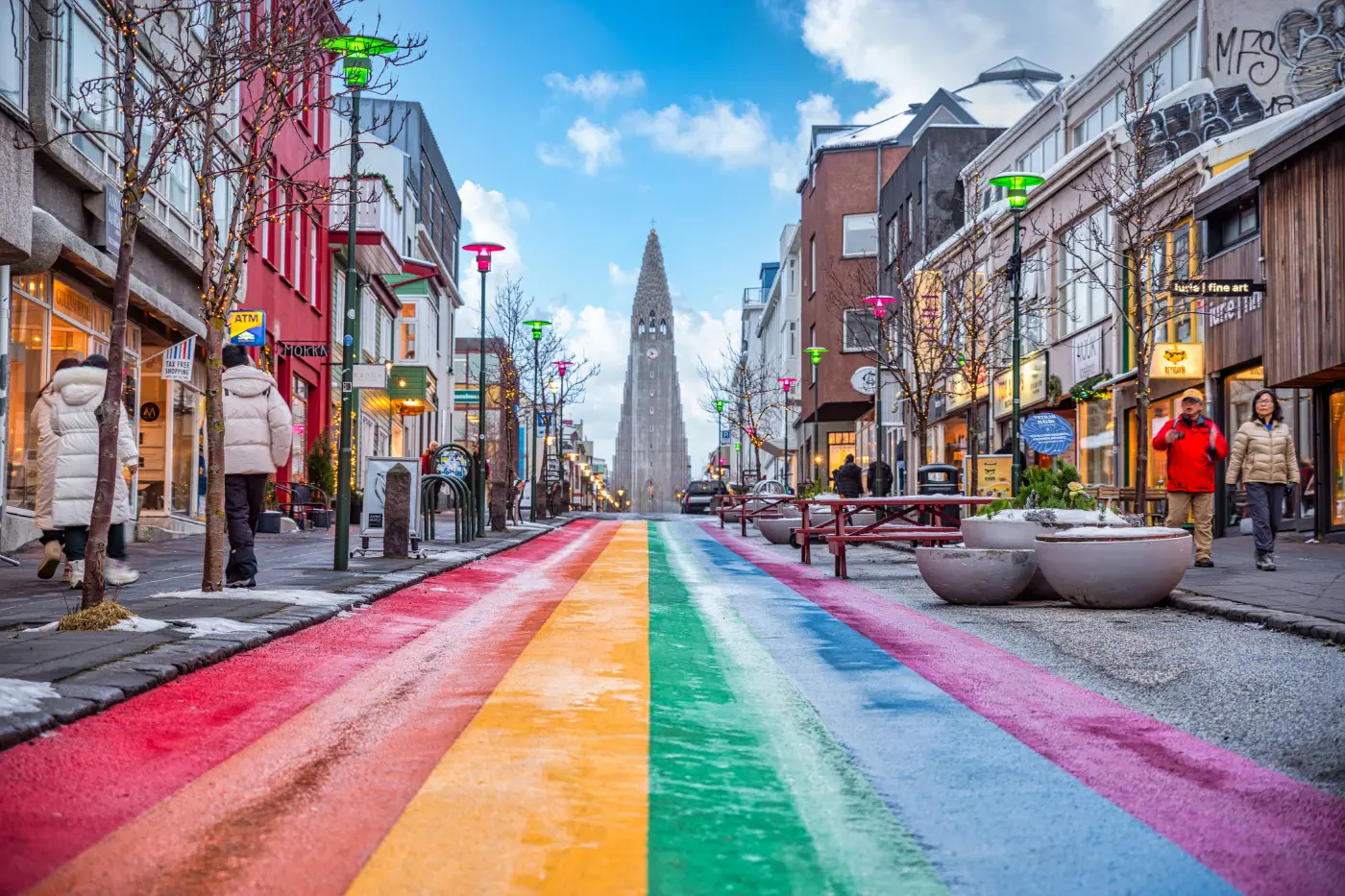
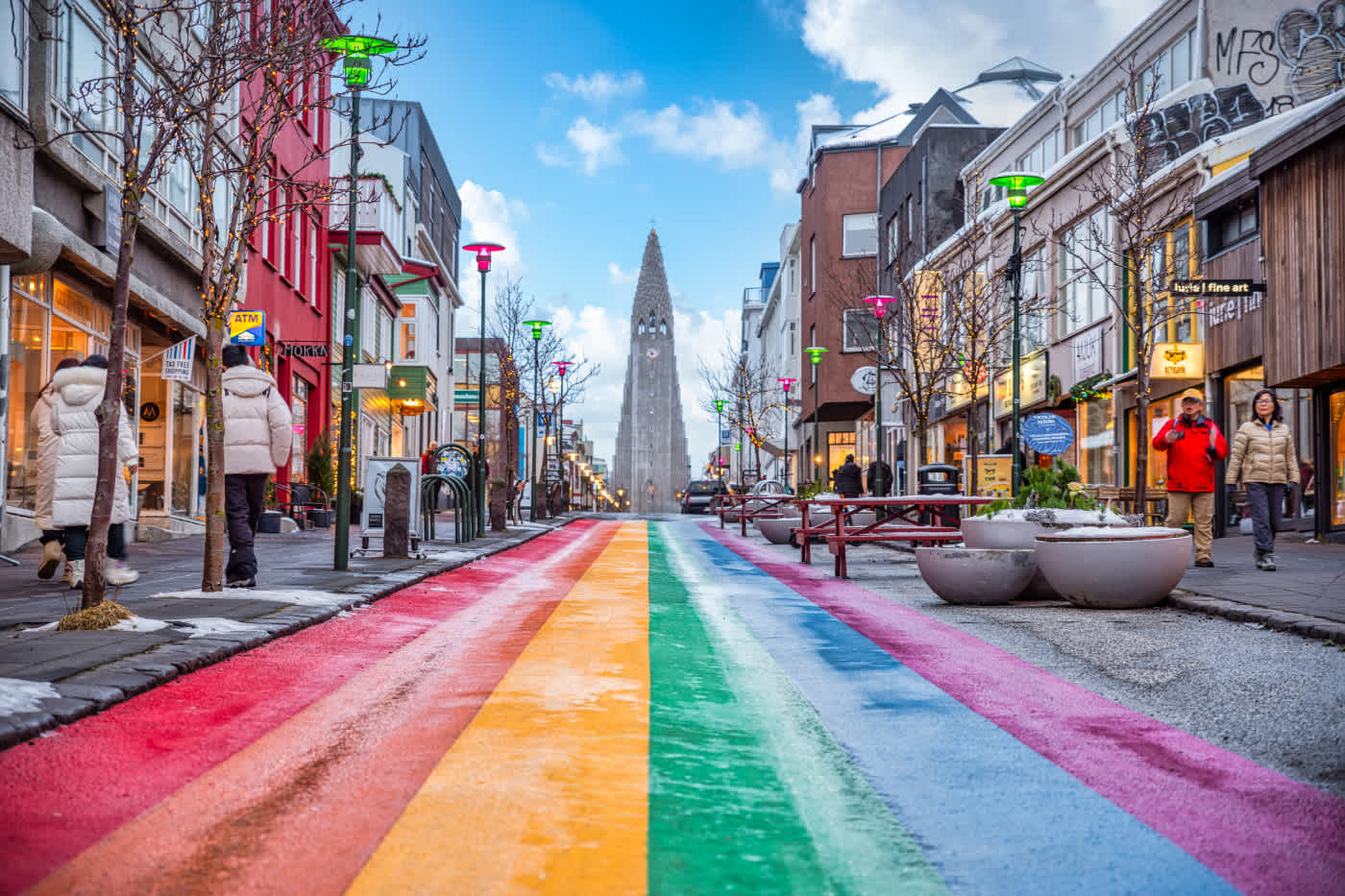
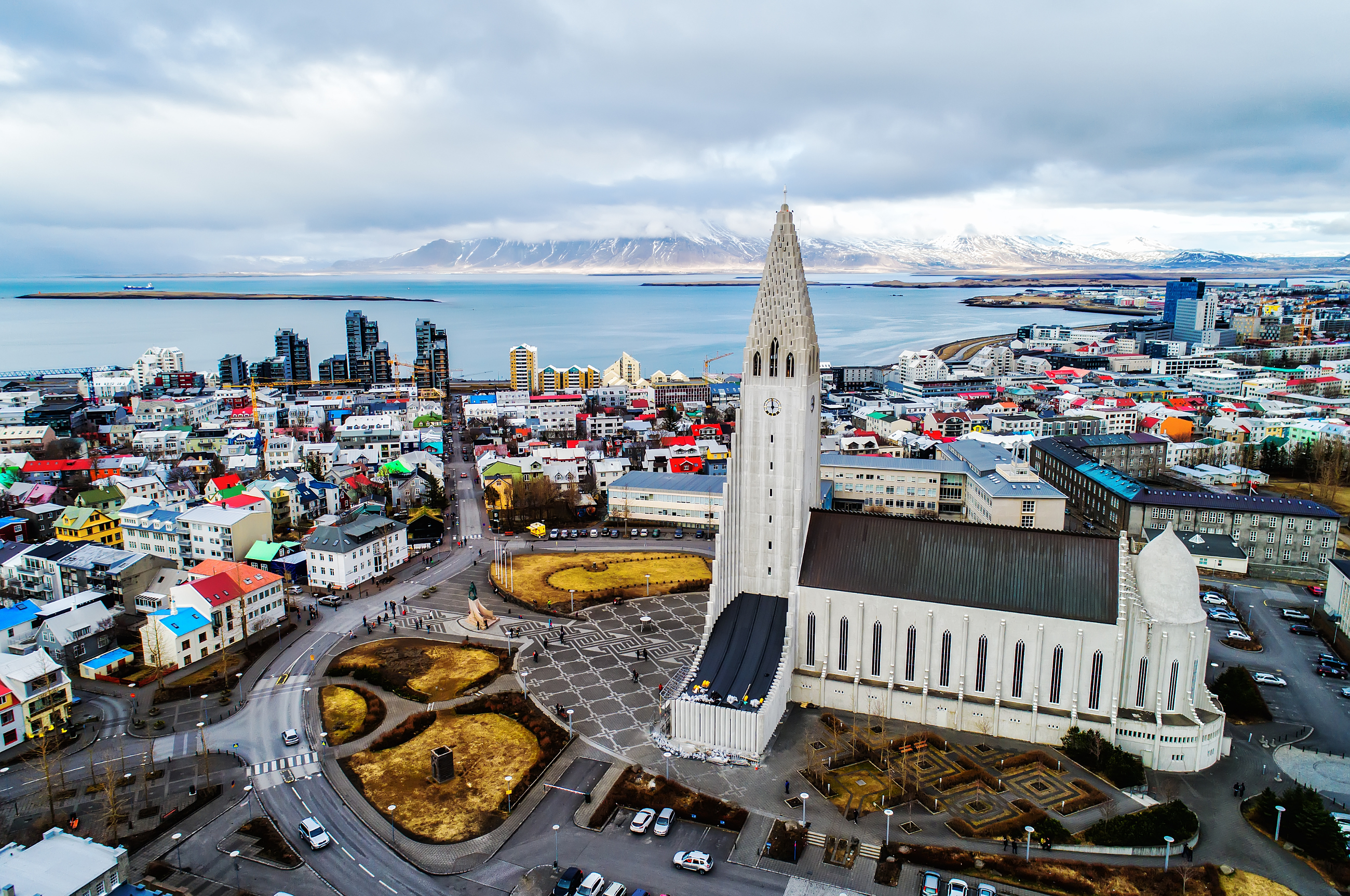
Start at the old harbor. Walk the waterfront path past the Sun Voyager sculpture, then cut up to Hallgrímskirkja. Go up the church tower for the view, then walk down Skólavörðustígur toward Laugavegur. Spend the afternoon at the National Museum of Iceland or the Settlement Exhibition. End the day at a public pool. Sundhöllin is a short walk from the main street and has rooftop hot pots. Dinner in the old harbor area, where the fish restaurants are clustered.
Day 2: Museums and Neighborhoods
Morning at Harpa concert hall, even if you just walk through the glass facade. Then walk the residential streets of Þingholt and Vesturbær, where the houses are painted in colors that make no sense and work perfectly. Afternoon at the Reykjavík Art Museum or the Árbær Open Air Museum if you want something different. Evening walk along the seawall path toward Grótta lighthouse. If you are there in winter and the forecast is clear, this is a good night to try for the Northern Lights.
Day 3: Food, Shops, and a Slow Departure
This is the day to wander without a plan. Get a pastry and coffee at a bakery, walk the length of Laugavegur and Skólavörðustígur, and stop wherever looks interesting. Buy wool if you want wool. Have a proper Icelandic hot dog from Bæjarins Beztu, which is worth the line. If your flight is late, do one more pool visit or a short whale-watching tour from the old harbor, then take the Flybus back to Keflavík.
Sample 5-Day Reykjavík Itinerary With Day Trips
This is the 3-day plan plus two day trips. Rent a car for Days 4 and 5, or book small-group tours if you do not want to drive. I have driven both routes and done them as tours, and both work. The car gives you more control over stops. The tour gives you someone else handling the wind and the narrow roads.
Day 4: Golden Circle
Drive or ride to Þingvellir National Park first, then Geysir, then Gullfoss. That order puts the biggest waterfall last, which is a better finish. The whole loop from Reykjavík takes 7 to 8 hours with stops. Add a stop at Friðheimar tomato farm if you want lunch that is also an experience. I have eaten there twice, and the tomato soup is genuinely good.
Day 5: South Coast to Vík
The South Coast drive takes you to the Seljalandsfoss and Skógafoss waterfalls, then the black sand beach at Reynisfjara near Vík. This is a long day, about 10 hours round trip from Reykjavík. The wind at Reynisfjara can be dangerous near the water, so watch the waves. I have seen tourists get knocked down by a sneaker wave there, and it was not funny.
What Does a Trip to Reykjavík Cost?
Iceland is expensive, and Reykjavík is the most expensive part of it. A mid-range traveler should budget $150 to $250 per person per day, not including flights. That covers a private room or mid-range hotel, two meals out, one museum or activity, and local transport. Budget travelers can do it for $80 to $120 per day if they cook some meals and skip paid tours. Luxury travelers will spend $300 and up without trying.
Budget: $80 to $120 per day
- Hostel or guesthouse
- Breakfast from grocery store
- One meal out, one cooked
- Free walking tour or self-guided
Mid-Range: $150 to $250 per day
- 3-star hotel or private apartment
- Two meals out
- One paid museum or activity
- City Card or one guided tour
Luxury: $300+ per day
- Boutique or 4-star hotel
- All meals out, nicer restaurants
- Private tours and transfers
- Northern Lights private hunt
Is the Reykjavík City Card Worth It?
The City Card covers entry to most major museums, the city buses, and all public pools for 24, 48, or 72 hours. If you visit two or more museums and use the bus or a pool in a day, it usually pays for itself. I bought the 48-hour card on one trip and used it for four museums, two pool visits, and several bus rides. It was worth it. If you only want one museum and plan to walk everywhere, skip it.
For booking hotels and apartments in Reykjavík, I use Booking.com because the city has a huge range from hostels to boutique hotels, and the reviews are current. For flights into Keflavík, I start with Kayak to compare carriers, then book direct.
Best Time to Visit Reykjavík
Reykjavík is a year-round destination, but the experience changes dramatically by season. Summer gives you nearly 24 hours of daylight and the mildest weather. Winter gives you darkness, snow, and the Northern Lights. There is no single best month, only the best month for what you want to do.
Summer: June to August
Temperatures average 50 to 55 degrees Fahrenheit. The midnight sun peaks in late June. Everything is open, but prices and crowds are at their highest. This is the easiest time for first-timers.
Fall: September to November
Northern Lights season begins in September. The weather gets windier and wetter. Crowds thin out, and prices drop from the summer peak. October and November are the cheapest months to fly.
Winter: December to March
December has only 4 to 5 hours of daylight. February and March offer the best combination of snow cover and aurora activity. This is the season for northern lights, ice caves, and winter storms.
I have been in Reykjavík in June and February. June felt like a festival city with endless light. February felt like a winter outpost with a real chance of seeing the sky turn green. Both were worth it. Pick based on what you want from the trip.
Getting There and Getting Around Reykjavík
You will fly into Keflavík International Airport, not Reykjavík Airport. Keflavík is 45 minutes from the city center. The Flybus and Airport Direct both run regular shuttle buses that drop you at the main bus terminal or directly at your hotel. A one-way ticket runs around $25 to $30. A taxi costs $120 or more, so do not take a taxi unless you have a very good reason.
Once you are in the city, walk. Reykjavík is compact, and the downtown core from the old harbor to Hallgrímskirkja is about 1.5 miles. The city bus system works if you are going further, and the city card includes bus fare. For day trips, rent a car for the specific days you need it, not for the whole trip. Parking downtown is paid and limited.
For day tours like the Golden Circle or South Coast, I book through GetYourGuide or check reviews on TripAdvisor before choosing an operator. The quality difference between tour companies in Iceland is real, and recent reviews are the best filter.
What Are the Most Common Mistakes First-Time Visitors Make?
I have made some of these myself, and I have watched other people make the rest. The biggest mistake is trying to do too much in too few days. Reykjavík is not a city you rush. The second mistake is underestimating the cost. A simple sandwich and coffee can run $20, and that adds up fast.
Another mistake is renting a car for the whole trip. You do not need one in the city, and parking is a headache. Rent for day trips only, and pick up the car the morning you leave and drop it off that evening.
Do not skip the public pools. Tourists think of the Blue Lagoon, but locals go to the neighborhood pools, and those are the real Icelandic experience. They are cheap, warm, and everywhere. I have spent more time in public pools in Reykjavík than in any museum.
Do not book a Northern Lights tour for your first night if you are only staying 3 days. The weather often does not cooperate. Book it early so you have a second chance if it gets canceled. Most tour companies offer free rebooking.
Finally, do not assume summer means warm. Reykjavík in July can be 50 degrees and windy. Bring layers and a waterproof shell, no matter the month.
Frequently Asked Questions
Is 3 days enough for Reykjavík?
Three days is enough to see Reykjavík itself comfortably. You can walk the main neighborhoods, visit two or three museums, soak at a public pool, and have time for good meals. If you want to add day trips like the Golden Circle, extend to 5 days.
Do I need a car in Reykjavík?
No, you do not need a car in Reykjavík. The city is walkable, and the bus system covers the rest. Only rent a car if you are doing day trips outside the city, and rent it just for those days to avoid parking costs and hassle downtown.
Is the Reykjavík City Card worth it?
The City Card is worth it if you visit two or more museums and use the city buses or public pools in a day. It covers entry to most major museums, all city buses, and all public pools for 24, 48, or 72 hours. If you only want one museum and plan to walk, skip it.
What is the best month to see the Northern Lights in Reykjavík?
The Northern Lights are visible from September through March, but February and March are often the best months because there is still snow on the ground and the aurora activity is strong. You need clear, dark skies, which means getting away from the city lights.
How much does a trip to Reykjavík cost?
A mid-range trip to Reykjavík costs about $150 to $250 per person per day, not including flights. That covers a mid-range hotel or private room, two meals out, and one paid activity. Budget travelers can get by on $80 to $120 per day by cooking some meals and using free or cheap activities.
How do I get from Keflavík Airport to Reykjavík?
Keflavík Airport is 45 minutes from downtown Reykjavík. The Flybus and Airport Direct shuttle buses run regularly and cost about $25 to $30 one way. A taxi costs $120 or more, so the shuttle is the standard choice for most travelers.
Is Reykjavík expensive compared to other European cities?
Yes, Reykjavík is one of the most expensive cities in Europe. Food, alcohol, and accommodation all cost significantly more than in most European capitals. The high cost is the main thing first-time visitors underestimate, so budget more than you think you need.
Plan your trip: booking platforms we trust
For a Reykjavík trip, I book in this order: flights first, then accommodation, then tours and activities. Here are the platforms I actually use for each step.
Best for comparing flight prices to Keflavík.
Good for hotels, guesthouses, and apartments in downtown Reykjavík.
Useful for bundling flight and hotel packages.
Best for Golden Circle, South Coast, and Northern Lights tours.
Good for recent tour company reviews and restaurant recommendations.