advertisement
How to Plan a Trip to San Francisco: A Complete First-Timer’s Guide
A well-planned first trip to San Francisco needs 3 to 4 full days, a budget of roughly $250–$400 per person per day for mid-range comfort, and a hotel in a neighborhood chosen for your specific travel style rather than just proximity to Union Square. This guide gives you the real costs, a neighborhood comparison table, and the itinerary logic that the official tourism homepage does not provide in one place.
San Francisco’s official tourism site will point you to twenty different neighborhoods and a dozen “top things to do” lists, but it will not tell you how many days you actually need, what it will cost, or where to sleep so you are not stuck on a bus for an hour each morning. I have navigated this city as a tourist, a visitor staying with friends, and someone helping family plan their first trip from the UK. The plan below fills in the specific gaps that glossy destination marketing skips.
Jump to: How Many Days | When to Go | What It Costs | Where to Stay | 3-Day Itinerary | Getting Around | First-Timer Mistakes | FAQs
Key takeaways
- Three full days is the minimum for the headline sights; four to five days lets you add a neighborhood deep-dive and a day trip.
- Budget $250–$400 per person per day for a comfortable mid-range trip including hotel, meals, transit, and one paid attraction.
- Do not rent a car. Parking is expensive, break-ins are a real risk, and public transit plus the occasional rideshare covers everything.
- Pack a warm layer even in July. The famous fog rolls in most afternoons and can drop the temperature by 15 degrees Fahrenheit in an hour.
- Book Alcatraz tickets 2–3 weeks ahead. Same-day tickets do not exist in any practical sense.
- Union Square is not the only place to stay. Neighborhoods like North Beach, Hayes Valley, and the Marina often give you a better experience for a similar price.
How Many Days Do You Need in San Francisco?
Three full days is the functional minimum for a first trip to San Francisco. That gives you one day for the waterfront and bridge corridor, one day for a downtown and cultural loop, and one day for a deeper neighborhood exploration or a day trip. Four days is the honest sweet spot where the city shifts from a checklist to an experience. Five to seven days lets you add a full-day excursion to Muir Woods or the Napa Valley wine region without sacrificing city time.
Maya’s honest take: “I have done San Francisco in 2 days on a work trip layover. I saw the Golden Gate Bridge, ate a burrito in the Mission, and left. It was a taste, not a visit. For a genuine trip, plan 4 days minimum.”
3 Days (Efficient Highlights)
Day 1: Golden Gate Bridge, Crissy Field, Fisherman’s Wharf sea lions, cable car ride. Day 2: Alcatraz morning, North Beach lunch, Chinatown wandering. Day 3: Mission District murals and food, Dolores Park, a museum or neighborhood of choice.
5 Days (Relaxed Pace with Day Trip)
Add a full day for a Muir Woods and Sausalito excursion, plus a slower morning exploring Golden Gate Park’s gardens and museums without rushing.
7 Days (Full Immersion)
Add a Napa or Sonoma wine country day trip, a day for the Castro and Haight-Ashbury neighborhoods, and an evening for a proper performance or SFJAZZ show.
When to Go (and Why SF’s Summer Is Not What You Think)
September and October are San Francisco’s warmest, sunniest months. This is the reverse of what most visitors expect, and the city’s tourism marketing rarely explains it clearly. The summer months, June through August, are often socked in with fog, especially in the western neighborhoods near the ocean. July and August can be genuinely chilly by mid-afternoon when the marine layer rolls through the Golden Gate. If you want the postcard version of San Francisco with clear skies and the bridge fully visible, book for September or early October.
The winter months, November through February, bring rain but also far fewer tourists and lower hotel rates. The city does not get cold by American standards, rarely below 45 degrees Fahrenheit, but the damp chill feels colder than the thermometer suggests. Spring, particularly April and May, is a gamble. You might get sparkling blue skies or a week of grey. The hills will be green, and the wildflowers in Golden Gate Park are worth the uncertainty.
Maya’s honest take: “I once watched tourists shiver in shorts and a thin sweater at a July baseball game while locals wore puffer jackets. The fog is not a metaphor. Pack a warm layer every single day, regardless of the forecast.”
What a San Francisco Trip Actually Costs
San Francisco is one of the most expensive cities in the United States. A comfortable mid-range trip for two people sharing a room typically costs $500–$800 per day total. The single biggest variable is accommodation. A downtown Union Square hotel in September can easily exceed $400 a night before tax. The same budget applied to a well-located hotel in a neighboring district, or booked months in advance, stretches noticeably further.
Accommodation (Per Night, Two People)
- Budget hotel or motel: $120–$180
- Mid-range hotel, well-located: $220–$350
- Luxury or waterfront hotel: $400–$800+
Compare San Francisco hotel prices on Booking.com or for loyalty rewards on Hotels.com.
Daily Spending (Per Person, Excluding Hotel)
- Muni day pass (buses, cable cars, streetcars): $13
- Casual lunch (burrito, sandwich, dim sum): $12–$18
- Sit-down dinner with a drink: $40–$70
- Alcatraz ferry ticket (adult): $45–$53; book via the official concessioner, Alcatraz City Cruises.
- Attraction passes: CityPASS or Go City passes can save $30–$60 per person if you visit multiple major attractions. Check current prices on GetYourGuide.
A reasonable daily budget for a mid-range traveler, excluding the hotel room, is $100–$150 per person. That covers three meals, transit, and one paid attraction. You can do it for less by self-catering breakfast, using a Muni pass, and prioritizing free activities like walking the bridge, browsing the Ferry Building, and exploring Golden Gate Park.
Where to Stay: San Francisco Neighborhood Comparison

Choosing a neighborhood to sleep in is the single decision that most shapes your San Francisco trip. The city is only 7 miles across, but the hills, the transit routes, and the microclimates make different neighborhoods feel like different cities. I have stayed in four of the areas below across different visits. They serve genuinely different trip styles.
Maya’s honest take: “Union Square has the most hotels and the best transit connections. It also has the least personality after 8 p.m. when the shops close. For a first trip, I recommend North Beach or Fisherman’s Wharf for atmosphere, or Union Square purely for logistics if you plan to be out all day.”
Union Square
Best for first-timers who want maximum transit access. Central cable car lines converge here, walkable to Chinatown and the Theatre District. Feels corporate and quiets down early. Good hotel density means competitive pricing.
Fisherman’s Wharf
Best for families and those with Alcatraz as a priority. Tourist-central, walkable to Pier 39 and the ferry terminal. Restaurants cater to visitors. If you want local character, stay elsewhere and visit the Wharf as a day stop.
North Beach
Best for atmosphere and evening strolls. San Francisco’s Italian neighborhood, with cafes, bookstores, and bars that stay lively past dinner. Walkable to Chinatown and the Wharf. Fewer big hotels, more boutique inns.
Hayes Valley / Mission District
Best for food-focused travelers and a more local feel. Excellent restaurants, good transit, younger vibe. Fewer large hotels; this is a better zone for vacation rentals. Use Vrbo to find apartment-style stays in these neighborhoods.
Marina / Cow Hollow
Best for access to the Golden Gate Bridge and Crissy Field. Quieter, residential, close to the waterfront. Good for morning walks to the bridge. Requires a bus or rideshare to reach downtown attractions.
A Smart 3-Day San Francisco Itinerary for First-Timers
This itinerary groups sights geographically to minimize transit time. San Francisco’s hills make walking between neighborhoods a genuine workout; the plan below assumes you will use the Muni bus and streetcar system or a short rideshare between clusters. You can book tours of the main sights like Alcatraz and Muir Woods on GetYourGuide if you prefer a guided experience.
https://www.instagram.com/reel/DULvMtpiR5a/?hl=en
Day 1: The Waterfront and the Bridge
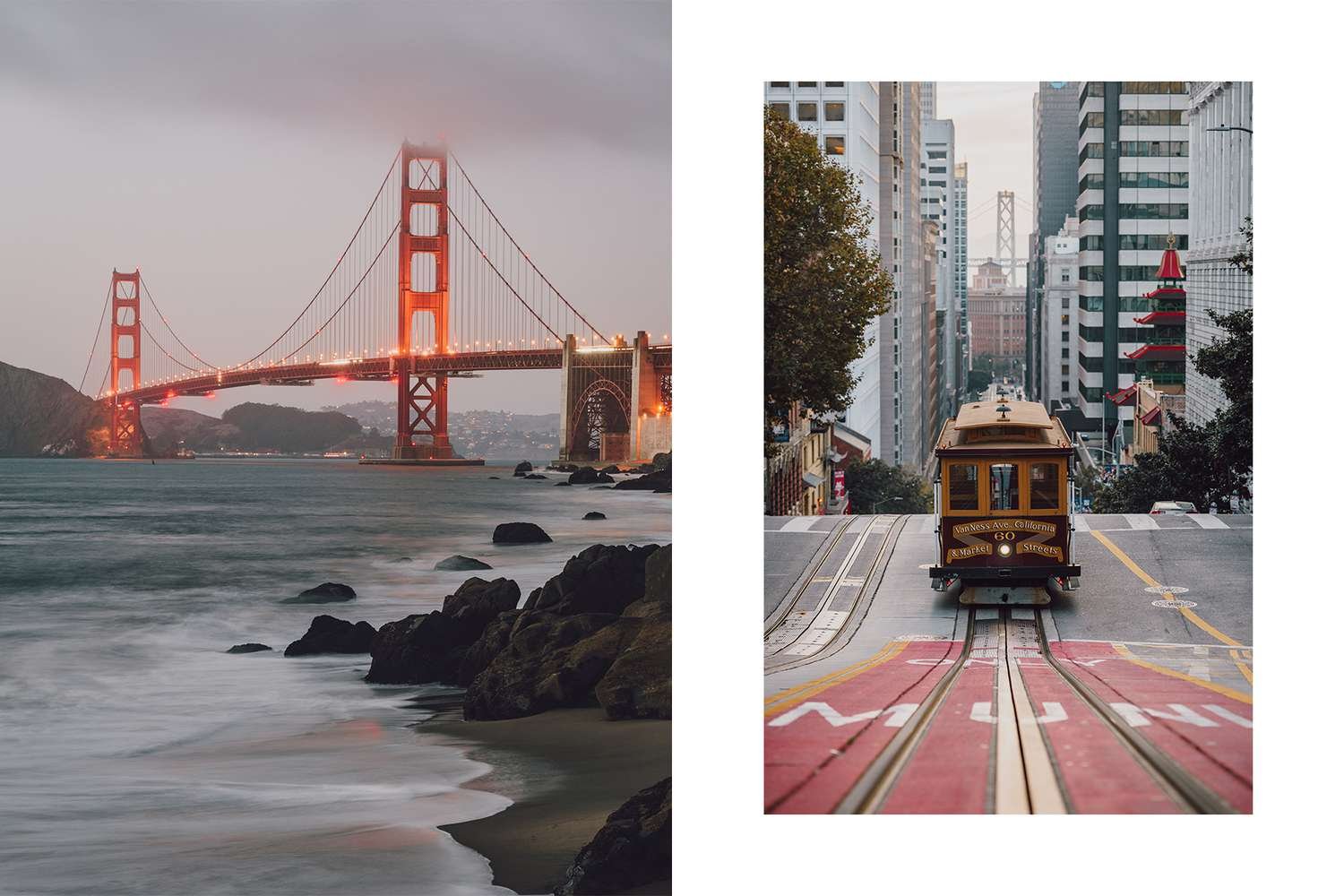
Morning walk or bike ride across the Golden Gate Bridge from the Welcome Center to the Vista Point overlook and back. Late morning at Crissy Field for the classic bridge photo. Lunch at the Ferry Building Marketplace. Afternoon cable car ride from the turnaround at Market Street to Fisherman’s Wharf. See the sea lions at Pier 39. Dinner in North Beach.
Day 2: Alcatraz, Chinatown, and the Hills
Morning Alcatraz tour, booked weeks in advance. The early ferry gives you the best light and smaller crowds on the island. Return by midday, walk through Chinatown for dim sum lunch. Spend the afternoon climbing the Filbert Steps to Coit Tower for the 360-degree city view. Evening drinks in a North Beach cafe or a Mission District cocktail bar.
Day 3: Parks, Murals, and a Museum
Morning in Golden Gate Park: the Japanese Tea Garden, the de Young Museum’s free observation tower, and a stroll through the Botanical Garden. Lunch in the Inner Sunset or the Richmond. Afternoon in the Mission District: the murals of Clarion Alley, a burrito from a taqueria on 24th Street, and people-watching in Dolores Park. If you have energy left, a sunset walk along Baker Beach beneath the bridge.
Getting Around San Francisco: Transit Reality Check
Do not rent a car for a San Francisco city trip. I say this as someone who loves road trips. The city has some of the highest car-break-in rates in the country, hotel parking routinely costs $50–$80 per night, and navigating the one-way streets and hills adds stress to every outing. The Muni system of buses, streetcars, and the iconic cable cars covers the entire city. A $13 day pass, purchasable on the MuniMobile app, gives you unlimited rides. For the few trips where transit is inconvenient, a short Uber or Lyft fills the gap.
BART, the Bay Area Rapid Transit system, connects San Francisco International Airport (SFO) to downtown in about 30 minutes for roughly $10 one-way. It is efficient for airport transfers and reaching the Mission District, but it does not cover the neighborhoods a tourist typically explores. For those, Muni is your system. If you plan to visit Muir Woods, book a shuttle or a tour. Parking at Muir Woods now requires a reservation, and the lot fills regardless. Check the official National Park Service Muir Woods page for current shuttle and reservation requirements.
6 First-Timer Mistakes to Avoid in San Francisco
These are the avoidable errors I have either made myself or watched visitors make from a cafe window. Fixing them will make your trip smoother than the average first-timer’s experience.
- 1. Dressing for a “California summer” instead of SF reality. The afternoon fog is a physical presence. Bring a warm, windproof jacket every day, even if the morning is sunny. The temperature can drop from 70 degrees Fahrenheit to 55 degrees in an hour.
- 2. Not booking Alcatraz in advance. Tickets for the ferry sell out 2 to 3 weeks ahead in peak season. The only authorized seller is Alcatraz City Cruises. Third-party resellers charge double for the same ticket.
- 3. Leaving anything visible in a parked car. Even a empty shopping bag on the back seat is an invitation. Car break-ins are a genuine, documented problem in San Francisco. Take everything with you or do not rent a car in the first place.
- 4. Underestimating the hills. A 1-mile walk on a flat map can be a 300-foot climb on San Francisco streets. Use Muni to connect neighborhoods separated by serious inclines. Your calves will thank you.
- 5. Only eating at Fisherman’s Wharf. The Wharf has a few good spots, but the city’s best food is in the Mission, the Richmond, and the Ferry Building. A clam chowder bread bowl is a rite of passage; just do not make it your only meal strategy.
- 6. Trying to see everything in 2 days. The city is geographically compact, but the microclimates, the transit connections, and the simple fact that you will want to linger at viewpoints mean a rushed itinerary feels punitive. Three days is the honest minimum.
Frequently asked questions about planning a trip to San Francisco
How many days is enough for a first trip to San Francisco?
Three full days is the minimum to see the bridge, Alcatraz, Fisherman’s Wharf, Chinatown, and one neighborhood like the Mission or Golden Gate Park. Four to five days allows a more relaxed pace plus a day trip to Muir Woods or Sausalito.
Is San Francisco safe for tourists?
The major tourist areas are generally safe during the day and evening. Use the same urban awareness you would in any large city. Property crime, particularly car break-ins, is a well-documented issue, so leave nothing in a parked vehicle and avoid walking alone in the Tenderloin district after dark.
Do I need a car in San Francisco?
No. Public transit via Muni buses, streetcars, and cable cars, combined with the occasional rideshare, covers every tourist destination. Parking is expensive and car break-ins are a persistent risk in many neighborhoods.
What is the best month to visit San Francisco?
September and October offer the warmest, sunniest weather. Summer months, June through August, are frequently foggy and cool. May and November are quieter shoulder seasons with decent conditions and lower hotel rates.
How much does a trip to San Francisco cost?
Budget roughly $250–$400 per person per day for a comfortable mid-range trip including accommodation, three meals, transit, and one paid attraction. Hotel prices are the largest variable and rise sharply during conference season and summer months.
Where is the best area to stay in San Francisco for first-time visitors?
Union Square has the most hotel options and the best transit connections, making it the most convenient base. North Beach offers more character and a livelier evening atmosphere. Fisherman’s Wharf is best for families prioritizing the ferry and waterfront attractions.
How far in advance should I book Alcatraz tickets?
Book Alcatraz ferry tickets 2 to 3 weeks ahead for peak season (May–October). Tickets are released on a rolling 90-day window. Same-day tickets are extremely unlikely to be available.
Plan your trip: booking platforms we trust for San Francisco
I have booked San Francisco trips across all of these platforms. Each one does a specific job well. Using the right tool for the right booking saves money and avoids generic search results that do not reflect how the city is actually laid out.
Best for overall hotel and B&B availability across Union Square, Fisherman’s Wharf, and North Beach.
Best for comparing flight prices into SFO, Oakland, and San Jose airports.
Best for bundling a flight with a hotel for a single San Francisco itinerary.
Best for bookable Alcatraz tours, Muir Woods shuttles, and city walking tours.
Best for checking recent reviews of restaurants in the Mission, Chinatown, and North Beach.
Best for loyalty rewards if you book multiple US city stays across one trip.