
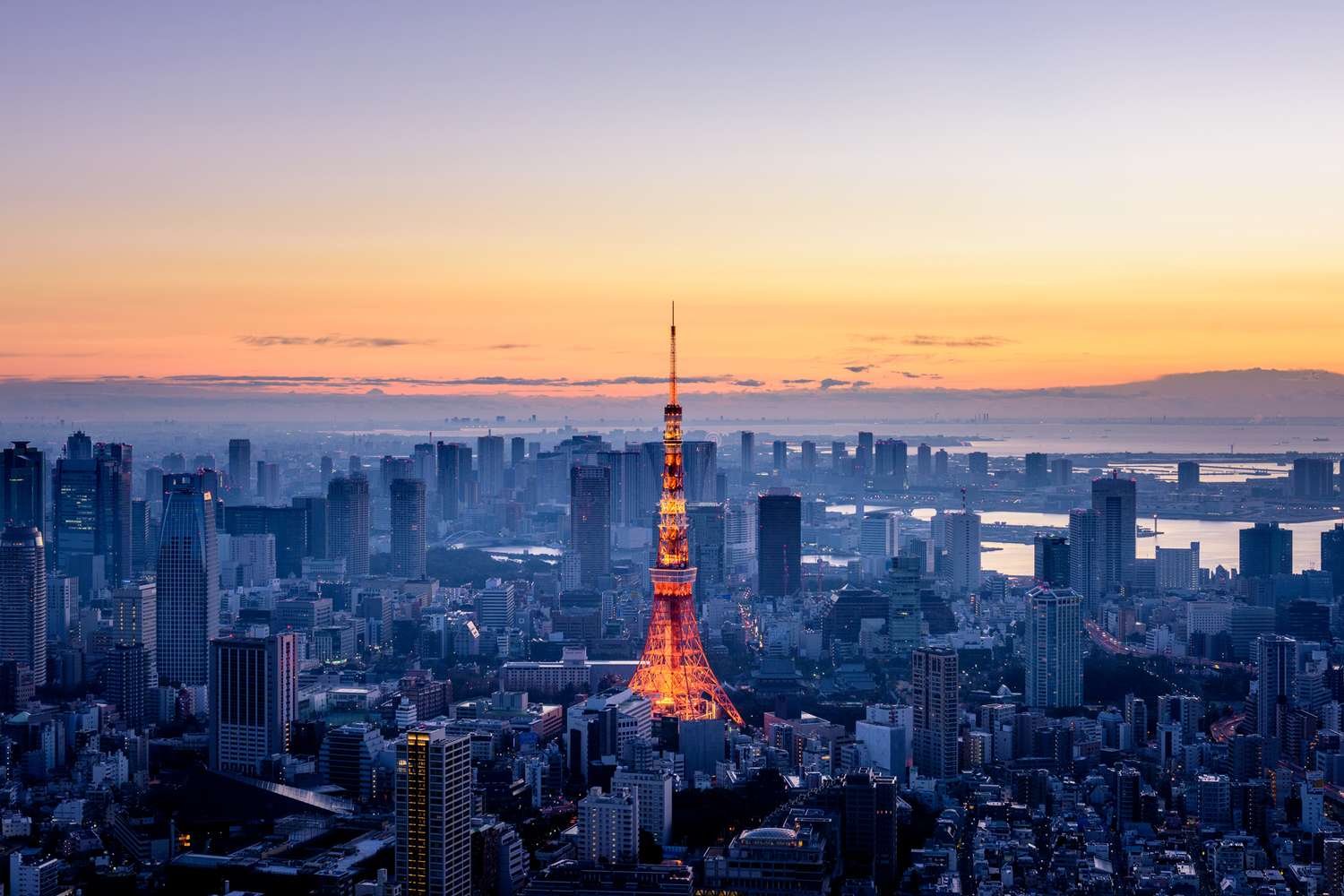
Trip to Tokyo: What It Really Costs, What Changed This Year, and How Many Days to Book
Some links on this page are affiliate links. We may earn a commission at no extra cost to you.
A trip to Tokyo works best for most first-time visitors with 4 to 5 full days, a base in Shinjuku, Asakusa/Ueno, or Ginza, an IC card such as Suica or PASMO, and advance bookings for popular timed-entry attractions. Japan now charges an International Tourist Tax of 3,000 yen per departure from July this year, while tax-free shopping changed to a refund method from November this year. Check visa, accommodation tax, and attraction rules with the official Japanese sources before you pay.
A trip to Tokyo is easy to love and easy to overspend on. The city rewards a little planning: choose a sensible base, decide how many days you actually need, book the few attractions that sell timed tickets, and understand which fees changed this year.
This guide is for first-time visitors from the United States and the United Kingdom who want a practical plan rather than a list of every restaurant and shrine. It is less useful if you are visiting Tokyo only as a one-night stop before a wider Japan itinerary, because a short stay changes the airport, transport, and sightseeing choices.
What makes this guide different is the focus on decisions: how many days to book, where to sleep, which transport pass makes sense, what to reserve before departure, and which rules are new. I check fees and policies against official Japanese sources, then flag the details that can change before you fly.
Jump to: How many days | Best time | Costs | New rules | Visa and JESTA | Airports | Where to stay | Getting around | What to book | Money | Safety | Mistakes | FAQ
Key takeaways
- Plan 4 to 5 full days for a first trip to Tokyo if you want major neighborhoods, food, and museums and one day trip without rushing.
- Choose Shinjuku for nightlife and rail access, Asakusa or Ueno for traditional sights and lower-cost stays, or Ginza for a polished, central base.
- The Tokyo Subway Ticket costs 1,000 yen for 24 hours, 1,500 yen for 48 hours, and 2,000 yen for 72 hours for adults (check current rates on the official site) and covers Tokyo Metro and Toei Subway lines.
- Japan’s International Tourist Tax is 3,000 yen per departure from July this year (confirm the latest rate with the National Tax Agency).
- Tax-free shopping moved to a refund method from November this year: pay the tax-inclusive price, then present eligible purchases to Customs before leaving Japan (check the current process with Japan Customs).
- Tokyo’s accommodation tax changes next year in April: stays of 13,000 yen or more per person per night are taxed at 3 percent, while stays below that threshold are exempt (confirm the current rule with the Tokyo Metropolitan Government).
- Book timed-entry attractions such as TeamLab Planets, Shibuya Sky, and Tokyo Skytree early, especially for weekends and holiday periods.
How many days do you need for a trip to Tokyo?
For a first trip to Tokyo, plan 4 to 5 full days if you want the major districts, food, a museum or two, and time to breathe. Choose 3 days if you are combining Tokyo with Kyoto, Osaka, or another region; choose 6 to 7 days if you want day trips, deeper neighborhood exploring, or a slower pace.
Tokyo is not one compact sightseeing zone. Shibuya, Shinjuku, Asakusa, Ueno, Ginza, Odaiba, and the Tokyo waterfront each require travel time, and the city’s rail network makes it easy to move between them but makes it easy to underestimate how much a day can absorb.
Choose 3 full days if
- You are visiting Tokyo as part of a wider Japan itinerary.
- You mainly want Shibuya, Shinjuku, Asakusa, and one major observation deck.
- You are comfortable skipping museums and day trips.
Choose 4 to 5 full days if
- This is your first trip to Tokyo, and you want a balanced plan.
- You want time for markets, temples, nightlife, shopping, and a museum.
- You may add a day trip to Hakone, Kamakura, or Nikko.
Choose 6 to 7 full days if
- You want a slower pace, neighborhood walks, and multiple day trips.
- You are travelling with children or older relatives.
- You want to see more than the headline sights without changing hotels.
The official Tokyo tourism portal, GO TOKYO, is useful for current events, neighborhood guides, and seasonal information. Use it to fill the days around your fixed bookings rather than treating it as a rigid itinerary.
Maya’s honest take: The mistake I see most is packing five neighborhoods into one day. Pick one anchor area per day, then add one nearby stop. Tokyo feels better when you leave room to wander.
When is the best time for a trip to Tokyo?
The best time for a trip to Tokyo is usually late March to early May for mild weather and cherry blossoms, or October to November for comfortable temperatures and autumn color. Summer is hot and humid, while winter is cold but often clear and less crowded outside New Year.
Spring is beautiful, but it is also expensive and busy. Accommodation prices and availability can become difficult around cherry-blossom weeks, so book early if your dates are fixed.
Best for
- Late March to early May: mild weather, blossoms, and outdoor sightseeing.
- October to November: comfortable walking weather and autumn foliage.
- January to February: lower crowds outside New Year, but cold temperatures.
Worth considering
- June to August: lively summer events, but heat, humidity, and possible typhoons.
- Late April to early May: Golden Week brings domestic travel and higher demand.
- Rainy season, generally June into July: pack waterproof footwear and keep indoor plans flexible.
For official seasonal advice and event information, check GO TOKYO before locking in dates. Japan’s weather can vary sharply by week, so do not plan an entire trip around a blossom forecast.
How much does a trip to Tokyo cost?
A trip to Tokyo can suit a modest budget or a luxury one, but the biggest variables are flights, accommodation, and how often you eat out. Build your budget around a nightly accommodation figure, a daily food and transport allowance, attraction tickets, and the departure tax.
Use this method rather than copying a random daily total. First, price flights for your exact dates. Next, set a nightly accommodation budget for your chosen area. Then add a food allowance, local transport, paid attractions, and a buffer for shopping, taxis, or a day trip.
Value traveller
- Stay in a hostel, business hotel, or simple guesthouse.
- Use convenience stores, food halls, and casual restaurants for some meals.
- Use trains and walking rather than taxis.
- Choose free parks, shrines, neighborhoods, and markets alongside a few paid attractions.
Mid-range traveller
- Stay in a well-located mid-range hotel or apartment-style stay.
- Mix casual meals with a few sit-down dinners.
- Include several paid attractions, such as an observation deck and a teamLab venue.
- Allow a buffer for a day trip and occasional taxis.
Comfortable traveler
- Stay in a higher-end hotel in Ginza, Shinjuku, or near Tokyo Station.
- Book restaurant reservations and guided experiences.
- Use taxis when convenient, especially late at night or with luggage.
- Include premium observation decks, theater, shopping, and private transfers if useful.
For flights, compare dates and nearby airports before booking. You can use Kayak to compare flight options, or check package combinations through Expedia if you prefer one booking for flights and a hotel.
Maya’s honest take: The cost trap is assuming Tokyo is expensive everywhere. It can be, but a business hotel near a rail hub, breakfast from a convenience store, and a subway pass can keep a city break reasonable. The expensive version is usually a last-minute hotel in a prime district plus taxis.
For more accommodation ideas, see our guide to where to stay in Tokyo. For attraction inspiration, browse our best things to do in Tokyo collection.
What changed this year for a trip to Tokyo?
Three money rules matter most for a trip to Tokyo this year: the higher International Tourist Tax, the new tax-free shopping refund process, and Tokyo’s revised accommodation tax arriving next year in April. Each affects a different part of the trip, so check them before booking and again shortly before departure.
International Tourist Tax
Japan increased its International Tourist Tax to 3,000 yen per departure by air or sea from July this year (confirm the latest rate with the National Tax Agency). The Japan National Tourism Organization explains that the tax supports tourism infrastructure. Infants under two are exempt under the official guidance.
Check the National Tax Agency’s International Tourist Tax page.
Tax-free shopping
From November this year, eligible visitors generally pay the tax-inclusive price at participating shops, then present the goods to Customs at the airport or seaport before departure. Once Customs confirms the goods are leaving Japan, the consumption-tax equivalent can be refunded through the designated process (check the current procedure with Japan Customs).
Tokyo accommodation tax
Tokyo’s accommodation tax changes next year in April. The Tokyo Metropolitan Government says stays below 13,000 yen per person per night are exempt, while stays of 13,000 yen or more are taxed at 3 percent (confirm the current rate and threshold with the Tokyo Metropolitan Government).
Check the Tokyo Metropolitan Government accommodation tax page.
Do not rely on older blog posts for tax-free shopping. The old system allowed many eligible purchases to be processed at the shop, but the current refund method requires a customs step at departure. Japan’s official tourism organization describes the change clearly on its tax-free shopping guidance.
Do you need a visa or JESTA for a trip to Tokyo?
Whether you need a visa for a trip to Tokyo depends on your nationality, purpose of visit, and length of stay. Many US and UK passport holders can visit Japan for short tourism without a visa, but you should confirm your own position with Japan’s Ministry of Foreign Affairs before booking non-refundable travel.
Japan’s visa-fee rules changed from July this year. For applications accepted from that date, the Ministry of Foreign Affairs says the fee is approximately 15,000 yen for a single-entry visa and approximately 30,000 yen for a multiple-entry visa (confirm the exact amount and payment method with the embassy or consulate handling your application).
Check Japan’s official visa fee page
JESTA is Japan’s planned electronic travel authorisation system for eligible visa-exempt visitors. Japan’s Immigration Services Agency says JESTA is scheduled to begin operating in fiscal year 2028, so it is not a requirement for a trip to Tokyo now (check the Immigration Services Agency for updates).
Check the Immigration Services Agency’s JESTA information
For a broader overview of documents and entry rules, read our guide to Japan visa requirements. If your passport, name, travel history or purpose of visit is unusual, contact the Japanese embassy or consulate before relying on general advice.
How do you get from Narita or Haneda to central Tokyo?
For a trip to Tokyo, Haneda Airport (HND) is usually the more convenient arrival airport because it is closer to central Tokyo, while Narita Airport (NRT) often has more international flight choices and can be cheaper. The right choice depends on flight price, arrival time, hotel location and luggage.
Narita Airport (NRT)
Narita is farther from central Tokyo, so allow more time and budget for the transfer. Common options include the Narita Express, Keisei Skyliner, airport buses and regular trains. Choose a reserved express service if you have heavy luggage or arrive late; choose a regular train if you are travelling lightly and want the lowest fare.
Haneda Airport (HND)
Haneda is generally closer to central Tokyo and is served by rail links including the Tokyo Monorail and Keikyu Line, as well as airport buses and taxis. It is often the better airport for a short Tokyo stay, especially if your hotel is in Shinagawa, Hamamatsucho, Ginza or another central district.
Choose Narita if the flight is materially cheaper or the schedule is better. Choose Haneda if the fare difference is small and you value a shorter transfer. For a late-night arrival, check the final train time and the cost of a taxi or airport bus before assuming rail is available.
For official transport and airport information, use GO TOKYO and the official airport or rail operator pages for your exact arrival date.
Where should you stay on a first trip to Tokyo?
For a first trip to Tokyo, stay near a major rail hub rather than chasing the cheapest room across the city. Shinjuku, Asakusa/Ueno, Ginza and Tokyo Station are practical bases because they make sightseeing, airport transfers and evening meals simpler.
Shinjuku
- Best for nightlife, dining, shopping and rail connections.
- Good if you want to be out late and use multiple train lines.
- Downside: it can feel intense, especially around the station at rush hour.
Asakusa or Ueno
- Best for traditional Tokyo, temples, markets and often lower-cost accommodation.
- Good for travellers who want a calmer base with easy access to Ueno museums.
- Downside: it is east of the city centre, so some west-side plans take longer.
Ginza or Tokyo Station
- Best for a polished, central base, shopping and convenient rail access.
- Good for couples, business-style travellers and visitors using the Shinkansen.
- Downside: hotels can be costly, particularly during peak periods.
Choose Shinjuku if you value nightlife and transport. Choose Asakusa or Ueno if you want traditional sights and a more relaxed base. Choose Ginza or Tokyo Station if convenience and a polished hotel matter more than saving money.
Compare hotel locations and reviews before booking through Agoda, Booking.com or Hotels.com. For a family or group that needs more space, check apartment-style options on Vrbo, but verify the exact location, sleeping arrangements and cancellation terms before paying.
Maya’s honest take: A cheap hotel 40 minutes from everywhere is rarely cheap once you add late-night taxis, extra rail fares and wasted energy. Pay attention to the walking distance to a station, not just the district name.
How do you get around Tokyo: Suica, PASMO or a subway ticket?
For getting around Tokyo, use an IC card such as Suica or PASMO for flexible pay-as-you-go travel, or choose a Tokyo Subway Ticket if you expect several subway journeys each day. The best option depends on whether you also need JR lines, buses or travel beyond central Tokyo.
The Tokyo Subway Ticket gives unlimited rides on Tokyo Metro and Toei Subway lines for 24, 48 or 72 hours from first use. Toei Transportation lists adult prices of 1,000 yen for 24 hours, 1,500 yen for 48 hours and 2,000 yen for 72 hours (check current fares and eligibility on the official site).
Check Toei Transportation’s Tokyo Subway Ticket page
Choose an IC card if
- You want to use metro, JR, buses and many shops without thinking about ticket types.
- Your plans include places outside the Tokyo Metro and Toei Subway network.
- You prefer flexibility over squeezing value from a pass.
Choose a Tokyo Subway Ticket if
- You expect to use Tokyo Metro and Toei Subway several times daily.
- You are staying centrally and will mostly sightsee within the covered network.
- You want a simple, fixed transport cost for a short city break.
A Japan Rail Pass is not automatically good value for a Tokyo-only trip. It can make sense if you are travelling long distances across Japan by rail, but calculate the cost against your actual itinerary before buying it. For a Tokyo city break, an IC card plus a subway pass is often simpler.
GO TOKYO’s guide to IC cards and tickets explains the differences between Tokyo Metro tickets and visitor passes.
What should you book before you go to Tokyo?
Book flights, accommodation, airport transfer expectations and a small number of timed-entry attractions before a trip to Tokyo. Everything else can usually be arranged after arrival, which keeps the plan flexible.
Reserve early
Reserve teamLab Planets, teamLab Borderless, Shibuya Sky, Tokyo Skytree, the Ghibli Museum and Warner Bros. Studio Tour Tokyo early if they are part of your plan. These experiences can have limited entry slots, particularly around weekends, school holidays and Japanese public holidays.
Leave flexible
Leave neighbourhood walks, parks, markets, department-store food halls and casual meals flexible. Tokyo is at its best when you can follow a recommendation, weather change or sudden craving rather than moving between reservations all day.
For official sightseeing information and current event listings, use GO TOKYO. For tours and activity tickets, compare availability on GetYourGuide, but always check the operator’s cancellation policy and meeting point.
Maya’s honest take: Book the two or three experiences that would ruin your trip if they sold out. Do not turn every meal, park and neighbourhood into a reservation.
Do you need cash in Tokyo, and how does tax-free shopping work?
You do not need large amounts of cash for a trip to Tokyo, but carrying some yen is still sensible for small shops, markets, temples, vending machines and places that do not accept foreign cards. Use a card for hotels, department stores and larger restaurants where accepted, and keep a small cash reserve for the rest.
For tax-free shopping, the process changed from November this year. At participating stores, eligible visitors generally pay the tax-inclusive price, keep the receipts and goods available, then present them to Customs before leaving Japan. Once Customs confirms the goods are being taken out of the country, the consumption-tax equivalent can be refunded through the designated process (check the current rules with Japan Customs).
Japan Customs explains that the former immediate tax-exemption system applied until October this year, while the refund method applies to purchases made from November this year. The official page is the best place to confirm eligibility, minimum purchase rules, documentation and the departure procedure.
Check Japan Customs’ Tax Exemption Refund Program page
Do not consume eligible goods before departure if you intend to claim a refund. The official guidance says consumables become ineligible for a refund if they are consumed within Japan.
Is Tokyo safe for tourists, and what about earthquakes?
Tokyo is generally safe for tourists, with low levels of everyday violent crime and excellent public transport. The practical risks are more often crowds, heat, pickpocketing in packed areas, transport delays and earthquakes than serious crime.
Japan is earthquake-prone, so save emergency contacts, know your hotel’s evacuation information and follow official instructions during an alert. Keep a charged phone, a portable battery and a small amount of cash in case card systems or transport are disrupted.
Travel insurance is strongly recommended for medical care, trip disruption and lost belongings. Read our guide to travel insurance for travellers before departure.
For official visitor information, safety updates and emergency guidance, start with GO TOKYO and Japan’s official government sources.
What mistakes do first-time visitors make on a trip to Tokyo?
The most common mistakes on a trip to Tokyo are overpacking the itinerary, choosing a hotel solely on price, assuming every rail pass saves money, and relying on outdated tax-free advice. Each has a simple fix.
- Trying to see too much each day. Fix it by choosing one anchor neighbourhood and one or two nearby stops.
- Booking a hotel far from a station. Fix it by checking walking time, lift access and late-night transport before booking.
- Buying a rail pass without doing the maths. Fix it by pricing your actual intercity journeys; a Tokyo-only trip often does not justify one.
- Assuming tax-free shopping is handled at the till. Fix it by reading Japan Customs’ current refund process and allowing time at the airport.
- Forgetting the departure tax. Fix it by checking whether it is included in your ticket and budgeting for it if it is not.
- Arriving without a plan for cash and connectivity. Fix it by arranging an eSIM or local data option and carrying a modest yen reserve.
- Ignoring the accommodation tax. Fix it by checking whether your hotel includes it in the displayed price and what threshold applies to your stay.
For a broader pre-departure checklist, see our travel planning checklist.
Frequently asked questions
How many days do you need for a trip to Tokyo?
Most first-time visitors should plan 4 to 5 full days in Tokyo. That allows time for major districts, food, a museum or observation deck, and one optional day trip. Use 3 days if Tokyo is one stop on a wider Japan itinerary.
What is the best month for a trip to Tokyo?
Late March to early May and October to November are usually the most comfortable periods. Spring can be busy and expensive around cherry blossoms, while summer brings heat, humidity and possible typhoons.
How much does a trip to Tokyo cost?
The total depends mainly on flights, hotel category, dining style and paid attractions. Build a budget from accommodation per night, daily food and transport, attraction tickets, airport transfers and the International Tourist Tax. Check each figure close to booking because prices change.
Do you need a visa for a trip to Tokyo?
It depends on your nationality and the purpose and length of your visit. Many short-term tourists from the US and UK do not need a visa, but confirm your exact situation with Japan’s Ministry of Foreign Affairs before booking.
Where should you stay on a first trip to Tokyo?
Shinjuku is best for nightlife and transport, Asakusa or Ueno for traditional sights and often lower-cost stays, and Ginza or Tokyo Station for a central, polished base. Choose the area that matches your evening plans and airport transfer needs.
How do you get from Narita or Haneda to central Tokyo?
Haneda (HND) is usually closer to central Tokyo, with rail options including the Tokyo Monorail and Keikyu Line. Narita (NRT) is farther away but often has more international flight choices; use the Narita Express, Keisei Skyliner, airport bus or regular train depending on luggage, budget and arrival time.
Should you buy a Suica, PASMO or Tokyo Subway Ticket?
Choose Suica or PASMO for flexible travel across multiple operators. Choose a Tokyo Subway Ticket if you expect repeated Tokyo Metro and Toei Subway journeys within 24, 48 or 72 hours. The official adult prices are 1,000 yen, 1,500 yen and 2,000 yen respectively (check current fares on the official site).
Is Tokyo safe for tourists?
Tokyo is generally safe for tourists. Take normal precautions in crowded areas, look after belongings, follow transport and weather advisories, and know your hotel’s earthquake and evacuation procedures.
Do you need cash in Tokyo?
You do not need large amounts of cash, but carry some yen for small shops, markets, temples and smaller restaurants. Cards are widely accepted in larger businesses, though acceptance can vary.
How do you claim tax back when leaving Japan?
From November this year, eligible shoppers generally pay the tax-inclusive price and present the goods to Customs before departure. After Customs confirms the goods are leaving Japan, the consumption-tax equivalent can be refunded through the designated process (check the current procedure with Japan Customs).
Sources we checked
Maya verifies fees, visa rules, transport fares and visitor policies against official Japanese government, airport, transit and tourism sources before publishing. Rules can change, so recheck the relevant page shortly before departure.
- National Tax Agency: International Tourist Tax
- Japan Customs: Tax Exemption Refund Program
- Japan National Tourism Organization: tax-free shopping changes
- Tokyo Metropolitan Government: accommodation tax
- Ministry of Foreign Affairs of Japan: visa fees
- Immigration Services Agency: JESTA schedule
- Toei Transportation: Tokyo Subway Ticket
- GO TOKYO: official Tokyo travel guide
Plan your trip: booking platforms we trust
For a trip to Tokyo, I would compare flights first, then choose a hotel within a short walk of a major rail hub. Use a flight comparison site for dates, a hotel platform for location and cancellation terms, and a tours platform only for experiences that genuinely need a timed ticket.
Useful for comparing hotels and stays across Asia, including Tokyo.
Booking.com
Good for comparing hotel locations, reviews and cancellation policies.
Expedia
Useful for flight and hotel packages if you prefer one booking.
Kayak
Helpful for comparing flight dates and nearby airport options.
GetYourGuide
Useful for tours, timed attractions and activity tickets.
Tripadvisor
Useful for reading recent traveller reviews of hotels and restaurants.
For more help choosing dates and accommodation, see our guides to where to stay in Tokyo, cheap flights to Tokyo and travel planning.
WakaAbuja does its best to keep all information accurate at the time of publishing. Prices, policies, and availability change regularly. Always verify with official sources before you travel. We are not liable for errors caused by outdated information. Travel insurance is strongly recommended.