

advertisement
Wellness Retreat Travel Guide: Costs, Types & Where to Go
A wellness retreat is a structured, short-term stay focused on improving physical, mental, or spiritual health through activities like yoga, meditation, spa treatments, or digital detoxing. A weekend meditation retreat in Southeast Asia can cost as little as $150, while a week-long luxury spa program in Switzerland can exceed $8,000. Most mid-range retreats fall between $800 and $2,500 for a five-to-seven-day stay.
A quick search for wellness retreats returns thousands of bookable listings, all promising transformation. What it rarely returns is a straight answer to what these things actually cost, how to tell a genuinely well-run retreat from a cleverly marketed guesthouse, and which type actually suits you when you have never done one before. The booking platforms earn commissions on every reservation. That does not make them dishonest, but it does mean they are structurally not positioned to lead with the red flags, the price transparency, or the honest “this type is not for you if…” caveats. This guide fills those gaps.
I have attended retreats across four countries, and I have also walked away from two that failed the vetting checklist below before I handed over any money.
Jump to: What Is a Wellness Retreat? | Cost Breakdown | Types Explained | Best Destinations | How to Choose | Red Flags to Check | Going Solo | FAQs
Key takeaways
- A weekend retreat costs $150–$800; a week-long mid-range retreat runs $800–$2,500; luxury programs start at $3,000 and climb past $10,000.
- Yoga and meditation retreats are the most common and accessible entry points. Silent, detox, and fitness-focused retreats demand more specific preparation and a realistic self-assessment.
- Bali, Thailand, Costa Rica, and Portugal dominate the global retreat map for a reason: they combine established wellness infrastructure, competitive pricing, and reliable flight access.
- Going solo is the norm, not the exception. Most retreats report that a majority of their guests arrive alone. The industry is built around solo travelers.
- Vet every retreat before booking. Ask for a sample schedule, cancellation terms in writing, and the specific qualifications of anyone leading therapeutic or medical sessions.
What Is a Wellness Retreat, Exactly?
A wellness retreat is a structured stay, typically lasting between two and fourteen days, where the primary purpose is improving your physical, mental, or emotional health. It is not a regular holiday with a spa visit bolted on. The schedule is intentional. Your days are usually built around a core activity, yoga, meditation, hiking, surf coaching, or nutritional workshops, with set meal times, optional additional sessions, and free periods that are genuinely free rather than “free, but you should feel guilty for not joining the optional sound bath.” ” Accommodation, meals, and the core program are almost always bundled into one upfront price.
The industry has grown sharply. The Global Wellness Institute valued wellness tourism at roughly $651 billion annually in its most recent global report, with the segment consistently outpacing overall tourism growth. That growth means genuine, well-run retreats and thinly veiled marketing plays now sit side by side on the same booking platforms. The difference is not always obvious from the photos.
Maya’s honest take: “My first retreat was a 4-day yoga program in Ubud that cost $320, including a private room and all meals. My second was a ‘wellness weekend’ in rural England that cost £500 and turned out to be a nice B&B with one optional morning stretch class. The price tag does not tell you which one you are booking. The schedule does.”
How Much Does a Wellness Retreat Cost? Real Price Ranges
Retreat pricing spans an enormous range, and the same label, “yoga retreat,” can cost $200 or $5,000 depending on location, duration, accommodation standard, and instructor credentials. The figures below are per person, in USD, based on mid-year pricing data gathered from direct searches across multiple booking platforms and retreat center websites.
They include accommodation, meals, and the core program. Flights are excluded.

Wellness Retreat Cost Ranges by Type and Duration
Weekend yoga or meditation retreat (2–3 nights, SE Asia): $150–$400. Dorm or simple private room, shared bathroom, two daily sessions, vegetarian meals included.
Week-long mid-range yoga or holistic retreat (5–7 nights, SE Asia or Latin America): $700–$1,800. Private room with ensuite, full daily program, often one excursion or workshop included.
Week-long mid-range retreat in Europe or North America (5–7 nights): $1,500–$3,500. The same program structure as above, with higher accommodation and food costs driving the price difference.
Luxury spa or medical wellness retreat (5–7 nights, Switzerland, California, Maldives): $4,000–$12,000+. A private villa or suite, multiple daily spa treatments, personalized nutrition and medical consultations, and often one-on-one training.
Silent or Vipassana retreat (10 days): Often donation-based or free. Accommodation and food are provided; you contribute what you can at the end. These are rigorous, structured programs, not relaxation holidays, and the donation model reflects a specific spiritual tradition, not a marketing loss leader.
Prices are estimates based on mid-2026 data. Always check the specific retreat’s inclusions and cancellation policy before booking. Platforms like Booking.com list retreat-style properties, while dedicated wellness platforms offer more specialized filters. Compare both before committing.
Types of Wellness Retreats Explained, With Sample Schedules

Marketplace listings often describe every retreat as “transformative” and “life-changing.” Those words are marketing, not information. The actual difference between retreat types comes down to what you will do with your hours each day and what is expected of you. Here is what each type really involves, with a sample day so you can picture it.
Yoga Retreat
Best for: First-timers and anyone who wants a structured physical practice without an austere atmosphere.
Sample day: 7 a.m. morning flow, 8:30 a.m. breakfast, free time or excursion, 12:30 p.m. lunch, 4 p.m. restorative or yin session, 6:30 p.m. dinner, and optional evening meditation.
Cost range: $150 (weekend, SE Asia) to $3,500 (week, Europe).
Not for you if: You dislike group exercise settings or are looking for a purely passive spa experience.
Meditation & Mindfulness Retreat
Best for: Those seeking mental stillness, stress reduction, or an introduction to a specific tradition like Vipassana or Zen.
Sample day: 6 a.m. sitting meditation, 7:30 a.m. walking meditation, 8:30 a.m. breakfast, 10 a.m. teaching or dharma talk, midday lunch, afternoon alternating sitting and walking periods, 6 p.m. evening chant or discussion, and 8 p.m. final sit.
Cost range: Donation-based (Vipassana) to $2,500 (week-long guided retreat, mid-range center).
Not for you if: Sitting still for extended periods feels genuinely distressing rather than challenging. Silent retreats, specifically, are not recommended for those in acute mental-health crises.
Detox & Cleanse Retreat
Best for: Those wanting a structured reset from processed food, alcohol, caffeine, or screen dependency.
Sample day: Morning herbal tea, gentle yoga, juice or broth, colonic or sauna session (varies), light plant-based lunch, afternoon workshop on nutrition, evening broth and herbal tea, early bed.
Cost range: $400 (weekend) to $4,000+ (week-long medical detox with supervised fasting).
Not for you if: You have a history of disordered eating, are pregnant, or have medical conditions that require regular caloric or medication intake. Consult your doctor before booking.
Fitness & Adventure Retreat
Best for: Active travelers who want structured training, surf coaching, hiking programs, or boot-camp-style group fitness.
Sample day: 6:30 a.m. HIIT or run, 8 a.m. breakfast, 10 a.m. surf lesson or guided hike, 1 p.m. lunch, 3 p.m. strength or mobility session, 5 p.m. free time, 7 p.m. dinner, optional ice bath or sauna.
Cost range: $500 (weekend surf camp, Portugal) to $3,500 (week-long multi-sport retreat, Costa Rica).
Not for you if: You are starting from a very low fitness baseline or are recovering from injury. Some programs are genuinely demanding. Read the activity descriptions honestly.
For bookable retreats across all these categories, dedicated wellness platforms and general booking sites both carry inventory. Use TripAdvisor to read unfiltered guest reviews, and compare pricing on GetYourGuide for shorter wellness experiences if you are not ready to commit to a full residential program.
Best Destinations for a Wellness Retreat This Year
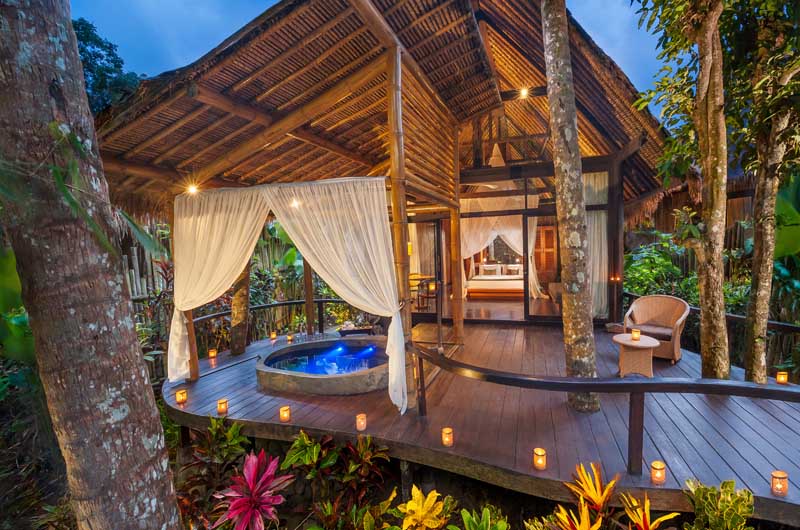
The “best” destination depends entirely on your budget, how far you are willing to fly, and what kind of environment you find restorative. A humid jungle bungalow is paradise for one person and sleepless, mosquito-filled misery for another. The table below matches destinations to retreat types and realistic budget expectations.
Destination Comparison for Wellness Retreats
Bali, Indonesia: Best for yoga, meditation, and holistic healing. Average weekly retreat cost is $500–$1,800. Best season April–October. Ubud is the epicenter. Expect rice-terrace views, a dense concentration of experienced instructors, and a wide price range from simple homestay programs to luxury spa resorts.
Thailand: Best for detox, Muay Thai fitness, and budget-friendly yoga. Average weekly retreat cost is $350–$1,500. Best season November–February. Koh Phangan and Chiang Mai are the main hubs. Thailand offers some of the best value retreats globally, particularly for longer stays.
Costa Rica: Best for surf-yoga combos, eco-lodges, and adventure wellness. Average weekly retreat cost is $900–$3,000. Best season December–April. The Nicoya Peninsula and Nosara area are dense with retreat centers. Prices are higher than in Southeast Asia, but flight times from North America are shorter.
Portugal: Best for surf camps, coastal yoga, and digital-detox retreats within easy reach of Europe. Average weekly retreat cost is $700–$2,500. Best season May–October. The Algarve and Alentejo coasts are the main areas. A strong option for Europeans who want a short-haul flight.
India (Rishikesh, Goa, Kerala): Best for traditional yoga teacher training, Ayurvedic programs, and ashram stays. Average weekly retreat cost is $200–$1,200. Best season October–March. The birthplace of many of the practices taught globally. Prices are among the lowest anywhere, but the cultural adjustment can be steeper for first-time visitors to India.
Switzerland & Austria: Best for luxury medical wellness, Alpine spa programs, and clinically supervised detox. Average weekly retreat cost is $3,500–$12,000+. Best season June–September and December–March. These are high-end, medically oriented programs. Not the place for a casual first retreat, but the standard of care and facilities is exceptional.
How to Choose the Right Wellness Retreat for You

The most common mistake I see is booking a retreat based on the photos and the destination rather than the schedule and the facilitator. A stunning clifftop yoga shala in Portugal will not compensate for a poorly structured program or an instructor whose teaching style grates on you. Work through these questions before you book.
The Three-Question Filter
1. What do I actually want to feel at the end of this? Rested, stronger, mentally clearer, lighter, more flexible? Your answer eliminates half the retreat types immediately. A fitness boot camp will not leave you rested. A silent meditation retreat will not leave you feeling like you had a social holiday.
2. How much structure do I genuinely want? Some retreats schedule every hour from 6 a.m. to 9 p.m. Others offer two optional sessions per day and leave the rest free. Be honest about which you will enjoy rather than which sounds more virtuous on paper.
3. What is my actual physical and mental baseline right now? A retreat that assumes you can hold a plank for two minutes or sit in silence for six hours is not better or worse; it is either appropriate or inappropriate for where you are today. Choose accordingly.
Questions to Ask the Retreat Before Booking
- “Can you send me a sample daily schedule from a recent retreat?”
- “What are the specific qualifications of the person leading the [yoga, meditation, therapy] sessions?”
- “What exactly is included in the price, and what costs extra?”
- “What is your cancellation and refund policy in writing?”
- “How many guests attend a typical session, and what is the facilitator-to-guest ratio?”
Red Flags to Check Before You Book a Wellness Retreat
Booking platforms earn a commission when you reserve. They are not incentivized to surface warnings about the properties they list. An independent checklist like this one is something a marketplace page structurally cannot lead with. These are the warning signs I look for before handing over payment details.
- 1. No sample schedule available before booking. A vague itinerary with “morning yoga, afternoon free, evening meditation” does not tell you enough. A well-run retreat has a defined program and is happy to share it. If they cannot or will not, that is a flag.
- 2. The instructor’s qualifications are absent or unverifiable. “Experienced yoga teacher” is not a credential. A Registered Yoga Teacher (RYT-200 or RYT-500) through Yoga Alliance is a verifiable baseline. For meditation, ask about their specific training lineage. For anything labelled “therapy” or “healing,” ask about licensure and accreditation.
- 3. The cancellation policy is vague or punitive. A clear, written cancellation policy is standard. If the terms are “contact us for details” or involve non-refundable deposits with no grace period, factor that risk into your decision. Consider travel insurance that covers retreat cancellation.
- 4. Reviews are exclusively five-star and sound identical. A real retreat has some guests who loved it and some who found the beds too hard or the schedule too intense. A wall of identically worded praise is a paid or curated review profile.
- 5. The “wellness” label is being used as a premium markup on a standard hotel. A nice hotel with a yoga mat in the room and a smoothie on the breakfast menu is not a wellness retreat. If the program is not the primary reason the price is higher than a comparable hotel in the same area, you are paying for branding.
- 6. Promises of medical or psychological outcomes without clinical qualifications. Any retreat claiming to treat depression, trauma, or chronic illness should have licensed medical or psychological professionals on staff. “Energy healing” and “emotional release” are not regulated terms and are not substitutes for clinical care.
- 7. High-pressure sales language or urgency tactics. “Only 2 spots left!” when the retreat is six months away or aggressive follow-up messages after you inquire suggest a sales operation rather than a wellness operation.
Going Solo to a Wellness Retreat: What to Actually Expect
If the idea of walking into a retreat alone makes you nervous, know this: you will be in the majority. Most retreats report that well over half their guests arrive solo. The structure of a retreat, shared meals, scheduled sessions, and a common purpose naturally creates connection faster than a regular holiday where everyone is on their own itinerary. You will likely share a table at your first meal and have a conversational entry point before you finish your starter.
That said, the social dynamic varies sharply by retreat type. A silent meditation retreat is intentionally solitary, and attempting to socialize defeats the purpose. A surf or fitness camp tends to be highly social, with group exertion creating fast camaraderie. A luxury spa retreat can skew toward couples and friends traveling together, and a solo guest may need to make a little more effort to bridge that gap. Read recent reviews specifically searching for the word “solo” to gauge the social tone of a specific retreat before you book.
Maya’s honest take: “I have arrived alone at every retreat I have ever attended. Once, in Costa Rica, I was the only solo guest among a group of six friends on a joint holiday. It was slightly awkward on the first evening and completely fine by breakfast the next morning. Bring a book for the downtime and say yes to the first group invitation. The awkwardness is temporary.”
Frequently asked questions about wellness retreat travel
How much does a wellness retreat cost on average?
A weekend retreat in Southeast Asia can cost as little as $150–$400. A week-long mid-range retreat in a popular destination like Bali or Costa Rica typically runs $800–$2,500. Luxury programs in Europe or the Maldives start at $3,500 and can exceed $12,000 for a week.
What is the difference between a wellness retreat and a spa holiday?
A spa holiday is a leisure trip where spa treatments are an optional add-on. A wellness retreat has a structured daily program, yoga, meditation, fitness, and detox protocols that form the core purpose of the stay. If you can skip every activity and still feel you got what you paid for, you are on a spa holiday, not a retreat.
Are wellness retreats suitable for beginners?
Yes. Many retreats are explicitly designed for beginners and will state this clearly. Yoga and meditation retreats in particular commonly offer “all levels” programs. The key is reading the activity descriptions honestly. A retreat advertising “dynamic vinyasa” and “advanced inversion workshops” is not for beginners, regardless of the destination photos.
Is it normal to go to a wellness retreat alone?
Very normal. Most retreats report that the majority of their guests arrive solo. The structured nature of retreats, shared meals, scheduled group sessions, and a common purpose makes them one of the easier travel formats for solo travelers.
What should I pack for a wellness retreat?
Pack comfortable activewear for multiple sessions per day, a reusable water bottle, any specific toiletries you rely on, insect repellent for tropical destinations, a journal and pen, and an open mind about the schedule. Check if towels, yoga mats, and props are provided so you do not haul them unnecessarily.
How do I know if a wellness retreat is legitimate?
Request a sample daily schedule and the specific qualifications of the program leaders before booking. Read reviews across multiple platforms, not just the retreat’s own website. Look for a clear, written cancellation policy. Be skeptical of retreats that promise medical or psychological outcomes without licensed clinical staff.
What is the best country for a first wellness retreat?
Bali, Indonesia, is the most popular entry point for a reason: a dense concentration of experienced retreat centers, a wide price range, excellent food, and a well-established infrastructure that makes the logistics straightforward for first-timers. Thailand is a strong second, particularly for budget-conscious travelers.
Do I need travel insurance for a wellness retreat?
Yes. A standard travel insurance policy that covers medical expenses, trip cancellation, and lost belongings is strongly recommended. Check that your policy covers the specific activities you will be doing, particularly if the retreat involves adventure sports, surfing, or any activity an insurer might classify as higher risk. Travel insurance is not optional.
Plan your retreat: platforms we use for research and booking
I use a mix of dedicated wellness platforms and general booking sites when researching retreats. No single platform lists every retreat, and cross-checking reviews across multiple sources catches the red flags that a single site’s curated review section might miss.
Best for finding retreat-style properties alongside standard hotels, with verified guest reviews.
Best for unfiltered guest reviews and photos of retreat centers before you book.
Best for booking shorter wellness experiences, day retreats, and single sessions if you are not ready for a residential stay.