
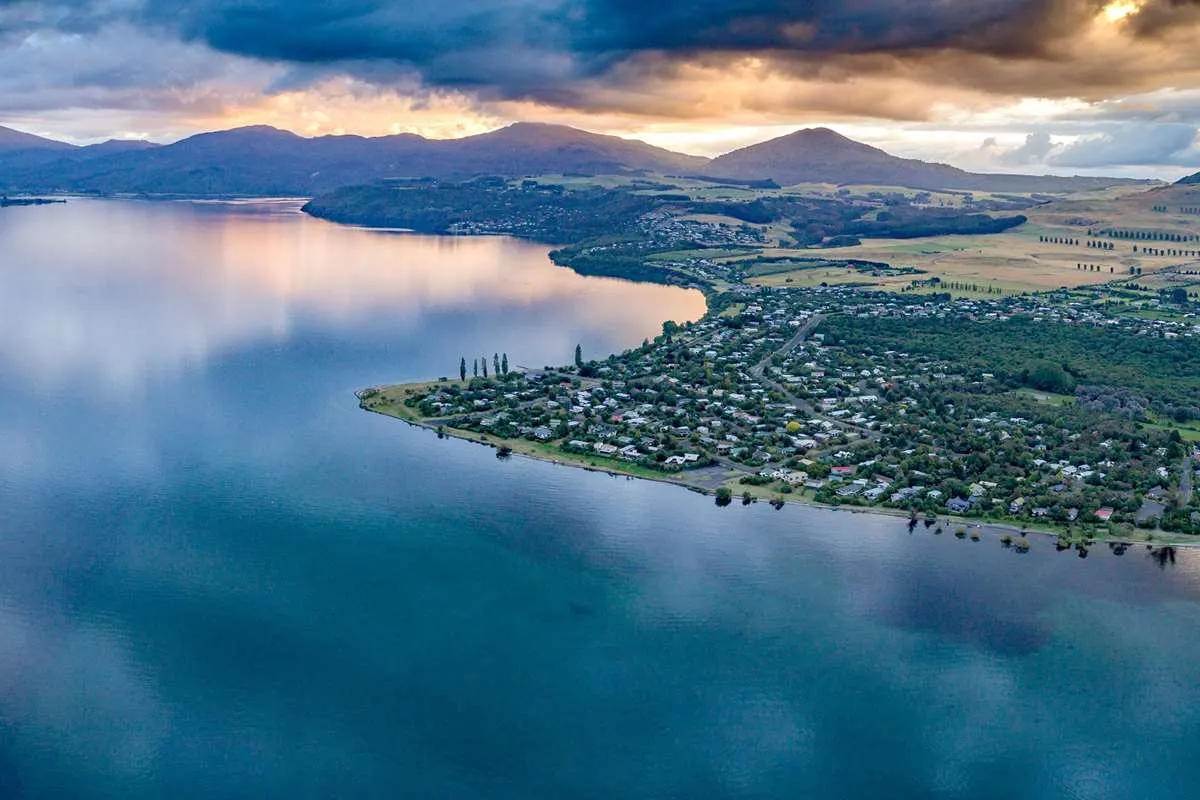
A trip to Taupō puts you on the shores of New Zealand’s largest lake, a supervolcano caldera with geothermal hot spots, the thunderous Huka Falls, and access to Tongariro National Park.
Budget roughly NZD 150 to 350 per person per day depending on your style, book lake-view stays early for the summer months, and plan at least three full days to cover the essentials without rushing.
I landed in Taupō for the first time on a crisp October morning, thinking I would snap a few photos of a big lake and move on. Chidi from our Abuja team had told me, “That town will rearrange your sense of scale,” and he was not exaggerating.
Three days turned into seven, and I have returned twice since. This guide is everything I wish someone had handed me before that first visit: the costs, the crowds, the surprises, and the practical reality of a Taupō trip that glossy brochures skip over.
Jump to: When to Go | Costs & Budgets | Where to Stay | Getting There & Around | Things to Do | Safety | Itineraries | FAQ
Key takeaways
- Taupō is a year-round destination, but the sweet spot for fewer crowds and decent weather is late spring (October to November) and early autumn (March to April).
- Budget-conscious travelers should target May through September; accommodation rates can drop by up to 40 percent compared to peak summer.
- The lake itself is a supervolcano caldera; geothermal activity shapes nearly every attraction, from free hot springs to paid thermal parks.
- You need a car or campervan to explore properly; public transport within the region is sparse and infrequent.
- Family-friendly activities dominate: prawn fishing, geothermal parks, lake cruises, and safe swimming spots make it one of the North Island’s best stops with children.
- Emergency services dial 111 anywhere in New Zealand; Taupō Hospital on Kotare Street handles urgent care.
- Book Huka Falls jet boat rides and Tongariro Alpine Crossing shuttles at least two days ahead during summer and school holidays.
When Is the Best Time to Plan Your Trip to Taupō?
Taupō delivers four distinct seasons, and each reshapes what your trip looks like. Summer (December to February) brings daytime highs around 23 to 26 degrees Celsius, long evenings, and every lakeside picnic table occupied by midday. This is peak season. Prices spike, and the town hums with domestic and international visitors. If you want swimming, boating, and the full lakeside holiday energy, this is your window, but book accommodation months ahead.
Autumn (March to May) is, in my experience, the most rewarding stretch. The lake stays warm enough for a swim through late March. The crowds thin noticeably after Easter. Accommodation rates soften, and the deciduous trees around town turn gold and amber. Chidi visited in late April and reported having the Otupoto Falls track nearly to himself.
Winter (June to August) transforms the region. Snow caps the Tongariro volcanoes, and the crisp air makes geothermal steam plumes even more dramatic. Daytime temperatures hover around 10 to 14 degrees Celsius. This is the cheapest time to visit, with motels and holiday parks offering deep discounts. The trade-off: some adventure activities like skydiving face weather cancellations, and the Tongariro Alpine Crossing requires alpine gear and serious preparation.
Spring (September to November) is unpredictable in the best way. You might get a run of 20-degree days or a cold snap with mountain snow. Lambing season greens up the farmland, and waterfalls like Huka Falls run at full volume from winter melt. I have scored excellent shoulder-season deals in late October.
Chidi’s honest take: “If you are coming from Abuja, the winter months in Taupō will feel genuinely cold. Pack layers you can peel off. The geothermal hot springs feel ten times better when the air is chilly, so do not dismiss winter entirely.”
How Much Does a Trip to Taupō Actually Cost?
@ivantwz How much does a New Zealand trip actually cost? 🇳🇿 All cost mentioned is in SGD! Here’s my full 18-day New Zealand travel budget, including flights, accommodation, food, coffee, transport, and activities. If you’re planning a New Zealand itinerary in 2026, save this for later ✈️ Would you spend this much on a NZ road trip?
Taupō sits in the mid-range of New Zealand travel costs. It is cheaper than Queenstown and Rotorua for accommodation but not a bargain destination. Here is what I have spent across three visits, adjusted to current rates.
Typical daily costs per person: A backpacker staying in a hostel dorm, cooking meals, and doing one paid activity daily can manage on NZD 100 to 150. A mid-range traveler in a motel or Airbnb, eating out once a day and booking two tours or activities, should budget NZD 200 to 350. Couples and families in lake-view hotels with daily activities and restaurant meals can expect NZD 400 to 600 per person daily. These are averages; skydiving or a scenic flight will push the upper range quickly.
Budget-friendly (per day)
- Hostel dorm bed: NZD 35 to 50
- Holiday park cabin: NZD 70 to 100
- Self-catered meals: NZD 15 to 25
- Free activities: lakefront walks, Otumuheke Stream hot pools, Huka Falls
- One paid activity: NZD 30 to 60 (thermal park entry, prawn fishing)
Mid-range (per day)
- Motel or private Airbnb room: NZD 120 to 200
- Casual restaurant lunch and dinner: NZD 50 to 80
- Two activities: NZD 100 to 250 (jet boat, cruise, thermal park)
- Car rental contribution: NZD 40 to 70
Money-saving tips I have tested: The free Otumuheke Stream at Spa Thermal Park delivers a natural hot soak without the entry fee of commercial spas. Stock up on groceries at Pak’nSave or Countdown supermarkets before arriving. Taupō’s small convenience stores charge a premium. Many motels offer discount vouchers for local attractions at check-in. Ask. For accommodation, Booking.com frequently lists properties with free cancellation, which lets you lock in a rate early and rebook if prices drop. For family villas with a full kitchen, Vrbo has solid options around Acacia Bay and Wharewaka that work out cheaper than two hotel rooms.
Where Should You Stay in Taupō for a Vacation?
@maddisonlambo $260 p/n at Taupō, NZ📍#nz #newzealand #taupo #travel #traveltiktok #traveltips
Taupō’s accommodation stretches along the lakefront and fans out into quieter bays. The town center works best for first-time visitors who want to walk to restaurants and cafes. Acacia Bay and Wharewaka, about 5 to 10 minutes’ drive west of town, offer lakefront peace with mountain views. I have tried all three zones.
The central Taupō strip along Lake Terrace puts you within walking distance of the main beach, the Great Lake Trail start, and most tour departure points. Motels dominate this stretch. Expect to pay NZD 150 to 280 per night for a lake-view motel unit in summer. Winter rates can dip to NZD 90 to 140. For a splurge, the Hilton Lake Taupō sits slightly back from the lake but delivers consistent quality with thermal pools on-site. Check current rates on Hotels.com if you collect loyalty nights.
Acacia Bay is my personal pick for a relaxed stay. It faces west across the lake toward the mountains, which means every sunset is a show. Holiday homes here book out months in advance for December and January. Vrbo and Booking.com both list properties in this area. If you want a resort-style experience with geothermal pools, Wairakei Terraces and the nearby DeBretts Spa Resort offer thermal hot pool access included with your stay. For Asian hotel deal hunters, Agoda sometimes lists competitive rates on Taupō motels, though inventory is smaller than other platforms.
Best for families
- DeBretts Spa Resort: thermal pools, waterslides, family units
- Acacia Bay holiday homes: full kitchens, multiple bedrooms, lake access
- Hilton Lake Taupō: reliable quality, pool, on-site restaurant
Worth considering
- Taupō DeBretts campground: powered sites from NZD 25 per person
- Wharewaka rentals: quieter, newer builds, still close to town
- Two Mile Bay motels: mid-range, walkable to the lakefront trail
How Do You Get to Taupō and Get Around Once There?
@hollycastlexo Lake Taupō throwback 😍 #laketaupo #northisland #nztiktok #nztravel #newzealand #southisland #camping #budgettravel #newzealandtiktok #aotearoa #aotearoanz
Taupō Airport (TUO) receives direct domestic flights from Auckland and Wellington on Air New Zealand. Flight time is about 50 minutes from Auckland and just over an hour from Wellington. One-way fares range from NZD 80 to 250 depending on how early you book. Use Kayak to compare flight prices across airlines; it has saved me real money on regional New Zealand routes. For international visitors, the most practical approach is flying into Auckland International Airport, picking up a rental car, and driving the roughly 275 kilometers south. The drive takes about three and a half hours on State Highway 1, a well-maintained road that passes through rolling farmland and the town of Cambridge.
InterCity buses connect Taupō to Auckland, Wellington, and Rotorua daily. The bus station is central, near the i-SITE visitor center. Bus fares start around NZD 30 to 60 one-way if booked well ahead, but the journey from Auckland takes nearly five hours with stops. I have done this once and would only recommend it if you are not renting a car and are comfortable with a slower pace.
Getting around Taupō itself requires a vehicle. The town center is walkable, but the best attractions, Huka Falls, Wairakei Terraces, the Aratiatia Rapids, and the Tongariro Alpine Crossing trailhead, are spread across a wide area with no practical public transit. Rental cars start at NZD 40 to 70 per day from agencies at the airport and in town. If you are road-tripping the North Island, Taupō is a natural overnight stop on the Auckland-Wellington route. For flight and hotel packages that include a rental car, check Expedia; bundling can shave 10 to 15 percent off the total.
Fatima, our Lagos correspondent, advises: “Book your rental car the moment you book your flight. Taupō is a small depot, and manual transmission cars sell out first. If you need an automatic, request it explicitly and confirm by phone. I learned this the hard way.”
What Are the Best Things to Do in Taupō?
@lovenzvibes Top 6 things to do in Taupo, North Island of New Zealand. 1. Taupo Bungy Jump 2. Floatplane Scenic Flights 3. Wairakei Thermal & Spa 4. Eat in McDonald Airplane 5. Aratiatia Rapids Dam 6. Huka Falls #newzealand #fyp #taupo #nztiktok #travel
Taupō packs an outsized punch for a town of roughly 26,000 people. The attractions cluster into three categories: geothermal and water-based activities, adventure sports, and cultural or scenic experiences. Here is what deserves your time and money.
Huka Falls: The Non-Negotiable
Huka Falls is not a tall waterfall. It is a furious, compressed torrent where the Waikato River squeezes through a 15-meter-wide granite gorge and blasts out into a turquoise pool. Over 220,000 liters of water thunder through every second. The footbridge above the falls puts you directly over the chaos. It is free to visit, open year-round, and the car park fills by 10am in summer. Walk the riverside track from Spa Thermal Park (about 3 kilometers each way) to avoid parking stress and earn your views. I have done this walk at sunrise and had the falls almost entirely to myself. GetYourGuide lists Huka Falls jet boat rides that blast right up to the base of the falls; book these at least 48 hours ahead in peak season.
Māori Rock Carvings at Mine Bay
The 14-meter-high rock carving of Ngatoroirangi, a Māori navigator and priest, rises from the lake surface at Mine Bay, accessible only by boat. Created in the late 1970s by master carver Matahi Whakataka-Brightwell and his team, the carvings have become Taupō’s signature cultural landmark. Scenic cruises depart daily from the Taupō Boat Harbour, lasting about two and a half hours and costing NZD 45 to 60 per adult. Kayak tours offer a quieter, closer approach; expect to pay NZD 100 to 130 for a guided half-day paddle. The lake can get choppy by early afternoon, so morning cruises or paddles get you calmer water and better light for photos.
Geothermal Parks and Free Hot Springs
Taupō’s geothermal scene splits between paid parks and free natural spots. Orakei Korako, about 25 minutes north of town, is often called the best thermal area in New Zealand by those who have visited both Rotorua and Taupō. Entry costs around NZD 47 per adult. It features silica terraces, geysers, and a geothermal cave you can walk into. Closer to town, Wairakei Terraces offers man-made silica terraces fed by geothermal water, with cultural tours explaining traditional Māori use of thermal springs. Entry is approximately NZD 25 to 30.
For a free soak, Otumuheke Stream at Spa Thermal Park flows hot into the Waikato River, creating a natural hot pool where locals have gathered for generations. There are changing rooms and a cafe nearby. It gets busy on weekend afternoons; go early on a weekday morning and you will share the water with a handful of retirees and the occasional duck.
Adventure Sports: Skydiving, Bungee, and Jet Boats
Taupō is New Zealand’s skydiving capital. Taupō Tandem Skydiving operates out of the airport, offering jumps from 12,000, 15,000, and 18,500 feet. The 18,500-foot jump gives you over 75 seconds of freefall with views spanning Lake Taupō, Tongariro National Park, and on clear days, both coastlines. Prices range from NZD 279 to 599 depending on altitude and photo packages. Weight limits apply, typically 100 kilograms maximum, with surcharges above 95 kilograms. Check the official website for current policies before booking.
Taupō Bungy, set above the Waikato River, is New Zealand’s highest water-touch bungee at 47 meters. You can choose a full immersion or just a finger dip. Huka Falls Jet and Rapids Jet both run high-speed boat trips on the Waikato River; the former gets you closer to the falls, and the latter emphasizes spins and speed through the narrow Aratiatia Rapids section.
Tongariro Alpine Crossing: The Day Hike Worth Planning Around
The Tongariro Alpine Crossing, about an hour and a half south of Taupō, is widely regarded as one of the world’s best single-day hikes. It traverses 19.4 kilometers through volcanic terrain, past emerald lakes, steaming vents, and the slopes of Mount Ngauruhoe (Mount Doom in the Lord of the Rings films). The hike takes six to eight hours and requires a reasonable fitness level. Taupō serves as the best base for this hike: shuttles pick up from town around 5:30am and return by late afternoon. Shuttle costs run NZD 45 to 60 round trip. Never attempt this hike in winter without alpine experience and proper equipment. The Department of Conservation (DOC) posts daily track conditions on its website; check it the night before. For guided crossings, browse options on GetYourGuide or TripAdvisor for reviews from recent hikers.
Family-Friendly and Hidden Gems
Huka Prawn Park combines a working prawn farm with fishing ponds, a restaurant, and pedal boats. Kids love it; adults find it surprisingly entertaining. Entry costs around NZD 30 for adults and NZD 16 for children. The Aratiatia Rapids, downstream from Huka Falls, roar to life several times daily when the dam gates open. Check the schedule at the i-SITE or online. The free spectacle lasts about 15 minutes and draws a crowd. For a quieter cultural stop, the Taupō Museum on Story Place has a small but well-curated collection covering Māori history, early European settlement, and a surprisingly good exhibit on the lake’s volcanic origins. Entry is NZD 5 for adults and free for children under 16.
Arts, Theatre, and Nightlife
Taupō is not a big nightlife destination, but it has a few reliable spots. The Great Lake Center hosts touring theater productions, live music, and community events. Check their calendar before your trip. For evening drinks, Lake House Taupō on the waterfront has a deck that catches the sunset, and the craft beer selection leans heavily on North Island breweries. Mole & Chicken Restaurant and Bar draws a mixed crowd with live acoustic sets on weekends. If you want a proper late night out, Rotorua, an hour north, has more options, but Taupō’s evenings are better spent with a lakeside meal or a soak under the stars.
Chidi’s honest take: “Skip the overpriced lake-view restaurants that serve bland fish and chips. Walk two blocks back from the lakefront to find the real food: Indian Delights on Horomatangi Street does a butter chicken that rivals anything I have eaten in Abuja, and the servings are generous enough to share.”
What Is Taupō Known For? The Reality vs. the Hype
@roadynz Save this post for your next trip to Taupō and find info on all these epic spots on the Roady app 🧡✌️ Breathtaking views, fun activities, and the largest lake in New Zealand — Taupō is a dream escape you didn’t know you needed. A must-visit in the North Island 🙌 #nztravel #nzmustdo #lovetaupo #taupo #ifyouseeknz
Taupō is known for four things above all: the massive lake that is actually a supervolcano caldera, Huka Falls, geothermal activity, and adventure sports. The lake dominates everything. It covers 616 square kilometers, roughly the size of Singapore. The supervolcano beneath it last erupted around 1,800 years ago in one of the most violent eruptions in human history. The ash plume reached Antarctica. Today, the geothermal features are the visible reminders of what sits below.
The reality check: Taupō town itself is functional, not picturesque. It has a main shopping street, a few traffic lights, and a lakefront that has been smartly developed with walking paths and public art, but it is not a heritage town. The magic lies in the natural surroundings. If you arrive expecting a quaint alpine village, you will be underwhelmed. If you arrive knowing the town is a launchpad for the lake, the falls, the thermal parks, and the national park, you will get exactly what you came for.
Pros
- Extraordinary natural setting: lake, volcanoes, geothermal features in one compact region
- Genuinely free world-class attractions: Huka Falls, Otumuheke Stream, Aratiatia Rapids
- Excellent base for Tongariro Alpine Crossing day hike
- Less touristy and cheaper than Rotorua for comparable geothermal experiences
- Family-friendly with varied activities across all age groups
Cons
- Requires a vehicle; public transport within the region is minimal
- Town center is serviceable but lacks architectural charm
- Peak summer crowds at major attractions can diminish the experience
- Weather cancellations for skydiving and lake activities are common in winter and spring
- Lake water quality near town can dip after heavy rain due to runoff
How to Stay Safe on Your Trip to Taupō
Taupō is a safe destination by global standards. Violent crime is rare. The risks here are environmental, and they deserve your attention. Geothermal areas can be deadly. Stay on marked paths and boardwalks at all thermal parks. The ground around hot springs and steam vents can be thin crust over boiling water. Every year, tourists ignore signage and suffer burns. The signs are not suggestions.
Water safety on Lake Taupō matters. The lake is deep (up to 186 meters), cold below the surface, and can develop choppy conditions quickly when the wind picks up. If you are kayaking or boating, wear a life jacket. Swim at patrolled beaches like the main Taupō Beach near the town center during summer months. Do not swim alone in remote bays.
The Tongariro Alpine Crossing demands respect. Weather can shift from sunshine to near-freezing wind and rain in under an hour, even in summer. Carry a waterproof layer, sufficient water (at least two liters), food, a headlamp, and a fully charged phone. Check the DOC weather and volcanic activity alerts before departing. In winter, the crossing is an alpine mountaineering route requiring crampons, ice axes, and experience. Guided trips reduce the risk significantly.
Emergency contacts: Dial 111 for police, ambulance, or fire anywhere in New Zealand. Taupō Hospital is at 38 Kotare Street, phone +64 7 376 1000. The Taupō Police Station is at 21 Story Place. Save the 24-hour Healthline number, 0800 611 116, for free medical advice from registered nurses. For non-urgent police matters, dial 105.
How Many Days Do You Need in Taupō? Sample Itineraries
Three full days is the minimum to cover Taupō’s essentials without feeling rushed. Five days lets you add the Tongariro Alpine Crossing and a rest day. Here are two itineraries I have followed and recommended to friends.
3-Day Essential Taupō
Day 1: Morning walk from Spa Thermal Park to Huka Falls (free). Afternoon jet boat ride on the Waikato River. Evening soak at Otumuheke Stream hot pools (free). Dinner at a lakefront restaurant.
Day 2: Morning scenic cruise to the Māori Rock Carvings. Lunch in town. Afternoon at Orakei Korako geothermal park. Sunset at Wharewaka Point.
Day 3: Morning visit to Huka Prawn Park (family) or Taupō Bungy (adventure). Afternoon at Wairakei Terraces. Depart or continue your North Island road trip.
5-Day Full Taupō Experience
Day 1: Settle in, walk the lakefront trail, and visit the Taupō Museum. Sunset swim at the main beach. Dinner at Mole & Chicken.
Day 2: Full Tongariro Alpine Crossing day. Book shuttle pick-up for 5:30am. Return exhausted by 4pm. Recovery meal at a casual pub.
Day 3: Sleep in. Late morning coffee, then Aratiatia Rapids at the midday dam release. Afternoon at Orakei Korako. Evening soak at a commercial thermal spa.
Day 4: Huka Falls jet boat, then drive to the volcanic lookout on Mount Tauhara. Afternoon kayak to Mine Bay carvings. Farewell dinner at Lake House Taupō.
Day 5: Skydive in the morning (weather permitting) or a relaxed brunch and a scenic drive around the lake’s eastern bays before departing.
If Taupō is part of a larger North Island itinerary, it pairs naturally with Rotorua (one hour north) and the Waitomo Caves (about two hours northwest). We have covered both in our Rotorua geothermal guide and Waitomo caves trip planner.
How to Plan a Smooth Trip to Taupō: Practical Tips
Book Activities Ahead in Peak Season
December through February and the July school holidays see tour slots fill completely. Book skydives, jet boat rides, and Tongariro Alpine Crossing shuttles online at least two days before. Same-day walk-ins are possible in off-peak months but not guaranteed. Use GetYourGuide to compare tour operators and read recent reviews before committing.
Pack for Four Seasons in One Day
Taupō’s weather swings are legendary. A sunny morning can turn into a windy, cool afternoon. Pack a lightweight waterproof jacket, sunscreen (the UV index in New Zealand is intense, even on cloudy days), a warm layer, and sturdy walking shoes. I have worn all four items in a single day more than once.
Check Lake Water Quality Before Swimming
Land, Air, Water Aotearoa (LAWA) publishes weekly water quality results for Lake Taupō swim spots on its website. After heavy rain, some monitored sites near town can show elevated bacteria levels. The main Taupō Beach and Acacia Bay typically rate well, but checking takes 30 seconds and is worth it.
Fuel Up Before Long Drives
Taupō has several petrol stations, but if you are driving to the Tongariro trailhead or around the lake’s eastern side, fill your tank in town. The eastern bays have limited services, and some stretches have no fuel for over 50 kilometers.
What Are the Common Mistakes to Avoid on a Trip to Taupō?
Over the years, I have watched visitors make the same errors, and I have made a few myself. Here is what to sidestep.
- Arriving without a booking in summer. Taupō’s accommodation base is not huge. Lakefront motels fill solid from Christmas through late January. Book early or stay inland.
- Underestimating the Tongariro Alpine Crossing. It is not a casual walk. Every year, unprepared hikers require rescue. Wear proper footwear, carry layers, and check the DOC advisory.
- Relying on public transport. The local bus network is skeletal. Without a car or pre-booked shuttles, you will miss most attractions.
- Ignoring geothermal safety signs. Boardwalks exist for a reason. Stepping off them can result in third-degree burns or worse.
- Timing Huka Falls poorly. Arriving between 11am and 2pm in summer means sharing the viewing platform with tour buses. Go before 9am or after 4pm.
- Paying full price for thermal parks. Many motels and the i-SITE visitor center stock discount vouchers. Ask before you buy tickets online.
- Skipping travel insurance. Skydiving cancellations, weather-related road closures, and medical incidents happen. A comprehensive policy is non-negotiable for a New Zealand trip. We recommend comparing policies through reputable comparison sites before your departure.
Frequently asked questions
Is Taupō worth visiting if I am already going to Rotorua?
Yes, absolutely. Rotorua offers a denser concentration of geothermal attractions and a stronger Māori cultural presence, but Taupō has the lake, Huka Falls, and better access to the Tongariro Alpine Crossing. The two towns complement each other; doing both on a North Island loop makes sense rather than choosing one over the other.
Can you swim in Lake Taupō?
Yes, Lake Taupō is swimmable and generally clean, especially at monitored beaches like the main Taupō Beach, Acacia Bay, and Wharewaka. The water is cool even in summer, typically 18 to 22 degrees Celsius. After heavy rainfall, check the LAWA website for updated water quality readings before swimming near town.
When is the cheapest time to visit Taupō?
Winter, from June through August, offers the lowest accommodation rates and thinnest crowds. Motels that charge NZD 200 per night in summer often drop to NZD 90 to 130 in winter. The trade-off is colder weather and a higher chance of activity cancellations due to wind or rain. May and September are solid shoulder-season bets with moderate prices and decent conditions.
Do I need a 4WD vehicle for Taupō and the surrounding area?
No. A standard 2WD car handles all main roads and attraction access points around Taupō perfectly. The roads to Huka Falls, Orakei Korako, and the Tongariro Alpine Crossing car park are sealed. A 4WD is only necessary if you plan to tackle unsealed backcountry tracks or drive on beaches, neither of which is a typical Taupō activity.
Is Taupō suitable for a family vacation with young children?
Taupō is one of the North Island’s most family-friendly destinations. Huka Prawn Park, the thermal pools at DeBretts with waterslides, safe lake swimming at designated beaches, and short walks like the Huka Falls track all suit young children. Many motels have family units with kitchenettes, reducing the cost and hassle of eating out for every meal.
How far in advance should I book the Tongariro Alpine Crossing shuttle?
In summer (December to March), book your shuttle two to three days ahead to secure your preferred time slot. During shoulder seasons, 24 hours is usually sufficient. In winter (June to September), guided trips with alpine gear are the only safe option, and these can book out weeks in advance. Always confirm the shuttle operator’s cancellation policy in case weather closes the track.
Are there any free hot springs in Taupō?
Yes. Otumuheke Stream at Spa Thermal Park is the best-known free natural hot spring in Taupō. The hot stream water mixes with the cooler Waikato River, creating a series of warm pools. Changing rooms and toilets are on-site. It is a public space, so expect company, especially on weekends and summer afternoons.
What is the best area in Taupō to stay for a first-time visitor?
The central Lake Terrace area is ideal for first-timers. You can walk to the lakefront, restaurants, the i-SITE visitor center, and most tour departure points. Parking is generally included at motels along this strip. Acacia Bay is the better choice for return visitors or those prioritizing lake views and quiet over walking convenience.
Plan your trip: booking platforms we trust
Our WakaAbuja team has tested these platforms across multiple New Zealand trips. Each serves a specific purpose, and we use different ones depending on what we are booking. None of these links cost you extra; some may earn us a small commission that supports our travel content.
Best for motel and hotel bookings with free cancellation
Ideal for family holiday homes and lakefront villas
Top pick for tours, cruises, and adventure activities
Best for comparing flight prices to Auckland and beyond
Good for bundling flights, hotels, and car rentals
Worth checking for occasional motel deals
Useful if you collect loyalty stamps for free nights
Reliable for restaurant reviews and recent traveller photos