
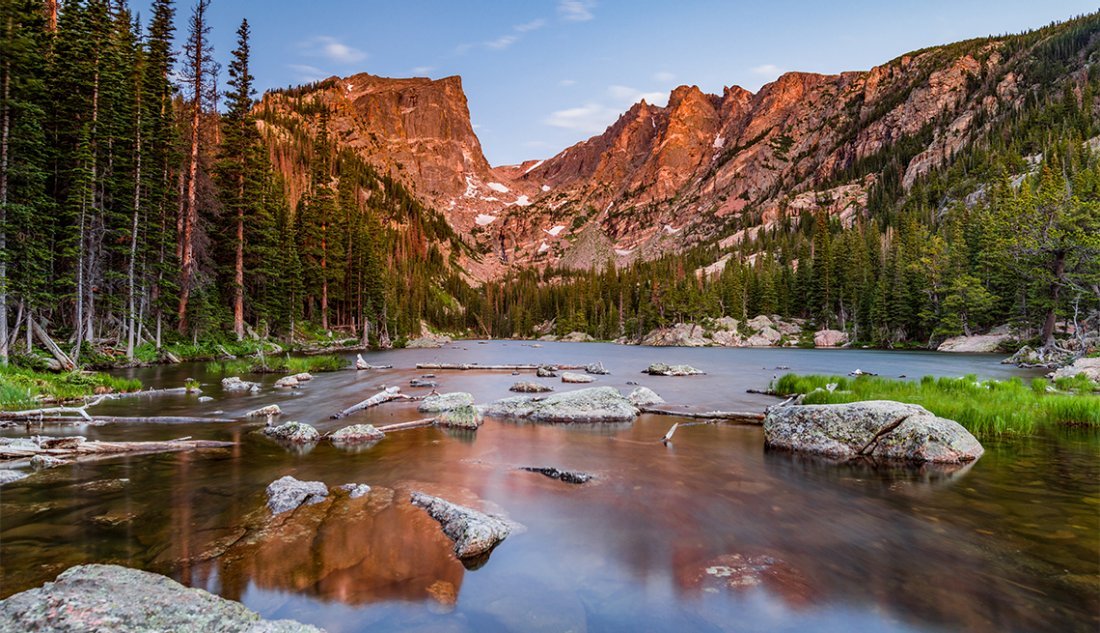
advertisement
Rocky Mountain National Park Colorado: The Complete Visitor’s Guide (Costs, Entrances, Best Trails & When to Go)
A well-planned trip to Rocky Mountain National Park costs between $150 and $400 per person per day, depending on lodging and gear. Most first-time visitors need at least two full days, and the Beaver Meadows entrance near Estes Park offers the most direct access to the park’s iconic trails.
You must secure a timed entry reservation if visiting between late May and mid-October, or you will be turned away at the gate.
Rocky Mountain National Park does not come with an instruction manual. The official park website will give you road statuses and permit rules, but it will not tell you which entrance wastes an hour of your morning, what the trip actually costs door-to-door, or which trail to skip if you only have one day. I learned this the hard way during my first visit.
I drove in through the Fall River entrance, missed the Bear Lake corridor entirely because I did not understand the timed entry zones, and spent $230 on a motel in Estes Park that I could have booked for half that price with a little planning. This guide fixes those mistakes before you make them.
Jump to: How Many Days You Need | Real Trip Costs | Entrances Compared | Best Time to Visit | Best Trails | Sample Itineraries | Timed Entry Explained | Where to Stay | Mistakes to Avoid | FAQs
Key takeaways
- Budget between $150 and $400 per person per day, including lodging, park fees, food, and fuel from Denver.
- Use the Beaver Meadows entrance for first visits; save Wild Basin for a quiet second day away from crowds.
- Timed entry reservations are required from late May through mid-October, and they sell out in minutes for peak summer dates.
- Arrive at trailheads before 7:00 AM to secure parking at popular spots like Bear Lake and Glacier Gorge.
- Spend at least two days: one for the Bear Lake corridor, one for Trail Ridge Road and the alpine tundra.
- Estes Park offers more lodging and dining; Grand Lake provides quieter access to the western side of the park.
How Many Days Do You Really Need in Rocky Mountain National Park?
One day is not enough unless you accept that you will only scratch the surface. You can drive Trail Ridge Road, stop at a few overlooks, and do one short hike, but you will miss the high-alpine lakes and the quieter western side of the park completely. Two full days works for most first-time visitors. Three days lets you add a longer hike to a place like Sky Pond or Chasm Lake without feeling rushed.
I brought my brother here for a single day in late July a couple of years ago. We hit Bear Lake by 7:15 AM, hiked to Emerald Lake, and drove Trail Ridge Road in the afternoon. By 4:00 PM, we were exhausted and frustrated because we could see three trailheads we wanted to explore but had zero time left. He still texts me about going back for a proper three-day trip.
Lena’s honest take: “If you only have one day, commit fully to the Bear Lake corridor. Do not try to ‘see everything.’ Pick three lakes, get your timed entry for the early morning slot, and finish at the Alpine Visitor Center on Trail Ridge Road. That is a full, satisfying day without the stress of racing between zones.”
What Does a Trip to Rocky Mountain National Park Actually Cost?
The official fee page tells you a seven-day vehicle pass costs $30, but that is a fraction of your real outlay. You need to factor in the timed entry reservation fee, your lodging in Estes Park or Grand Lake, fuel from Denver International Airport, meals, and potentially gear rental if you are flying in.
A realistic budget for a two-day trip for one person starts around $350 on the low end and climbs past $800 if you book a comfortable lodge and eat sit-down meals.
Fixed park costs
- 7-day vehicle pass: $30 per car
- Timed entry reservation: $2 per day (late May to mid-October)
- Annual pass (all parks): $80 — worth it if you visit any other national park this year
Variable trip costs
- Lodging (Estes Park): $120 to $350+ per night in summer
- Fuel from Denver: ~$40–$60 round trip
- Meals: $25–$60 per day, depending on packed lunches vs. restaurants
- Gear rental (trekking poles, bear spray): $15–$30 if needed
For finding flight deals into Denver and bundling a rental car, I check Expedia first. For accommodation in Estes Park, which fills up months ahead for summer, Booking.com consistently shows the widest range of cabins and motels on the eastern side.
The 4 Entrances to Rocky Mountain National Park, Compared

Most visitors do not realize there are four distinct entry points, and picking the wrong one can add an hour of driving to your day. The Beaver Meadows entrance is the primary gateway from Estes Park and drops you directly into the most popular trail corridors. The Fall River entrance also serves Estes Park but is slightly quieter.
The Wild Basin entrance sits south of the main action and is ideal for solitude seekers. The Grand Lake entrance on the western side gives you access to the Colorado River headwaters and a completely different, quieter version of the park.
Best for first-timers
- Beaver Meadows: Closest to Bear Lake, Glacier Gorge, and the main visitor center. This is where you want to be.
- Fall River: Good alternative if Beaver Meadows is backed up, with access to the Old Fall River Road scenic drive.
Worth considering
- Wild Basin: Quiet, limited parking, trailhead for Ouzel Falls and Bluebird Lake. No shuttle service here.
- Grand Lake: Western side access, less crowded, trails to Adams Falls and the East Inlet. Very different vibe.
When Is the Best Time to Visit Rocky Mountain National Park?
The park delivers something different in each season, but summer and early fall claim the sweet spot for accessibility. Late June through mid-September offers snow-free trails, full wildflower blooms in the montane meadows, and the highest chance of seeing elk in the valleys. Trail Ridge Road, the highest continuous paved road in the United States, typically opens by Memorial Day weekend and closes by mid-October, which defines the core visitor season.
I prefer the last week of September into early October. The summer crowds thin out, the aspens turn brilliant gold, and the elk rut fills the meadows near Moraine Park with bugling bulls. The downside is that an early snowstorm can close Trail Ridge Road overnight, so you need backup plans.
Summer (June–August)
- All roads and trails accessible
- Wildflowers peak in July
- Afternoon thunderstorms are common
- Crowds are heaviest; parking fills by 6:30 AM
Fall (Sept–Oct)
- Elk rut in Moraine Park and Kawuneeche Valley
- Golden aspen colours in late September
- Timed entry ends mid-October
- Trail Ridge Road can close without warning
Winter & Spring
- No timed entry reservations needed
- Deep solitude on snowshoe trails
- Trail Ridge Road closed; many trailheads inaccessible
- Estes Park lodging significantly cheaper
Top Trails and Sights by Ability Level
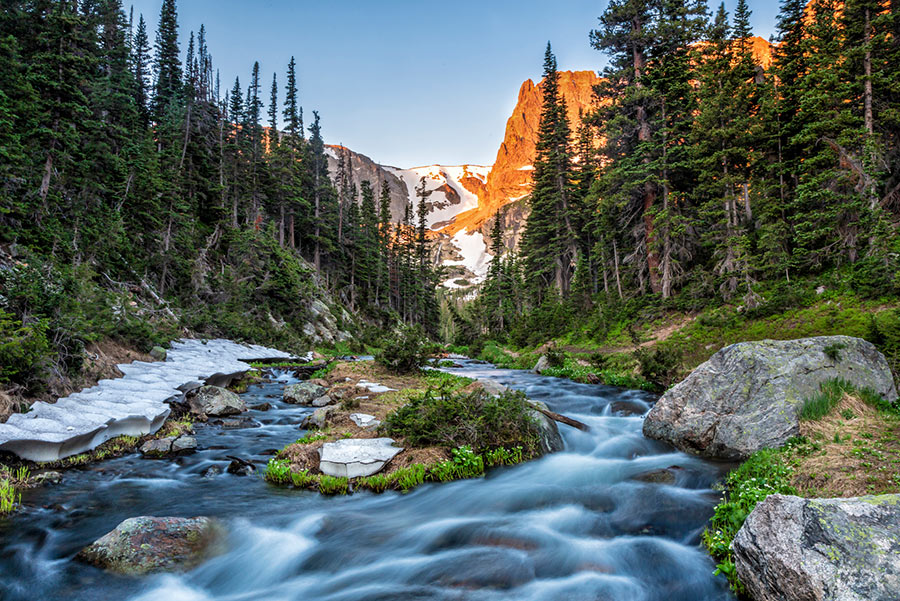
The park service lists dozens of trails without ranking them, which overwhelms first-timers. I have grouped the essential ones by difficulty so you can match a hike to your fitness level and available time. Every trail below sits within the Bear Lake corridor or Trail Ridge Road zones, keeping logistics simple.
Easy (families, short time)
- Bear Lake Loop: 0.5 miles, flat, wheelchair-accessible, stunning views of Hallett Peak.
- Alberta Falls: 1.7 miles round trip, steady but gentle climb to a 30-foot waterfall.
- Adams Falls (Grand Lake side): Under a mile, dramatic cascade in a narrow gorge.
Moderate (half-day hikes)
- Emerald Lake: 3.5 miles round trip, passes Nymph Lake and Dream Lake, and is the classic Bear Lake hike.
- The Loch (Loch Vale): 5.7 miles round trip, subalpine lake surrounded by sheer granite walls.
- Ouzel Falls (Wild Basin): 5.4 miles round trip, multiple cascades, quieter than the main corridor.
Difficult (full-day, high altitude)
- Sky Pond: 9 miles round trip, climbs past Timberline Falls, and scrambles up a rock chute. Incredible payoff.
- Chasm Lake: 8.4 miles round trip, base of Longs Peak, exposed alpine terrain, start before 6 AM.
- Flattop Mountain: 8.8 miles, steady grind to tundra with views of the Continental Divide.
Chidi from our team’s honest take: “I underestimated Sky Pond. The scramble next to Timberline Falls is short, but it is wet and slick. If you are not comfortable pulling yourself up wet granite with a 20-foot drop behind you, turn around at the falls and still have a great day. No view is worth a helicopter rescue.”
Sample Itineraries for 1, 2, and 3 Days
These plans assume you are staying in Estes Park and entering via Beaver Meadows. Adjust your morning start time based on how close your lodging is to the gate.
1-day blitz
- 6:30 AM: Arrive Bear Lake parking
- 7:00 AM: Hike to Emerald Lake
- 10:00 AM: Drive Trail Ridge Road, stop at Alpine Visitor Center
- 1:00 PM: Short hike to Alberta Falls
- 3:00 PM: Wildlife watching at Moraine Park
2-day weekend
- Day 1: Bear Lake, Emerald Lake, Dream Lake, afternoon Trail Ridge Road drive.
- Day 2: The Loch or Mills Lake hike in the morning and elk watching in Moraine Park at dusk.
3-day deep dive
- Day 1: Bear Lake corridor classics.
- Day 2: Full Trail Ridge Road day, alpine tundra walks.
- Day 3: Wild Basin or Grand Lake side for quiet trails, or attempt Sky Pond.
Timed Entry System Explained Simply
As of this year, the park operates a timed entry reservation system from late May through mid-October. There are two reservation types. The “Bear Lake Road Corridor” reservation gives you access to the park’s most popular area between 5 AM and 6 PM. The “Rest of Park” reservation covers everywhere else, including Trail Ridge Road and the Wild Basin entrance. You need the Bear Lake reservation if you plan to hike Emerald Lake, Sky Pond, or anything in that zone.
Reservations open through Recreation.gov on the first day of each month, covering the following month’s dates. For a July trip, you log on June 1st at 8 AM mountain time. Summer weekend slots vanish within minutes. I missed my July window two years ago and had to enter the Bear Lake corridor before 5 AM without a reservation, which technically works but feels brutal when you are on vacation. Book your $2 timed entry reservation the moment the window opens.
If you hold an annual America the Beautiful pass, you still need the separate timed entry reservation. The pass covers the entrance fee; it does not bypass the reservation system. This catches people every single day at the gate.
Where to Stay: Estes Park vs. Grand Lake
Estes Park is the default base for most visitors, and for good reason. It sits directly outside the Beaver Meadows and Fall River entrances, has two grocery stores, a hospital, dozens of restaurants, and every type of lodging from budget motels to riverside cabins. The downside is that Estes Park in July feels like a small city. Traffic moves slowly, restaurant wait times stretch past 45 minutes, and parking downtown is a headache.
Grand Lake on the western side offers a completely different experience. The town is smaller, quieter, and gives you immediate access to the Colorado River headwaters and the Kawuneeche Valley. Lodging costs slightly less than Estes Park in peak season. The trade-off is that you are far from the Bear Lake corridor, so you will drive Trail Ridge Road each day if you want to access the main trails. For a peaceful trip focused on hiking the western side of the park, Grand Lake wins. For a first-time visit where you want the iconic trails, stay in Estes Park. I book cabins in both towns through Vrbo when I travel with a group; for solo trips, Hotels.com builds reward nights faster than anywhere else.
What Are the Biggest Mistakes First-Time Visitors Make?
Our team has collectively spent weeks in this park, and the same errors surface every season. Most are avoidable with a straightforward checklist.
- Sleeping in and expecting to find parking. Bear Lake parking fills by 6:30 AM in summer. The shuttle is a backup, not a solution; it adds waiting time.
- Forgetting the timed entry reservation. Showing up without one means you will be turned around. Even the $80 annual pass does not cover it.
- Ignoring altitude warnings. Trailheads start at 9,000 feet. If you are not hydrating heavily a day before, a splitting headache will end your hike early.
- Wearing cotton socks and street sneakers on alpine trails. Afternoon storms can drop the temperature 30 degrees in an hour, and wet cotton leads to blisters fast.
- Underestimating afternoon thunderstorms. Be below treeline by 1:00 PM on summit hikes. Lightning above the treeline is a real, lethal risk.
- Skipping the Grand Lake side entirely. The park has two distinct personalities. If you have three days, spend one of them on the quieter western edge.
- Not checking road status the morning of your drive. Trail Ridge Road can close in any month except July and August. Check the NPS website before you depart.
For reviewing recent trail conditions and wildlife sightings from other hikers, I check the RMNP forum on TripAdvisor a few days before my trip. It is more current than any guidebook.
Frequently asked questions
Do I need a timed entry permit if I have an annual national park pass?
Yes. The annual America the Beautiful pass covers your entrance fee, but you must still purchase the separate $2 timed entry reservation through Recreation.gov to enter between late May and mid-October. The pass does not exempt you from the reservation system.
Can I visit Rocky Mountain National Park in one day from Denver?
Yes, but it makes for a very long day. Denver is roughly 1.5 to 2 hours from the park entrance, and you will need to leave by 4:00 AM to secure parking and beat the heat. A one-day trip works best if you accept that you will only hike one or two short trails and drive Trail Ridge Road.
Which entrance is closest to Denver?
The Beaver Meadows and Fall River entrances, both accessed via Estes Park, are the closest to Denver. The drive via US-36 through Boulder and Lyons takes roughly 1.5 hours without traffic and brings you directly to the park’s eastern gate.
Is Trail Ridge Road open all year?
No. Trail Ridge Road typically opens by Memorial Day weekend and closes by mid-October due to snow and ice. The road is completely closed through winter and spring, cutting off vehicle access between Estes Park and Grand Lake.
What is the best hike for kids?
The Bear Lake Loop is fully accessible and takes less than 30 minutes. For a slightly longer option, Alberta Falls rewards children with a dramatic waterfall at the turnaround point without a grueling climb.
Where can I see elk in Rocky Mountain National Park?
Moraine Park and the Kawuneeche Valley on the western side are the most reliable locations, especially at dawn and dusk. During the September rut, you can hear bull elk bugling from the Moraine Park overlook without leaving the road.
Plan your Rocky Mountain trip: resources we actually use
Our team books every Colorado trip through a small set of platforms. We prioritize flexible cancellation policies because mountain weather and timed entry windows can force last-minute changes.
Best for Denver flight + SUV bundles.
Widest Estes Park cabin and motel selection.
Ideal for group cabins near Grand Lake.
Earn free nights during summer trips.
Recent trail conditions and wildlife reports.
Guided snowshoe tours in winter.