advertisement
Douro Valley, Portugal: How to Plan Your Trip (Routes, Costs & Best Time to Go)
Fact-Checked By Maya Whitfield, Senior Travel Editor at WakaAbuja
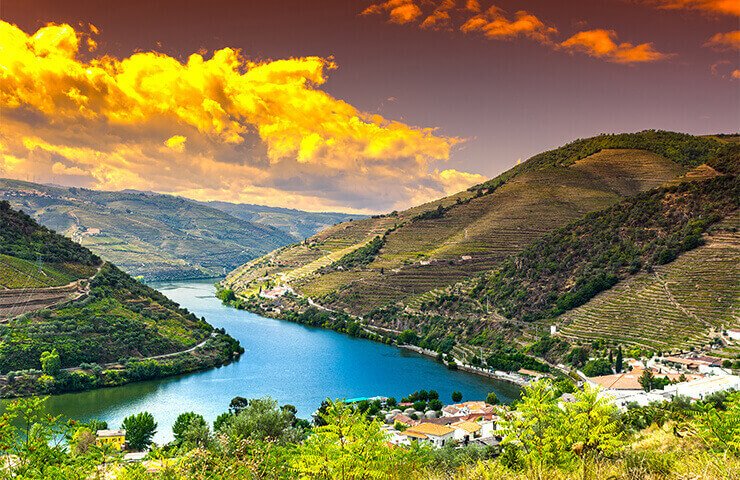
The Douro Valley is Portugal’s UNESCO-listed wine region, a steep river valley of terraced vineyards roughly 100 kilometers east of Porto. You can visit on a rushed day trip by boat or car, but the valley rewards at least one overnight stay. The planning decisions that shape your trip are how you travel through it, train, car, boat, or a mix; how many days you give it; and whether you visit during the harvest bustle of September or the quiet green calm of spring.
The official tourism website will tell you the Douro Valley is an enchanted landscape of viewpoints and river bends. It is. What that brochure-style page leaves out is everything you need to actually plan the trip: the cost difference between a train ticket and a private boat cruise, which viewpoints need a car and which you can reach on foot from a train station, and how the valley changes from the scorching stillness of August to the frantic energy of the September harvest.
I have now driven the N-222 twice, taken the train to Pinhão once, and spent a long weekend moving slowly between quintas. This guide fills in every practical gap the official page skips.
Jump to: How Many Days? | Car vs. Train vs. Boat | Best Viewpoints | Sample Itineraries | Where to Stay | Best Time to Go | FAQs
Key takeaways
- The Douro Valley stretches roughly 100 kilometers east from Porto to the Spanish border, with the most visited section concentrated between Peso da Régua and Pinhão.
- A day trip from Porto by car or organized tour is possible but gives you roughly six hours in the valley. Staying one or two nights transforms the experience.
- Train tickets from Porto to Régua or Pinhão cost roughly €12 to €15 each way on the regional service, making it the cheapest and most scenic independent travel option.
- A half-day rabelo boat cruise from Pinhão typically costs between €25 and €50 per person. Private boat charters run significantly higher.
- September and early October are harvest season, the busiest and most expensive time to visit, but also the most visually and culturally vivid.
- You do not need a car if you base yourself in Pinhão and use the train and local taxis, but you do need one to reach the high-elevation viewpoints independently.
How many days do you need in the Douro Valley?
A single long day trip from Porto works if your goal is to see one viewpoint, visit one quinta, and take a short boat ride. You will spend roughly three hours driving round-trip or two and a half hours on the train each way. The day will feel rushed. One overnight stay in Pinhão or Régua lets you do a morning boat cruise, an afternoon wine tasting, and an evening on a terrace overlooking the river without watching the clock. Two or three nights unlock the upper Douro; the Côa Valley archaeological sites near Vila Nova de Foz Côa; and the slower rhythm of moving between small quintas rather than ticking off the main stops.
If you have four days, you can start in Porto, drive or train to Pinhão for two nights, then continue east to the quiet, dramatic stretch near Barca de Alva and the Spanish border, which most visitors never reach. That stretch changes the trip from a wine-tasting break into a proper road journey.
Maya’s honest take: “My first trip was a day trip from Porto by car. I saw enough to know I wanted more. My second trip was two nights in Pinhão with no car, just the train and a pre-booked taxi to one viewpoint. That slower version was three times as memorable for half the stress.”
Car versus train versus boat versus helicopter: Which way is right for you?
The official tourism page lists all four modes but never helps you choose between them. Here is the honest comparison, with real cost ranges gathered from operators and my own bookings in late 2024 and early 2025. Prices shift with demand and season, so always check the current rates with the operator or on the official Comboios de Portugal website before committing.
By car
Cost: Fuel plus roughly €30–€50 per day for a rental. The N-222 between Peso da Régua and Pinhão is the famous scenic drive, narrow and winding with sharp drop-offs. You need a car to reach the high-elevation viewpoints like São Leonardo da Galafura. Parking in Pinhão and Régua is tight but manageable outside peak harvest weekends.
By train
Cost: Roughly €12–€15 each way from Porto São Bento to Régua or Pinhão on the regional service. The Douro Line tracks the river for much of the route, and the stretch from Régua to Pinhão hugs the water closely. Sit on the left side heading east. The train does not reach the viewpoints, but it drops you in the center of Pinhão and Régua, from where taxis and tuk-tuks fill the gap.
By boat
Cost: A one-hour rabelo boat trip from Pinhão typically costs €25–€50 per person. Full-day cruises from Porto that include lunch and a quinta visit run €80–€120 per person. Private charters for a small group start around €200–€300 for a half-day. The boat gives you the postcard view from the water that no road or train can match, but it is slow and the schedule is fixed.
By helicopter
Cost: A 30-minute scenic flight from Porto or from a quinta helipad typically starts around €150–€200 per person. The aerial view of the terraced folds is spectacular and unrepeatable from the ground, but the cost is high and the experience is over quickly. Best treated as a splurge add-on rather than the main way to see the valley.
The 5 best viewpoints in the Douro Valley
VisitPortugal’s page names five viewpoints. I have stood at all five, and they deserve their reputation. What the official page omits is how to reach each one, where to park, and what time of day the light works best. Here is the fuller picture.
São Leonardo da Galafura
The most famous high-elevation panorama in the valley, looking east over a sweeping river bend. Reachable only by car or taxi up a winding road from Régua. There is a small parking area and a stone viewing platform. Late afternoon light turns the river golden. The poet Miguel Torga wrote about this spot, and a plaque marks his words. Go after 4 p.m. for the best color.
Casal de Loivos
The viewpoint the BBC once called one of the six most beautiful in the world. It sits above Pinhão on a narrow road. The view looks directly down onto the train station and the river confluence. Morning light works best here, before the sun moves behind the ridge. The small village has a paid parking area and a cafe with a terrace.
Quinta do Noval
This is a working quinta with a terrace view over the terraced vineyards rather than a public roadside stop. You need to book a tasting or tour to access the viewpoint. The view is intimate, focused on the steep terraces rather than the broad river panorama, which makes it distinct from the other four.
São Salvador do Mundo
A dramatic rocky outcrop above the river near São João da Pesqueira. The road up is steep and narrow, and the final approach is a short walk from a small parking pull-off. The view feels more remote and less manicured than Galafura or Casal de Loivos. Good at midday when the sun is high and the shadows are short.
Quinta do Vale Meão

Another viewpoint is accessed through a wine estate, this one farther east near Vila Nova de Foz Côa. The landscape here is drier and wilder, with the terraces giving way to more open, rugged terrain. Book a tasting to access the view. The estate is one of the most historically significant in the Douro, founded by Dona Antónia Adelaide Ferreira.
Sample Douro Valley itineraries
These plans assume a spring or autumn visit with reasonable weather. Summer heat in July and August changes the pacing; you will want to start earlier in the morning and avoid midday outdoor activities.
@mazepatravel 👉 If you’ve saved a bunch of ideas for Portugal but don’t know how to turn them into an actual trip, I can build you a clear, realistic itinerary Ways to work with me are in my profile 🤓 Douro Valley day trip | Day trips from Porto | Is the Douro Valley Worth it? #portotravel #dourovalley
1-day itinerary from Porto
Leave Porto by 8 a.m. Drive directly to Pinhão, arriving around 10 a.m. Park near the train station and book a one-hour rabelo boat trip on the spot or online in advance. After the boat ride, walk to a quinta within walking distance of Pinhão for a pre-booked tasting and tour. Drive up to the Casal de Loivos viewpoint in the early afternoon, then take the N-222 west toward Régua, stopping at São Leonardo da Galafura for the late afternoon view. Drive back to Porto in the evening. This is a full, tiring day, but it hits the core highlights.
2-day itinerary with an overnight in Pinhão
Day one: train from Porto São Bento to Pinhão, arriving by late morning. Check into accommodation. Afternoon boat cruise from the Pinhão dock, followed by a tasting at a nearby quinta. Evening dinner on a terrace overlooking the river. Day two: pre-book a taxi or tuk-tuk to take you to São Leonardo da Galafura and Casal de Loivos in the morning. Return to Pinhão for lunch, then take the afternoon train back to Porto. This pace feels unhurried and gives you the valley after the day-trippers leave.
4-day itinerary: Porto to the Spanish border
Day one: train or drive to Pinhão. Afternoon boat cruise, evening in Pinhão. Day two: morning visit to the viewpoints, afternoon tasting at Quinta do Noval or Quinta do Vale Meão. Day three: drive east to Vila Nova de Foz Côa to see the prehistoric rock art sites, a UNESCO World Heritage listing in their own right, then continue to Barca de Alva at the Spanish border. Day four: morning walk along the quiet upper river, then the drive back to Porto. This itinerary turns the Douro into a proper road journey rather than a quick wine stop.
Where to stay in the Douro Valley
Pinhão is the most convenient base if you are traveling without a car. The train station is central, the boat dock is a short walk, and several quintas are reachable on foot or by a short taxi ride. Accommodation ranges from small guesthouses around €80 per night to wine estate hotels that run €200 to €400 per night during harvest season.
Peso da Régua is larger, less picturesque, and more of a working town, but it has more accommodation options at lower prices and better transport connections. Lamego, a short drive south of Régua, sits outside the immediate river corridor but offers a beautiful historic center and the striking Sanctuary of Nossa Senhora dos Remédios staircase. Staying at a quinta, a working wine estate with guest rooms, is the signature Douro experience and worth the premium for at least one night of your trip.
Best time to visit the Douro Valley
The harvest season from early September through early October is the most vivid time to visit. The terraces are heavy with grapes, the quintas hum with activity, and the air smells faintly of fermenting fruit. It is also the busiest and most expensive window. Book accommodation and tastings at least a month ahead.
Spring, from April through early June, offers green terraces, wildflowers along the roadsides, and far fewer visitors. The weather is mild and the light is softer than the harsh summer sun. July and August bring intense heat, often above 35 degrees Celsius, and the valley can feel oppressively still in the middle of the day. Winter, from November through February, is quiet and green, with lower prices, but some quintas reduce their tasting hours, and boat cruises run on limited schedules.
Spring (Apr–Jun)
- Green terraces, wildflowers, mild weather
- Fewer tourists, lower accommodation prices
- Best for hiking and outdoor exploring
Harvest (Sep–Oct)
- Grapes on the vines, quintas buzzing with activity
- Peak prices and peak crowds, book well ahead
- The most photogenic and culturally rich window
Winter (Nov–Feb)
- Lowest prices, fewest visitors, quiet valley
- Some quintas and boat operators reduce hours
- Green landscape, cooler temperatures, peaceful
Mistakes to avoid in the Douro Valley
Most of these are things I got wrong on my first visit or watched other travellers stumble into. None are catastrophic, but they all make the trip harder than it needs to be.
- Underestimating the N-222 drive. The road between Régua and Pinhão is narrow, winding, and has sections with no guardrail and a steep drop toward the river. It is a beautiful drive but a tiring one. Do not plan it at the end of a long day after wine tastings.
- Assuming you can spontaneously visit quintas. Most wine estates require advance bookings for tastings and tours, especially during harvest season. Walking in without a reservation usually means being turned away politely.
- Relying on the train to reach viewpoints. The train stations are in the river towns. The viewpoints are high on the ridges. You need a car, a taxi, or a tuk-tuk to bridge that gap. Budget for that extra cost if you arrive by rail.
- Visiting in August without a plan for the heat. The valley bakes. Start hikes and outdoor activities by 8 a.m., take a long lunch indoors during the midday heat, and resume in the late afternoon.
- Not bringing cash for small quintas and village cafes. Card machines are common in Pinhão and Régua but less reliable at smaller, family-run estates and rural snack bars.
- Booking a boat cruise that only runs on the river and ignores the terraces. The short rabelo trips from Pinhão give you a taste of the water perspective. The full-day cruises from Porto consume most of the day in transit and leave little time for the valley itself.
Frequently asked questions
Is the Douro Valley worth visiting?
Yes, especially if you enjoy wine, dramatic landscapes, or slow travel through rural regions. The Douro is not a theme-park destination. It rewards patience, an interest in port and table wine production, and a willingness to sit on a terrace and watch the light change over the river. If those things appeal, it is one of the most beautiful regions in Europe.
Can you do a day trip to the Douro Valley from Porto?
Yes, and it is the most common way visitors first see the valley. A day trip gives you time for one boat cruise, one quinta visit, and one or two viewpoints. It will feel rushed, but it is enough to decide whether you want to return for a longer stay. Organized tours handle all logistics, while self-driving gives you more control over timing.
How much does a Douro Valley boat cruise cost?
A one-hour rabelo boat trip from Pinhão typically costs between €25 and €50 per person depending on the operator and whether wine is included. Full-day cruises from Porto with lunch and a quinta stop run roughly €80 to €120 per person. Private charters start around €200 to €300 for a half-day small-group experience.
Do you need a car to explore the Douro Valley?
Not strictly, but it helps enormously for reaching the viewpoints. You can base yourself in Pinhão, arrive by train, and use local taxis and tuk-tuks to reach the high-elevation viewpoints. If you want full flexibility to stop at overlooks and visit quintas spread across the valley, a rental car is the best tool for the job.
What is the difference between the Douro Valley and the Alto Douro wine region?
The Alto Douro Vinhateiro is the specific UNESCO World Heritage designation covering the demarcated port wine production area within the broader Douro Valley. The terms overlap heavily in travel usage. When people say they are visiting the Douro Valley for wine, they are almost always referring to the Alto Douro region between Régua and Pinhão.
What is the best month to visit the Douro Valley?
September and early October for the harvest experience, provided you book well ahead. Late April through early June for green landscapes, mild weather, and fewer crowds. Avoid August if possible, as the heat can be punishing and many Portuguese businesses operate on reduced hours for holidays.
Can you swim in the Douro River?
Swimming in the Douro is possible in designated river beaches and quiet coves, particularly in the hotter upper stretches near the Spanish border. The water is cold and the currents can be strong in the navigable channel. Most visitors swim at hotel pools or river beach areas rather than directly from the riverbanks in the main valley section.
Plan your trip: booking platforms we trust
For the Douro Valley, the official Comboios de Portugal website is the best place to book train tickets, and individual quinta websites handle tasting reservations directly. The platforms below fill the gaps for accommodation, tours, and flights into Porto.
Best for finding quinta guesthouses and Pinhão hotels with flexible cancellation and verified guest reviews.
Best for comparing Douro Valley day tours from Porto, boat cruises, and combined wine-tasting excursions.
Best for comparing flight prices into Porto from North American and European departure cities.
Best for recent reviews of specific quintas, boat operators, and restaurant recommendations in Pinhão and Régua.