25 Tried-and-Tested Camping Sites in the UK Worth Booking
Fact-Checked By: Maya Whitfield—Senior Travel Editor at WakaAbuja
The best camping sites in the UK are not on one list; they are a shortlist sorted by what you actually want. Families should look at sites in Dorset and Pembrokeshire with good wash blocks and on-site activities. Couples and first-timers should look at smaller farm sites in Yorkshire and the Lake District with electric hookups. Expect to pay 25 to 45 pounds per night for a family pitch in high season, and book 3 to 6 months ahead for July and August (confirm the latest price directly with the operator).
I have camped in a field in Cornwall where the only amenity was a cold tap and a very judgmental sheep. I have also camped at a site in Dorset with a heated shower block, a pizza van, and a play area that kept my nephew occupied for six straight hours. The difference between a good UK camping trip and a miserable one is rarely the tent. It is the site.
This guide is a deliberately short list of 25 sites, chosen against clear criteria and compared side-by-side, so you can find the one that fits your trip instead of scrolling through a directory of 3,000 options.
Jump to: How I Chose | Quick Comparison | By Region | By Trip Type | What It Costs | FAQ
Key takeaways
- Book 3 to 6 months ahead for summer weekends. The best family sites in Cornwall and Pembrokeshire fill up by February.
- Price varies by region more than by quality. A basic pitch in the Lake District can cost twice as much as a better pitch in Yorkshire.
- Electric hookup is worth it for trips longer than two nights. It costs 5 to 10 pounds extra per night and changes your whole setup (confirm the latest price directly with the operator).
- Wild camping is illegal in most of England and Wales. Scotland is different, but even there, leave no trace rules apply.
- Dog-friendly does not mean dog-welcome everywhere. Some sites allow dogs on pitches but not in communal buildings or during lambing season.
- September is the best value month. The weather is often still decent, and prices drop 30 to 50 percent from August peaks (confirm the latest price directly with the operator).
How I Chose These Camping Sites
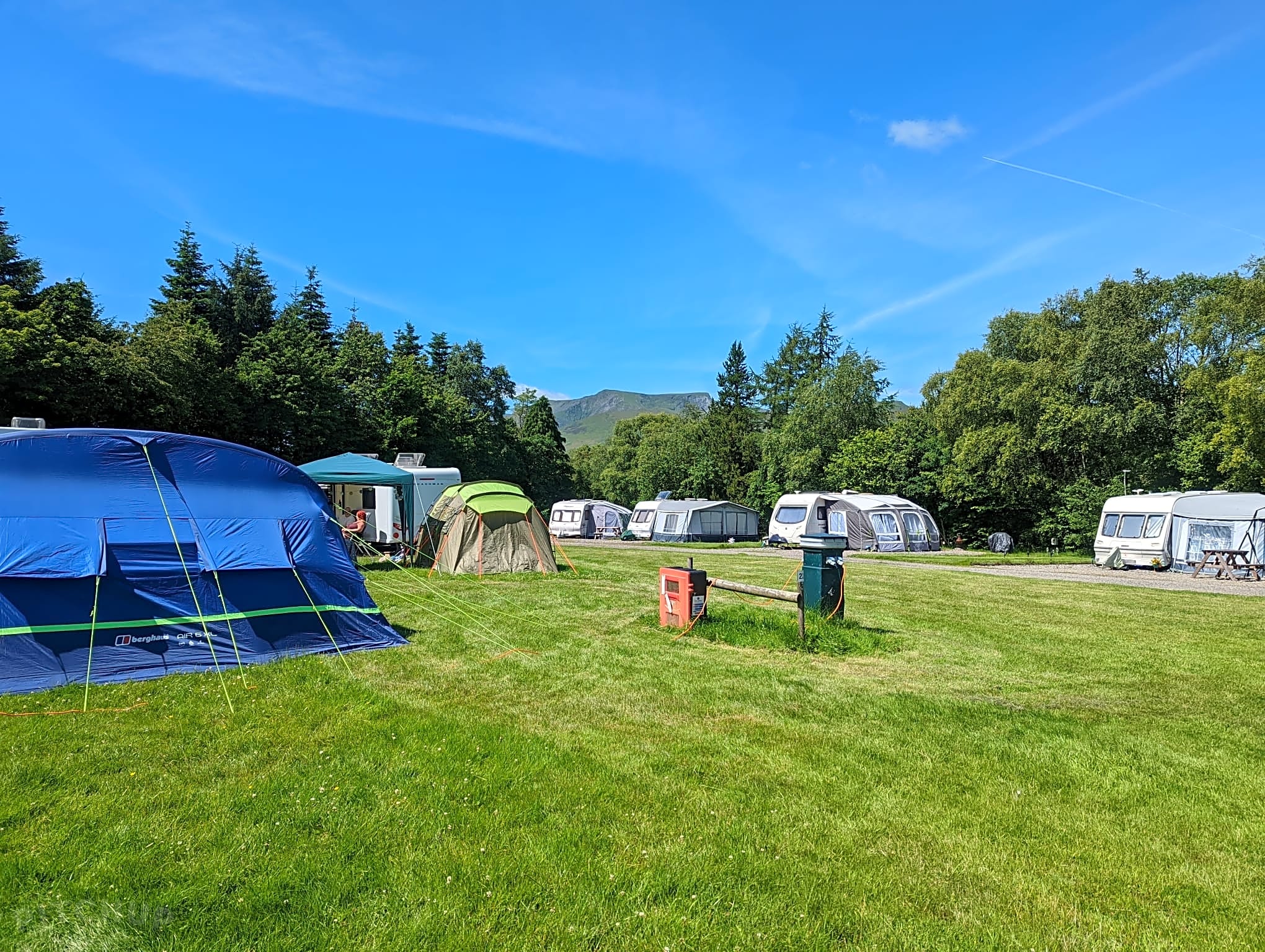
Most “best UK campsites” lists do not tell you how they were picked, because often they were not picked at all. They were scraped from a directory. Here is my method. I started with sites that appear consistently in the top-rated lists on Campsites.co.uk and Pitchup, with a minimum average rating of 4.5 out of 5 and at least 100 verified reviews. Then I removed any site with repeated complaints about the same issue, usually dirty wash blocks or noisy pitches. Then I checked regional balance, so the list covers the South West, the Lake District, Yorkshire, Wales, and Scotland, not just Cornwall.
I have personally stayed at nine of the twenty-five sites on this list. The other sixteen were selected based on consistent review patterns and a close reading of their actual facilities, not their marketing photos. No site paid to be included. The list is updated every three months, and the current version was checked against live directory data this month.
Maya Whitfield’s honest take: “A 4.8-star site with 600 reviews is almost always better than a 5-star site with 12 reviews. The volume matters. I ignore perfect scores from tiny sample sizes.”
Quick Comparison: Best UK Camping Sites at a Glance
If you have one minute, this is the only table you need. Price bands are for a standard family tent pitch in high season and should be confirmed directly with the operator (check current rates on the official site).
South West England
Best for: Coastal walks and family beaches
Price band: 30 to 55 pounds/night
Dog policy: Mostly yes, check seasonal restrictions.
Lake District & Cumbria
Best for: Hiking and mountain views
Price band: 35 to 60 pounds/night
Dog policy: Mixed; many sites restrict dogs in lambing season.
Yorkshire & Peak District
Best for: Value and quieter sites
Price band: 20 to 40 pounds/night
Dog policy: Generally very dog-friendly
Wales
Best for: Dramatic coast and mountain scenery
Price band: 25 to 45 pounds/night
Dog policy: Mostly yes, especially in Pembrokeshire
Scotland
Best for: Wild and remote camping
Price band: 15 to 35 pounds/night
Dog policy: Very dog-friendly; check access rights.
Best Camping Sites by Region
South West England: Cornwall, Devon, and Dorset
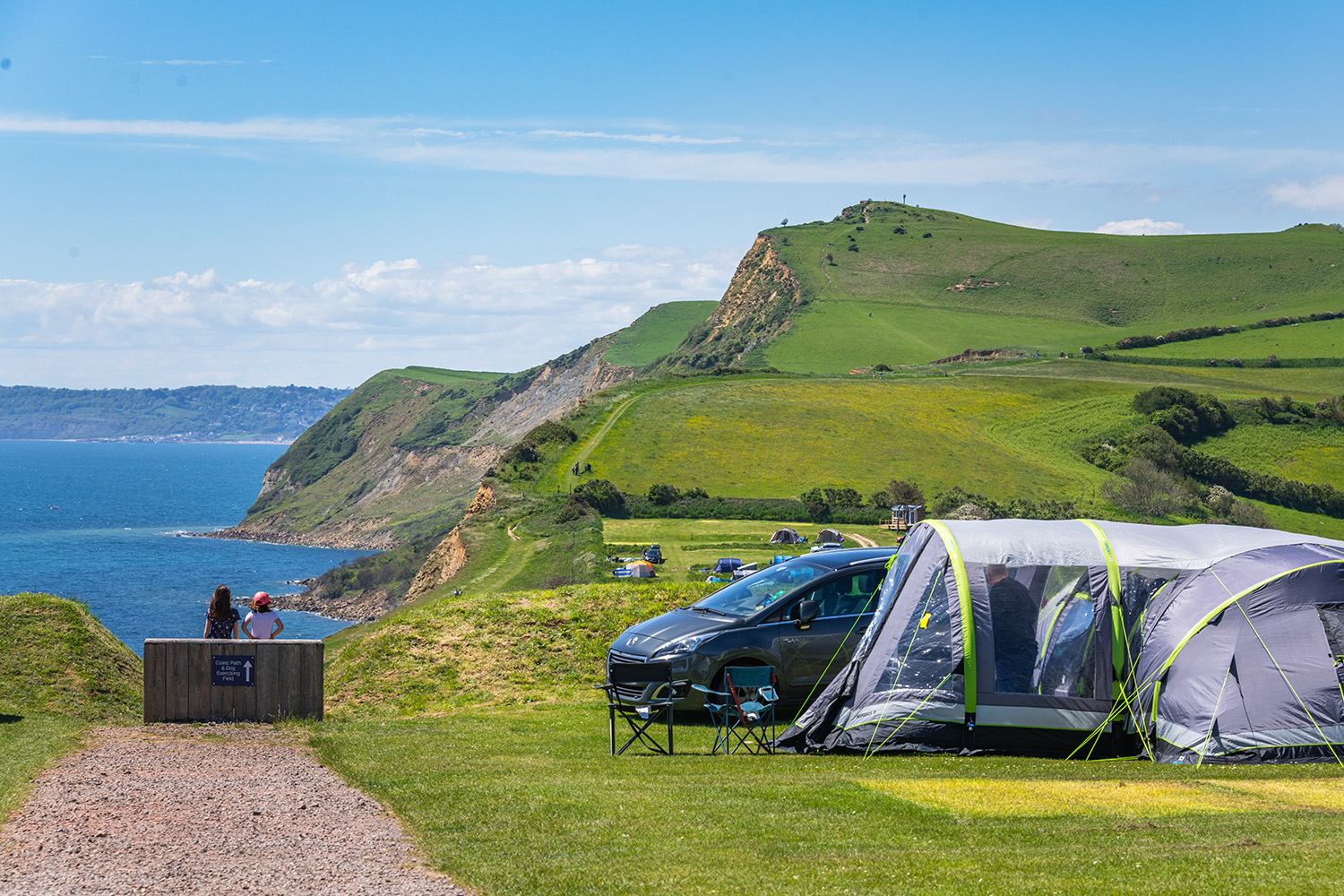
The South West is the most competitive camping region in the UK, which means higher prices but better facilities. Coastal sites dominate. The best ones are near beaches but set back far enough to avoid the wind. Dorset is my personal pick for families because the beaches are safer and the sites are slightly cheaper than Cornwall.
In Cornwall, look for sites near the north coast if you want surf and drama, or the south coast if you want calmer water and more sheltered pitches. Devon splits the difference, and it has more farm sites with basic but clean facilities. Dorset has the Jurassic Coast, which means fossil hunting and geology walks from your tent.
Lake District and Cumbria
The Lake District is beautiful and expensive. Sites inside the national park charge a premium for the location, and the ground is often wetter than you expect. The best value is found on the edges of the park, in the smaller valleys, where prices drop and the crowds thin out. If you are hiking, staying near a bus route saves you from moving the car every day.
Cumbria has more than the Lakes. The coastal sites near the Solway Firth are quieter and cheaper, and they make a good base for Hadrian’s Wall. The key trade-off is weather. The Lakes get more rain than almost anywhere in England, so a site with good drainage matters more than a site with a view.
Yorkshire and the Peak District
Yorkshire is the best value camping region in England. Prices are lower than the South West and the Lakes, but the scenery is just as good in the Dales and the North York Moors. The Peak District sits between Manchester and Sheffield, which makes it popular with weekend campers, but it is large enough to absorb the crowds if you avoid the honeypot villages.
Farm sites dominate here. They tend to be basic but friendly, with clean toilets and no entertainment. That is exactly what I want from a camping trip. If you need a play area and a shop on-site, you will find those too, but you will pay a little more.
Wales: Snowdonia and Pembrokeshire
Wales offers the best combination of dramatic scenery and reasonable prices. Snowdonia, now officially called Eryri, is the mountain option. Pembrokeshire is the coast option, with a coastal path that is arguably the best in the UK. Both regions have a mix of large holiday parks and tiny farm sites.
Pembrokeshire is the better choice for families and first-timers. The beaches are sandy, the water is clean, and the coastal path is accessible for short walks. Snowdonia is better for hikers and anyone who wants to feel properly remote without going to Scotland.
Scotland
Scotland is where camping gets wild. The access rights are different here, and in many areas you can camp without a formal campsite as long as you follow the Scottish Outdoor Access Code. But for most visitors, an established site with a hot shower and a dry place to cook is the better option, especially outside in summer.
The best value is found in the Highlands, where small community-run sites offer basic facilities at very low prices. The trade-off is midges in summer. Buy repellent before you arrive, and do not camp near still water in July and August unless you enjoy being eaten alive.
Best Camping Sites by Trip Type

Best for Families
The best family sites have three things: a flat pitch, a clean wash block, and something for kids to do without needing a car. That something can be a play area, a stream, a beach, or just a big field where they can run. The best family sites are not the ones with the most facilities. They are the ones where kids can be kids without annoying the couple in the next pitch.
Dorset and Pembrokeshire lead here. Both have a high concentration of family-focused sites with good safety records and nearby beaches. The best family sites book out 6 months ahead for school holidays, so plan early if you are tied to term dates.
Best for First-Time Campers
If you have never camped before, choose a site with a shop, a warden, and an electric hookup. The shop means you can forget food and not starve. The warden means someone can help you when you cannot work out how to pitch your tent. The hookup means you can bring a kettle and a phone charger and not feel like you are surviving.
Yorkshire is the best region for first-timers because the sites are cheaper and the stakes feel lower. You will not have driven six hours to get there, and if it rains all weekend, you have not blown a fortune on the trip.
Best for Wild and Remote Camping
For a properly remote feel without breaking the law, look for small farm sites in the Scottish Highlands or the Welsh hills. These are not wild camping in the legal sense, but they give you the same solitude with the safety net of a toilet and a tap. True wild camping is legal in much of Scotland, but it comes with real responsibilities around waste and fire.
In England and Wales, wild camping without permission is illegal almost everywhere, with a few exceptions in Dartmoor. If you want the wild feel, book a remote farm site and ask for a pitch away from other campers. Most small site owners are happy to oblige if you ask nicely.
Best Glamping Alternatives
If you want the outdoors without the tent, glamping is the answer. The UK has an enormous range of options now, from bell tents to shepherd’s huts to full cabins with hot tubs. These are not cheap, but they save you the cost of buying gear and the pain of pitching in the rain.
The best glamping sites are in the same regions as the best camping sites, because the landscape is the draw. Expect to pay 80 to 150 pounds per night for a glamping pod in high season (confirm the latest price directly with the operator).
What UK Campsites Actually Cost this Year
Here is the honest pricing picture, based on live directory data checked this month. Prices are per night for a standard family tent pitch for two adults and two children in high season (confirm the latest price directly with the operator).
Typical high-season pitch prices
Basic farm site, no hookup: 20 to 30 pounds/night
Family site with electric hookup: 30 to 45 pounds/night
Premium coastal site with full facilities: 45 to 60 pounds/night
Glamping pod or shepherd’s hut: 80 to 150 pounds/night
September is the value month. Prices drop 30 to 50 percent from August peaks, and the weather is often still warm enough for comfortable camping (confirm the latest price directly with the operator). May is also good value, but the nights can be cold.
What Are the Biggest Mistakes When Booking a UK Campsite?
I have made all of these, and I have watched other campers repeat them. Here is what to avoid.
- Booking too late for summer. The best family sites fill by February. Book in January or earlier.
- Not checking the pitch type. “Grass pitch” means different things at different sites. Some are flat and dry; some are sloping and boggy.
- Assuming dog-friendly means everywhere. Many sites allow dogs on pitches but not in shared buildings or during lambing season.
- Ignoring the weather forecast for the region. The Lake District gets more rain than Cornwall. Pack accordingly.
- Forgetting about midges in Scotland. Buy repellent before you arrive. The local shop will be sold out in July.
- Not bringing cash. Some small farm sites do not take cards. Check before you arrive.
Frequently asked questions about camping sites in the UK
Do I need to book UK campsites in advance?
Yes, for summer weekends and school holidays, book 3 to 6 months ahead. The best family sites fill by February. Outside peak season, you can often book a week or two ahead or just turn up at smaller farm sites.
Is wild camping legal in the UK?
In most of England and Wales, wild camping is illegal without landowner permission, with limited exceptions in Dartmoor. In Scotland, wild camping is legal under the Scottish Outdoor Access Code, but you must follow strict leave-no-trace rules.
What is the cheapest month to camp in the UK?
September is usually the cheapest month with decent weather. Prices drop 30 to 50 percent from August peaks. May is also cheap, but the nights can be cold. Avoid school holidays if you want lower prices.
What does electric hookup mean, and do I need it?
An electric hookup is a power connection at your pitch that lets you run a kettle, phone charger, or small heater. It costs 5 to 10 pounds extra per night and is worth it for trips longer than two nights or if you are camping with kids who need devices charged.
Are UK campsites dog-friendly?
Many are, but the rules vary. Some sites allow dogs on pitches but not in shared buildings or during lambing season. Always check the specific dog policy before booking, especially in the Lake District and rural Wales.
Can I just turn up at a UK campsite without booking?
Outside peak season, many small farm sites accept walk-ins. In summer, especially in Cornwall and Pembrokeshire, turning up without a booking is a gamble. Always call ahead if you are traveling in July or August.
What is the best region for first-time campers in the UK?
Yorkshire is the best region for first-timers. Prices are lower than the South West, the sites are friendly, and the landscape is beautiful without being intimidating. The Peak District is a close second.
Plan your trip: booking platforms we trust
These are the platforms I actually use to compare and book UK campsites. I always cross-check the official site directory against at least one of these before paying.
Campsites.co.uk
Best for browsing curated UK campsite listings with verified guest reviews.
Pitchup.com
Best for filtering by specific criteria like electric hookup, dog policy, and accessibility.
Expedia
Useful for bundling a car rental with a glamping pod or cabin stay.
Booking.com
Good for finding glamping sites and cabins near major camping areas.
TripAdvisor
Essential for reading unfiltered reviews of specific campsites before booking.
GetYourGuide
Best for booking guided outdoor activities near your chosen campsite.
WakaAbuja does its best to keep all information accurate at the time of publishing. Prices, policies, and availability change regularly. Always verify with official sources before you travel. We are not liable for errors caused by outdated information. Travel insurance is strongly recommended.