advertisement
Best Places to See Wildflowers in the USA, With the Right Time to Visit Each Spot
Fact-Checked By: Maya Whitfield—Senior Travel Editor at WakaAbuja
Quick answer:
The best places to see wildflowers in the US are the Texas Hill Country for bluebonnets in April, Antelope Valley California Poppy Reserve for orange poppies in March and April, Crested Butte in Colorado for lupines in July, and Mount Rainier in Washington for alpine meadows in late July. Most sites are free or charge a small park entry fee, usually $10 to $30 per vehicle (confirm the latest price directly with the operator).
Wildflower season does not wait for anyone. Bluebonnets peak for three weeks, superblooms can vanish in a rainless month, and mountain lupines will not bloom until the snow finally lets go. I once drove eight hours to a California desert expecting a superbloom and found a field of dry stems because the rain had stopped two months early. This guide fixes that. It covers 15 places worth planning a trip around, with peak bloom windows, costs, tracking tools, and the honest trade-offs nobody mentions.
Jump to: Season at a Glance | West Coast | Rockies & Southwest | South & Midwest | Northeast | Accessible Spots | How Superblooms Work | Photography Tips | FAQ
Key takeaways
- Peak bloom windows are short. Most wildflower displays last 2 to 4 weeks, so timing matters more than the destination.
- Desert superblooms are unpredictable. They need specific fall and winter rain patterns, and they only happen about once a decade.
- The best free options are in Texas, Arizona, and the California deserts. National parks charge $10 to $30 per vehicle (confirm the latest price directly with the operator).
- Never pick wildflowers in parks. It is illegal in most state and national parks, and it damages next year’s bloom.
- Check the bloom status before you drive. Park service websites, iNaturalist, and state tourism boards all publish live updates.
- Go early in the morning. Flowers open fully in the morning light and close up in the heat of the afternoon.
Wildflower Season at a Glance
This is the fastest way to find what is blooming during your travel window. Match the month to the region, then read the full entry below for the specific spot.
:max_bytes(150000):strip_icc()/crested-butte-wildflowers-USWLDFLWRS0321-aa8d8d0c541e4c55994f0a05663f5232.jpg "15 Best Places to See Wildflowers in the U.S. (Plus When to Go) 1")
February to April
Where: California deserts, Arizona, Texas Hill Country
Signature flowers: Poppies, bluebonnets, desert marigolds, lupines
Best window: Late March to mid-April
May to June
Where: Pacific Northwest, upper Midwest, New England
Signature flowers: camas, lupines, trillium, lady slipper
Best window: Mid-May to mid-June
July to August
Where: Colorado, Wyoming, Montana, Washington High Country
Signature flowers: Lupines, columbines, Indian paintbrush, fireweed
Best window: Mid-July to early August
September to October
Where: Southwest, high-altitude Rockies
Signature flowers: Sunflowers, asters, late-blooming desert plants
Best window: Early September to mid-October
Best Places to See Wildflowers on the West Coast
California and the Pacific Northwest have the most diverse wildflower season in the country, running from February in the deserts to August in the alpine zones.
Antelope Valley, California Poppy Reserve, California
Antelope Valley is the best place in the country to see California poppies, the state flower. Peak bloom is typically mid-March to mid-April. The reserve has a paved accessible trail, restrooms, and a visitor center. Entry is around $10 per vehicle (confirm the latest price directly with the operator). Bloom status updates are posted on the California State Parks page.
Anza-Borrego Desert State Park, California
Anza-Borrego is the largest state park in California and the epicenter of superblooms when conditions align. The bloom depends entirely on winter rainfall, and some years produce almost nothing. Check the Anza-Borrego Foundation’s bloom report before you go. Camping is available in the park, and the nearby town of Borrego Springs has lodging.
Mount Rainier National Park, Washington
Mount Rainier’s Paradise and Sunrise areas produce some of the most spectacular alpine wildflower meadows in the world. Peak bloom is late July to mid-August, and the window is short because snowmelt determines the timing. Entry is around $30 per vehicle (confirm the latest price directly with the operator). The Skyline Trail at Paradise is the classic walk, and it is partially paved.
Columbia River Gorge, Oregon
The Columbia River Gorge, especially the Tom McCall Preserve and the Rowena Plateau, produces dense balsamroot and lupine blooms in April and May. The views over the gorge make it one of the most photogenic wildflower destinations in the Pacific Northwest. Most trailheads are free to access.
Maya Whitfield’s honest take: “Antelope Valley is the most reliable wildflower destination in the country. Even in a bad year, the poppies put on a show. If you are planning a wildflower trip and you are not sure where to go, start here.”
Best for
- Reliability: Antelope Valley Poppy Reserve.
- Superblooms: Anza-Borrego when winter rain cooperates.
- Alpine meadows: Mount Rainier in late July.
Worth considering
- Carrizo Plain, California: Remote and dramatic in superbloom years.
- Table Mountain, California: Short, intense bloom in March and April.
Best Places to See Wildflowers in the Rockies and Southwest
The mountain west has a shorter but more intense season because the bloom depends on snowmelt. Late July is the peak for most high-altitude sites.
Crested Butte, Colorado
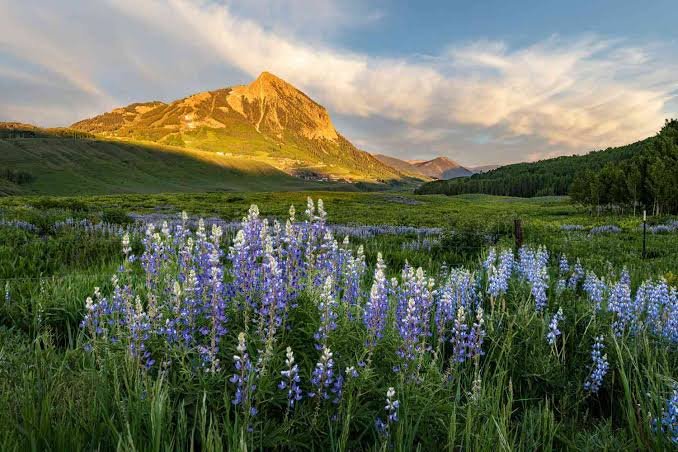
Crested Butte is known as the wildflower capital of Colorado, and it earns the title. The Crested Butte Wildflower Festival runs each July, and the surrounding trails produce massive displays of lupines, columbines, and Indian paintbrush. The town itself is a historic mining village with excellent food. Most trailheads are free.
Rocky Mountain National Park, Colorado
Rocky Mountain National Park is one of the best places to see alpine wildflowers, with bloom typically peaking from late June through early August. Trail Ridge Road gives easy access to high-altitude zones. Entry is around $30 per vehicle (confirm the latest price directly with the operator). Access to some areas requires a timed-entry reservation in summer, so check the NPS timed-entry page before you plan your visit.
Grand Teton National Park, Wyoming
Grand Teton has a brief but brilliant wildflower season, usually from late June to mid-July. The meadows around Jenny Lake and Signal Mountain are the classic spots. The park is also one of the best places in the country for combining wildflowers with wildlife, including bison and moose.
Texas Hill Country
The Texas Hill Country is the best place in the country to see bluebonnets, the state flower. The bloom runs from late March to mid-April, and the classic routes are the Willow City Loop near Fredericksburg and the roads around Brenham. Everything is free and on public roads. The Lady Bird Johnson Wildflower Center publishes an annual bloom report.
Catalina State Park, Arizona
Catalina State Park near Tucson produces a reliable spring desert bloom with poppies, lupines, and ocotillo. Peak is March and April. Entry is around $7 per vehicle (confirm the latest price directly with the operator). The park is 30 minutes from downtown Tucson and has excellent hiking trails.
Best Places to See Wildflowers in the South and Midwest
The South and Midwest have a longer, gentler wildflower season that runs from early spring through early summer. These are the sites worth the drive.
Great Smoky Mountains National Park, Tennessee and North Carolina
The Smokies have over 1,500 species of flowering plants, which is more than any other national park in North America. The spring ephemeral bloom runs from March through May, with trillium, lady slipper, and flame azaleas. The Cades Cove and Roaring Fork areas are the easiest to access. Entry to the park is free, but parking tags are required in some areas.
Blue Ridge Parkway, Virginia and North Carolina
The Blue Ridge Parkway is a 469-mile scenic drive with wildflowers blooming from March through October at different elevations. The peak is typically late April to early May for the lower sections and June for the higher elevations. The Parkway is free, and there are dozens of pull-offs and short trails along the route.
Missouri Prairie State Parks
Missouri has some of the best remaining tallgrass prairie in the country, and the wildflower displays at parks like Prairie State Park and Paintbrush Prairie peak in June and July. The flowers are entirely different from mountain or desert blooms, with coneflowers, blazing stars, and compass plants. Entry is free at most state parks.
Lubec and Coastal Maine
Coastal Maine has a brief but beautiful wildflower season in June and July, with lupines dominating the roadsides and meadows. The town of Lubec and the surrounding areas are particularly good. Acadia National Park is also excellent, with pink lady slippers and bunchberry along the carriage roads.
Best Places to See Wildflowers in the Northeast
The Northeast has a compact wildflower season that runs from April through June, with woodland ephemerals giving way to meadow blooms as the weather warms.
New England Forests
The forests of Vermont, New Hampshire, and Maine have excellent spring ephemeral displays from late April through May. Trillium, bloodroot, and hepatica cover the forest floor before the tree canopy closes over. The US Forest Service manages many of these areas, and most trailheads are free.
Longwood Gardens, Pennsylvania
Longwood Gardens near Philadelphia has one of the most carefully managed wildflower meadows in the country. The meadow blooms from May through October, with a rotating schedule of native perennials. Entry is around $25 for adults (confirm the latest price directly with the operator). It is a good option for anyone who wants guaranteed blooms in a controlled setting.
Great Swamp National Wildlife Refuge, New Jersey
The Great Swamp is one of the best places in the Northeast to see spring woodland wildflowers. The boardwalk trails make it accessible and easy to navigate. Peak bloom is April and May. Entry is free.
Accessible Wildflower Viewing Spots
Not every wildflower display requires a hike. These sites have paved or boardwalk trails and are suitable for wheelchairs, strollers, and visitors who prefer not to walk on uneven ground.
- Antelope Valley Poppy Reserve, California: Paved accessible trail through the main poppy fields.
- Longwood Gardens, Pennsylvania: Fully paved paths throughout the meadow area.
- Great Swamp National Wildlife Refuge, New Jersey: Boardwalk trails through the woodland wildflower areas.
- Lady Bird Johnson Wildflower Center, Texas: Paved and gravel paths through the demonstration gardens.
- Mount Rainier Skyline Trail, Washington: Partially paved section at Paradise with excellent meadow access.
How Do Superblooms Actually Work?
A superbloom is not a specific botanical event. It is a term used when desert wildflowers bloom in unusually dense numbers, usually after a specific sequence of rain. The formula is roughly this: steady rain in autumn to germinate seeds, followed by consistent winter rain to keep the plants growing, followed by a warm, dry spring with no heat spikes that would fry the blooms early.
That combination only lines up about once a decade in any given area. California’s most recent major superblooms were 2017, 2019, and 2023. When a superbloom hits, it can be spectacular, but it also brings crowds and traffic. The National Park Service and state park systems publish bloom reports and sometimes implement shuttle systems during peak years.
If you are planning a trip specifically for a superbloom, build flexibility into your plans. Book refundable lodging, keep an eye on rain patterns from October onward, and be ready to shift your dates by 1 to 2 weeks if the bloom comes early or late.
Wildflower Photography Tips
Shoot in the morning or late afternoon.
Golden hour light makes wildflowers look richer and softer. Midday sun washes out colors and casts hard shadows. Morning is also when most flowers are fully open.
Get low and shoot close.
The best wildflower photos are usually taken at flower height, not standing height. Kneel or lie down to get the blooms at eye level. A wide-angle lens makes the fields look denser than they are.
Watch for wind
Wind ruins close-up shots. Bring a small tripod and use a fast shutter speed if it is breezy. Early morning usually has less wind than afternoon.
Know the drone rules.
Drones are banned in all National Park Service units and most state parks. Flying a drone in these areas is a federal violation with fines starting around $100 (confirm the latest price directly with the operator). Check the rules before you fly.
Wildflower Viewing Etiquette
Wildflower tourism can damage the very thing it celebrates. A few simple rules help keep these sites healthy for next year.
- Do not pick wildflowers. It is illegal in almost every national and state park, and it stops the plant from seeding for next year.
- Do not walk through the blooms. Stay on trails. Trampled flowers do not come back.
- Keep dogs on leashes. Most parks require it, and off-leash dogs crush plants and disturb wildlife.
- Pack out what you bring in. Trash left in fields attracts animals and harms the soil.
- Park in designated areas only. Roadside parking damages vegetation and creates safety hazards.
- Respect private property. Many Texas bluebonnet fields are on private land. Stay on public roads and use designated viewing areas.
Frequently asked questions about wildflowers
When is the best time to see wildflowers in the US?
It depends on the region. California and Texas peak from late March to mid-April. The Pacific Northwest peaks in May and June. The Rockies peak in July. Late March through August covers the entire national wildflower season.
What is a superbloom, and when is the next one?
A superbloom is an unusually dense desert wildflower bloom that happens when autumn and winter rain patterns align. They occur roughly once a decade in any given area. Predicting the next one is unreliable, so plan a trip around a reliable site like Antelope Valley instead of chasing a superbloom.
Can I pick wildflowers in national parks?
No. Picking wildflowers is illegal in all National Park Service units and most state parks. Even on private land, avoid picking flowers unless you have explicit permission. Picking prevents the plant from seeding and reduces next year’s bloom.
Do I need a permit to visit wildflower sites?
Most wildflower sites are free or charge standard park entry, usually $10 to $30 per vehicle (confirm the latest price directly with the operator). A few popular national parks, including Rocky Mountain, require timed-entry reservations in summer. Check the park website before you go.
How do I check if the wildflowers are blooming before I drive?
Check the park service website for live bloom status, use the iNaturalist app to see recent observations, and follow the site’s official social media accounts. Texas and California both publish detailed seasonal bloom reports through their state wildflower centers.
What is the best wildflower site for people with mobility issues?
Antelope Valley Poppy Reserve in California and Longwood Gardens in Pennsylvania are the two best options. Both have paved or fully accessible paths through the main wildflower areas. The Great Swamp National Wildlife Refuge in New Jersey also has boardwalk trails.
Are drones allowed at wildflower sites?
No drones are allowed in any National Park Service unit or most state parks. Fines start around $100 (confirm the latest price directly with the operator). If you want aerial wildflower photography, check private land or specific county parks that may allow it, and always confirm current rules before flying.
Plan your trip: booking platforms we trust
These are the platforms I use to plan wildflower trips. Book lodging early in peak bloom weeks, since small towns near major sites fill up fast.
Booking.com
Best for finding hotels and guesthouses near wildflower sites.
Kayak
Useful for comparing flights into the closest major airport.
Vrbo
Best for renting a cabin or house near parks with limited lodging.
Expedia
Useful for bundling flights and lodging for a wildflower road trip.
GetYourGuide
Good for booking guided wildflower walks and photography tours.
TripAdvisor
Essential for reading recent reviews of wildflower sites and nearby lodging.
For more planning help, see our travel planning guides, our hotel reviews, our attractions section, and our visa category. When you are ready to book flights, start with our discounted flights page.
WakaAbuja does its best to keep all information accurate at the time of publishing. Prices, policies, and availability change regularly. Always verify with official sources before you travel. We are not liable for errors caused by outdated information. Travel insurance is strongly recommended.