advertisement
We reviewed 15 whale-watching hotspots to identify where sightings are most reliable and when to go.
Fact-Checked By: Maya Whitfield—Senior Travel Editor at WakaAbuja
The best places to watch whales are Húsavík in Iceland for humpbacks and blue whales from May to September, Tadoussac in Québec for belugas and minkes from May to October, Mirissa in Sri Lanka for blue whales from November to April, and Hermanus in South Africa for southern right whales from June to November. A typical 3-hour boat tour costs $65 to $120 per person, while full-day expeditions and multi-day trips run $250 to $4,000 (confirm the latest price directly with the operator).
Whales do not follow a booking calendar. They follow food, water temperature, and instinct. The difference between a magical breach fifty feet from your boat and three cold hours staring at empty water usually comes down to timing and location, not luck. I have done both: I once spent a freezing morning off the coast of Maine watching nothing but gulls, and a year later watched a humpback surface ten meters from the bow in Iceland.
This guide gives you where to go, when to go, and what to expect at each spot, so you can plan around the whales instead of hoping for the best.
Jump to: Comparison Table | Boat-Based Spots | From Land, No Boat | Choosing an Operator | What It Costs | FAQ
Key takeaways
- Timing matters more than location. A whale-watching trip in the wrong month has a 40 to 60 percent chance of seeing nothing.
- Iceland and Québec are the two best summer options in the Northern Hemisphere, from May through September and May through October, respectively.
- Sri Lanka and South Africa are the best winter options, with blue whales and southern right whales, respectively.
- A 3-hour boat tour costs $65 to $120 per person (confirm the latest price directly with the operator). Full-day and expedition trips run $250 to $4,000.
- You can see whales without a boat. Hermanus in South Africa, Lime Kiln Point in Washington, and Cape Tourville in Tasmania all offer reliable shore-based viewing.
- Choose operators carefully. Responsible operators keep 100-meter distance, do not chase whales, and use low-noise vessels.
Whale Watching Destinations Compared
Use this table to narrow down your trip before you read the full entries. The cost tier is based on a 3-hour boat tour: $ for under $80 per person, $$ for $80 to $150, and $$$ for $150 and above (confirm the latest price directly with the operator).
Húsavík, Iceland
Best months: May to September
Whales: Humpback, minke, blue whale
Boat or land: Boat
Cost tier: $$
Andenes, Norway
Best months: May to September
Whales: Sperm whale, humpback, orca
Boat or land: Boat
Cost tier: $$$
Tadoussac, Québec
Best months: May to October
Whales: Beluga, minke, humpback, blue whale
Boat or land: Both
Cost tier: $$
Mirissa, Sri Lanka
Best months: November to April
Whales: Blue whale, sperm whale
Boat or land: Boat
Cost tier: $
Stellwagen Bank, Cape Cod
Best months: April to October
Whales: Humpback, fin, minke
Boat or land: Boat
Cost tier: $$
Kaikoura, New Zealand
Best months: Year-round
Whales: Sperm whale, humpback, orca
Boat or land: Both
Cost tier: $$
Hermanus, South Africa
Best months: June to November
Whales: Southern right whale
Boat or land: Both
Cost tier: $
Baja California, Mexico
Best months: January to April
Whales: Gray whale, blue whale
Boat or land: Both
Cost tier: $$
Azores, Portugal
Best months: April to October
Whales: Sperm whale, blue whale, humpback
Boat or land: Boat
Cost tier: $$
Top Boat-Based Whale Watching Destinations
These are the destinations where a boat gets you close to the whales, with the best odds of a real sighting during the peak season.
Húsavík, Iceland
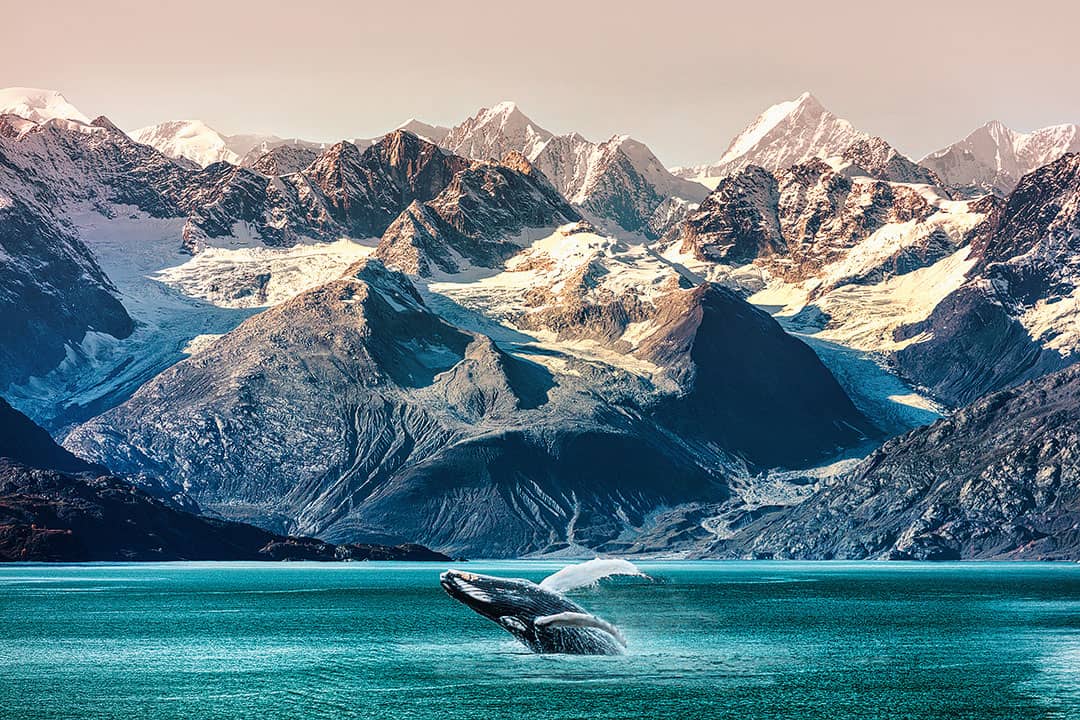
Húsavík calls itself the whale-watching capital of Europe, and it has the sightings to back it up. Humpbacks, minkes, and occasionally blue whales are the main draws from May through September. Tours run about 3 hours from the harbor and cost around $100 to $130 per person (confirm the latest price directly with the operator). The nearby Eyjafjord is calm, which helps with seasickness. Dress in layers and expect cold wind even in August.
Andenes, Norway
Andenes, at the tip of the Vesterålen archipelago, is the best place in the world to see sperm whales reliably. Because the continental shelf drops off sharply close to shore, sperm whales feed here year-round. Tours run from around $150 to $200 per person for 4 to 5 hours (confirm the latest price directly with the operator). The season peaks in summer, but whale-watching tours run all year.
Tadoussac, Québec
Tadoussac sits at the mouth of the Saguenay Fjord and the St. Lawrence Estuary, where the water is unusually rich in krill. That draws belugas, minkes, humpbacks, and occasionally blue whales from May through October. Tours leave from Tadoussac or nearby Baie-Sainte-Catherine and cost around $80 to $120 per person (confirm the latest price directly with the operator). The beluga population here is one of the most accessible in the world.
Mirissa, Sri Lanka
Mirissa is the best budget option on this list. Blue whales, the largest animals on Earth, pass through the waters south of Sri Lanka from November to April. Early morning tours run around $40 to $80 per person for 4 to 6 hours (confirm the latest price directly with the operator). The sea can be rough, so bring motion sickness pills. Choose an operator that respects the 100-meter distance rule and does not chase whales.
Stellwagen Bank, Cape Cod
Stellwagen Bank is a marine sanctuary about 25 miles off Provincetown and Gloucester. Humpbacks, fin whales, and minkes feed here from April through October. Tours from Provincetown run 3 to 4 hours and cost around $75 to $110 per person (confirm the latest price directly with the operator). It is one of the most reliable whale-watching destinations in the United States.
Kaikoura, New Zealand
Kaikoura is one of the few places where you can see sperm whales year-round. The continental shelf drops to 1,600 meters just offshore, which brings deep-water species close to the coast. Tours run year-round and cost around $100 to $150 per person (confirm the latest price directly with the operator). Kaikoura also has excellent dolphin and seal watching.
Baja California, Mexico
Baja is the best place in the world to see gray whales up close. From January to April, gray whales migrate to the calving lagoons of Baja, and some are curious enough to approach small boats. Tours run from Bahía Magdalena, San Ignacio, and Guerrero Negro. Prices vary from around $80 for a day trip to $3,000 or more for multi-day expedition trips (confirm the latest price directly with the operator).
Azores, Portugal
The Azores are one of the best mid-Atlantic destinations for whale watching, with sperm whales resident year-round and blue whales passing through in spring. Tours leave from Pico, Faial, and São Miguel and cost around $70 to $120 per person for half-day trips (confirm the latest price directly with the operator). The Azores have strict whale-watching regulations that operators must follow.
Maya Whitfield’s honest take: “The best whale-watching money I have ever spent was a Sri Lanka trip. $60, a 6 a.m. departure, and a blue whale surfacing 40 meters from the boat. The worst was a $200 trip off Cape Cod where we saw one humpback tail in three hours.”
Best Places to See Whales From Land (No Boat Required)
If you get seasick, have limited mobility, or want to save money, land-based whale watching is a genuine option at several destinations worldwide. These are the three best shore-based spots.
Hermanus, South Africa
Hermanus has the best land-based whale watching in the world. Between June and November, southern right whales come close enough to shore that you can see them from the cliff path that runs along the town. The town even has a whale crier who announces sightings from a kelp horn. No ticket, no boat, no cost.
Lime Kiln Point, San Juan Islands, Washington
Lime Kiln Point State Park on San Juan Island is one of the best shore-based whale-watching spots in the United States. Orcas from the Southern Resident and Bigg’s populations pass close to shore in summer. The park has a dedicated whale-watching wall and a hydrophone that lets you listen to the whales when they are near.
Cape Tourville, Tasmania
Cape Tourville in Freycinet National Park has a lighthouse walk with excellent views of the Tasman Sea. Humpbacks and southern right whales pass by during migration from May to July and September to November. You can see them from the viewing platform without getting on a boat.
How Do You Choose a Responsible Whale-Watching Operator?
Whale watching, done badly, stresses the animals. Done well, it funds conservation. Here is the checklist I use before booking any operator.
Distance rules
Responsible operators keep at least 100 meters from whales and 200 meters from mothers with calves. They approach slowly from the side or behind, never head-on, and never chase. If an operator advertises “getting close to the whales,” that is a red flag.
Vessel type
Smaller boats with quieter engines stress whales less. Some operators now use hybrid-electric or low-noise vessels. Ask what type of boat the tour uses and whether the engine is quiet enough to hear the whales breathe.
Time limits
Good operators cap their time with any individual whale or pod at 20 to 30 minutes. If a tour promises “as long as you want,” it is likely pressuring the animals.
Guide credentials
Ask whether the guide has a marine biology background or formal whale-watching certification. The best guides explain whale behavior without anthropomorphizing and can identify individual whales by their flukes or markings.
Conservation contribution
Some operators donate a portion of their revenue to whale research or rescue organizations. This is not a requirement, but it is a good sign. The International Whaling Commission publishes whale-watching guidelines if you want to see the global standard.
What Does a Whale-Watching Trip Actually Cost?
Costs vary enormously depending on where you go and how long you are on the water. Here is a rough breakdown (confirm the latest price directly with the operator).
By tour type
Half-day coastal tour (3 to 4 hours): $65 to $130 per person
Full-day offshore tour (6 to 8 hours): $150 to $300 per person
Multi-day expedition (Baja, Antarctica, Alaska): $1,500 to $8,000 per person
Land-based viewing: Free or a small park entrance fee of $5 to $20 (confirm the latest price directly with the operator)
The biggest cost drivers are remoteness and duration. A 3-hour tour from Provincetown is cheap because the whales are close. An expedition to see humpbacks in Antarctica costs thousands because you are on a ship for weeks. Start with a half-day tour to see if you enjoy it before booking an expedition.
Frequently asked questions about whale watching
Is whale watching safe?
Yes. Whale watching from a licensed commercial operator is safe. Whales are not aggressive toward boats. The main risks are seasickness and falling on a wet deck, not the whales themselves. Choose an operator with a good safety record and follow their instructions on board.
Does whale watching disturb the whales?
It can, if done badly. Responsible operators follow distance and approach rules that keep stress minimal. Choose operators who keep 100 meters away, approach slowly from the side, cap time with each whale at 20 to 30 minutes, and do not chase. If an operator advertises getting very close, look elsewhere.
What is the best time of day for whale watching?
Early morning is generally best. The sea is calmest, whale activity is often higher, and the light is good for photos. Late afternoon is the second-best window. Midday is the worst, both because of heat and because whales are often less active.
What should I wear and bring on a whale-watching tour?
Bring layers, a windproof jacket, sunglasses, sunscreen, and a hat. Even warm-weather destinations get cold on the water. Bring motion sickness medication if you are prone. A camera with a zoom lens helps, but do not spend the whole trip behind it.
Is whale watching good for kids?
Yes, but choose the right tour. Coastal tours on calm water, like Tadoussac or Stellwagen Bank, work better for young children than offshore or expedition trips. Bring snacks, sun protection, and patience. Whale sightings cannot be guaranteed, so be ready to frame it as a wildlife adventure, not a guaranteed show.
What if we do not see any whales?
Many operators offer a “sighting guarantee” that gives you a free second trip if you do not see any whales on the first. Ask before you book. In peak season, most reputable operators have a 90 to 95 percent sighting rate. In shoulder season, it drops to 60 to 80 percent.
Which whale-watching destination is best for a first trip?
Húsavík in Iceland is the best first-time destination. It has a high sighting rate, calm water in the fjord, and a well-established tourism infrastructure. Tadoussac in Québec is a close second if you are traveling from North America.
Can I see whales without a boat?
Yes. Hermanus in South Africa, Lime Kiln Point in Washington State, and Cape Tourville in Tasmania all offer reliable land-based whale watching. Hermanus even has a whale crier who announces sightings from a kelp horn during the season.
Plan your trip: booking platforms we trust
These are the platforms I use to plan whale-watching trips. Book whale-watching tours directly with the operator whenever possible, but use these to compare prices and read reviews first.
GetYourGuide
Best for booking whale-watching tours with verified reviews.
Booking.com
Reliable for hotels in whale-watching towns like Húsavík and Tadoussac.
Kayak
Useful for comparing flights to whale-watching destinations before you book.
Expedia
Good for bundling flights and hotels into a whale-watching package.
Vrbo
Best for renting a house near Hermanus or the Azores for a multi-day stay.
TripAdvisor
Essential for comparing whale-watching operators on ethical and safety grounds.
For more planning help, see our travel planning guides, our hotel reviews, our attractions section, and our visa category. When you are ready to book flights, start with our discounted flights page.
WakaAbuja does its best to keep all information accurate at the time of publishing. Prices, policies, and availability change regularly. Always verify with official sources before you travel. We are not liable for errors caused by outdated information. Travel insurance is strongly recommended.