advertisement
See the best places to visit in Scotland and learn how to link them into one seamless trip.
Fact-Checked By: Maya Whitfield, Senior Travel Editor at WakaAbuja
The best places to visit in Scotland are Edinburgh for history and walkability, the Isle of Skye for dramatic landscapes, Speyside for whisky, the North Coast 500 for a road trip, and Loch Lomond for an easy escape from Glasgow. Plan on 7 to 10 days minimum to cover a city, the Highlands, and one island without rushing (confirm current prices, ferry times, and opening hours directly with operators before you book).
Every list of the best places to visit in Scotland points you to the same dozen incredible spots. What almost none of them tell you is how to actually turn that list into a trip you can book. I have planned Scotland trips for friends, for myself, and for readers who email me in a panic three weeks before departure. The problem is never a shortage of beautiful places. It is sequencing.
This guide does both jobs. It covers the destinations worth your time, then shows you how to group them into real routes based on how long you have and what you actually care about. If you want to compare hotels while you read, start with our hotel guides and browse options on Booking.com once you have picked a base.
Jump to: At a glance | The destinations | Three trip routes | Planning tips | What to avoid | FAQ
Key takeaways
- Give Scotland at least 7 to 10 days. Anything shorter and you spend more time in transit than in places.
- Edinburgh, Skye, Speyside, Loch Lomond, and the North Coast 500 cover the widest range of what people come for.
- You do not need a car in Edinburgh or Glasgow, but you absolutely need one for the Highlands, Skye, and the NC500.
- Book Skye accommodation 3 to 6 months ahead for summer. It sells out earlier than anywhere else in the country.
- Midges are real from late May to September on the west coast. Pack repellent, not just optimism.
- Distillery tours in Speyside often run around £15 to £45 per person depending on the tour tier (confirm the latest price directly with each distillery).
- Shoulder season, roughly April to May and September to October, gives you fewer crowds and lower rates than July and August.
Which places in Scotland are actually worth your time?
Scotland is small on a map and enormous in practice. Distances that look trivial on paper turn into four-hour drives on single-track roads. That is why the order you visit places in matters as much as which places you pick. I learned this on a trip where I tried to do Edinburgh, Skye, and the NC500 in six days. I spent most of it behind a steering wheel and saw very little.
The destinations below are grouped by what they are best for, how much time they deserve, and when to go. Use this as your shortlist, then jump to the route section to see how they fit together.

Best for first-time visitors
- Edinburgh, for castles, history, and a walkable old town
- Isle of Skye, for the landscapes you have seen in photos
- Loch Lomond, for an easy day trip from Glasgow
- Speyside, for whisky distilleries and quiet countryside
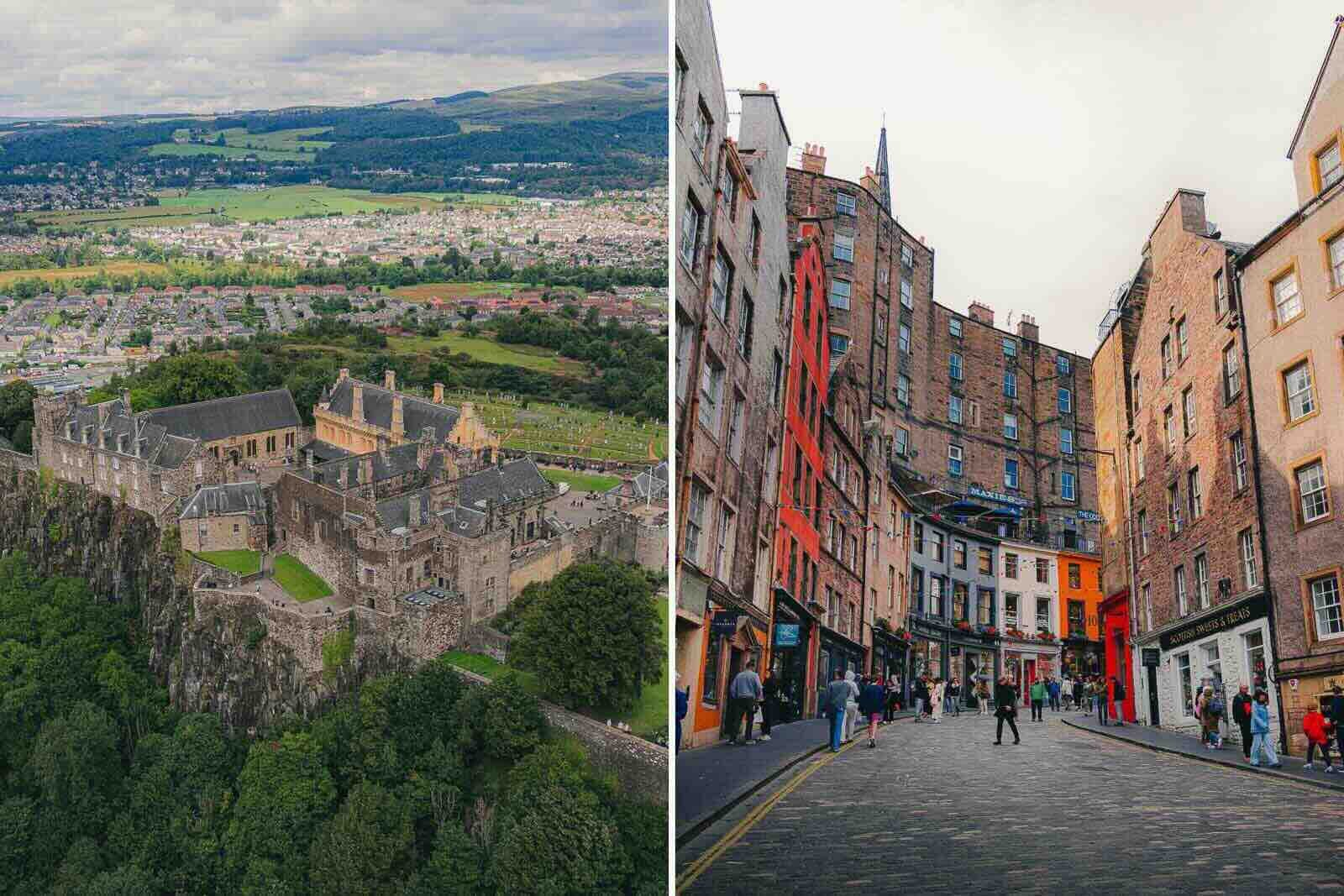
- Stirling, for a compact dose of Scottish history
Worth considering for repeat visitors
- Shetland Islands, for remoteness and wildlife
- Scottish Borders, for abbeys and quiet driving
- Perthshire, for Big Tree Country and easy walks
What is each place in Scotland best for?
Here is the part most guides skip: what each destination is genuinely best for and how many days it deserves. I have included a practical tip for each one, because a description without an action item is just a postcard.
Edinburgh: best for history and walkability
Edinburgh is the most compact major city in the UK. You can walk from the Castle down the Royal Mile to Holyrood Palace in under an hour, with a dozen detours worth taking along the way. Give it 2 to 3 days. That covers the Castle, Arthur’s Seat, the National Museum, and at least one proper afternoon in a pub.
Planning tip: In August, the Fringe Festival roughly doubles the city’s population. Accommodation prices spike accordingly, sometimes to £300 or more per night for mid-range rooms (check current rates on the official hotel sites). Book months ahead or visit in June instead.
Isle of Skye: best for dramatic landscapes
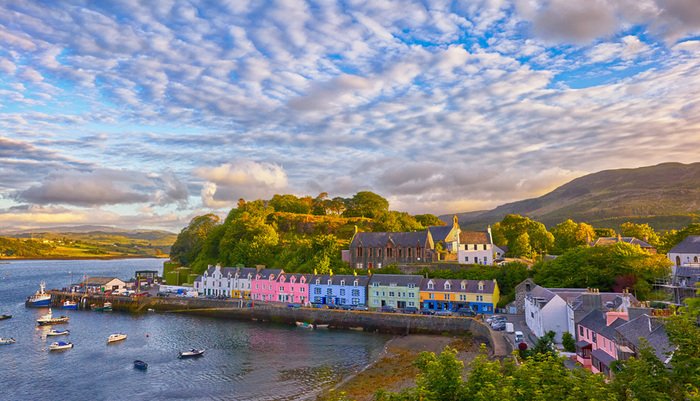
Skye is the single most photographed place in Scotland, and it earns the reputation. The Quiraing, Old Man of Storr, and the Fairy Pools are the headline sights. Give it 3 days minimum. Two days is possible but rushed, and weather can wipe out an entire day with no warning.
Planning tip: The Skye Bridge means you no longer need a ferry from the mainland, but the island’s roads are mostly single-track with passing places. Build in extra driving time. I once took 90 minutes to cover 20 miles because of tour buses and photo stops.
Loch Lomond and the Trossachs: best for an easy nature escape
Loch Lomond is 30 minutes from Glasgow and 90 minutes from Edinburgh, which makes it the most accessible taste of the Highlands. The national park covers 720 square miles and includes both lochs and mountains. Give it 1 to 2 days, or treat it as a day trip.
Planning tip: The west side of the loch is quieter than the east. Balloch is the busy gateway, but driving north to Luss or Tarbet gives you better views with fewer people.
Stirling: best for a compact history lesson
Stirling is where Scottish history concentrates. Stirling Castle and the Wallace Monument sit within sight of each other, and the Battle of Bannockburn site is a short drive away. Give it 1 day. It works well as a stop between Edinburgh and the Highlands.
Planning tip: Stirling Castle tickets run around £19 to £20 for adults (confirm the latest price directly with Historic Environment Scotland). Combine it with a walk up to the Wallace Monument for the best view in the area.
Speyside: best for whisky
Speyside has the highest concentration of whisky distilleries in the world, including Macallan, Glenfiddich, and Glenlivet. Even if you are not a whisky drinker, the countryside is gentle and green in a way the West Coast is not. Give it 2 days.
Planning tip: You cannot drive between distilleries and drink. Book a local tour driver or use the Speyside Way walking route and stay in one village. Tours typically cost £15 to £45 per person depending on how many drams are included (check current rates with each distillery).
North Coast 500: best for a road trip
The NC500 is a 516-mile loop around the northern coast, starting and ending in Inverness. It is not a destination so much as a commitment. Give it 5 to 7 days minimum. Fewer than that and you are driving, not experiencing.
Planning tip: The route has become genuinely busy in summer, and locals in places like Applecross have raised concerns about overtourism. Travel in May or September if you can. Book accommodation along the route months ahead, as options are limited and fill fast.
West Highland Way: best for a long-distance walk
The West Highland Way runs 96 miles from Milngavie, near Glasgow, to Fort William. Most people walk it in 6 to 8 days. It is the most popular long-distance trail in Scotland and passes through some of the best scenery in the country.
Planning tip: You do not have to walk the whole thing. The section from Bridge of Orky to Kinlochleven is the most dramatic and can be done in 2 to 3 days as a taster.
Shetland Islands: best for remoteness and wildlife
Shetland is closer to Norway than to Edinburgh. It is a serious commitment to reach, requiring either a ferry from Aberdeen or a flight. In return you get puffins, sea cliffs, Viking history, and a level of quiet that is hard to find elsewhere in the UK. Give it 3 to 4 days.
Planning tip: The overnight ferry from Aberdeen takes around 12 hours. Book a cabin rather than a reclining seat. It costs more, but arriving rested is worth it.
@islandlarder Hi Aye! All you need to know about me… I live on the most amazing islands in the Northest part of the UK! And I love it!! Lucky to call #Shetland my home. Lucky to have my small business here in the isles and show you all what life is like here 🫶 #Shetland #islandlife #island #north #gettoknowme #yockel #shetlanddialect #smallbusiness #remote #remotework #me
Scottish Borders: best for abbeys and quiet roads
The Borders sit between Edinburgh and England and get a fraction of the visitors. Melrose Abbey, Jedburgh Abbey, and Abbotsford House are the main historic sites. The driving is easy and the towns are small. Give it 1 to 2 days.
Planning tip: The Borders Railway now connects Edinburgh to Tweedbank in under an hour, which makes a car-free visit genuinely possible. From Tweedbank you can reach Melrose on foot or by local bus.
Perthshire: best for big trees and easy walks
Perthshire is called Big Tree Country for good reason. The Hermitage near Dunkeld has some of the tallest trees in the UK, and the walks are gentle enough for almost anyone. Give it 1 to 2 days. It pairs naturally with a Speyside or Highland trip.
Planning tip: Dunkeld itself is a small, handsome town with good food and a cathedral by the river. Use it as an overnight stop rather than a day trip from Edinburgh.
Glasgow: best for food, music, and museums
Glasgow gets less tourist attention than Edinburgh and is arguably the more interesting city. The Kelvingrove Art Gallery is free. The music scene is better. The food is more varied and generally cheaper. Give it 2 days.
Planning tip: Most of Glasgow’s major museums are free to enter, including Kelvingrove, the Burrell Collection, and the Riverside Museum. That makes it the best-value city stop in Scotland.
Fort William and Ben Nevis: best for hiking
Fort William is the outdoor capital of the UK and the gateway to Ben Nevis, which at 1,345 metres is the highest mountain in the British Isles. Give it 2 days if you plan to walk up Ben Nevis; 1 day if you are just passing through.
Planning tip: The Ben Nevis mountain track is not a casual walk. It is 10.5 miles round trip with around 1,300 meters of ascent. Check the mountain weather forecast from the Met Office before you set out, and turn back if conditions change.
Maya’s honest take: “If you have 10 days and want the version of Scotland people actually dream about, skip Glasgow and Stirling on your first trip. Do Edinburgh, then drive straight to Skye, then loop back through Speyside. That is the trip.”
How do you string these places into an actual trip?
This is the section I wish existed when I first planned a Scotland trip. A list of destinations is not a plan. Here are three routes that work, based on how much time you have and what you care about most. Each one is built around realistic driving distances, not optimistic ones.
Route 1: The classic 10-day Highlands loop
This is the trip most first-time visitors should take. It covers a city, the Highlands, an island, and a whisky region without feeling rushed.
Days 1 to 3: Edinburgh. Walk the Royal Mile, climb Arthur’s Seat, and visit the Castle. Use the city as your arrival buffer before you drive.
Days 4 to 5: Drive to Fort William via Loch Lomond and Glencoe. This is one of the great drives in Europe. Stop at Glencoe for a walk, even if it is raining.
Days 6 to 8: Continue to the Isle of Skye. Three days gives you time for the Quiraing, Old Man of Storr, and a boat trip.
Days 9 to 10: Drive back east through Speyside. Do one distillery tour on the way. End in Inverness for your flight or train home.
Total driving: roughly 500 miles across 10 days. That is manageable if you do not try to add detours.
Route 2: The city and whisky long weekend
This one works for 5 days and is ideal if you want a shorter trip with a clear focus.
Days 1 to 2: Edinburgh. Two full days is enough for the highlights.
Day 3: Train or drive to Aviemore or Elgin. Base yourself in Speyside.
Days 4 to 5: Two days of distilleries and countryside. Do one big tour and one small one. The small distilleries are often better experiences.
Total driving: under 200 miles. This route is train-friendly if you do not want to rent a car.
Route 3: The islands-focused two-week trip
This is for repeat visitors or anyone who wants remoteness over convenience.
Days 1 to 2: Glasgow. Adjust to the time zone and eat well.
Days 3 to 5: Isle of Skye. Three days.
Days 6 to 8: Ferry from Uig to the Outer Hebrides. Lewis and Harris are extraordinary and almost empty compared to Skye.
Days 9 to 11: Ferry back and drive the North Coast 500 from Inverness.
Days 12 to 14: Orkney or Shetland, depending on how far you want to push. Both require ferries and advance booking.
Total driving: 800 to 1,000 miles. This is a serious trip. Do not attempt it in less than two weeks.
How do you plan a Scotland trip without wasting days?
Scotland punishes overplanning and underplanning equally. Too many stops and you spend the trip in transit. Too few and you miss things you did not know existed. Here is how I approach it.
Pick a region, not a country.
Scotland is not a place you “do.” It is a place you visit in sections. Choose one or two regions and go deep rather than trying to tick off the whole map. The Highlands alone could absorb two weeks.
Build in weather days.
Scottish weather changes fast and often badly. If you have a must-do outdoor activity, like the Quiraing or Ben Nevis, build in a spare day. I have had trips where the one clear day was the day I had booked for driving.
Book ferries and Skye accommodation early.
CalMac ferries and Skye accommodation are the two things that sell out. For summer travel, book 3 to 6 months ahead. You can check current ferry routes and timetables on the official CalMac site and compare hotel options on Hotels.com or Agoda once you have dates.
Decide on a car early.
You do not need a car in Edinburgh or Glasgow. You absolutely need one for Skye, the NC500, and most of the Highlands. Compare rental prices on Kayak before you commit, and book an automatic if you are not comfortable with manual transmission, because automatics sell out first.
Check official sources for closures and rules.
Historic Environment Scotland manages most of the major castles and abbeys, and their site lists current opening hours and ticket prices. For outdoor access rules, including the Scottish Outdoor Access Code, check NatureScot. Both are updated regularly and are more reliable than blog posts, including this one.
Consider a guided day trip for the tricky bits.
If you do not want to drive on single-track roads, book a guided tour for Skye or the Highlands. GetYourGuide lists options from Edinburgh, Glasgow, and Inverness. It costs more than driving yourself, but it removes the stress and the navigation.
What mistakes should you avoid when visiting Scotland?
I have made most of these myself. Learn from my errors rather than repeating them.
Do not underestimate driving times.
Google Maps does not account for single-track roads, sheep, tour buses, or photo stops. A 60-mile drive in the Highlands can easily take two hours. Add 30 to 50 percent to every estimate and you will be closer to reality.
Do not visit Skye as a day trip.
People try this from Inverness or Fort William and regret it. Skye is 50 miles long, and the best parts are at opposite ends. A day trip means six hours of driving and two hours of actual sightseeing. Stay at least two nights, ideally three.
Do not ignore the midges.
Midges are small biting insects that swarm in still, damp conditions, mostly on the west coast from late May to September. They are not dangerous, but they are genuinely miserable. Bring repellent, especially if you plan to camp or eat outside in the evening.
Do not book everything in advance.
Beyond Skye and ferries, most of Scotland does not require months of planning. Overbooking locks you into a schedule that weather will break. Leave some flexibility, especially for outdoor days.
Do not assume August is the best month.
August is the busiest, most expensive month, largely because of the Edinburgh Fringe and school holidays. June and September are usually better. The weather is comparable, and the crowds are noticeably smaller.
Do not skip the smaller distilleries.
The famous names are fine, but the smaller Speyside distilleries often give better tours. Fewer people, more access, and guides who actually have time to talk. Book one big name and one small one to compare.
Do not treat the NC500 as a race.
I have met people trying to complete the North Coast 500 in four days. That is not a road trip; it is a delivery run. Give it a week or skip it and do something else properly.
Frequently asked questions
How many days do you need in Scotland?
Give Scotland at least 7 to 10 days. Seven days is enough for Edinburgh, the Highlands, and one island at a reasonable pace. Ten days lets you add Speyside or the NC500 without rushing. Anything under five days means you will spend most of your time traveling between places rather than experiencing them.
What is the best time of year to visit Scotland?
Late April to May and September to October are the best months. You get reasonable weather, fewer crowds, and lower prices than July and August. June is also excellent and has the longest daylight hours, with sunset after 10 p.m. in the north. Avoid August unless you specifically want the Edinburgh Fringe, as it is the busiest and most expensive month.
Do you need a car to visit Scotland?
You need a car for the Highlands, Skye, and the North Coast 500. You do not need one in Edinburgh or Glasgow, where public transport and walking are easier. If you cannot drive, you can still see a lot of Scotland by train and guided tour, but you will be limited to the main routes and will miss the more remote areas.
Is Scotland expensive to visit?
Scotland is moderately expensive by European standards. Budget travelers can manage on £60 to £90 per day for accommodation, food, and transport (check current rates on the official booking sites). Mid-range travelers should budget £120 to £180 per day. The biggest costs are accommodation in Edinburgh and Skye and car rental in summer. Distillery tours typically cost £15 to £45 per person (confirm the latest price directly with each distillery).
What is the single best place to visit in Scotland?
If you can only pick one, make it the Isle of Skye. It delivers the landscapes, the drama, and the sense of remoteness that people come to Scotland for. Give it at least three days. Edinburgh is the better choice if you prefer cities and history over scenery.
Is the North Coast 500 worth it?
Yes, if you have at least five days and enjoy driving. The NC500 covers some of the most dramatic coastline in Europe. It is not worth it if you are short on time or uncomfortable on single-track roads. The route has become crowded in summer, so consider traveling in May or September instead of July or August.
Do I need travel insurance for Scotland?
Yes, especially if you plan to hike or drive in remote areas. Standard travel insurance covers medical emergencies, trip cancellation, and lost luggage. If you are doing activities like Ben Nevis or the West Highland Way, check that your policy covers hiking at altitude. Travel insurance is strongly recommended for any trip to Scotland.
Plan your trip: booking platforms we trust
I use these platforms when I plan my own Scotland trips. They are not the only options, but they are reliable and consistently useful for comparing prices and reading real reviews. I have noted what each one is best for so you can go straight to the one that fits your needs.
Agoda
Best for Asian hotel deals and sometimes surprising Edinburgh and Glasgow rates.
General hotel search with strong filter options and free cancellation deals.
Best for flight and hotel packages if you want to bundle and save.
Flight price comparison across multiple airlines and booking sites.
Family villas and vacation rentals for groups or longer stays.
Tours and activities, including Highland day trips and distillery visits.
Loyalty rewards bookings, good if you collect stamps toward free nights.
Reviews and restaurant finds, useful for cross-checking recent diner feedback.
WakaAbuja does its best to keep all information accurate at the time of publishing. Prices, policies, and availability change regularly. Always verify with official sources before you travel. We are not liable for errors caused by outdated information. Travel insurance is strongly recommended.