advertisement
Brazil Coast Travel: Your Route Guide From Rio to Recife Before Prices Jump
Fact-Checked By: Maya Whitfield—Senior Travel Editor at WakaAbuja
Traveling Brazil’s coast means choosing a region rather than a single destination. The Northeast (Salvador, Recife) delivers the classic tropical experience at the lowest daily costs, the Southeast (Rio, São Paulo) mixes urban energy with famous beaches, and the South (Florianópolis) offers a more temperate, European-influenced coastal scene. Budget roughly $53 to $97 per day depending on your region and travel style (confirm current rates directly with operators before booking).
Brazil’s coastline runs over 4,600 miles. That’s longer than the distance from London to Tokyo. Most guides hand you a list of beaches and leave you to figure out how they connect. This one doesn’t. I’ve spent the last three years moving up and down this coast, and I can tell you the difference between a good Brazil trip and a great one is understanding which regions actually fit together in a single itinerary.
Jump to: Coastal regions compared | Northeast coast | Southeast coast | South coast | Fernando de Noronha | Costs by region | Visa requirements | Safety notes | FAQ
Key takeaways
- US, Canadian, and Australian citizens now need an e-visa for Brazil, applied online through the official VFS portal.
- The Northeast offers the best value, with Salvador averaging $53 per day and Fortaleza at $87 (check current rates on the official sites).
- Domestic flights are essential for covering coastal distances; book six to ten weeks out for fares around $65 to $130 one-way (confirm the latest price directly with the airline).
- Fernando de Noronha charges a mandatory environmental tax starting at R$105.79 per day, which doubles for overstays (verify the current fee at the official Noronha portal).
- Long-distance buses are comfortable and affordable, with overnight “leito” sleeper classes available on major routes.
- Rio and São Paulo have the most developed metro systems, while smaller coastal towns rely on buses and ride-hailing apps.
- Carnival 2027 falls in early February, which means accommodation along the coast books up months ahead (check availability on booking platforms early).
How Do Brazil’s Coastal Regions Actually Differ?
Brazil’s coast divides into four distinct zones, each with its own climate, culture, and price point. The Northeast stretches from Bahia up through Ceará, delivering warm water year-round and the country’s most iconic tropical scenery. The Southeast centers on Rio de Janeiro and São Paulo state, where dramatic mountains meet urban beaches. The South, anchored by Santa Catarina, has cooler winters and a more European feel. And Fernando de Noronha sits offshore, a volcanic archipelago that operates by its own rules entirely.
Understanding these differences matters because Brazil’s size makes single-season advice useless. A beach day in Rio in July can mean 22°C with rain, while the same month in Fortaleza delivers 30°C and sunshine. The Northeast’s dry season runs roughly September through February. The South’s best beach weather lands between December and March. Plan your route around the region’s season, not Brazil’s calendar as a whole.
From my own experience: I once tried to combine Rio, Salvador, and Florianópolis in a single two-week trip. The flights alone took three days. Now I pick one region and go deep. The Northeast alone has enough coastline to fill a month.

Maya’s honest take: “Don’t treat Brazil’s coast as one destination. The Northeast and the South feel like different countries, with different food, accents, and weather patterns. Pick one, and you’ll actually relax instead of spending your trip in airports.”
Best for
- Northeast: warm water year-round, lowest costs, Afro-Brazilian culture
- Southeast: iconic beaches, urban energy, best infrastructure
- South: temperate climate, seafood, European-influenced towns
- Fernando de Noronha: untouched nature, world-class diving, exclusivity
Worth considering
- Northeast’s rainy season runs from April through July in Bahia
- South gets genuinely cold in winter (June to August)
- Noronha requires advance booking and a daily environmental tax
What Makes the Northeast Coast Brazil’s Best Value?
The Northeast delivers the Brazil most travelers imagine: warm turquoise water, palm-lined beaches, and a pace of life that refuses to hurry. Salvador, the region’s cultural capital, averages just $53 per day for visitors, making it the most affordable major coastal city in the country (confirm current rates on the official sites). Food costs are part of that equation. Street acarajé from a licensed baiana in Pelourinho runs $2.50 to $4. A full moqueca lunch at a neighborhood restaurant sits at $10 to $16.
Moving north from Salvador, the coastline becomes wilder. Praia do Forte offers turtle conservation and upscale resorts. Farther up in Ceará, Jericoacoara has transformed from a remote fishing village into a premium destination, though the difficult access (plane plus long drive or buggy) keeps it feeling exclusive rather than overrun. Recife and Olinda, further north still, blend colonial history with urban beaches.
If you want to book hotels in Salvador or Recife, Booking.com has the widest coverage of pousadas and mid-range options in the historic centers. For tour operators running day trips to Morro de São Paulo or the Bahia Islands, GetYourGuide lists vetted local guides.
Best for
- Salvador: Afro-Brazilian culture, historic Pelourinho, street food
- Praia do Forte: turtle sanctuary, family-friendly resorts
- Jericoacoara: dramatic dunes, wind sports, sunset views
- Recife and Olinda: colonial architecture, urban beaches
Worth considering
- Bahia’s southern coast (Trancoso, Itacaré) is pricier but stunning
- Fortaleza has the best flight connections to Noronha
- Interstate buses in the Northeast dropped in price this year
Is Rio de Janeiro Worth the Higher Prices?
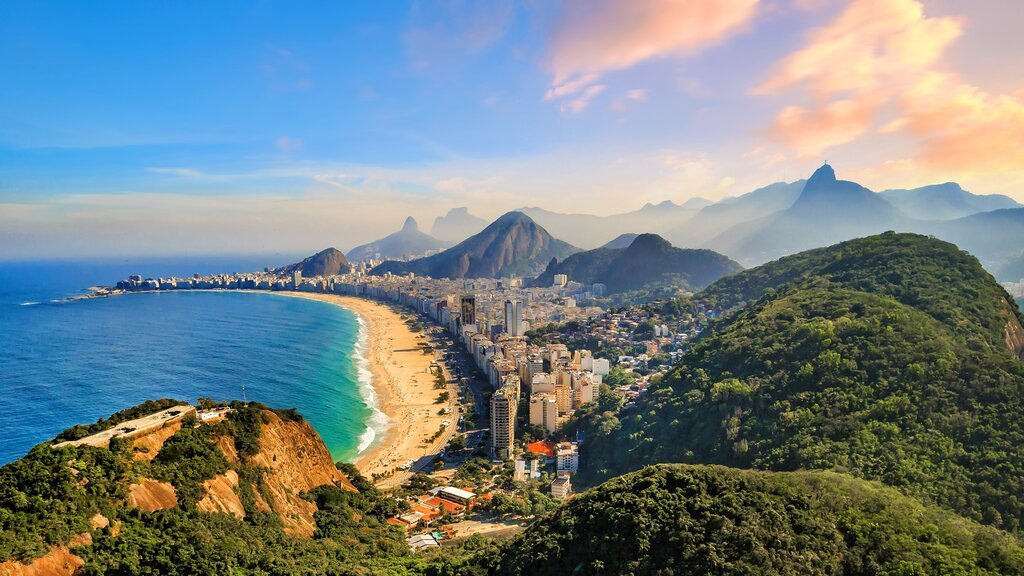
Rio answers that question with its geography alone. The city’s beaches, Copacabana, Ipanema, Leblon, sit between granite peaks and the Atlantic in a way no other major city manages. Rio’s average daily cost runs $120, more than double Salvador (confirm current rates on the official sites) . But you’re paying for infrastructure, iconic sights, and a metro system that actually works. The RioCard Mais app lets you top up and check routes before you arrive .
The Southeast coast extends beyond Rio. São Paulo state has its own coastline, with the Green Coast between Rio and São Paulo offering quieter beaches and Atlantic Forest scenery. Santos, just outside São Paulo city, has a long beachfront and a historic coffee exchange. The region’s strongest asset is connectivity: two major international airports, frequent domestic flights, and buses that link coastal towns along the litoral.
From a trip I took last year: I flew Rio to São Paulo on a Tuesday morning for under $70 one-way, booked about three weeks out. The same route on a Friday afternoon cost nearly double. Midweek travel and advance booking are non-negotiable if you want to keep Southeast costs down (check current fares on Kayak before you commit).
Maya’s honest take: “Rio deserves its reputation, but don’t skip the smaller beaches south of the city. Grumari and Prainha, both within Rio’s municipal boundaries, feel a world away from Copacabana’s crowds and cost nothing to visit.”
What Should You Know About Brazil’s South Coast?
Santa Catarina state operates on a different rhythm. Florianópolis, the state capital, spreads across an island with 42 beaches, each with its own character. The average daily cost sits at $77, lower than Rio but higher than Salvador (confirm current rates on the official sites) . The water here is cooler than the Northeast, but the seafood is exceptional and the oyster farms around Florianópolis produce some of the best in Brazil.
Balneário Camboriú, further north along the Santa Catarina coast, has become the country’s most expensive real estate market outside the major cities. The skyline rivals Miami, with towers reaching 290 meters . It’s a peculiar destination: a beach town that feels like a vertical metropolis. For travelers, it offers upscale hotels and restaurants at prices that reflect the clientele.
The South’s seasons are more pronounced. Winter (June to August) brings temperatures that can dip below 10°C, making beach time uncomfortable. Summer (December to March) is the season for coastal travel here, when Brazilians from colder states flock south. If you’re planning a South Coast trip, book accommodation well ahead for January and February (check availability on Hotels.com for reward-earning options).
Why Does Fernando de Noronha Cost So Much More?
Fernando de Noronha is not like the rest of Brazil’s coast. The archipelago, 354 kilometers off the Northeast coast, limits visitor numbers through pricing. The mandatory Environmental Preservation Tax starts at R$105.79 per day and scales up with length of stay: seven days costs R$672.85, and the maximum 30-day stay reaches R$7,460.56 (verify the current fee at the official Noronha portal) . If you overstay your declared period, the tax doubles for the extra days .
There’s also the national park entrance fee, separate from the TPA. Most visitors pay it because about 70% of the island sits within the conservation area. The ticket costs R$192 for Brazilians and R$384 for foreign visitors, valid for ten days (confirm current rates with ICMBio) . These fees fund conservation, but they stack up quickly. A five-day trip for a foreign visitor includes R$520.50 in TPA and R$384 in park fees before accommodation or flights .
For beach lovers who want the Noronha experience without the price tag, the Northeast mainland offers alternatives. The beaches around Maragogi in Alagoas have similar water clarity and reef systems. It’s not the same, but it’s a fraction of the cost.
Best for
- World-class diving and snorkeling
- Untouched beaches with limited crowds
- Wildlife spotting (dolphins, sea turtles)
Worth considering
- Flights from Recife or Natal add to the cost
- Accommodation is limited and books out months ahead
- Foreign-issued credit cards must pay TPA at the airport
How Much Does Brazil Coast Travel Actually Cost?
Brazil’s average daily spend runs about $97, but that number hides enormous regional variation (confirm current rates on the official sites) . A traveler in Salvador can eat well and sleep comfortably for $53 per day. The same traveler in Rio needs $120. Florianópolis sits between at $77. And Noronha operates in a different category entirely, with fees alone potentially exceeding $150 per day before you’ve paid for a bed.
Beyond daily costs, factor in domestic flights. A Rio to Salvador one-way typically runs $65 to $130 if booked six to ten weeks ahead. Booking three days out roughly doubles the fare. Checked bags add $18 to $32 per leg on domestic carriers . For coastal trips that skip flights, long-distance buses are the value option. Overnight “leito” sleepers cost more than standard coaches but save a night’s accommodation. Bus prices in the Northeast dropped 2.1% in August this year, making the region even more affordable for overland travel .
For accommodation across the price spectrum, Agoda often has the best deals on Northeast pousadas, while Vrbo works well for families needing apartment-style stays in Florianópolis or Rio.
Do You Need a Visa for Brazil Coast Travel?
It depends on your passport. Citizens of the European Union, Mexico, Japan, Norway, Switzerland, and the UAE remain visa-exempt for stays up to 90 days . US, Canadian, and Australian passport holders now require a visa, following a policy change that took effect April 10, 2025 . The good news is that the visa is fully electronic. You apply online through the official VFS portal, submit your documents digitally, and receive the visa by email .
The application requires a valid passport, a recent photo, proof of income or bank statements, and a return flight itinerary. The fee for US citizens is $160 (confirm the current fee on the official VFS site) . Apply at least 30 days before travel. The e-visa system has been operating for over a year now, but processing times can vary, especially during peak booking periods. Don’t leave it to the last minute.
Once you’re in Brazil, the maximum stay is 90 days, extendable once for another 90 at the Federal Police, for a total of 180 days within a 12-month period . For a coastal trip, 90 days is more than enough. Most travelers cover two or three regions in two to three weeks.
What Safety Details Do Other Guides Skip?
Brazil’s safety reputation is earned in specific places, not everywhere. Rio has concentrated issues in certain areas. The Japanese consulate in Rio reports over 1,000 favelas in the metropolitan area, with armed confrontations between drug gangs and police occasionally spilling into areas near tourist zones . Copacabana, Ipanema, and Centro see phone theft and street robbery, especially during Carnival and on crowded beaches .
The Northeast is generally calmer. Salvador and Recife have their own issues, but violent crime rates are lower than Rio’s. The South, particularly Florianópolis and smaller Santa Catarina coastal towns, feels noticeably safer for walking at night. Fernando de Noronha has almost no crime because access is controlled and visitor numbers are limited.
Practical steps matter more than blanket warnings. Leave your passport in a hotel safe and carry a copy. Keep your phone out of sight in crowded areas. Use ride-hailing apps at night instead of walking. The US Consulate in Rio issues specific Carnival safety guidance each year, and signing up for the STEP program gets you security alerts during your trip .
Frequently asked questions
What is the best month to travel Brazil’s coast?
September through November works well for most of the coast. The Northeast is dry, Rio has pleasant temperatures without summer crowds, and prices are lower before the December holiday rush. Avoid January and February unless you specifically want Carnival, as those months bring peak prices and maximum crowds (check seasonal rates on booking platforms before you commit).
Can you travel Brazil’s coast without flying?
Yes, but it takes time. Long-distance buses connect every coastal city, and overnight “leito” sleepers are comfortable enough for multi-day journeys. A Rio to Salvador bus takes about 24 hours. If your trip is two weeks or less, mix flights for the long legs with buses for shorter coastal hops.
Is Fernando de Noronha worth the high cost?
If diving or untouched nature is your priority, yes. The marine life and landscape are genuinely exceptional. But the total cost, including TPA, park fees, flights, and limited accommodation, makes it one of Brazil’s most expensive destinations. For budget-focused travelers, the Northeast mainland offers similar beach quality at a fraction of the price.
How much should I budget per day for Brazil coast travel?
Budget $50 to $70 per day in the Northeast, $80 to $120 in the Southeast, and $70 to $90 in the South, covering mid-range accommodation, meals, and local transport (confirm current rates on the official sites). Add domestic flights and any Noronha fees on top. Travelers spending $97 daily on average across Brazil will find the Northeast stretches that budget further.
Is Rio safe for tourists?
Rio requires more caution than other Brazilian coastal cities. Stick to tourist areas, avoid displaying valuables, use ride-hailing apps at night, and don’t walk on beaches after dark. Most visitors have incident-free trips. The key is treating Rio like any large city with income inequality and street crime, not like a resort town.
Do I need a visa for Brazil as a US citizen?
Yes, as of April 10, 2025, US citizens need a visa for tourism or business travel to Brazil. The visa is electronic and applied for online through the official VFS portal. Apply at least 30 days before your trip. The fee is $160 (confirm the current fee on the official site) .
What’s the cheapest way to travel between coastal cities?
Long-distance buses are the most economical option, especially in the Northeast where prices recently dropped. Overnight buses save on accommodation costs. For long legs like Rio to Recife, flights booked well ahead can sometimes rival bus prices when you factor in the time saved. Compare both before deciding.
Plan your trip: booking platforms we trust
I’ve used all of these platforms personally across multiple Brazil trips. They earn a small commission when you book through them, which supports WakaAbuja’s independent research. None of them sponsored this article or influenced my recommendations.
Agoda
Best for Northeast pousadas and Asian hotel chains
Booking.com
Widest coverage of Brazilian pousadas and hotels
Kayak
Compare domestic flight prices across Brazilian carriers
GetYourGuide
Tours and activities with local operators
Vrbo
Family villas and apartment rentals for longer coastal stays
TripAdvisor
Reviews and restaurant finds in coastal towns
For the actual logistics of moving along the coast, check our Travel Planning section. If you’re building a broader Brazil itinerary, the Best Things to Do category has regional guides, and Hotels covers accommodation options by area. For flights within Brazil, find cheap flights has current fare tips. And if you’re still sorting entry requirements, the Visa section walks through the e-visa process step by step.
WakaAbuja does its best to keep all information accurate at the time of publishing. Prices, policies, and availability change regularly. Always verify with official sources before you travel. We are not liable for errors caused by outdated information. Travel insurance is strongly recommended.