advertisement
How to Apply for a Visa: The US Tourist Visa B-1/B2 Process, Fees, and Interview Tips
To apply for a US tourist visa, you complete the DS-160 online form, pay the application fee of $185 (confirm the current fee on travel.state.gov before you pay), schedule an interview at your nearest US embassy or consulate, attend the interview in person, and then wait for a decision. The B-1 visa covers business visits and the B-2 covers tourism and medical treatment, and both are usually issued together as a B-1/B2. Citizens of Visa Waiver Program countries can often skip the visa entirely and travel on an ESTA instead, which costs $21 (check the current ESTA fee on the official site).
I have sat through two US visa interviews, once in London and once in Sydney, and both times the hardest part was not the interview itself. It was figuring out which document went where, which fee applied to me, and why the official pages seemed to contradict each other.
This guide puts the whole process in one place: what the DS-160 actually asks, what the fee covers, how long you will realistically wait for an appointment, and what happens once you are sitting across from a consular officer.
Jump to: What Is a B-1/B2 | Step by Step | DS-160 | Fee | Interview | After the Interview | Mistakes | FAQ
Key takeaways
- The US tourist visa application fee is $185 for B-1/B2 (confirm the current fee on travel.state.gov, since it changes periodically).
- The DS-160 is the only application form. You complete it online, save the confirmation barcode page, and bring it to the interview.
- Citizens of Visa Waiver Program countries can usually travel on an ESTA instead, which costs $21 (check the current ESTA fee on the official site).
- Interview wait times vary hugely by consulate, from a few days in some cities to several months in others. Check the State Department wait time tool before planning.
- Most B-1/B2 visas are issued for 10 years for eligible nationalities, but the length of each stay is decided at the port of entry, usually up to six months.
- A 214(b) denial means the officer was not convinced you would return home. It is not a permanent ban, and you can reapply.
- Bring paper copies of everything. Phone-based documents are not accepted in most consulates.
What is a B-1/B2 visa, and do you actually need one?
The B-1 visa is for business visitors: meetings, conferences, negotiations, and consultations. The B-2 visa is for tourism, visiting family, and medical treatment. In practice, most applicants receive a combined B-1/B2 visa that covers both purposes. The category is the same, the fee is the same, and the interview process is the same.
You do not need a visa if you are a citizen of a Visa Waiver Program country and you are traveling for 90 days or less for business or tourism. In that case, you apply for an ESTA online instead. The ESTA is not a visa; it is an authorization, and it costs $21 (confirm the current fee on the official ESTA site).
The visa becomes necessary when you fall outside the VWP, when you want to stay longer than 90 days, when you are traveling for a purpose the ESTA does not cover, or when you have a previous immigration issue that disqualifies you from the waiver. If any of those apply, you are in B-1/B2 territory.
How do you apply for a US tourist visa, step by step?
The process has seven steps, and they must be done in order. Skipping ahead, especially booking flights before you have a visa, is the most expensive mistake I see people make.
Step 1
Check eligibility and whether you need a visa at all or can use ESTA.
Step 2
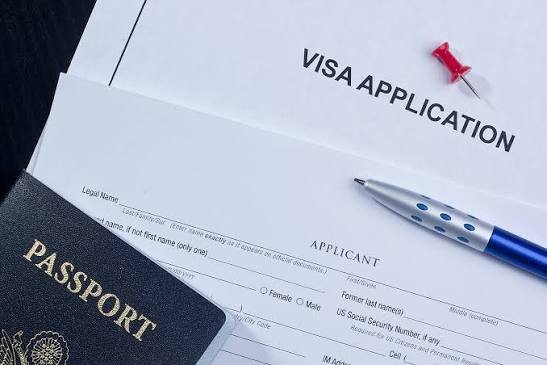
Complete the DS-160 form online and save the confirmation page with the barcode.
Step 3
Pay the $185 application fee through the designated payment system for your country (confirm current fee on travel.state.gov).
Step 4
Schedule your interview at the nearest embassy or consulate.
Step 5
Gather your documents, including passport, confirmation page, photo, and supporting evidence.
Step 6
Attend the interview in person, with biometrics and the actual Q and A.
Step 7
Wait for the decision, then collect your passport with the visa or the denial notice.
What does the DS-160 form actually ask for?
The DS-160 is the only application form, and it is longer than most people expect. It takes me about 90 minutes to complete carefully. You fill it out online, and you must finish it in one session unless you save your application ID and resume later.
Personal information
Name exactly as it appears on your passport, including middle names. Date and place of birth. Nationality and any other nationalities you hold. National identification number if your country issues one. This is where most mistakes happen, because people use their everyday name rather than the passport name.
Travel information
Your intended arrival date, intended length of stay, US address where you will stay, and who is paying for the trip. You do not need confirmed bookings at this stage, but the answers should be consistent with your later documents. If you put “visiting a friend” and then show up at the interview with a hotel booking, you will be asked about it.
Previous US travel and immigration history
Every previous US visa you have held, every trip, and any prior refusals or overstays. Answer honestly. The consulate already has this information, and a mismatch is worse than a disclosure.
Family and work information
Parents’ names, spouse, and current employer with address and phone number. If you are self-employed, be ready to describe your business clearly and consistently at the interview.
Security and background questions
A long list of yes or no questions about criminal history, communicable diseases, terrorism, and immigration violations. Answer all of them truthfully. A yes does not automatically disqualify you, but a lie will.
The confirmation barcode page
When you finish, you get a confirmation page with a barcode. Print it. You need it for the fee payment and the interview. If you lose it, you can retrieve it with your application ID, but printing two copies is easier than retrieving it.
Maya’s honest take: “The single most common DS-160 mistake I see is using a nickname instead of the legal name on the passport. Every document after that has to match the DS-160, so a mismatch cascades through the whole application. Copy your name from the passport data page, character by character.”
How much does a US tourist visa cost, and how do you pay?
The B-1/B2 application fee is $185 (confirm the current fee on travel.state.gov, since fees change periodically). This is a non-refundable fee, and it does not guarantee approval. You pay it before you schedule the interview, and the receipt is required at the interview.
How to pay
Payment methods vary by country. In most countries you pay through a designated bank, online transfer, or in person at a specific bank branch. The US embassy website for your country lists the exact method. Do not pay through a third-party site that is not listed there.
What the fee covers and what it does not
The fee covers the processing of your application and the interview. It does not cover the ESTA, it does not cover document courier fees, and it does not cover any costs associated with a denial. If your application is refused, the fee is not refunded, and you will need to pay it again if you reapply.
Are there cheaper categories?
Some visa categories have different fees, and some nationalities have reciprocal fee agreements. The B-1/B2 fee is the same for most applicants, but always check the fee table for your specific nationality on the official site before you pay.
What actually happens at the US visa interview?
The interview is shorter than most people expect. Mine lasted under five minutes, twice. But the preparation matters more than the conversation, because the officer has your file in front of them before you sit down.
Before the interview
You arrive at the consulate at the time printed on your appointment confirmation, not earlier. Security is similar to an airport, so do not bring large bags, electronics, or anything with a battery that you do not need. You will go through biometrics, which means fingerprint scanning, before the interview itself.
The questions officers actually ask
The questions are almost always the same set. Why are you going to the United States? How long will you stay? Who is paying? What do you do for work? Do you have family in the US? Have you traveled abroad before? The answers should be short, direct, and consistent with the DS-160.
What the officer is actually evaluating
Under Section 214(b) of the Immigration and Nationality Act, every applicant is presumed to be an intending immigrant until they prove otherwise. The officer is assessing whether you have strong enough ties to your home country, meaning a job, family, property, or other commitments, that you are likely to return. This is the entire logic of the interview.
What to bring
Passport, DS-160 confirmation page, fee receipt, one passport photo, and any supporting documents you think are relevant: employment letter, bank statements, property documents, previous passports with travel history, and a rough itinerary. Bring paper copies. Phone-based documents are usually not accepted.
What happens after the interview?
Most applicants are told at the window whether they are approved, refused, or pending administrative processing. If approved, your passport is kept and returned with the visa inside, usually within one to two weeks depending on the consulate’s courier system.
If you are approved
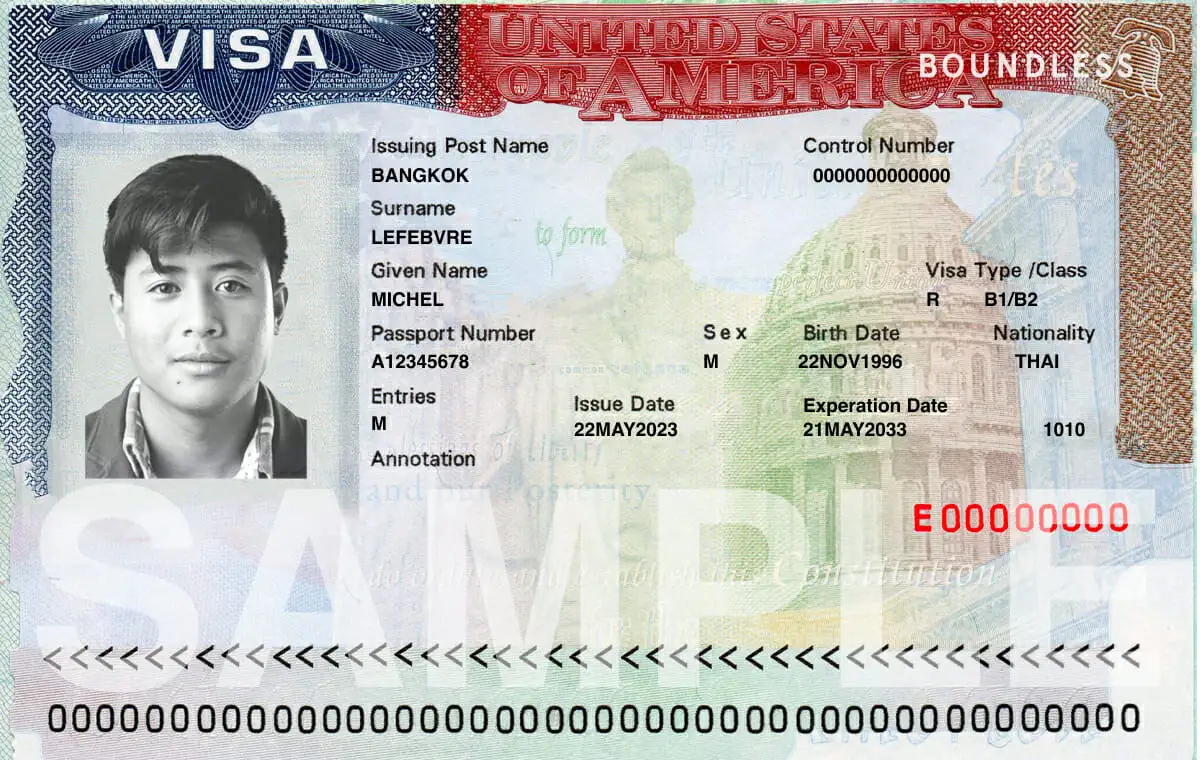
Check the visa when it arrives. Confirm the name, the visa type, the expiry date, and the number of entries. Most B-1/B-2 visas for eligible nationalities are issued for 10 years with multiple entries, but the officer can issue shorter validity. The length of each individual stay is decided at the port of entry, usually up to six months.
If you are refused under 214(b)
A 214(b) refusal means the officer was not satisfied that you would return home. It is not a permanent ban and it is not a finding of fraud. You can reapply, but only if your circumstances have genuinely changed. Reapplying immediately with the same documents usually produces the same result. Wait, strengthen your ties, and apply again when there is something new to show.
If you are refused under 221(g)
A 221(g) refusal means the application is incomplete or requires further administrative processing. You will be given instructions on what to submit. Respond quickly and follow the instructions exactly.
What mistakes get US visa applications rejected?
Most refusals come down to one of these, and all of them are avoidable.
Booking flights before you have a visa
I have seen people lose thousands on non-refundable tickets because they assumed the visa would be approved. Do not book anything until the visa is in your passport. Use flexible or refundable bookings if you must plan early.
Name mismatches between documents
The DS-160, the passport, the fee receipt, and any supporting documents must all show the same name. Nicknames, middle name omissions, and spelling variations all cause delays.
Inconsistent answers
If the DS-160 says you are staying with a friend and the interview reveals you have never met them, the officer will notice. Keep the story consistent across the form and the interview.
Weak ties to home
This is the number one reason for 214(b) refusals. A young applicant with no job, no property, and no family commitments looks like a risk. Bring evidence of employment, studies, family, and any other commitments that require your return.
Bringing the wrong documents
Paper copies only. Phones are usually not allowed inside, so digital copies are useless. Print everything you might need, even if you do not end up using it.
Overstaying a previous visa
An overstay stays on your record and makes future applications much harder. If you are running late on a current trip, contact US Citizenship and Immigration Services before your authorized stay expires. Do not just stay.
Skipping travel insurance
The US healthcare system is expensive, and travel insurance is one of the cheapest ways to protect a trip. Our guide to travel insurance for travelers covers the basics.
Frequently asked questions
How much does a US tourist visa cost?
The B-1/B2 application fee is $185 (confirm the current fee on travel.state.gov, since fees change). It is non-refundable and does not guarantee approval. If you are eligible for the Visa Waiver Program, the ESTA costs $21 instead (check the current fee on the official ESTA site).
How long does it take to get a US tourist visa?
It depends almost entirely on the interview wait time at your consulate, which ranges from a few days to several months. Once approved, the passport is usually returned within one to two weeks. Check the State Department wait time tool for your specific consulate before planning travel.
Can I renew my US visa without a new interview?
In many cases, yes. Interview waiver eligibility depends on your nationality, the visa type, and whether your previous visa expired within a certain window. Check the interview waiver rules on the embassy website for your country before scheduling, since the criteria change.
What does a 214(b) refusal mean?
A 214(b) refusal means the consular officer was not satisfied that you would return to your home country after your visit. It is not a permanent ban and not a finding of fraud. You can reapply, but only if your circumstances have genuinely changed, and reapplying immediately with the same documents usually produces the same result.
How long is a US tourist visa valid?
Most B-1/B2 visas are issued for 10 years with multiple entries for eligible nationalities, but the officer can issue shorter validity. The visa expiry date is not the same as your permitted stay. The length of each individual stay is decided by the officer at the port of entry, usually up to six months.
Do I need a visa if I am eligible for ESTA?
No, if you are traveling for 90 days or less for business or tourism and you meet all Visa Waiver Program conditions. Apply for an ESTA online instead, which costs $21 (confirm the current fee on the official ESTA site). You need a full visa if you want to stay longer, or if you have a previous immigration issue that disqualifies you from the waiver.
What should I bring to my US visa interview?
Bring your passport, the DS-160 confirmation page with the barcode, the fee receipt, one passport photo, and any supporting documents that show your ties to home, such as an employment letter, bank statements, property documents, and previous passports. Paper copies only, since phones are usually not allowed inside.
Plan your trip: booking platforms we trust
I use these platforms because each one handles a different part of a US trip. Flights into major US hubs get compared on our flight search page, Kayak, and Expedia. Hotels get booked through Booking.com and Hotels.com, with Agoda often stronger for specific cities. Vrbo is the right call for family trips, and GetYourGuide and TripAdvisor cover tours and reviews once you have your dates locked. None of these should be booked before your visa is approved.
Kayak
Flight price comparison for US routes.
Booking.com
General hotel search across US cities.
Hotels.com
Loyalty rewards bookings for longer US stays.
Expedia
Flight and hotel packages for multi-city US trips.
Vrbo
Family villas and rentals for longer US visits.
GetYourGuide
Tours and activities once your visa is approved.
TripAdvisor
Reviews and restaurant finds before you book.
WakaAbuja does its best to keep all information accurate at the time of publishing. Prices, policies, and availability change regularly. Always verify with official sources before you travel. We are not liable for errors caused by outdated information. Travel insurance is strongly recommended.