Bardenas Reales Natural Park and Biosphere Reserve: The Complete Visitor’s Guide
Bardenas Reales is a 42,500-hectare semi-desert badland in northern Spain, designated a UNESCO Biosphere Reserve in 2000. The park is open daily from 8:00 AM to one hour before sunset, with free vehicle access on a 25 km perimeter track.
Spring and autumn offer the best conditions for hiking and photography, while summer heat often exceeds 40°C.
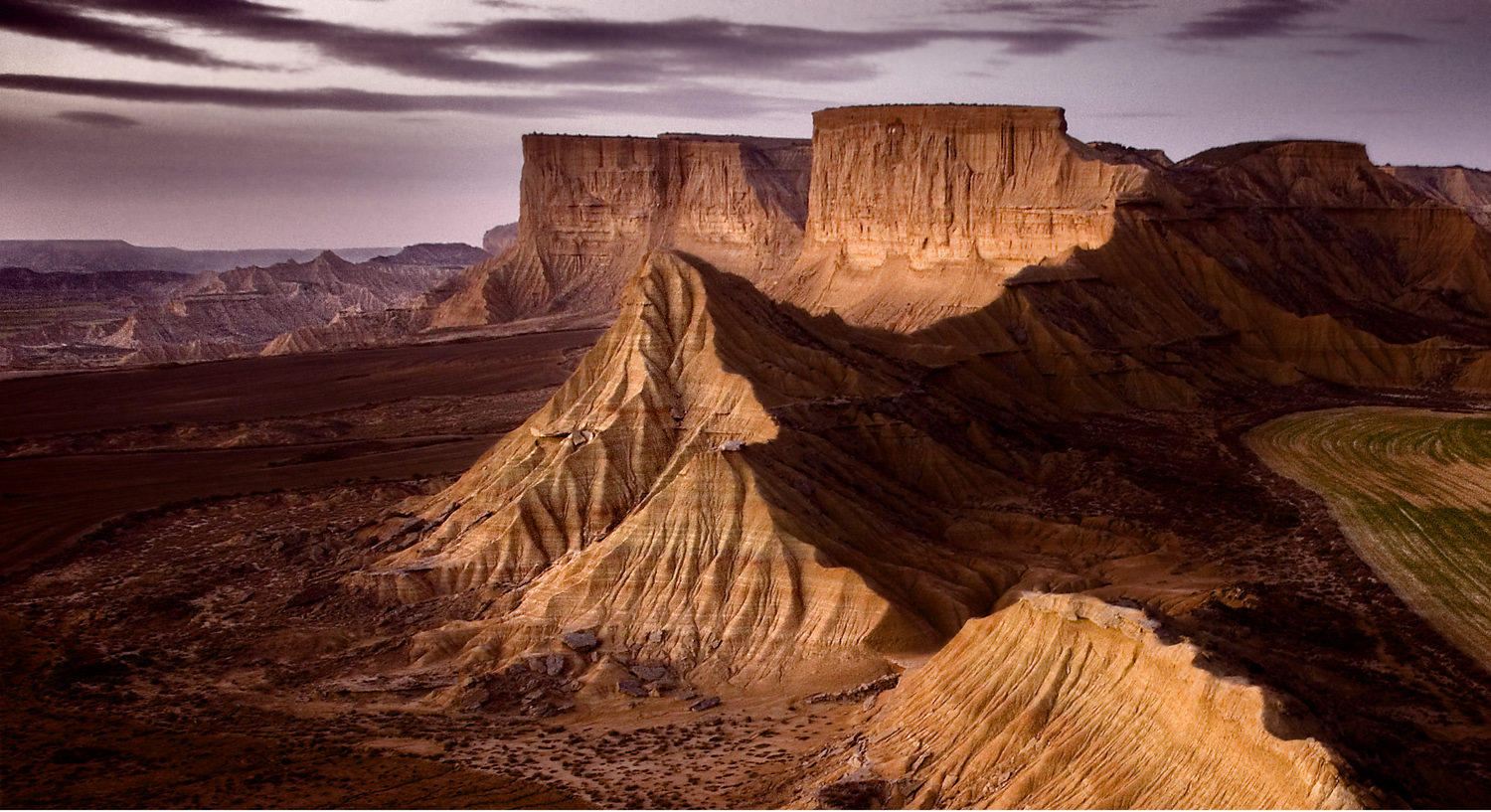
I am Chidi from the WakaAbuja team. Last spring, I spent four days driving and hiking across Bardenas Reales. The landscape feels like another planet: sharp clay ridges, gypsum plains, and the iconic Castildetierra rock formation standing alone against an endless sky.
Most online guides give you the basics. This one gives you everything you need to plan a safe, rewarding trip.
Jump to: Hours & best time | Getting there | Hiking trails | Photography guide | Stays & food | FAQ
Key takeaways
- Park opens at 8:00 AM and closes one hour before sunset—no night driving or overnight stays inside.
- Do not visit in July or August unless you go at dawn or dusk; spring (March–May) and autumn (September–October) are far better.
- You do not need a 4×4 for the main 25 km gravel loop, but the road becomes impassable after heavy rain.
- Bring at least 3 liters of water per person, a dust mask, and sturdy shoes—there are no shops or water points inside.
- Top five hikes range from 3 km family strolls to 12 km advanced routes; download GPX tracks from AllTrails before you arrive.
- Drone flights are banned without special permission due to nesting birds of prey—fines are common.
- Stay in Tudela or in cave hotels near the park for the best combination of access and amenities.
What are the exact opening hours and the best time to visit Bardenas Reales?

The park opens at 8:00 AM every day. Closing time changes with the sunset, so always check the official park website for the current sunset hour. You must exit before the gate closes—usually between 6:00 PM in winter and 9:30 PM in summer. The visitor center at Arguedas operates from 9:00 AM to 2:00 PM and 3:00 PM to 6:00 PM, but hours reduce in winter.
Fatima, our Lagos correspondent, visited in late July. She wrote: “The heat was brutal by 11 AM. My phone showed 44°C. I had to retreat to the car.” Turismo Vasco recommends summer as the best time, but that is poor advice.
Spring (March to May) brings mild temperatures, occasional wildflowers, and softer light. Autumn (September to October) offers similar conditions with fewer tourists. Winter is cold and windy, but the low sun creates dramatic shadows on the badlands.
@postcardsfromtina Is this Spain or Mars? 🌵🔥 Bardenas Reales is one of the most surreal landscapes I’ve ever seen—arid desert, sculpted rock formations, and a vast emptiness that feels like I’m on another planet 🤯 ✍🏼 Read this before you visit: 📍 Bardenas Reales, Spain (National Park opens from dawn to dusk) ⏳ Best time to visit: Sunrise or sunset for the most dramatic lighting 🚗 Getting there: Accessible by car, with designated routes for exploring 🎟️ Entrance fee: Free! This natural park is open to the public 🏜️ What to see: Castildetierra (the iconic rock formation), endless canyons, and lunar-like terrain ⚠️ Important tips: Bring water, wear sunscreen, and respect protected areas—it’s a fragile ecosystem! Would you visit this otherworldly landscape? 👀 Thanks for capturing me @furstonetravels #BardenasReales #SpainTravel #DesertVibes #spain #spainiswonderful #visitspain #visitbasquecountry #spainlovers #otherworld #otherwordly #amazinglandscapes #roadtrip
Fatima’s honest take: “If you come in summer, arrive at the 8 AM opening. You get three good hours before the heat becomes dangerous. And never start a hike after 10 AM from June to August.”
Best for photography
- Golden hour: 30 minutes after sunrise and 30 minutes before sunset.
- Blue hour: Just before sunrise and after sunset – great for Castildetierra silhouettes.
- Autumn: Lower sun angle means longer shadows across the badlands.
Worth considering for families
- May or October: Comfortable daytime highs of 20-25°C.
- Winter weekdays: Very few visitors, but pack layers and wind protection.
- Avoid August: Most local hotels run at full capacity and the heat limits outdoor time.
How do you get to Bardenas Reales? Driving directions, GPS coordinates, and public transport options
The park has three main entrance points. The most used is at Arguedas (42.1883° N, 1.5625° W). From Pamplona, take the AP-15 or A-15 south for about 90 km. Exit at Tudela (exit 65), then follow the NA-134 towards Arguedas for 12 km. The entrance is well signposted.
The second entrance, El Paso (42.1429° N, 1.4184° W), gives quick access to the Castildetierra viewpoint. The third is Fustiñana (42.0636° N, 1.4781° W) on the park’s southern edge.
Parking is free at all three entrance points and at designated pull-offs along the 25 km vehicle track. Do not park on vegetation or block farm gates.
There is no public transport inside the park. The nearest bus and train station is Tudela, served by ALSA buses from Zaragoza, Pamplona, and Madrid, and by Renfe trains on the Madrid–Barcelona line. From Tudela, you must take a taxi (about 25 euros one way to Arguedas) or rent a car. No rideshare services operate near the park.
.jpg "Bardenas Reales Natural Park and Biosphere Reserve: The Complete Visitor's Guide 2")
Chidi’s tip: “Do not rely on your phone’s GPS once inside the park. Download offline maps of Navarre before you go. The gravel tracks do not have consistent signal.”
What should you pack for Bardenas Reales, and what are the most important safety warnings?
The park has no water fountains, no shops, no medical facilities, and no phone signal in many areas. You must be self-sufficient. Pack a minimum of 3 liters of water per person for a half-day hike and 5 liters for a full day.
Sun protection is critical: SPF 50+, a wide hat, and UV-blocking sunglasses. The white gypsum soil reflects sunlight upwards, burning your chin and under your nose.
Essential gear list
Sturdy hiking boots or trail runners with deep tread – the clay becomes slippery when wet. A dust mask or buff because vehicles on the gravel road create choking dust clouds. Camera protection: use a zip-lock bag or a rain cover to keep fine gypsum dust out of your lens mechanism.
A physical map or downloaded offline GPS track. High-energy snacks. A fully charged power bank. A basic first aid kit with blister plasters.
Safety warnings we learned the hard way
Sudden weather changes are common. A sunny morning can turn into a thunderstorm with flash floods within 30 minutes. The clay roads become impassable after just 10 minutes of heavy rain. If rain starts, turn back immediately. Do not attempt to cross a dry riverbed if clouds are building upstream.
Also, summer temperatures often exceed 40°C. Heat exhaustion is a real risk. Our team now uses the “wet bulb” check: if sweat does not evaporate, stop and rest in the shade of your car.
What are the best hiking trails in Bardenas Reales? Top 5 routes with difficulty, distance, and duration
Most online articles mention only two trails. After hiking with local guides, I have identified five outstanding routes that cover the park’s diversity. You can download free GPX files from AllTrails or Wikiloc before you go. No trail marking is perfect—always carry the GPS track.
El Fraile (5 km loop)
Difficulty: Easy to moderate. Duration: 1.5 to 2 hours. The park’s most popular hike. Starts at the visitor center, climbs to the El Fraile plateau, and offers panoramic views of the Bardena Blanca. Good for families with older children.
Barranco Cortinas (3.5 km out and back)
Difficulty: Easy. Duration: 1 hour. A flat walk into a deep ravine with colorful clay walls. Best in late afternoon when the sun lights the red and orange strata. Wheelchair accessible for the first 500 meters.
Cabezo Gancho (7 km loop)
Difficulty: Moderate. Duration: 2.5 to 3 hours. This route takes you to the highest point in the eastern sector. Views of the Ebro valley and, on clear days, the Pyrenees. No shade – bring extra water.
Plana Alta (12 km loop)
Difficulty: Advanced. Duration: 4 to 5 hours. Crosses the high central plain of the Bardena Negra. Remote and rarely visited. You need solid navigation skills. No mobile signal for 90 percent of the route.
Peña del Fraile (10 km loop)
Difficulty: Moderate to advanced. Duration: 3.5 hours. Combines the El Fraile plateau with a descent into a hidden canyon. You will see griffon vultures nesting on the cliffs. Best done with a guide for the first time.
Where are the best photo spots in Bardenas Reales, and what are the drone regulations?

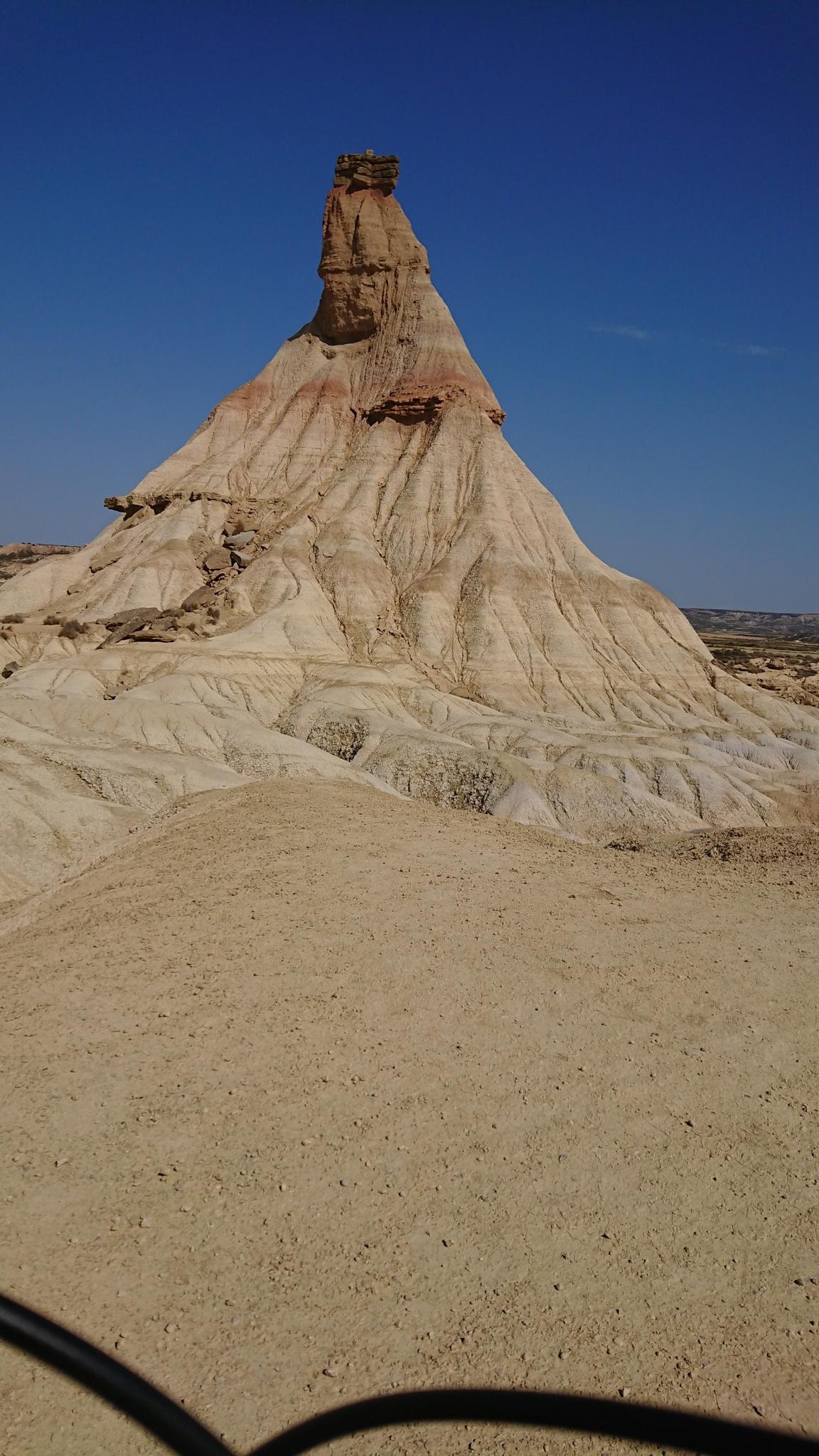
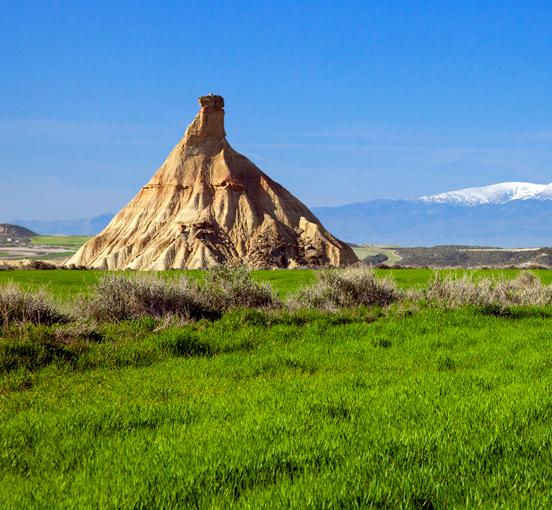
Photographers could spend a week here and never take the same shot twice. The best locations are spread across the park. Castildetierra is the icon: a clay pillar topped by a flat rock. Shoot it from the north side at sunrise for warm light on the pillar, or from the west at sunset for dramatic backlighting. Pisquerra, a natural rock arch, is best at late afternoon when the arch casts a shadow on the canyon floor.
El Plano, the vast white gypsum plain, works well for minimalist compositions. Loma Negra offers high vantage points over the entire badlands.
Drone regulations – strict
The park lies within a Special Protection Area for birds (ZEPA). Drone flights are prohibited without a written permit from the Navarre government. Permits are only granted for scientific or commercial work with proof of insurance and flight plans. I asked a ranger about fines: they start at 300 euros and can reach 3,000 euros for disturbing nesting raptors. Leave your drone at home.
Camera gear tips from our team
Gypsum dust is fine and abrasive. Change lenses inside a clean bag or not at all. A telephoto lens (200mm or longer) compresses the layered ridges. A polarizing filter reduces haze and deepens the blue sky.
For sunset, use a graduated ND filter to balance the bright sky against the dark foreground. Bring a sturdy tripod – the wind often gusts to 40 km/h.
What wildlife can you see in Bardenas Reales? Birds of prey, steppe birds, and mammals

Biosphere Reserve status exists partly because of the park’s role as a migratory bird corridor. Over 24 species of raptors nest here. Griffon vultures are the most visible—you will see them circling the cliffs near Peña del Fraile. Golden eagles and peregrine falcons hunt over the open plains.
On the ground, watch for great bustards (the heaviest flying bird in the world) in the cereal fields bordering the park. Mammals include red foxes, European wildcats, and genets—all nocturnal, so you will need luck or a dawn stakeout.
Best wildlife watching spots: El Paso viewpoint at dawn for raptors leaving their roosts. The Plana Alta trail in late autumn for migrating birds. The southern edge near Fustiñana is for steppe birds. Always stay on marked trails; nesting season (March to July) means sensitive zones where entry is banned.
How did 15 million years of erosion create the Bardenas Reales badlands?
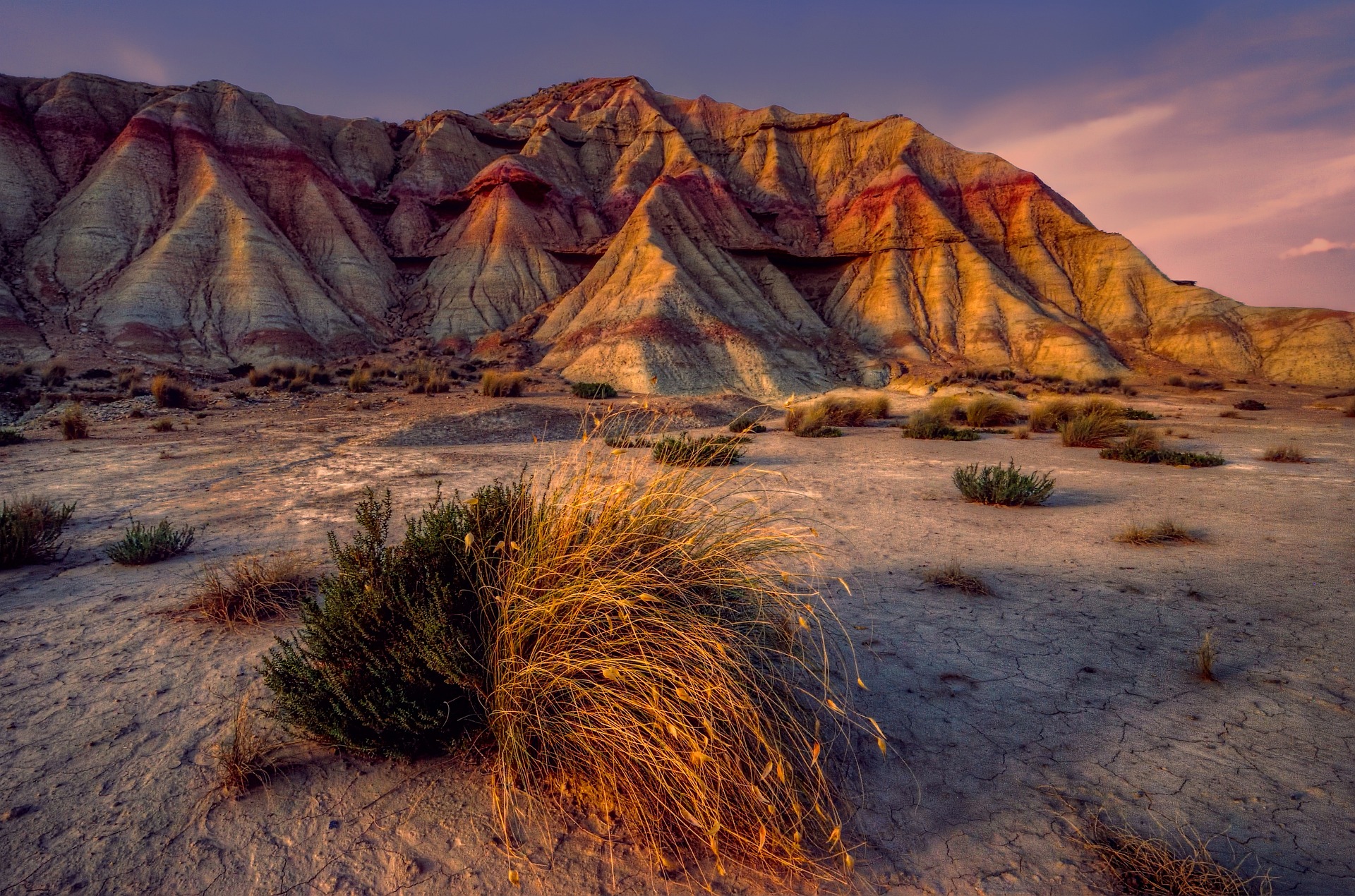
The park divides into three geological zones. Bardena Blanca (the white Bardenas) consists of gypsum and marl. Rain dissolves the gypsum, creating sharp, white ridges. Bardena Negra (the black Bardenas) is darker because of iron-rich clays and sandstones.
El Plano sits between them—a flat, salt-crusted plain that was once the bottom of an ancient lake. Over 15 million years, the Ebro River basin filled with sediments. Then the Pyrenees rose, tilting the land and allowing water to carve the soft rock into the current badlands. You can see this process in action: after every heavy rain, new gullies form.
Pro tip: The best place to see the contrast between Bardena Blanca and Bardena Negra is from the Rincón del Bú viewpoint. The white gypsum hills sit next to dark clay ridges in a single frame.
What are the best nearby attractions and day trips from Bardenas Reales?
Tudela is the natural base town, just 15 minutes from the Arguedas entrance. Spend an afternoon in the historic quarter: the Cathedral of Santa María (Romanesque and Gothic) and the Plaza de los Fueros.
Tudela is also famous for its vegetable gardens; try the local artichokes and asparagus. Olite, 30 km north, has a spectacular 15th-century castle that looks like a fairy tale. The castle is open daily and costs 4.50 euros. Sendavina, a family adventure park near Valtierra, has zip lines, climbing walls, and a ropes course—perfect for a rest day.
The Monastery of La Oliva, a Cistercian monastery from the 12th century, offers quiet stone cloisters and a functioning church. Bardenas Aventure, based in Arguedas, runs 4×4 tours and bike rentals if you want a guided experience.
Where should you stay and eat near Bardenas Reales? Cave hotels, pet-friendly options, and local dishes
Unique accommodation
- Cuevas de Bardenas: Cave rooms carved into a hillside. Cool in summer, warm in winter. Book months ahead.
- Hotel Aire de Bardenas: Minimalist design with floor-to-ceiling windows facing the badlands. Has a pool.
- Alma Dezerto: Eco-friendly geodesic domes near the park entrance. Great for stargazing.
Pet-friendly hotels
- Hotel Santa Ana (Tudela): Allows dogs up to 15 kg for a small fee.
- Casa Rural Abuelo Fidel (Arguedas): Rural house with a fenced garden.
Where to eat
Le Bristot in Tudela serves modern Navarrese cuisine with an excellent wine list. Restaurante Bardenas in Arguedas specializes in grilled meats and migas de pastor (fried breadcrumbs with chorizo).
La Cabaña food truck parks near the Castildetierra viewpoint on weekends—good for a quick lunch. Do not leave without trying cordero al chilindrón (lamb stewed with peppers and tomato) and Tudela vegetables (grilled artichokes, asparagus, and piquillo peppers).
What guided tours and activities are available in Bardenas Reales? 4×4, buggy, horseback, and balloon flights
@postcardsfromtina Is this Spain or Mars? 🌵🔥 Bardenas Reales is one of the most surreal landscapes I’ve ever seen—arid desert, sculpted rock formations, and a vast emptiness that feels like I’m on another planet 🤯 ✍🏼 Read this before you visit: 📍 Bardenas Reales, Spain (National Park opens from dawn to dusk) ⏳ Best time to visit: Sunrise or sunset for the most dramatic lighting 🚗 Getting there: Accessible by car, with designated routes for exploring 🎟️ Entrance fee: Free! This natural park is open to the public 🏜️ What to see: Castildetierra (the iconic rock formation), endless canyons, and lunar-like terrain ⚠️ Important tips: Bring water, wear sunscreen, and respect protected areas—it’s a fragile ecosystem! Would you visit this otherworldly landscape? 👀 Thanks for capturing me @furstonetravels #BardenasReales #SpainTravel #DesertVibes #spain #spainiswonderful #visitspain #visitbasquecountry #spainlovers #otherworld #otherwordly #amazinglandscapes #roadtrip
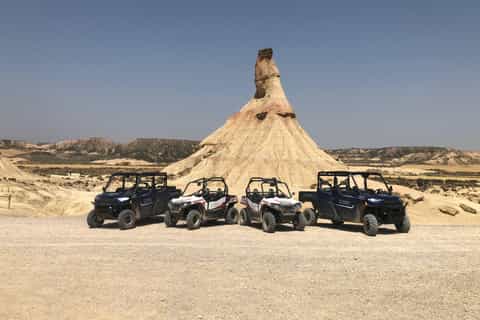
You can explore the park on your own, but a guided tour unlocks off-track areas that are closed to private vehicles. Bardenas Aventure and Bardenas Experience offer 3.5 to 4 hour 4×4 tours for 40 to 60 euros per person. The guides speak English and Spanish and know the best photography spots.
Buggy and quad tours cost 90 to 150 euros for a two-seater. E-bike tours are quieter and better for wildlife watching. Balloon flights operate at sunrise from March to November, costing 180 to 250 euros per person. Sunset tours in a 4×4 are less crowded and have cooler temperatures.
Our recommendation: Book a sunset 4×4 tour if you only have one day. You cover more ground than hiking, and the guide will take you to the best viewpoints without the guesswork. Check GetYourGuide for prices and availability.
What events and festivals happen in and around Bardenas Reales?
Plan your trip around one of these local events for a richer experience. The Transhumance Festival (mid-September) reenacts the medieval sheep migration routes through the park. Shepherds bring thousands of sheep across the badlands, accompanied by traditional music.
The Fiesta de las Bardenas (first weekend of June) celebrates the park’s anniversary with guided hikes, stargazing sessions, and local food markets. Extreme Bardenas (October) is a mountain bike race covering 100 km of park trails. Sanmiguelada (September 18) gathers sheep from summer pastures in the Pyrenees down to Tudela—you can watch the livestock pass through the city streets.
Why is Bardenas Reales a UNESCO Biosphere Reserve?
UNESCO designated Bardenas Reales as a Biosphere Reserve in 2000 under the Man and the Biosphere program. The status recognizes the balance between human activity (mainly dryland farming and shepherding) and the fragile semi-desert ecosystem.
Unlike a national park, a biosphere reserve has three zones: core (no disturbance), buffer (limited access), and transition (sustainable farming). Most visitors stay in the buffer zone. The designation also highlights the park’s importance as a migratory bird corridor between Africa and Europe. Data from the park shows that over 100 bird species use the reserve during migration seasons.
What is the history behind the name ‘Bardenas Reales’ and the Sanchicorrota legend?
‘Reales’ means ‘royal’ in Spanish. The Crown of Navarre owned this land from the Middle Ages until the 19th century. It was a royal hunting ground and a source of gypsum and salt. Local shepherds had rights to graze their flocks, but only under strict royal rules.
The most famous outlaw of the Bardenas was Sanchicorrota, a 15th-century bandit who hid in the canyons and robbed travelers. Legend says he could ride his horse through the narrowest ravines. When he was finally captured and executed, his ghost still rides the badlands on windy nights. The park uses his name for a viewpoint: Mirador de Sanchicorrota.
The transhumance tradition continues today. Every year, thousands of sheep walk the old drovers’ roads from the Pyrenees to the Ebro valley, passing through the park. You can see stone shepherd huts (chozos) scattered across the landscape.
How accessible is Bardenas Reales for travelers with special needs?
The park itself has limited wheelchair access. The first 500 meters of the Barranco Cortinas trail are paved and flat. The Castildetierra viewpoint has a raised platform with a ramp. Most other viewpoints require walking on gravel or sand. The visitor center in Arguedas has accessible restrooms and a ramp entrance.
For accommodation, RuralSuite in Tudela specializes in fully accessible rooms with roll-in showers and lowered counters. Service animals are permitted throughout the park, but they must remain on a leash at all times. If you need a wheelchair-accessible guided tour, contact Bardenas Aventure at least two weeks in advance—they have one adapted 4×4 vehicle.
What are the best tips for visiting Bardenas Reales with children?
Children love the Martian landscape, but the heat and lack of facilities require planning. Stick to short hikes: Barranco Cortinas (3.5 km) and the El Fraile viewpoint (2 km round trip) are best for ages 5 and up. Bring a spray bottle to mist faces and necks. Start your visit exactly at 8:00 AM and finish by noon.
Tudela’s Sendavina adventure park is a great reward after a morning in the park – kids can climb, zip-line, and cool off in the splash zone. Book a night at Cuevas de Bardenas; the cave rooms feel like an adventure and stay naturally cool. Do not attempt the Plana Alta or Peña del Fraile trails with children under 12 – those are too long and exposed.
Can you work remotely from Tudela? A digital nomad guide to Bardenas Reales
Tudela has become a quiet hub for remote workers. The city has fiber optic internet with average speeds of 300 Mbps. Coworking spaces: La Nave Tudela (20 euros per day) and Impact Hub Tudela (15 euros per day). Cafes with reliable WiFi: Café de la Ópera and La Bohemia.
For longer stays, look for monthly rentals on Vrbo or Booking.com—many have dedicated workspaces. The standard routine among nomads is to work from 8 AM to 2 PM, then explore the park in the late afternoon (4 PM to sunset). The time zone (CET/CEST) aligns well with most European clients.
Packing checklist and pro tips: what to bring and what to leave behind
Essential items
3-5 liters of water per person, high-SPF sunscreen (reapply every two hours), lip balm with SPF, wide-brimmed hat, UV sunglasses, sturdy closed-toe shoes, dust mask or buff, camera with lens cleaning kit, offline GPS maps, physical map, power bank, first aid kit (blister care, electrolyte tablets, painkillers), snacks (nuts, dried fruit, energy bars), fully charged phone, and car charger.
Recommended but not essential
Trekking poles (help on loose gravel), binoculars (for bird watching), headlamp (for sunrise or sunset hikes), portable toilet paper (no restrooms on trails), and a small umbrella (for sudden rain or extra sun shade).
Prohibited activities—do not do these
No camping or sleeping in your car inside the park. No climbing on the clay formations – they collapse easily. No collecting rocks, fossils, or plants. No flying drones without a permit. No fires or BBQs. No loud music or events without written permission. No driving off the designated tracks. The park rangers issue fines on the spot.
Vehicle advice
A standard sedan is fine on the 25 km perimeter track if the weather is dry. After rain, the clay becomes like soap. If you see standing water on the road, do not drive through it—the clay underneath may be eroded. Four-wheel drive gives you no advantage on wet clay, only on loose gravel. The park closes the vehicle track automatically during or after heavy rain; check the official park website for real-time closures.
Seasonal guide to Bardenas Reales: month by month
Spring (March to May): Best overall. Temperatures are 15-25°C. Occasional green vegetation and small wildflowers. Migratory birds arrive. Trails are dry. Crowds are moderate. April has the most pleasant weather.
Summer (June to August): Avoid daytime. Temperatures are 35-45°C. No shade. The park is empty between 11 AM and 6 PM. If you must go, enter at 8 AM and leave by 11 AM, or enter at 6 PM and leave at sunset. Drink 500 ml of water per hour.
Autumn (September to November): Excellent for photography. Temperatures are 15-28°C. September is still warm; October is perfect. Lower sun angle creates long shadows. Fewer tourists than spring. Rain becomes more likely in November.
Winter (December to February): Cold and windy. Temperatures are 0-12°C. Strong winds (often 40 km/h) make the real feel much colder. Snow is rare but possible. The park is very quiet. Best for solitude and bird watching.
What are the most important rules and regulations in Bardenas Reales?
Beyond the basics (no camping, no fires, dogs leashed), there are specific rules that visitors often miss. Hunting season runs from October to January in designated zones. During this time, some trails are closed on weekends. Always check the closure list at the visitor center.
Rain warnings: if the park has received more than 10 mm of rain in 24 hours, all vehicle tracks close until they dry. This can take two to three days. Groups of more than 15 people must request permission from the park office at least 10 days in advance. Commercial photography and filming require a permit and liability insurance.
The speed limit on the gravel track is 30 km/h—fines for speeding start at 100 euros. Do not feed any wildlife; it is illegal and harms the animals.
What is the weather and climate like in Bardenas Reales?
The park has a semi-arid climate with Mediterranean influences. Average annual rainfall is only 350 mm, most of which falls in spring and autumn. Summer average highs range from 28°C in June to 40°C in July and August. Winter average lows range from 0°C to 5°C.
Wind is a constant factor; the Cierzo wind from the northwest often blows at 30-50 km/h. The combination of wind and dry soil creates dust storms several times per year. When rain does arrive, it is often intense, causing flash floods. Never set up camp in a dry riverbed. The best weather apps for the area are AEMET (Spain’s official meteorological agency) and Windy.com.
Frequently asked questions
Is Bardenas Reales a desert or a semi-desert?
Bardenas Reales is a semi-desert, not a true desert. True deserts receive less than 250 mm of rain per year. Bardenas averages 350 mm, which supports some grasses, shrubs, and seasonal wildflowers. However, the eroded clay and gypsum landscape often looks more arid than a true desert.
Do you need a 4×4 vehicle to drive inside the park?
No. The main 25 km perimeter track is gravel and suitable for any car in dry conditions. After rain, even a 4×4 cannot safely drive on the wet clay. The park closes the road when rain makes it dangerous. Do not attempt off-road driving; it is illegal and damages the fragile soil.
Can you stay overnight inside the park?
No. Overnight camping, sleeping in your car, and overnight stays are strictly prohibited. The park gates lock one hour after sunset. The nearest accommodation is in Arguedas, Valtierra, or Tudela, all within a 15-minute drive of the entrances.
Is entry to Bardenas Reales free?
Yes. The park has no entrance fee. The vehicle track, viewpoints, and hiking trails are all free to access. The visitor center at Arguedas is also free. Some guided tours and the parking at the visitor center (2 euros per day) are the only paid services.
What movies were filmed in Bardenas Reales?
The park has served as a filming location for several major productions. Most famously, it stood in for Tatooine in ‘Star Wars: The Force Awakens’ (2015). Other films include ‘The Fall’ (2006), ‘The Count of Monte Cristo’ (2024), and the TV series ‘The Witcher’ (second season). The landscape works as a stand-in for other planets or historical wastelands.
Is Bardenas Reales pet-friendly?
Yes, but with strict rules. Dogs must be on a leash no longer than 2 meters at all times. You must clean up after your pet. Dogs are not allowed inside the visitor center or on guided group tours (except certified service animals). The summer heat makes it dangerous for dogs—do not bring them between 11 AM and 6 PM from June to August.
How do you pronounce ‘Bardenas Reales’ correctly?
In Spanish: Bar-DEH-nas Reh-AH-les. ‘Bardenas’ has the stress on the second syllable. ‘Reales’ is two syllables: Reh-AH-les, with the stress on the second syllable. In English, most guides say ‘bar-DAY-nas ray-AH-lace.’
Plan your trip: booking platforms we trust
The WakaAbuja team tests each platform regularly. We recommend these for their transparency, customer service, and competitive prices. Always double-check cancellation policies before booking.