Everglades National Park: What to Know Before You Go, Fees, Entrances, and the Best Time to Visit
Everglades National Park has three separate entrances, and they are not connected by any road inside the park. The standard entrance fee is $35 per private vehicle for seven days (confirm current rates on the official NPS site). International visitors aged 16 and over now pay an additional $100 surcharge on top of the standard fee (check the NPS passes page for the latest).
I have driven the Tamiami Trail at 6am with fog rolling off the sawgrass, watched a crocodile glide past a kayak in Florida Bay, and hiked the Anhinga Trail in July when the mosquitoes sounded like a small aircraft. The Everglades is not one place. It is three entirely different experiences that happen to share a name, a fee system, and a whole lot of water.
Most first-time visitors get this wrong. They pick an entrance because it looks close on a map, drive there, and then realize the other two places they wanted to see are two hours away on the opposite side of the state. I have seen families try to do Shark Valley and Flamingo in the same afternoon. Do not be that family.
Jump to: Which entrance to use | Fees and costs | Best time to visit | How many days | Top things to do | Mistakes to avoid | FAQ
Key takeaways
- The park has three main entrances: Homestead (east), Shark Valley (northeast), and Gulf Coast at Everglades City (west). They are 1.5 to 2 hours apart by car and not connected inside the park.
- Standard entrance is $35 per vehicle for seven days. Non-U.S. residents aged 16 and over pay an extra $100 surcharge as of January 1, 2026 (confirm current rates on the official NPS site).
- Dry season runs November through April. Wildlife concentrates at water holes, mosquitoes are manageable, and ranger programs are in full swing.
- Wet season runs May through October. Expect 90°F heat, daily thunderstorms, and peak mosquito activity. Fewer crowds and dramatic skies are the trade-off.
- A full day is enough for one entrance area. Two to three days let you properly experience two different ecosystems.
- Airboat rides do not operate inside the main park. They run from operators along the Tamiami Trail just outside Shark Valley .
- Book popular tours and hotels near the entrances well ahead during dry season weekends.
Which entrance should you use for Everglades National Park?
The answer depends entirely on what you want to see and how much driving you are willing to do. The park is a drive-in destination, not a drive-through one. No roads connect the entrances, so you exit the park to move between them.
Here is how the three main entrances compare in practice.
Shark Valley entrance
- Best for first-timers and day trippers from Miami
- 15-mile paved loop for tram or bike
- Observation tower with 360-degree views
- Closest entrance to Miami International Airport
- Near-guaranteed alligator sightings from the path
Homestead entrance
- Best for the classic River of Grass experience
- Access to Anhinga Trail and Royal Palm
- 38-mile scenic drive to Flamingo on Florida Bay
- Camping at Long Pine Key and Flamingo
- More trails and visitor centers than other entrances
Gulf Coast entrance
- Best for kayaking the Ten Thousand Islands
- Boat tours through mangrove mazes
- Manatee and dolphin sightings
- Remote feel with fewer crowds
- 2 hours from Miami, plan a full day
Maya’s honest take: “If you only have one day and you are coming from Miami, pick Shark Valley and stop overthinking it. If you have two days, do Shark Valley one day and the Homestead entrance the next. Do not try to add Gulf Coast unless you have three full days and a strong tolerance for driving.”
How much does it cost to enter Everglades National Park?
Standard entrance is $35 per private vehicle and covers seven consecutive days. Motorcycles pay $30, and individuals arriving on foot or by bike pay $20. Children under 16 are admitted free .
The important change for international visitors: starting January 1, 2026, non-U.S. residents aged 16 and over without an annual pass must pay an additional $100 surcharge per person on top of the standard entrance fee. This applies at Everglades and ten other high-traffic parks. The international annual pass now costs $250 instead of $80.
Maya’s honest take: “That $100 surcharge is a real budget swing for international families. If you are visiting multiple national parks this year, the $250 international annual pass starts making sense after two or three park visits. Run the math before you pay the surcharge at every gate.”
Worth knowing
- The park is cashless. Bring a card or buy a digital pass in advance
- Camping at Long Pine Key or Flamingo runs roughly $30 per night for standard sites (confirm current rates on Recreation.gov)
- Backcountry permits and chickee platforms have separate fees
- Ranger-led programs are included with entrance
Skip if
- You already have an America the Beautiful pass (but international visitors still pay the surcharge unless they hold the $250 international pass)
- You are only visiting Big Cypress National Preserve, which is a separate entity with no entrance fee
What is the best time to visit Everglades National Park?
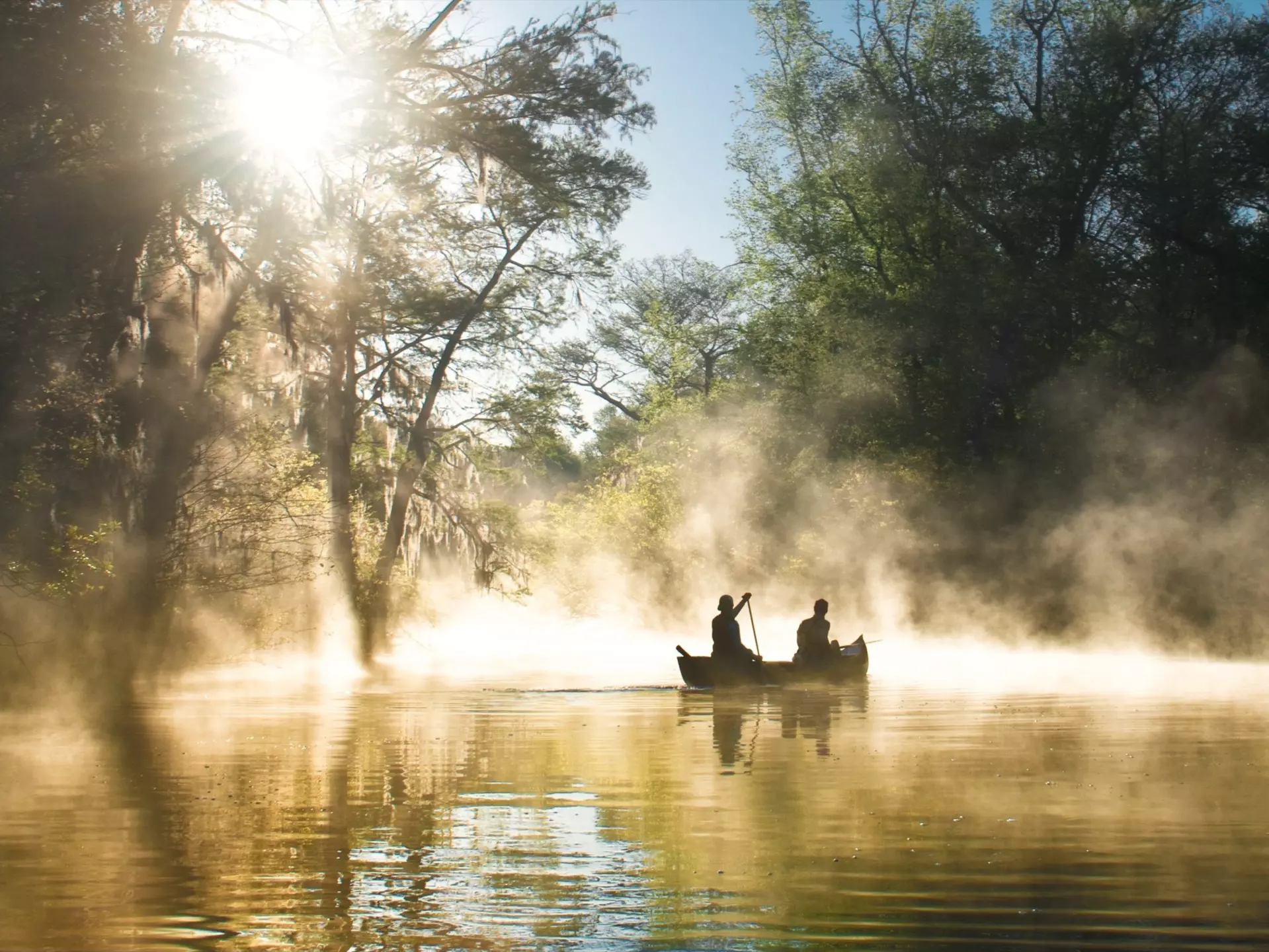
Dry season, November through April, is the best time for most visitors. Temperatures sit between 50 and 75°F, humidity drops, and wildlife congregates around shrinking water sources. Ranger programs, tram tours, and boat tours all run at full capacity .
Wet season, May through October, is a different animal. Temperatures hit 90°F with humidity over 90 percent. Afternoon thunderstorms roll through almost daily. Mosquitoes hatch in staggering numbers. But the park is green, the crowds vanish, and the cloud formations are spectacular .
Dry season (November to April)
- Comfortable temperatures, low humidity
- Wildlife concentrated at water holes
- Lowest mosquito activity
- All tours and programs running
- Busiest during holidays and spring break
Wet season (May to October)
- Hot and humid, daily thunderstorms
- Peak mosquito activity, especially in shade
- Fewer visitors, lower accommodation demand
- Lush green landscapes and dramatic skies
- Hurricane season, monitor forecasts
For a deeper look at what each season actually feels like on the ground, the Florida National Parks Association breaks down the wildlife and weather patterns month by month.
How many days do you need in Everglades National Park?
One full day lets you properly experience one entrance area. Two days lets you see two different ecosystems. Three days is comfortable. Beyond that, you are either a serious paddler, a camper, or someone who really loves mosquitoes.
Half day: the sampler
Drive to Shark Valley from Miami. Take the two-hour tram tour around the 15-mile loop. Climb the observation tower. Drive back. You will see alligators, wading birds, and the River of Grass. You will not see the mangrove estuaries, Florida Bay, or the Ten Thousand Islands. That is the trade-off .
One day: pick a side
Choose Shark Valley or the Homestead entrance, not both. Shark Valley gives you the tram, the tower, and the classic sawgrass views. Homestead gives you the Anhinga Trail, the drive to Flamingo, and access to Florida Bay. If you have a rental car and start early, either works as a long day trip from Miami .
Two to three days: the proper visit
Day one at Shark Valley. Day two at the Homestead entrance and Royal Palm. Day three at Gulf Coast for a kayak or boat tour through the Ten Thousand Islands. This covers the freshwater, the brackish, and the saltwater sides of the park. It is the itinerary I recommend to anyone who asks .
What should you actually do in Everglades National Park?
These are the experiences that justify the drive, organized by area so you can plan around whichever entrance you choose.
Shark Valley: tram, bike, tower
The 15-mile loop is the single most efficient way to see the park’s interior without a boat. The guided tram tour takes about two hours and covers the ecology, the history, and the wildlife. If you prefer to move under your own power, rent a bike and ride the loop. Either way, the observation tower at the halfway point gives you a 360-degree view over the sawgrass that makes the scale of the park finally click .
Royal Palm and the Anhinga Trail
The Anhinga Trail is a boardwalk over a marsh that delivers more wildlife per square foot than almost anywhere else in the park. Alligators rest under the boardwalk. Anhingas dry their wings on the railings. Herons and egrets hunt in the shallows. It is short, accessible, and genuinely spectacular .
Flamingo and Florida Bay
The 38-mile drive from the Homestead entrance to Flamingo ends at a visitor center on the edge of Florida Bay. From here, boat tours head into the backcountry, kayak rentals are available, and manatees sometimes surface near the marina. This is also where the campground sits, with eco-tents and houseboat options for overnight stays .
Gulf Coast and the Ten Thousand Islands
From Everglades City, paddle or take a boat tour through a maze of mangrove islands. The water is calm, the birdlife is constant, and the silence is the kind you only get when there is no road for miles. Roseate spoonbills, ospreys, and dolphins are regular sightings .
For guided tours that handle the logistics, GetYourGuide lists boat, kayak, and walking options across all three entrance areas.
How do you plan an Everglades trip without wasting a day?
Pick your entrance before you book anything
Your hotel or rental should be near the entrance you plan to use. Staying in Miami and trying to do Gulf Coast is a two-hour drive each way. Staying in Homestead puts you 15 minutes from the main park road. Match your base to your plan, not the other way around.
Book tours in advance during dry season
Tram tours, boat tours, and kayak rentals fill up on weekends and holidays from December through April. Reserve through the operator or a platform like GetYourGuide before you arrive.
Bring more water than you think you need
There is limited potable water inside the park. The visitor centers have some, but between them, you are on your own. I carry at least two liters per person for a half-day, more in wet season.
Check the NPS alerts page before you drive
The National Park Service conditions page lists road closures, trail closures, and wildlife advisories. I have seen the Flamingo road close for flooding with no warning at the gate. Check before you commit to the drive.
What mistakes should you avoid at Everglades National Park?
Assuming the entrances are close together
They are not. Shark Valley to Homestead is roughly 1.5 hours. Homestead to Everglades City is about 2 hours. People show up expecting to hop between them and lose half their day in the car .
Expecting airboat rides inside the park
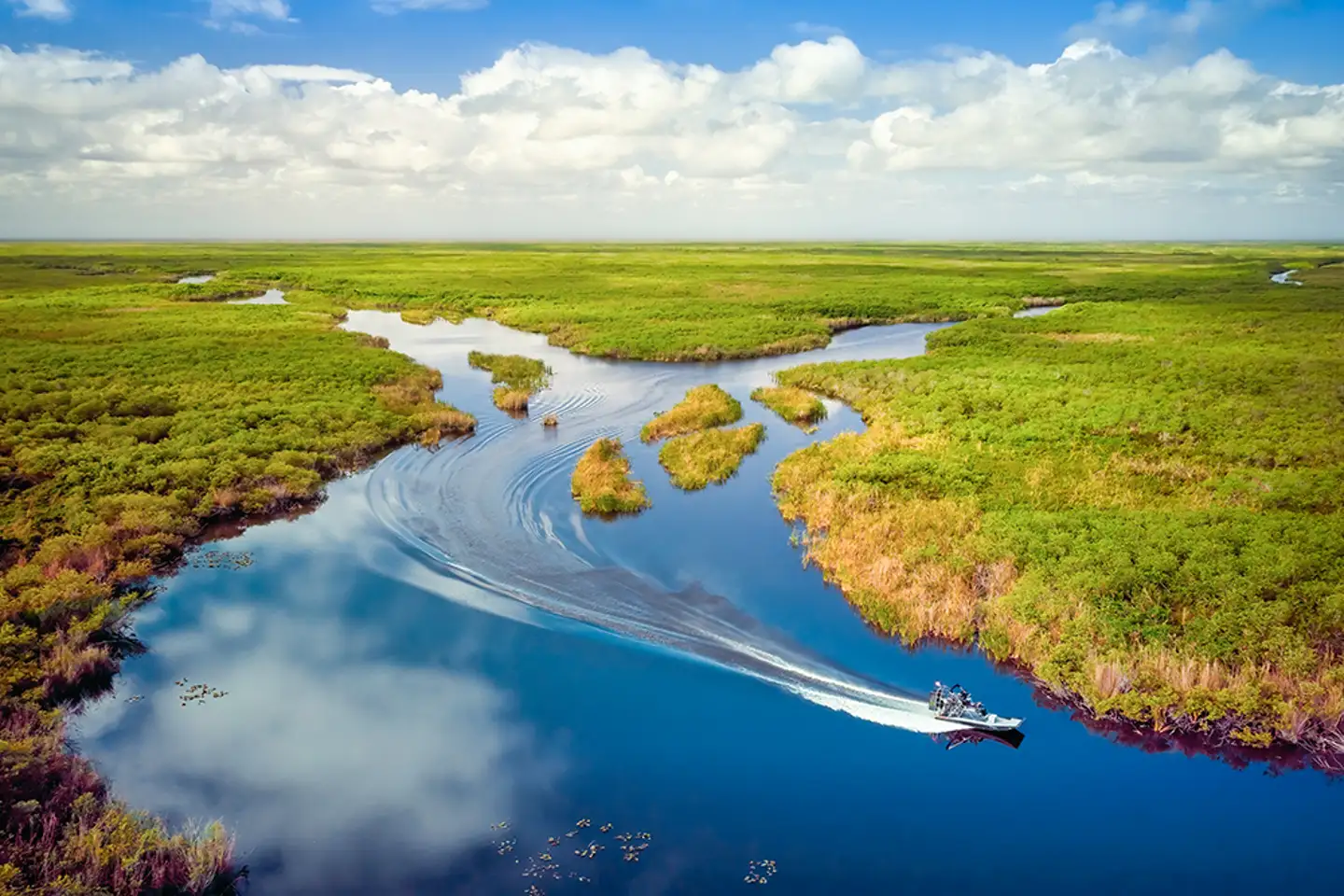
Airboats do not operate within the national park’s Homestead section or at Shark Valley. The famous airboat tours run from private operators along the Tamiami Trail outside the park boundary. This is a common source of confusion .
Underestimating mosquitoes in wet season
I have hiked the Mahogany Hammock Trail in July and watched people turn around within 200 feet because they were not prepared. Long sleeves, long pants, and DEET-based repellent are not optional in summer. Shady areas with standing water are the worst .
Forgetting the park is cashless
Bring a card. The entrance stations do not take cash. If you arrive without a card or a pre-purchased pass, you will be turned around .
Trying to do too much in one day
One entrance per day is the rule. If you try to do Shark Valley in the morning and Flamingo in the afternoon, you will spend more time driving than looking at anything.
Ignoring the heat in summer
Wet season heat is genuinely dangerous if you are not acclimated. Plan hikes for early morning. Carry water. Know the signs of heat exhaustion.
Not checking for the international surcharge if you are visiting from abroad
If you hold a non-U.S. passport and you are 16 or older, budget an extra $100 per person on top of the standard entrance fee. This applies as of January 1, 2026 .
Frequently asked questions
How much does it cost to enter Everglades National Park?
Standard entrance is $35 per private vehicle for seven days (confirm current rates on the official NPS site). Motorcycles pay $30, individuals on foot or bike pay $20, and children under 16 are free. International visitors aged 16 and over pay an additional $100 surcharge as of January 1, 2026 .
Which entrance should I use for Everglades National Park?
Use Shark Valley if you are coming from Miami for a day trip and want the tram loop and observation tower. Use Homestead if you want the Anhinga Trail and the drive to Flamingo. Use Gulf Coast if you want kayaking and boat tours through the Ten Thousand Islands. The three are 1.5 to 2 hours apart .
What is the best time of year to visit Everglades National Park?
Dry season, November through April, offers the most comfortable weather, the best wildlife viewing, and the lowest mosquito activity. Wet season, May through October, brings heat, humidity, thunderstorms, and fewer crowds. For most first-time visitors, dry season is the right call .
How many days do I need in Everglades National Park?
One full day per entrance area. Two to three days lets you see the freshwater sawgrass, the mangrove estuaries, and Florida Bay without rushing. A half day at Shark Valley is enough for a taste if you are short on time .
Can I do an airboat ride inside Everglades National Park?
No. Airboats do not operate inside the national park’s main sections. The airboat tours run from private operators along the Tamiami Trail, just outside the park boundary near Shark Valley .
Is Everglades National Park worth visiting?
Yes, for the right expectations. It is not a scenic drive park like Yellowstone. It is a wetland wilderness you experience on foot, by boat, or by bike. If you engage with it on those terms, it delivers wildlife encounters that few other places in North America can match.
Do I need a reservation to visit Everglades National Park?
No general entry reservation is required. However, camping, backcountry permits, and some tours should be booked in advance, especially during dry season weekends and holidays. Check Recreation.gov for camping availability .
Plan your trip: booking platforms we trust
I use these platforms because they consistently surface the best available rates and have straightforward cancellation policies. For this trip, book accommodation near the entrance you plan to use, not in a random part of Miami.
Booking.com
General hotel search, best for Homestead and Florida City stays near the main entrance.
Agoda
Strong for Asian hotel deals, useful if you are combining this trip with other destinations.
Expedia
Flight and hotel packages if you are flying into Miami and need both sorted together.
GetYourGuide
Boat tours, kayak rentals, and airboat experiences across all three entrance areas.
Kayak
Flight price comparison if you are still deciding which airport to fly into.
WakaAbuja does its best to keep all information accurate at the time of publishing. Prices, policies, and availability change regularly. Always verify with official sources before you travel. We are not liable for errors caused by outdated information. Travel insurance is strongly recommended.