advertisement
Planning your next adventure? Explore the 20 best tourist attractions in the world, with expert guidance on costs, ideal travel times, and what makes each destination worth the journey.
Fact-Checked By: Maya Whitfield—Senior Travel Editor at WakaAbuja
The world’s best tourist attractions span ancient wonders, natural landmarks, modern architecture, and cultural icons. The most visited single attraction is the Forbidden City in Beijing, with over 17 million annual visitors, but the Eiffel Tower, Great Wall of China, and Machu Picchu are the most consistently searched and photographed. Entry costs range from free for many parks and public squares to over 300 SEK for iconic structures like the Burj Khalifa (confirm the latest price directly with the operator).
I have stood in line at the Eiffel Tower at 8 a.m. and still waited 45 minutes. I have also walked into the Forbidden City with a pre-booked ticket and felt like I had the place to myself for the first hour. The difference between a good trip and a frustrating one is not the attraction itself.
It is the timing, the ticket strategy, and knowing what it actually costs before you go. This list gives you all three for 20 of the best tourist attractions on Earth.
Jump to: Comparison Table | Ancient Wonders | Natural Landmarks | Modern Icons | Cultural Landmarks | Mistakes to Avoid | FAQ
Key takeaways
- Book ahead for the big three. The Eiffel Tower, Forbidden City, and Machu Picchu all sell out or require timed entry during peak months.
- Free does not mean empty. Central Park, the National Mall, and many plazas are free but packed on weekends. Go early or late.
- Costs vary wildly by region. Southeast Asia and South America offer world-class attractions at a fraction of European or Middle Eastern prices.
- Shoulder season is the real best time. April to May and September to October beat summer crowds and winter closures at most sites.
- Package tickets rarely save money. Do the math before buying a city pass or combo ticket. Often you will not use every entry.
- The most famous attraction is not always the best experience. The Forbidden City and Machu Picchu beat the Eiffel Tower for crowd flow and atmosphere on most days.
World Tourist Attractions: Quick Comparison
If you only have 60 seconds, this table gives you the regional spread, cost tier, and best months for all 20 attractions. Prices are approximate adult entry fees and shift by season (confirm the latest price directly with the operator).
Ancient Wonders
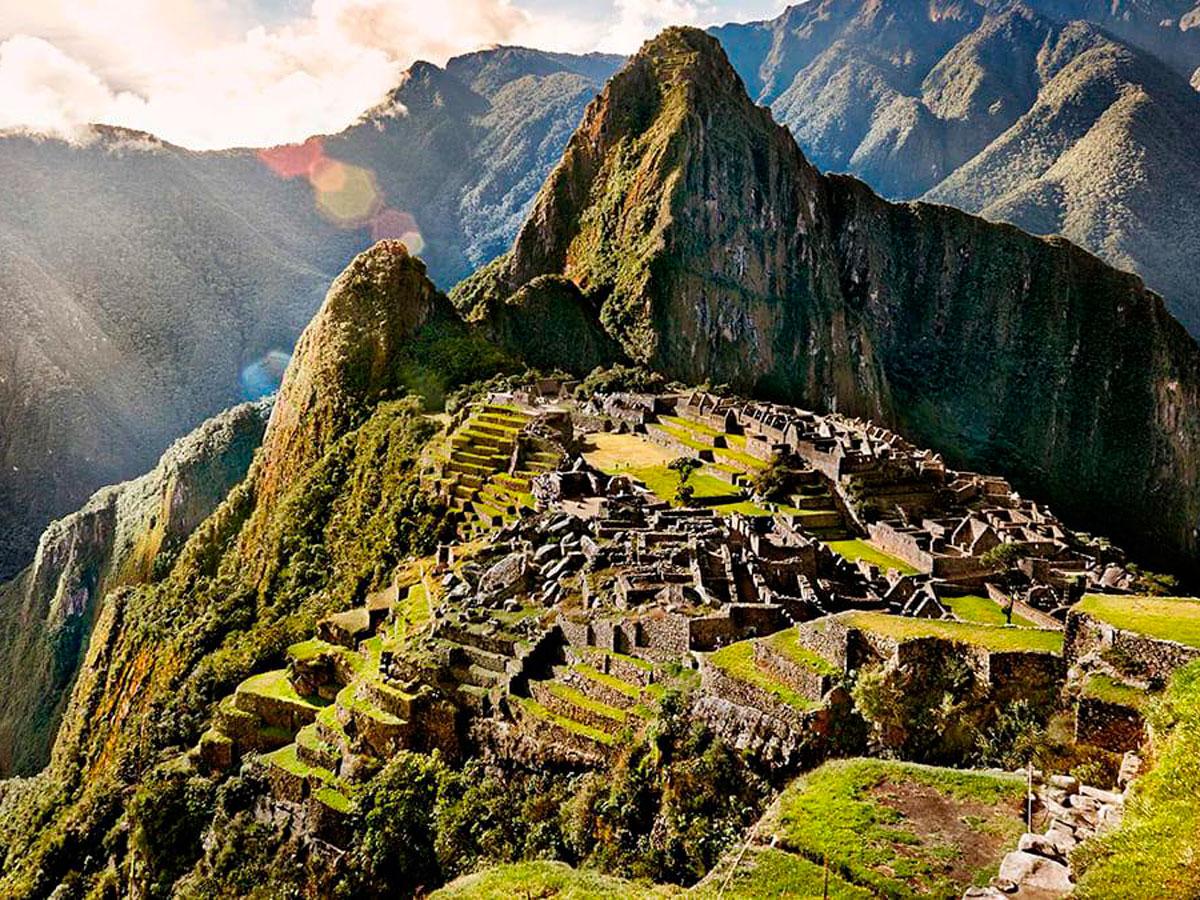
Machu Picchu, Peru: $$$ | May to September
Great Wall of China: $$ | April to May, September to October
Petra, Jordan: $$$ | March to May, September to November
Colosseum, Italy: $$ | April to June, September to October
Chichen Itza, Mexico: $$ | November to March
Natural Landmarks
Grand Canyon, USA: $$ | March to May, September to November
Iguazu Falls, Argentina/Brazil: $$ | March to May, August to October
Great Barrier Reef, Australia: $$$ | June to October
Northern Lights, Iceland/Norway: $$$ | September to March
Mount Everest Base Camp, Nepal: $$$ | March to May, October to November
Modern Icons
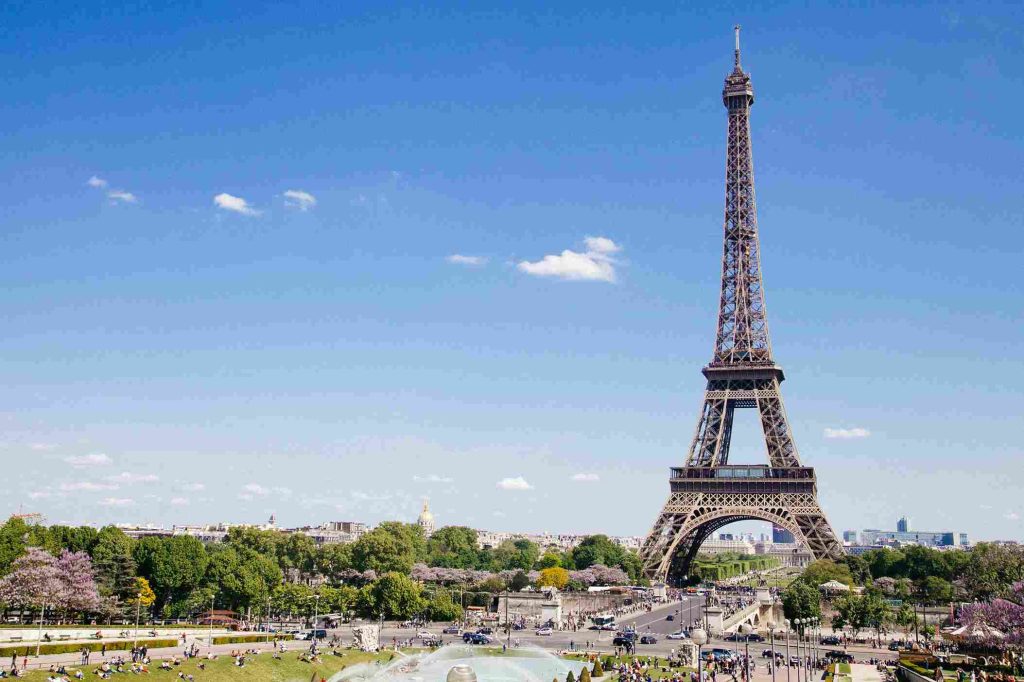
Eiffel Tower, France: $$ | April to June, September to October
Burj Khalifa, UAE: $$$ | November to March
Statue of Liberty, USA: $ | April to June, September to October
Sydney Opera House, Australia: $$ | September to November, March to May
Marina Bay Sands, Singapore: $$$ | February to April
Cultural Landmarks
Forbidden City, China: $$ | April to May, September to October
Vatican City, Italy: $$ | April to June, September to October
Buckingham Palace, UK: $ | April to September
Taj Mahal, India: $ | October to March
Christ the Redeemer, Brazil: $$ | May to September
Ancient Wonders Worth the Journey
These are the places that have been drawing travelers for centuries, and they still deliver. The key is timing and ticket strategy. Machu Picchu now requires timed entry and a specific circuit, so you cannot just show up. The Great Wall is best at Mutianyu or Jinshanling, not the crowded Badaling section.
Machu Picchu, Peru
Cost: 180 to 250 SEK for standard entry (confirm the latest price directly with the operator)
Best time: May to September for dry weather, but book 3 to 6 months ahead.
Tip: Take the earliest bus from Aguas Calientes. The 6 a.m. entry slot has the fewest people and the best light.
Great Wall of China
Cost: 40 to 80 SEK depending on section (confirm the latest price directly with the operator)
Best time: April to May and September to October for clear skies and fewer crowds.
Tip: Skip Badaling. Mutianyu has a cable car and a toboggan down, and Jinshanling has the best unrestored views.
Petra, Jordan
Cost: 500 to 700 SEK for a one-day ticket (confirm the latest price directly with the operator)
Best time: March to May and September to November. Summer is brutally hot.
Tip: Get there at opening and walk straight to the Monastery. Most tour groups stop at the Treasury.
Colosseum, Italy
Cost: 180 to 250 SEK for standard entry (confirm the latest price directly with the operator)
Best time: April to June and September to October. July and August are crowded and hot.
Tip: Book the underground and arena floor tour. It is more expensive but gets you into areas most visitors never see.
Chichen Itza, Mexico
Cost: 300 to 450 SEK including the federal and state tax (confirm the latest price directly with the operator)
Best time: November to March for cooler weather and smaller crowds.
Tip: Arrive at 8 a.m. opening. The tour buses from Cancun arrive around 10 a.m., and the difference is enormous.
Natural Landmarks That Justify the Trip
Nature does not charge an entry fee in most places, but getting there costs money and time. The Grand Canyon and Iguazu Falls are the two best value-for-money natural wonders on the planet. The Great Barrier Reef is extraordinary but requires a boat tour and is getting more expensive every year.
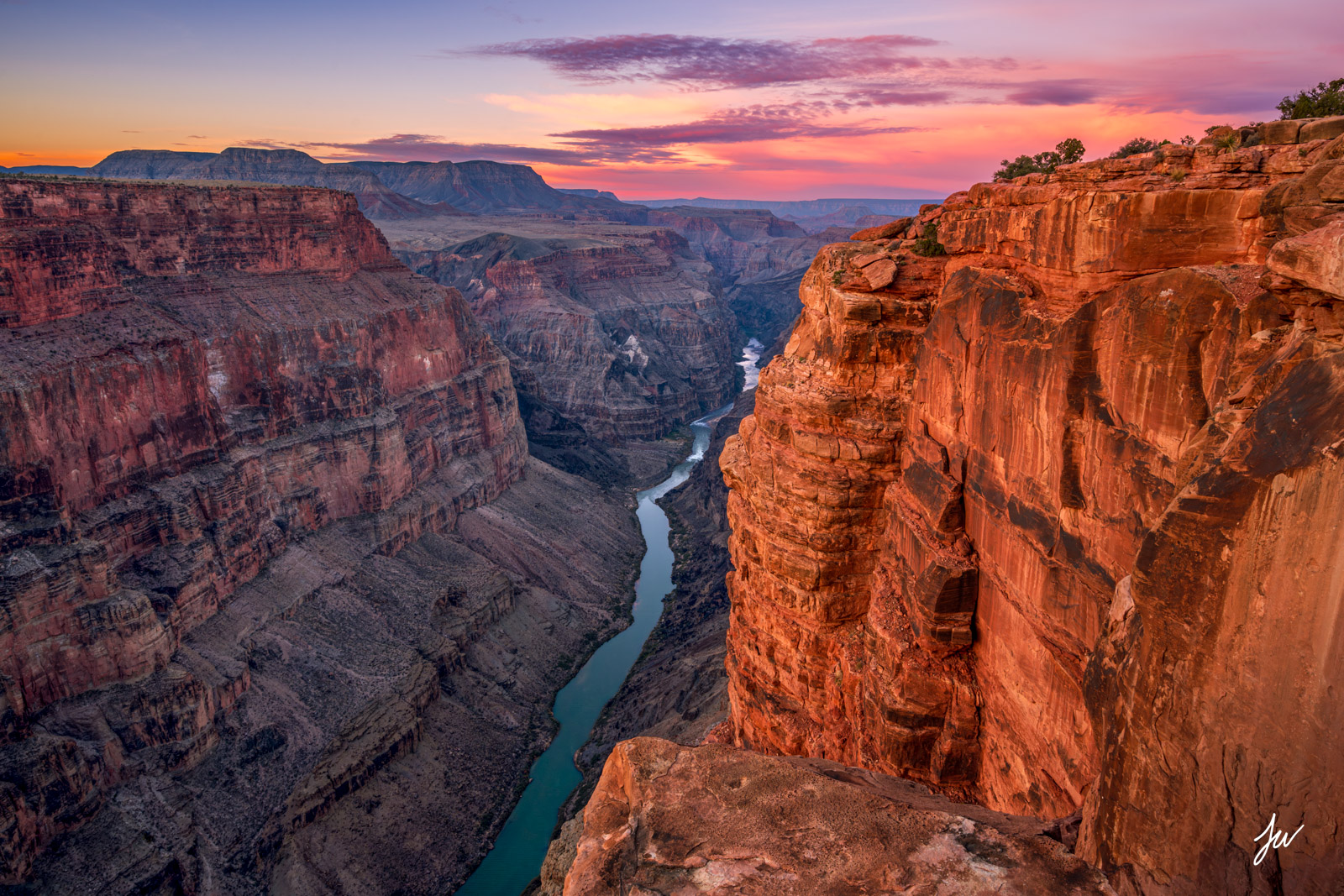
Grand Canyon, USA
Cost: 250 to 400 SEK per vehicle for a 7-day pass (confirm the latest price directly with the operator)
Best time: March to May and September to November. Summer is hot and crowded at the South Rim.
Tip: Go to the South Rim for the classic views, but if you want solitude, drive to the North Rim, which gets a fraction of the visitors.
Iguazu Falls, Argentina/Brazil
Cost: 300 to 500 SEK depending on the side (confirm the latest price directly with the operator)
Best time: March to May and August to October. The falls are fullest in the wet season, but the walkways can flood.
Tip: See both sides if you can. The Brazilian side gives the panoramic view, and the Argentine side gets you up close to the Devil’s Throat.
Great Barrier Reef, Australia
Cost: 1,500 to 2,500 SEK for a day tour with snorkeling (confirm the latest price directly with the operator)
Best time: June to October for clear water and cooler temperatures.
Tip: Go from Cairns or Port Douglas, and choose a smaller operator. The big boats feel like floating shopping malls.
Northern Lights, Iceland/Norway
Cost: Free to see, but guided tours run 800 to 1,500 SEK (confirm the latest price directly with the operator)
Best time: September to March for dark skies and high solar activity.
Tip: You do not need a tour. Rent a car, check the aurora forecast, and drive away from city lights. Patience beats a guide.
Mount Everest Base Camp, Nepal
Cost: 8,000 to 15,000 SEK for a 12-day guided trek (confirm the latest price directly with the operator)
Best time: March to May and October to November for stable weather and clear views.
Tip: Acclimatize properly. The people who fail are not the unfit ones, they are the ones who rush the altitude.
Modern Icons That Define Their Cities
These are the structures that show up on postcards and Instagram feeds. They are impressive, but they are also crowded and often overpriced. The Eiffel Tower is wonderful from the ground and from Trocadéro across the river. The Burj Khalifa is best viewed from the Dubai Fountain, not from the observation deck.

Eiffel Tower, France
Cost: 120 to 300 SEK depending on floor and stairs vs. elevator (confirm the latest price directly with the operator)
Best time: April to June and September to October. July and August are peak crowds.
Tip: Book a timed elevator ticket for the first slot of the morning, or skip the top and take the stairs to the second floor. Better views, shorter lines.
Burj Khalifa, UAE
Cost: 400 to 800 SEK for the observation deck (confirm the latest price directly with the operator)
Best time: November to March for bearable outdoor temperatures.
Tip: Go at sunset if you want the view, but book 2 to 3 weeks ahead. Otherwise, the fountain show below is free and more memorable.
Statue of Liberty, USA
Cost: 100 to 200 SEK for ferry and pedestal access (confirm the latest price directly with the operator)
Best time: April to June and September to October. Summer ferries are packed.
Tip: The ferry from Battery Park gives you the best view for the least money. Skip the crown unless you love tight spiral staircases.
Sydney Opera House, Australia
Cost: 200 to 400 SEK for a guided tour (confirm the latest price directly with the operator)
Best time: September to November and March to May for pleasant weather.
Tip: Walk around the outside for free and take the ferry to Manly for the best waterfront view of the sails.
Marina Bay Sands, Singapore
Cost: 250 to 500 SEK for the SkyPark observation deck (confirm the latest price directly with the operator)
Best time: February to April for the driest weather.
Tip: The best view is from the Gardens by the Bay across the water, not from the top of the building itself.
Cultural Landmarks That Outperform the Hype
These are the places that feel more impressive in person than in photos. The Forbidden City is vast and overwhelming in the best way. The Vatican Museums are crowded but the Sistine Chapel still stops people in their tracks. The Taj Mahal at sunrise is worth waking up at 5 a.m. for.

Forbidden City, China
Cost: 60 to 100 SEK for standard entry (confirm the latest price directly with the operator)
Best time: April to May and September to October. Avoid Chinese national holidays.
Tip: Book online at least a week ahead and enter through the east gate. Most tour groups enter through the main Meridian Gate.
Vatican City, Italy
Cost: 200 to 350 SEK for the Vatican Museums and Sistine Chapel (confirm the latest price directly with the operator)
Best time: April to June and September to October. Wednesdays bring the papal audience and extra crowds.
Tip: Book the earliest entry and go straight to the Sistine Chapel. Then double back to see the rest of the museums at your own pace.
Buckingham Palace, UK
Cost: 150 to 300 SEK for the State Rooms when open in summer (confirm the latest price directly with the operator)
Best time: April to September for the State Rooms opening and the changing of the guard.
Tip: The State Rooms are only open for about 10 weeks in summer. Book weeks ahead. Otherwise, watch the changing of the guard for free from outside.
Taj Mahal, India
Cost: 50 to 150 SEK for foreign tourists (confirm the latest price directly with the operator)
Best time: October to March for cooler weather and clear skies.
Tip: Go at sunrise. The gates open before dawn, and the morning light on the marble is the reason you came.
Christ the Redeemer, Brazil
Cost: 150 to 250 SEK for the train and statue access (confirm the latest price directly with the operator)
Best time: May to September for clear skies and fewer clouds.
Tip: Go on a clear day, or do not go at all. The statue is often fogged in, and there is no refund for a view you cannot see.
What Are the Biggest Mistakes at World Tourist Attractions?
I have made all of these mistakes, and I have watched thousands of other travelers repeat them. Here is what to avoid.
- Not booking ahead for the big three. The Eiffel Tower, Forbidden City, and Machu Picchu all require advance tickets during peak season. Showing up without one means waiting hours or missing out entirely.
- Going at noon. The worst time to visit any major attraction is between 11 a.m. and 2 p.m. Go at opening or two hours before closing.
- Buying a city pass without doing the math. City passes rarely save money unless you plan to visit 3 or more paid attractions in one day.
- Ignoring the shoulder season. April to May and September to October beat summer crowds and winter closures at most sites.
- Overpaying for observation decks. The Eiffel Tower from Trocadéro, the Burj Khalifa from the fountain, and the Sydney Opera House from the ferry are often better views than the paid deck.
- Underestimating the weather. The Taj Mahal is closed on Fridays. The Grand Canyon gets snow in winter. Christ the Redeemer is often fogged in. Check the forecast and the operating calendar before you go.
Maya Whitfield’s honest take: “The best tourist attraction in the world is the one you see with enough time to actually look at it. Do not rush Petra or Machu Picchu or the Forbidden City. Give them a full morning, and they will give you something you remember for life.”
Frequently asked questions about world tourist attractions
What is the most visited tourist attraction in the world?
The Forbidden City in Beijing is the most visited single attraction, with over 17 million annual visitors. The Great Wall of China and the Eiffel Tower are close behind in terms of total visitor numbers and global recognition.
What is the cheapest world-famous tourist attraction to visit?
Central Park in New York, the National Mall in Washington D.C., and many public squares and parks around the world are completely free. The Taj Mahal and the Forbidden City also have very low entry fees compared to Western European or Middle Eastern attractions.
Do I need to book world tourist attractions in advance?
For the Eiffel Tower, Forbidden City, Machu Picchu, and the Burj Khalifa, yes. Book 1 to 2 weeks ahead in shoulder season and 1 to 3 months ahead in peak season. Many other attractions can be visited without advance booking.
What is the best time of year to visit world tourist attractions?
April to May and September to October are the best months for most major attractions worldwide. You avoid the summer peak crowds and the winter closures or bad weather that affect many sites.
Are city passes worth buying for tourist attractions?
Usually not. City passes only save money if you visit 3 or more paid attractions in one day and use the included transport. Most travelers visit two paid sights per day at most, which is cheaper to book individually.
What is the most overrated tourist attraction in the world?
The Burj Khalifa observation deck is often cited as overrated because the view from the Dubai Fountain below is free and more atmospheric. The Eiffel Tower is also better viewed from Trocadéro than from the crowded top deck.
How far in advance should I book Machu Picchu?
Book 3 to 6 months ahead for the peak months of June to August. The 6 a.m. entry slots sell out first. For shoulder season, 1 to 2 months ahead is usually enough.
Plan your trip: booking platforms we trust
These are the platforms I actually use to research and book trips to world attractions. I always cross-check the official site against at least one of these before paying.
GetYourGuide
Best for booking skip-the-line tickets and guided tours at major attractions.
Booking.com
Useful for finding hotels near major attractions to minimize transit time.
Expedia
Good for bundling flights and hotels for multi-city attraction-hopping trips.
Kayak
Best for comparing flight prices to international destinations with major attractions.
TripAdvisor
Essential for reading recent reviews of attraction tours and ticket providers.
Hotels.com
Useful if you collect rewards nights and want to apply them to stays near major sights.
WakaAbuja does its best to keep all information accurate at the time of publishing. Prices, policies, and availability change regularly. Always verify with official sources before you travel. We are not liable for errors caused by outdated information. Travel insurance is strongly recommended.