advertisement
From remote deserts to mountain parks, these are the best places to stargaze and what to look for when choosing a genuinely dark-sky destination.
Fact-Checked By: Maya Whitfield—Senior Travel Editor at WakaAbuja
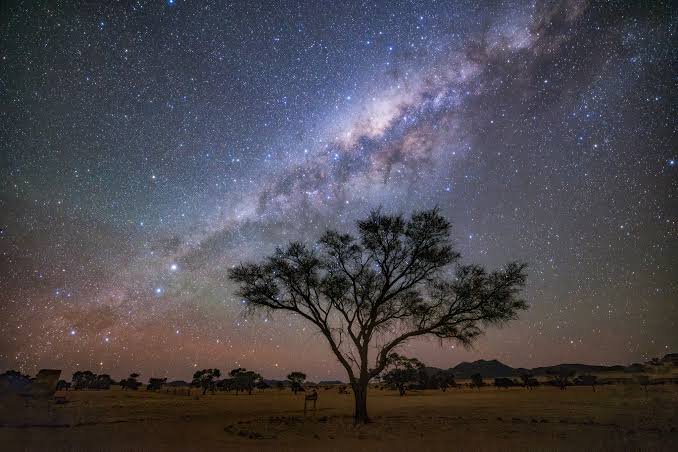
The best places to stargaze are certified Dark Sky Parks and Reserves where light pollution is minimal, such as Cherry Springs State Park in Pennsylvania, Natural Bridges National Monument in Utah, Aoraki Mackenzie in New Zealand, and the Atacama Desert in Chile. To tell if a sky is actually dark enough, check its Bortle class: Class 1 is the darkest possible sky, visible only in remote deserts and high mountains, while Class 4 is a rural sky where the Milky Way is still visible but washed out near the horizon.
Not every “dark sky” is actually dark. Some of the destinations on the lists you will find online were last checked years ago, and light pollution does not stand still. I have driven four hours to a spot advertised as a “dark sky viewing area” and found the horizon glowing orange from a nearby city I did not know existed.
This guide fixes that. It covers 17 destinations that are genuinely worth the trip right now, plus a two-minute method for judging any sky for yourself before you commit to the drive.
Jump to: Bortle Scale | North America | Europe | Southern Hemisphere | Comparison Table | When to Go | How to Prepare | FAQ
Key takeaways
- Bortle Class 1 is the darkest possible sky. Most “dark sky” destinations are Class 2 or 3. Only a handful on Earth are truly Class 1.
- New moon nights are the only ones worth planning around. A full moon washes out the Milky Way even from the darkest sky.
- Altitude and dry air matter more than distance from cities. Deserts and high mountains consistently beat rural areas closer to sea level.
- Cherry Springs in Pennsylvania is the best East Coast option. It is genuinely Class 2 and only a 4- to 5-hour drive from New York or Philadelphia.
- New Zealand and Chile are the two best Southern Hemisphere destinations. Both have certified Dark Sky Reserves and Southern Cross visibility.
- Give your eyes 20 to 30 minutes to adjust. No phone screens, no white flashlights, and no car headlights during that window.
What Makes a Sky Dark Enough to Stargaze?
The Bortle scale is a nine-level rating system that measures how dark a night sky is. It was created by amateur astronomer John Bortle in 2001 and is the standard measure used by DarkSky International and observatories worldwide. Here is the short version.
Bortle classes at a glance
Class 1: Excellent dark sky. The Milky Way casts visible shadows. Only found in remote deserts, high mountains, and mid-ocean.
Class 2: Typical truly dark site. The Milky Way is highly structured. Most certified Dark Sky Parks hit this.
Class 3: Rural sky. The Milky Way is still visible, but light pollution shows on the horizon.
Class 4: Rural or suburban transition. The Milky Way is visible overhead but washed out near the horizon.
Class 5 to 9: Suburban to inner-city. Increasingly washed out, with Class 9 showing only the brightest stars and planets.
If you want to check the Bortle class of any location before you drive, use the Light Pollution Map. It is the same tool astronomers use. If a spot is Class 4 or higher, it is not worth a multi-hour drive. Save the trip for a Class 1 or 2 site.

Best Places to Stargaze in North America
North America has more certified Dark Sky Places than any other continent, largely because DarkSky International was founded in the United States. These are the ones that deliver on the promise.
Cherry Springs State Park, Pennsylvania
Cherry Springs is the best Dark Sky Park on the East Coast and one of the few places in the eastern United States where you can see the Milky Way with the naked eye. It is a Bortle Class 2 site. The park has dedicated overnight astronomy fields where you can camp under the stars. It is about 4 to 5 hours from New York City and Philadelphia. Entry is free, but camping requires a reservation.
Natural Bridges National Monument, Utah
Natural Bridges was the world’s first certified International Dark Sky Park, designated in 2007. It is a Bortle Class 2 site with very low humidity and high altitude, which makes the stars appear sharper. The park is remote, about 6 hours from Salt Lake City, and there is no nearby town. Camping is available on-site.
Big Bend National Park, Texas
Big Bend is the largest protected dark sky area in the United States, with over 800,000 acres of designated dark sky. It is a Bortle Class 2 site and one of the darkest places in the continental US. It is a 6-hour drive from El Paso or San Antonio. The park has campgrounds and lodges inside the boundaries.
Death Valley National Park, California
Death Valley is the largest International Dark Sky Park in the world, covering over 3.4 million acres. It is a Bortle Class 2 site, though the nearby glow of Las Vegas is faintly visible on some horizons. The park is about 2.5 hours from Las Vegas. Camping is available, but summer heat makes spring and autumn the best seasons.
Jasper National Park, Alberta
Jasper is the largest Dark Sky Preserve in the world and the best Canadian option. It is a Bortle Class 2 site with very low humidity and excellent visibility. The town of Jasper is inside the park, so you can stay in a hotel and still be under a dark sky. It is about 4 hours from Edmonton.
Maya Whitfield’s honest take: “Cherry Springs is the one East Coast dark sky park that actually delivers. I have seen the Andromeda Galaxy with my naked eye from the astronomy field. Do not skip it if you live in the Northeast.”
Best Places to Stargaze in Europe
Europe is more densely populated than North America, which means genuinely dark skies are harder to find. But there are a handful of excellent certified sites, most of them in mountainous or island areas.
La Palma, Canary Islands, Spain
La Palma is home to the Roque de los Muchachos Observatory and is one of the best stargazing destinations in the world. The island has strict light pollution laws that protect the sky, and the altitude of the observatory (2,396 meters) puts you above much of the atmospheric haze. It is a Bortle Class 2 site. Flights from mainland Spain take about 2.5 hours.
Pic du Midi, French Pyrenees
Pic du Midi is a high-altitude observatory in the French Pyrenees, accessible by cable car. It was the first site in France to receive Dark Sky Reserve status. The observatory offers overnight stays so you can watch the sunset and then the stars from 2,877 meters. It is about 2 hours from Toulouse.
Galloway Forest Park, Scotland
Galloway is one of the darkest places in the UK and was the country’s first Dark Sky Park. It is a Bortle Class 3 site, which is not quite as dark as the best international sites but still much darker than anywhere in England. It is about 2 hours from Glasgow.
Northumberland National Park, England
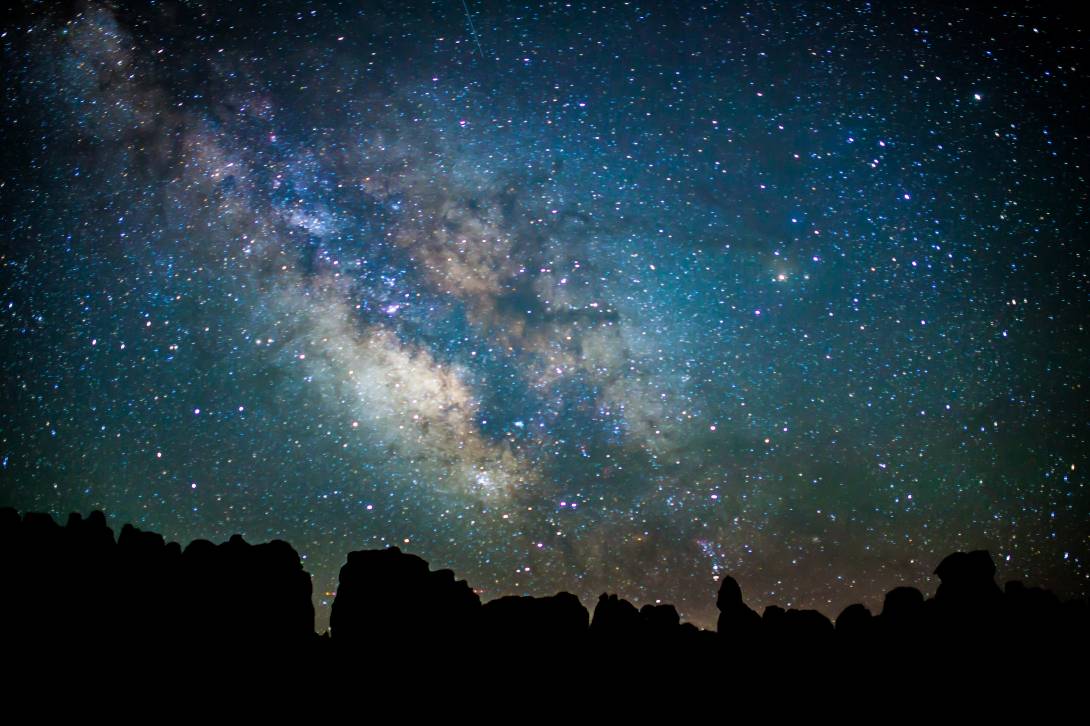
Northumberland is England’s only certified Dark Sky Park and has some of the darkest skies in the country. It is a Bortle Class 3 site. The park runs regular stargazing events at the Kielder Observatory, which has telescopes and astronomy guides. It is about 1.5 hours from Newcastle.
Best Places to Stargaze in the Southern Hemisphere
The Southern Hemisphere has the advantage of the Southern Cross, the Magellanic Clouds, and the center of the Milky Way directly overhead. If you are going to travel for a dark sky trip, these are the two best options in the world.
Aoraki Mackenzie, New Zealand
Aoraki Mackenzie is a gold-tier Dark Sky Reserve on the South Island of New Zealand. It covers over 4,300 square kilometers and includes Aoraki Mount Cook National Park and Lake Tekapo. The skies are Bortle Class 1, the darkest category possible. The nearby town of Lake Tekapo has an observatory and regular stargazing tours. It is about 3 hours from Christchurch.
Atacama Desert, Chile
The Atacama Desert is the driest place on Earth and one of the best places in the world for astronomy. The air is so dry that it barely scatters light, and the altitude (over 2,400 meters in most spots) puts you above much of the atmosphere. Major observatories including ALMA and Paranal are located here. San Pedro de Atacama is the main tourist town and has stargazing tours. It is about 2 hours from Calama airport.
NamibRand Nature Reserve, Namibia
NamibRand was the first Dark Sky Reserve in Africa and is one of the darkest places in the Southern Hemisphere. It is a Bortle Class 1 site. The reserve is remote, with only a few lodges, and access is by small plane or long drive from Windhoek. It is expensive but genuinely spectacular.

Stargazing Destinations Compared
Here is how the top destinations stack up. Use this to pick your trip based on how far you are willing to travel and how dark you need the sky to be.
Cherry Springs, PA
Bortle: Class 2
Best season: April to October
Access: 4 to 5 hours from NYC
Cost: Free entry, camping from around $20 per night (confirm the latest price directly with the operator)
Big Bend, TX
Bortle: Class 2
Best season: October to April
Access: 6 hours from El Paso
Cost: Park entrance around $30 per vehicle (confirm the latest price directly with the operator)
La Palma, Spain
Bortle: Class 2
Best season: Year-round
Access: 2.5-hour flight from Madrid
Cost: Flights from around 100 euros (confirm the latest price directly with the operator)
Aoraki Mackenzie, NZ
Bortle: Class 1
Best season: April to September
Access: 3 hours from Christchurch
Cost: Stargazing tours from around 100 NZD (confirm the latest price directly with the operator)
Atacama, Chile
Bortle: Class 1
Best season: April to October
Access: 2 hours from Calama
Cost: Stargazing tours from around 30,000 CLP (confirm the latest price directly with the operator)
NamibRand, Namibia
Bortle: Class 1
Best season: May to September
Access: Small plane or 5-hour drive from Windhoek
Cost: Lodge stays from around $400 per night (confirm the latest price directly with the operator)
When Is the Best Time to Go Stargazing?
Plan around the new moon
The single most important factor is the moon phase. A full moon washes out the Milky Way even from the darkest sky on Earth. Aim for the week of the new moon, or the 3 to 4 days on either side. Check the NASA daily moon guide for exact dates.
Best months by hemisphere
In the Northern Hemisphere, the best months for stargazing are generally May through September, when the center of the Milky Way is visible in the evening sky. In the Southern Hemisphere, the same window shifts to April through September. Winter months have longer nights, but the Milky Way core is lower on the horizon.
Check the weather and humidity
Clear skies are obvious, but humidity matters just as much. Dry air, like in Chile or Utah, produces sharper stars than humid air even at the same darkness level. Deserts and high-altitude sites have the advantage here.
What Should You Bring Stargazing?
Red-light flashlight
A red-light flashlight preserves your night vision. White light resets your eye adaptation and it can take 20 to 30 minutes to recover. Bring a red-light headlamp or put red cellophane over a regular flashlight.
Warm layers and a blanket
Deserts and mountain sites get surprisingly cold at night, even in summer. Bring more layers than you think you need. A folding chair or blanket to lie on makes a huge difference for long viewing sessions.
Star map or app
Apps like Stellarium or SkySafari work offline and identify constellations in real time. Download the offline data before you leave, because most dark sky sites have no cell service.
Binoculars (optional)
You do not need a telescope for naked-eye stargazing. A pair of 10×50 binoculars will show you the moons of Jupiter, the Orion Nebula, and hundreds of star clusters that are invisible to the naked eye. They are easier to pack than a telescope and far cheaper.
What Are the Biggest Stargazing Mistakes?
- Going on a full moon night. Even a Class 1 sky is ruined by moonlight. Book around the new moon.
- Trusting the marketing copy over the Bortle class. Many “dark sky” venues are Class 3 or 4. Check the map before you drive.
- Using white flashlights or phone screens. It kills your night vision and ruins the experience for everyone around you.
- Forgetting the cold. Desert nights can drop to freezing even after a warm day. Bring layers.
- Not checking humidity. A Class 2 sky in humid air looks worse than a Class 3 sky in dry air.
- Skipping the altitude adjustment. High-altitude sites like Pic du Midi or the Atacama can cause headaches. Give yourself a day to adjust.
- Booking a stargazing tour for a full moon week. Tour operators will still run them, but the views are much worse.
Frequently asked questions about stargazing
How do I know if a place is actually dark enough to stargaze?
Check the Bortle class on the Light Pollution Map. A Class 1 or 2 site is worth a long drive. A Class 3 or 4 site is only worth a short trip. Anything Class 5 or higher is not worth planning a stargazing trip around.
Do I need a telescope to stargaze?
No. From a truly dark sky, the Milky Way, Andromeda Galaxy, and dozens of star clusters are visible with the naked eye. A pair of 10×50 binoculars adds significant detail at low cost and is easier to travel with than a telescope.
What is the darkest sky in the United States?
Several sites qualify as Bortle Class 1 or 2, including Big Bend National Park in Texas, Death Valley National Park in California, Natural Bridges National Monument in Utah, and Cherry Springs State Park in Pennsylvania. Cherry Springs is the most accessible for East Coast travelers.
When is the best time to go stargazing?
Aim for the new moon or the 3 to 4 days on either side. In the Northern Hemisphere, the best months for seeing the Milky Way core are May through September. In the Southern Hemisphere, the same window runs April through September.
How long does it take for my eyes to adjust to the dark?
It takes about 20 to 30 minutes for your eyes to fully adapt to the dark. Avoid looking at white light or phone screens during that window. Use a red-light flashlight if you need to see anything.
Is a stargazing tour worth booking?
Yes, especially at high-altitude observatories where you get access to telescopes and expert guides. Tours at La Palma, Atacama, and Lake Tekapo are worth the money. Book around the new moon for the best views, since operators run tours regardless of moon phase.
Can I stargaze near a major city?
Yes, but the experience is limited. Within 30 miles of a major city, you are usually in Bortle Class 6 or higher, which means you will see only the brightest stars and planets. For a real dark sky experience, you need to travel at least 2 to 3 hours from any large city.
Plan your trip: booking platforms we trust
These are the platforms I use to plan dark sky trips. For remote destinations like the Atacama or NamibRand, book as far ahead as possible, since lodges fill up quickly in the new moon windows.
Booking.com
Best for hotels near Dark Sky Parks and observatories.
Kayak
Useful for comparing flights to remote stargazing destinations.
GetYourGuide
Best for booking stargazing tours and observatory visits.
Expedia
Good for bundling flights and hotels for international dark sky trips.
Vrbo
Useful for renting a cabin near Cherry Springs or Big Bend.
TripAdvisor
Essential for reading reviews of stargazing tours and lodges.
For more planning help, see our travel planning guides, our hotel reviews, our attractions section, and our visa category. When you are ready to book flights, start with our discounted flights page.
WakaAbuja does its best to keep all information accurate at the time of publishing. Prices, policies, and availability change regularly. Always verify with official sources before you travel. We are not liable for errors caused by outdated information. Travel insurance is strongly recommended.