Mount Hood Trip Guide: Best Season, Passes & Getting There
Some links on this page are affiliate links. We may earn a commission at no extra cost to you.
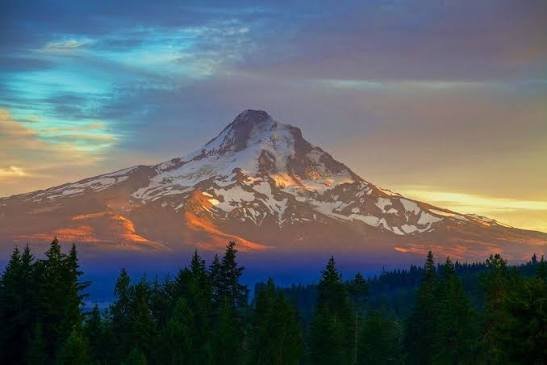
Mount Hood is Oregon’s highest peak at roughly 11,240 to 11,250 feet, depending on the source, located about 60 driving miles east of Portland via I-84 and US-26. A Mount Hood climbing permit above 9,500 feet costs $20 for three days or $50 annually on Recreation.gov, and an Oregon Sno-Park permit is required from November 1 to April 30 at Timberline and other designated lots. Summer (July to September) is best for hiking and sightseeing, while winter serves skiers and climbers.
This guide is for travelers who want a straight answer on passes, timing, and logistics without wading through an encyclopedia entry. It is not for mountaineers seeking route beta on the Pearly Gates; that belongs in a climbing-specific resource.
What makes this page different is that I reconcile the conflicting facts you will find across official pages, tourism boards, and blogs, so you know which numbers to trust.
Jump to: Distance from Portland | Height and sources | Volcano safety | Best season | Passes and permits | Getting there without a car | Where to stay | Hikes | Ski areas | Why it is called Hood | FAQ
Key takeaways
- Mount Hood sits roughly 60 driving miles from Portland, a 70- to 90-minute drive depending on traffic and weather (verify road conditions on TripCheck before you go).
- Climbers going above 9,500 feet need a permit: $20 for three days or $50 annual per person on Recreation.gov (confirm current pricing on the official listing).
- Oregon Sno-Park permits are required November 1 through April 30 at Timberline lots and Tilly Jane, with annual passes around $25 and 3-day passes around $9 (check ODOT for current rates).
- Summer is the safest window for casual hikers and families; winter demands traction, avalanche awareness, and acceptance that many trails are buried.
- Timberline Lodge sits at 6,000 feet and is the only year-round lodging on the mountain, but it books out months ahead for weekends (reserve early on Booking.com or the lodge’s official site).
How far is Mount Hood from Portland?
Mount Hood is about 60 driving miles east-southeast of Portland via I-84 east to US-26, a drive of roughly 70 to 90 minutes in normal conditions. In a straight line, the summit sits about 50 miles from downtown Portland. Travel Portland’s own page lists both 60 and 70 miles in different places, which is a good reminder that drive distance depends on whether you measure to Government Camp, Timberline Lodge, or the summit itself.
The most reliable pre-trip check is the Oregon Department of Transportation’s TripCheck system, which shows chain requirements, closures, and camera views on US-26 over Government Camp. In winter, a clear forecast in Portland means nothing at 4,000 feet; I have seen rain in the city turn to whiteout conditions near Rhododendron. The Mount Hood Express bus also connects Sandy to Government Camp and Timberline during parts of the year, which matters if you are visiting without a car.
Maya’s honest take: The mistake I see most is treating Mount Hood as a quick Portland side trip on a day when the mountain is wearing clouds. If the forecast shows a clear morning, go early. If the summit is socked in from the city, the drive often delivers nothing but fog and wet roads.
Best for
- Day trips from Portland with a rental car
- Families heading to Timberline Lodge for lunch and snow play
- Hikers targeting a single trailhead before noon
Worth considering
- The Mount Hood Express if you are car-free, but schedules are limited
- Overnighting in Government Camp to avoid the afternoon return traffic
- Downside: winter driving can require chains or traction tires on short notice
How tall is Mount Hood, and why do sources disagree?
Mount Hood’s summit elevation is commonly cited as 11,249 feet by Wikipedia, 11,240 feet by the U.S. Geological Survey, and 11,250 feet by Travel Portland. The USGS figure is the one I trust most for scientific purposes because it comes from the federal agency responsible for topographic mapping, but the differences are within the margin of survey variation and do not affect trip planning.
What matters more is the elevation of the places you will actually stand: Timberline Lodge sits around 6,000 feet, Government Camp around 3,900 feet, and the standard south side climbing route gains about 5,000 feet from trailhead to summit. Altitude sickness is uncommon below 8,000 feet for healthy travelers, but climbers should still watch for headache and nausea above Timberline. The USGS Cascades Volcano Observatory publishes the authoritative background on the mountain’s geology and hazards, and I link to it below rather than repeating every number.
For a deeper look at Oregon’s mountains and road trips, see our best things to do section, which covers scenic drives across the region.
Maya’s honest take: When a tourism page and a government science page give different numbers, use the government page for facts and the tourism page for logistics. The tourism board knows where to park; the USGS knows how tall the mountain is.
Is Mount Hood an active volcano, and is it safe to visit?
Mount Hood is an active stratovolcano, and the USGS classifies it as having “very high” threat potential because of its proximity to Portland and frequent eruptions in the geologic past. Its last major eruptive period ended around 1865, and the mountain currently shows no signs of imminent eruption. Visiting is safe for normal tourism; the real hazards are weather, falls, and avalanches, not lava.
The USGS Cascades Volcano Observatory monitors Mount Hood and publishes hazard assessments. For climbers, the biggest objective dangers are rockfall, crevasses on the glaciers, and sudden weather changes. For drivers and hikers, ice on roads and trails causes far more incidents than volcanic activity. The Mount Hood National Forest also warns that wilderness regulations apply above 9,500 feet, including the climbing permit requirement.
Maya’s honest take: Do not let the word “volcano” scare you off, and do not let a sunny photo fool you into wearing sneakers on a snowfield. The mountain kills unprepared climbers every few years, almost always through falls or exposure, not eruptions.
When is the best time to visit Mount Hood?
The best time to visit Mount Hood depends on your goal: July through September for wildflower hikes and road access, December through April for downhill skiing, and April through July for summit climbing. Each season brings tradeoffs that the tourism boards rarely spell out.
Summer: Trails like Tamanawas Falls and Ramona Falls are usually snow-free by July, and Timberline Lodge’s outdoor patio is pleasant. Downside: parking at popular trailheads fills by 9 a.m. on weekends, and afternoon thunderstorms can roll in fast. Fall: fewer crowds, but the first snows can close higher trails by October. Winter: Mt. Hood Meadows and Timberline operate, but chains or traction tires are often required on US-26, and daylight is short. Spring: climbing season ramps up, but avalanche conditions persist into May.
Travel Portland maintains a seasonal overview, and the Mt. Hood National Forest page lists current conditions and closures. Check both before locking in dates.
Maya’s honest take: If you want one reliable window for a first visit without specialized gear, aim for late July through early September. The wildflowers peak, the roads are clear, and you can still find snow at Timberline for a snowball fight in a T-shirt.
What passes and permits do you need for Mount Hood?
Most visitors need one of three things: an Oregon Sno-Park permit in winter, a Northwest Forest Pass or day-use fee at certain trailheads in summer, and a climbing permit if going above 9,500 feet. The rules are layered, and the official sources are the only ones to trust.
Climbing permit: Required for all travel above 9,500 feet in the Mount Hood Wilderness. A 3-day permit is $20, and an annual permit is $50 per person on Recreation.gov (confirm current pricing and processing fees on the official listing). Permits are not limited and do not sell out, so you can buy on the day of your climb if cellular service allows.
Sno-Park permit: Required November 1 through April 30 at all Sno-Parks, including all Timberline ski area parking lots and Tilly Jane Sno-Park. Annual permits are around $25, 3-day around $9, and 1-day around $4, sold at DMV offices and retail outlets (check ODOT for current rates and vendors).
Summer trailhead fees: Some trailheads charge $5 per vehicle per day from May 15 through October 1, and a Northwest Forest Pass or Interagency pass can be used in lieu of the fee. Not every trailhead charges, so check the specific Forest Service page for your destination.
Maya’s honest take: The cost trap I see most is buying a Sno-Park permit at a resort window for a markup when a nearby sporting goods store sells them cheaper. Plan ahead and buy from an official vendor. Also, do not assume your Northwest Forest Pass covers Sno-Park parking; they are separate programs.
Best for
- Climbers: $20 three-day permit from Recreation.gov
- Winter skiers: annual Sno-Park permit if you go more than three times
- Summer hikers: Northwest Forest Pass if you hit multiple trailheads
Worth considering
- Buy the climbing permit on your phone the morning of, if coverage allows
- An America the Beautiful pass can replace day-use fees at federal sites
- Downside: permit rules can change year to year, so verify before each trip
How do you plan a Mount Hood trip without wasting a day?
Choose your base by goal.
Choose Government Camp if you want the shortest drive to Timberline and multiple trailheads. Choose Hood River if you want a wider choice of restaurants and hotels and do not mind a 40-minute drive to the south side. Choose Portland if you are doing a single day trip and accept two hours in the car each way.
Book Timberline Lodge early or accept a day visit
Timberline Lodge is a historic Works Progress Administration-era building and the only full-service lodging on the mountain. Rooms book months ahead for summer weekends (check Booking.com for availability and reviews). If you cannot stay, at least stop for lunch and walk the lobby; the fireplace and timber beams are worth 30 minutes.
Pick one hike, not three
Trailhead parking is the bottleneck. A realistic day trip from Portland includes one hike of 3 to 5 miles, a stop at Timberline, and a drive back before dark. Tamanawas Falls is a good first choice for families; Ramona Falls is better for hikers who want a longer day and accept a log crossing.
For broader trip planning help, see our travel planning section.
What mistakes do visitors make at Mount Hood?
The most common mistakes are underestimating weather, assuming permits are optional, and treating the mountain as a quick stop rather than a full day.
Wearing cotton and sneakers above Timberline
Snow persists into July at higher elevations, and wet cotton kills. Bring a waterproof shell, warm layer, and shoes with grip even for short walks near the lodge.
Skipping the climbing permit
Rangers patrol above 9,500 feet and check permits. The $20 three-day permit is cheap compared with a citation or a rescue bill (confirm current pricing on Recreation.gov) .
Arriving at popular trailheads after 9 a.m.
Tamanawas Falls and Ramona Falls lots fill early on summer weekends. Arrive before 8:30 a.m. or have a backup trail ready.
Assuming the Mount Hood Express runs all day
The bus has limited schedules and may not run in winter. Check the current timetable on the Mt. Hood Express site before relying on it.
Driving without checking TripCheck
US-26 can require chains in winter with little warning. Check ODOT TripCheck before leaving Portland and carry chains if traveling November through March.
Can you visit Mount Hood without a car?
You can visit Mount Hood without a car using the Mount Hood Express bus from Sandy, but service is limited and not suited to early-morning summit attempts. The bus connects Sandy to Government Camp and Timberline Lodge on a seasonal schedule, and you still need to reach Sandy from Portland via TriMet.
For most travelers, a rental car is the practical choice. Compare rates on Kayak if you are flying into Portland International Airport (PDX). Without a car, your realistic Mount Hood experience is a Timberline Lodge visit and short walks, not waterfall hikes or summit climbs.
Where should you stay near Mount Hood?
Stay in Government Camp for proximity to Timberline and trailheads, in Hood River for better dining and hotel variety, or at Timberline Lodge for the historic experience. Camping is available at Forest Service sites like Trillium Lake and Timothy Lake, but reservations fill six months ahead on Recreation.gov.
Government Camp has a handful of lodges and vacation rentals, with rates from around $120 to $250 per night in summer depending on size and amenities (check current rates on Booking.com). Hood River has more chain hotels and restaurants, often at similar prices, but adds 30 to 40 minutes of driving to south-side trailheads.
For more options, see our best hotels page and compare hotel deals on Booking.com or family villas on Vrbo if you need space for a group.
Which Mount Hood hikes are worth your time?
Tamanawas Falls is the best short hike for most visitors, a 3.5-mile round trip with a creek and a 100-foot waterfall. Ramona Falls is a longer 7-mile loop with a log crossing and a distinctive fan-shaped waterfall. McNeil Point offers big views but demands a full day and navigation skills.
For trail conditions and closures, check the Mt. Hood National Forest page before you go. For guided options, tours on GetYourGuide sometimes include Mount Hood day trips from Portland, though most are sightseeing-focused rather than hiking.
How many ski areas are on Mount Hood?
Mount Hood has three main ski areas open to the public: Timberline, Mt. Hood Meadows, and Skibowl. Sources sometimes list four, five, or six because they count small or historical areas like Cooper Spur or Summit Ski Area differently. For trip planning, the three major areas cover all ability levels.
Timberline has the longest season and highest base elevation, often operating into late summer. Mt. Hood Meadows is larger and more varied, with season passes around $979 for adults for the upcoming season (confirm current pricing on the resort’s official site) . Skibowl is smaller and known for night skiing. Check each resort’s site for snow reports and lift ticket prices.
Why is it called Mount Hood?
Mount Hood was named by British explorers in 1792 after Samuel Hood, a British admiral, during George Vancouver’s expedition. The mountain’s Indigenous name is Wy’east, used by the Multnomah and other Columbia River peoples. Using the name Wy’east alongside Mount Hood is a small sign of respect for the original caretakers of the land.
Frequently asked questions
Do you need a permit to climb Mount Hood?
Yes. Anyone traveling above 9,500 feet in the Mount Hood Wilderness needs a climbing permit, available on Recreation.gov for $20 for three days or $50 annually (confirm current pricing and fees). Permits do not sell out and can be purchased on the day of your climb .
Is Mount Hood free to visit?
Most roadside viewpoints and Timberline Lodge are free to visit. Some trailheads charge $5 per vehicle per day from May 15 to October 1, and Sno-Park permits are required in winter at designated lots (check current rates with ODOT or the Forest Service) .
How long does it take to drive from Portland to Mount Hood?
Expect 70 to 90 minutes from downtown Portland to Government Camp or Timberline Lodge via I-84 and US-26, depending on traffic and weather. Check TripCheck for winter conditions before you leave.
Can you visit Mount Hood in winter without skiing?
Yes. Timberline Lodge is open year-round, and you can snowshoe or walk near the lodge with proper gear. Many hiking trails are snow-covered and not accessible without winter equipment and avalanche awareness.
What should you wear to Mount Hood in summer?
Bring layers, a waterproof shell, and shoes with grip. Temperatures at Timberline can be 20 degrees cooler than Portland, and snowfields persist into July. Cotton is a poor choice for any hike that might get wet.
Is altitude sickness a concern on Mount Hood?
For casual visitors staying below 7,000 feet, altitude sickness is uncommon. Climbers going above 9,500 feet should ascend gradually, hydrate, and turn around if symptoms like headache or nausea worsen.
Are dogs allowed on Mount Hood trails?
Leashed dogs are allowed on many Mount Hood National Forest trails, but some areas have restrictions, including parts of the Timberline Trail and wilderness zones. Check the specific trail page on the Forest Service site before bringing a dog.
Do you need a reservation to visit Timberline Lodge?
No reservation is needed to visit the lodge lobby or restaurants, though dining may have waits on weekends. Overnight rooms should be booked months ahead, especially in summer (check current availability on Booking.com).
How many days do you need for Mount Hood?
One full day is enough for a Portland-based visit with one hike and Timberline Lodge. Two days lets you add a second trail and an overnight in Government Camp or Hood River without rushing.
Plan your trip: booking platforms we trust
I use Booking.com for most hotel searches because the cancellation policies are clear, and Kayak when I am comparing rental car and flight prices for a Portland arrival. For Timberline Lodge specifically, book direct if you want the best shot at a historic room, and use the platforms below for everything else. Start with our cheap flights page if you are still working out how to get to Oregon.
WakaAbuja does its best to keep all information accurate at the time of publishing. Prices, policies, and availability change regularly. Always verify with official sources before you travel. We are not liable for errors caused by outdated information. Travel insurance is strongly recommended.