Ranthambore National Park: Complete Visitor’s Guide (Safaris, Zones, Best Time & Prices)
Fact-Checked By Maya Whitfield, Senior Travel Editor at WakaAbuja
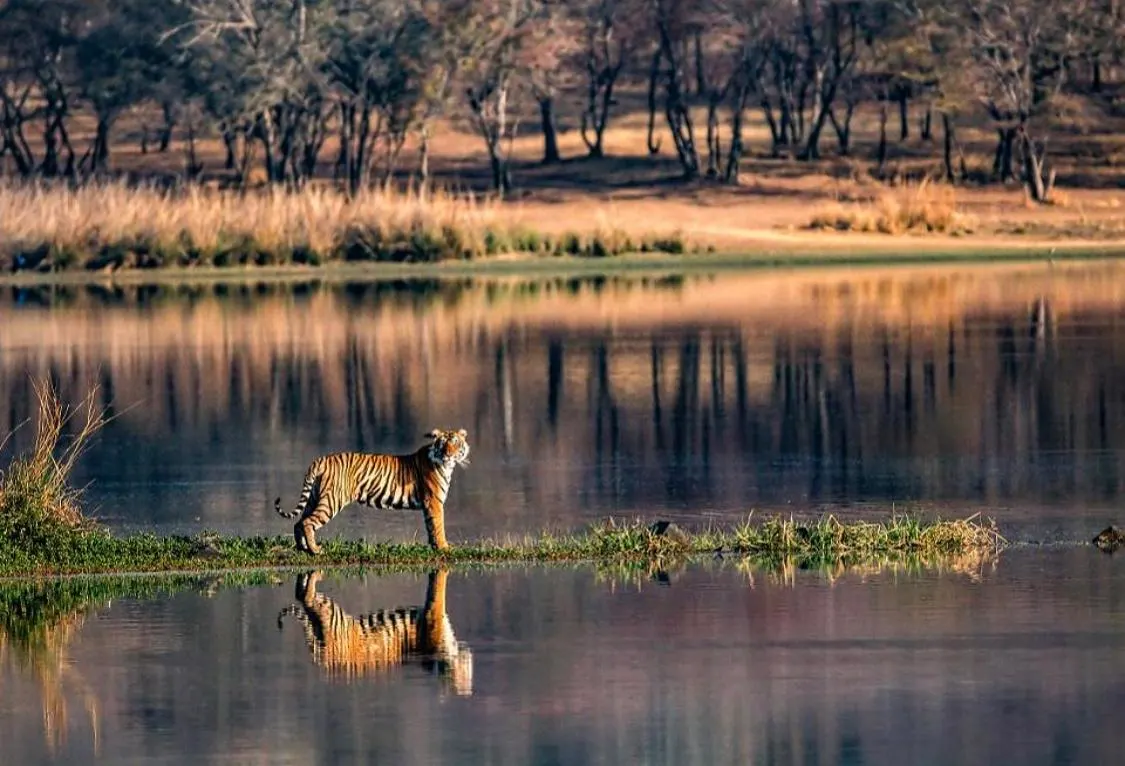
Ranthambore National Park in Rajasthan, India, is one of the best places in the world to see a wild Bengal tiger. The park is open to visitors from October through June, with safaris running twice daily in 10 designated zones. You need to book a safari permit in advance through the official Rajasthan forest department portal, and a jeep or canter ride typically costs between 1,000 and 2,500 rupees per person depending on your nationality and vehicle type.
I have sat in an open jeep at 6 a.m. in Zone 3, listening to alarm calls from chital deer and watching the grass for any flicker of orange. Ranthambore is not a zoo, and that is the point. You are on the tiger’s schedule, not yours. I have also spent three full days there without a single tiger sighting, and I have had a tigress walk straight past our stopped jeep on the first morning. This guide is built from those trips, plus current fee data and zone-by-zone sighting odds, so you can plan around reality, not brochure promises.
Jump to: Quick Facts | About the Park | Wildlife | Best Time to Visit | Safari Zones | How to Book | Costs | Getting There | Ranthambore Fort | Where to Stay | Mistakes to Avoid | FAQ
Key takeaways
- Ranthambore National Park covers 1,334 square kilometers in Rajasthan, with a core tiger zone of about 275 square kilometers.
- The park closes during the monsoon, typically from July through September, and reopens in October.
- Safaris run twice daily, once at dawn and once in the late afternoon, across 10 designated zones.
- Zones 1 through 6 generally have the highest tiger sighting probabilities, but Zone 3 and Zone 6 are the ones most repeat visitors book first.
- You must book safari permits in advance through the official Rajasthan forest department portal. Same-day walk-up permits are rare and unreliable.
- A jeep safari costs more than a canter safari but seats fewer people, which means a better view and less noise.
- The nearest airport is Jaipur, about 160 kilometers away, and the nearest railway station is Sawai Madhopur, roughly 10 kilometers from the park entrance.
Quick Facts Snapshot
Location
Sawai Madhopur district, Rajasthan, India. About 160 km from Jaipur and 380 km from Delhi.
Established
Declared a national park in 1980. Part of Project Tiger since 1973.
Park Season
October through June. Closed July through September for monsoon.
Safari Zones
10 zones total. Zones 1 through 6 are the most sought after for tiger sightings.
About Ranthambore National Park
Ranthambore National Park sits in the eastern part of Rajasthan, where the Aravalli and Vindhya hill ranges meet. The Banas River runs to the north and the Chambal River to the south. The terrain is dry deciduous forest, rocky ridges, and open grassland, which is exactly why tiger sightings here are more reliable than in denser forests elsewhere in India. You can see further, and the tigers use the same trails and waterholes repeatedly.
The park’s history goes back further than its national park status. It was a hunting ground for the Maharajas of Jaipur before becoming the Sawai Madhopur Game Sanctuary in 1955. It joined Project Tiger in 1973 and was declared a national park in 1980. The old hunting lodges and chhatris, or stone pavilions, still dot the landscape, and the 10th-century Ranthambore Fort stands on a hill inside the park itself.
What makes Ranthambore unusual among Indian tiger reserves is the combination of wildlife and visible history. You can watch a tiger walk past a 1,000-year-old stone wall. That is not something you get in most national parks, and it is part of why photographers and repeat visitors keep coming back.
Wildlife of Ranthambore
The Bengal tiger is the headline species, and the park’s tiger population has grown steadily. The most recent full census data puts the population in the mid-60s to low-70s, with the 2022 All India Tiger Estimation reporting 69 tigers for Ranthambore. That number has likely shifted slightly since, so check the latest official census before quoting it as current.
Tigers are not the only draw. Leopards, sloth bears, striped hyenas, caracals, and jungle cats all live here, though leopards and caracals are far more elusive than tigers. The prey base includes chital, sambar, nilgai, and wild boar, which is what supports the tiger density. Marsh crocodiles live in the park’s lakes, particularly Padam Talao, and the bird list runs past 270 species. I have watched a crested serpent eagle hunt over the water while waiting for a tiger to appear from the grass, and it was a better hour than most people get in a zoo in a full day.
The National Tiger Conservation Authority and the Rajasthan Forest Department both publish updated tiger and prey population data. For a traveler, the practical takeaway is this: tiger density here is high enough that a well-timed visit with the right zones gives you a genuinely strong chance, but no safari can guarantee a sighting.
@rosannafalconer Ranthambore National Park is as majestic as the Bengal tiger for which it is famous (it’s home to 76 of them) 🐅 I’ll never forget the tranquility of the lakes, the sun shadows cast across the paths and the birds all in song 🦚 Suraj our guide is the first and only female guide in the park. What a woman. She is from the village Bhuri Pahadi which adjoins zone 5 where we visited. When she started training in 2007, her village didn’t have electricity and people marvelled at the idea of her seeking employment 🤍 Today, she is one of the park’s foremost guides (other jeeps kept tracking us to follow her lead). She was as excited to see a kingfisher as a sloth bear and her eyesight has superhuman powers, spotting even the smallest little beasts across the wilderness. #Ranthambore #RanthamboreSafari #tigersafari #safari #Aman #india #travel #adventure #fyp #familysafari #indiansafari #wildlife #crocodile
Best Time to Visit Ranthambore National Park
The best time to visit Ranthambore is between November and April, when the weather is cooler and the park is fully open. The core tiger zone is at its most active from November through March. April through June is hot, often over 40 degrees Celsius by late morning, but the heat concentrates animals near water sources, which can actually improve tiger sightings for those willing to tolerate the temperature.
The park closes entirely from July through September during the monsoon. Trails become impassable, and the forest department uses the break to monitor wildlife and repair infrastructure. The reopening date in October varies slightly each year, so check the official Rajasthan tourism or forest department site before planning an early-October trip.
I have visited in both November and April. November was comfortable, but the vegetation was still thick, which made sightings harder. April was scorching, but the sightings were faster because animals had to move to water. If you can handle 40 degrees in an open jeep, late April and May can be surprisingly productive.
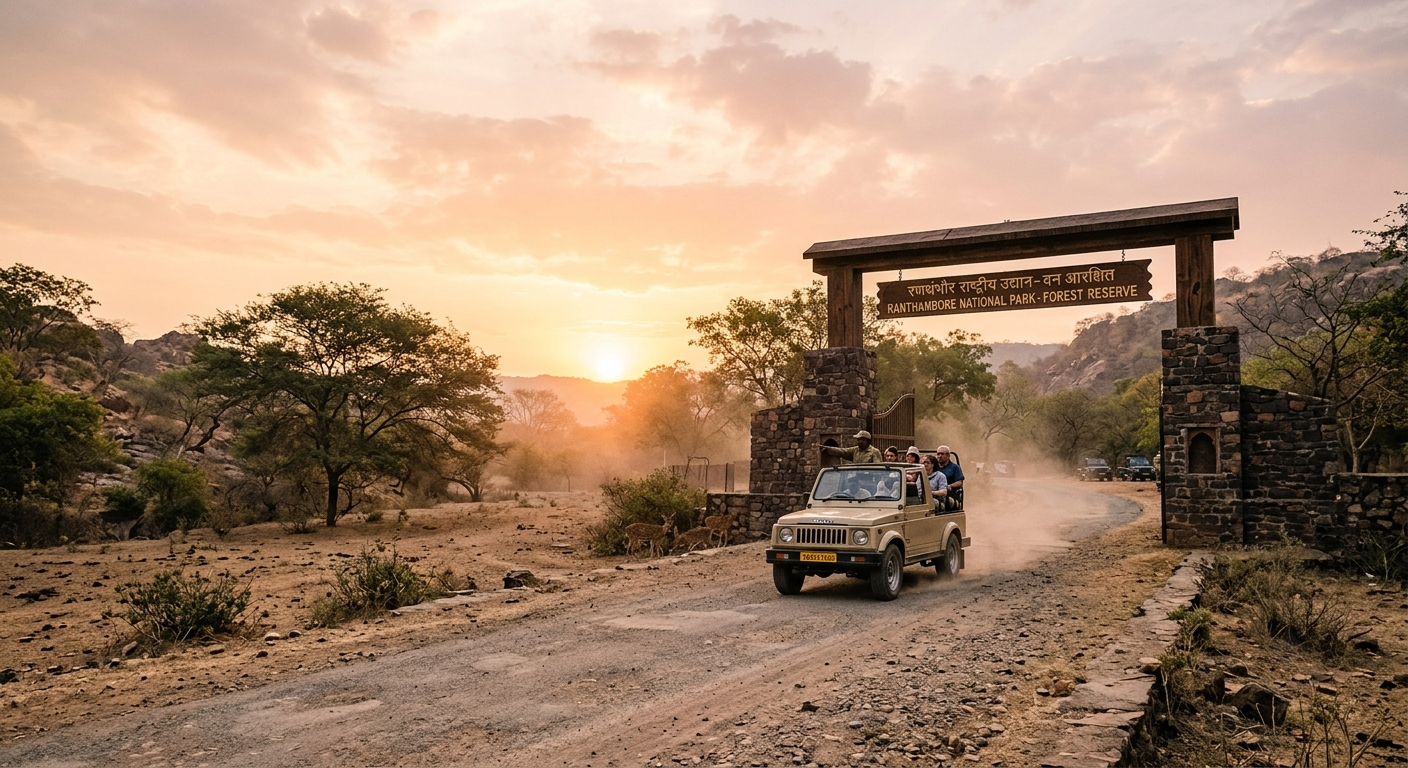
Maya’s honest take: “March is the sweet spot for most people. The heat has not peaked yet, the vegetation is thinning, and the park is still fully operational. Book early, because March fills up fast.”
Safari Zones Explained, 1 Through 10
Ranthambore is divided into 10 safari zones, and your zone allocation is assigned when you book your permit. You can request a preferred zone, but the final allocation depends on availability. This matters because the zones are not equal in tiger sighting probability or terrain.
Zones 1 through 5 cover the core forest around the fort and the lakes. Zone 3 is historically the most productive for tiger sightings, partly because of the waterholes and the way the terrain funnels tiger movement. Zone 6 is also a strong choice, with open grassland and good visibility. Zones 7 through 10 are buffer zones, added later to reduce pressure on the core. They are quieter and less crowded, but tiger sightings are less consistent.
I have had my best sightings in Zone 3 and Zone 4. Zone 3 gave me a tigress and two cubs on the road for a full ten minutes. Zone 4 gave me a sloth bear and a leopard in the same afternoon. Zone 1 and 2 are also good, especially around the fort area, but they can be more crowded. If you have multiple safaris booked, aim for a mix of a core zone and a quieter buffer zone. The buffer zones offer a different experience, with fewer vehicles and more birdlife.
For current zone-specific sighting data, the Rajasthan Forest Department and independent wildlife tourism trackers publish regular updates. Sighting probability shifts by season, water level, and individual tiger territory, so treat any zone ranking as a trend, not a promise.
How to Book a Ranthambore Safari
You book safari permits through the official Rajasthan forest department’s online portal. Permits are open for booking in advance, usually 60 to 90 days ahead for peak season, and the good zones sell out within hours of release. Do not expect to walk up to the gate and get a same-day permit in November. It happens, but it is rare, and you will likely get a buffer zone.
You choose between a jeep, also called a “gypsy,” and a canter. A jeep seats up to 6 people and gives you a lower, more maneuverable platform. A canter seats up to 20 people and is cheaper but louder and taller. For photography and comfort, the jeep is worth the extra cost. I have done both, and the jeep is the better experience in every way that matters.
Each safari lasts about 3 to 3.5 hours and runs twice daily. The morning safari starts around 6 to 7 a.m. depending on season, and the afternoon safari starts around 2 to 3 p.m. Morning safaris are generally better for tiger activity, especially in the hotter months. Afternoon safaris are better for light and birdlife, and you avoid the pre-dawn wake-up.
The official booking portal can be clunky, especially on a phone. If you prefer to have someone else handle it, several reputable travel companies in Jaipur and Sawai Madhopur book permits as part of a package. Just confirm exactly which zones they are booking and whether the permit fee is included in the price.
Entry Fees and Safari Costs
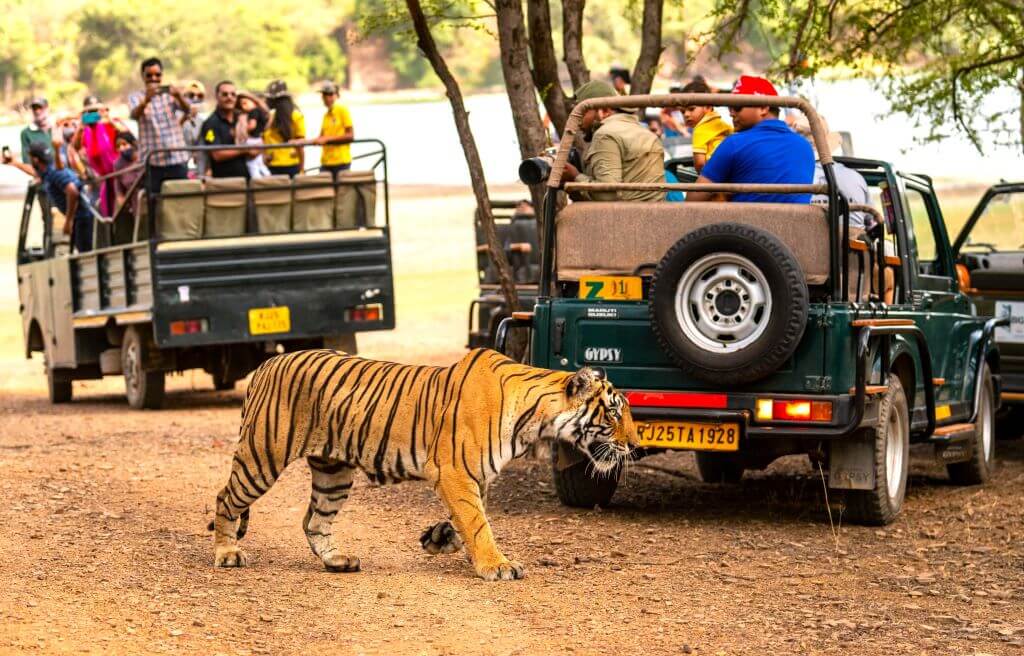
Ranthambore uses a dual pricing system. Foreign nationals pay more than Indian nationals for both entry and safari fees. The numbers below are ranges based on recent seasons, but the forest department revises fees periodically, so verify the current figures on the official portal before you book.
Indian Nationals
Jeep safari, including entry and guide fee, typically ranges from 1,000 to 1,800 rupees per person depending on zone and season. Canter safari is lower, usually 700 to 1,000 rupees.
Foreign Nationals
Jeep safari, including entry and guide fee, typically ranges from 1,800 to 2,500 rupees per person. Canter safari is usually 1,200 to 1,800 rupees.
What Is Included
The fee covers the vehicle, the mandatory forest guide, and the park entry permit. Camera fees are separate for professional equipment, and still cameras on phones are usually allowed without an extra fee.
For budget planning, a single traveler doing two jeep safaris as a foreign national should expect to spend 3,600 to 5,000 rupees on permits alone, not including accommodation, food, or transport to Sawai Madhopur. That is roughly 45 to 60 US dollars at current exchange rates, though rates fluctuate.
How to Reach Ranthambore National Park
The nearest airport is Jaipur International Airport, about 160 kilometers from the park. From Jaipur, it is a 3 to 3.5 hour drive or a 2.5 hour train ride to Sawai Madhopur. The nearest railway station is Sawai Madhopur Junction, about 10 kilometers from the park entrance. Trains from Delhi, Jaipur, and Mumbai stop here, and the station has regular taxi and auto-rickshaw service to the park gates and nearby hotels.
If you are coming from Delhi, the train is often faster and more comfortable than driving. The Delhi to Sawai Madhopur route has several daily options, including the Jan Shatabdi and the Golden Temple Mail. Driving from Delhi takes 6 to 8 hours depending on traffic and road conditions on the Jaipur-Delhi highway.
For booking train tickets, the official Indian Railways site works but requires an account. I have also used third-party platforms for convenience, but the official site is the most reliable for getting a confirmed seat. If you are flying into Jaipur and need a hotel there before driving down, Booking.com works well for the Jaipur market and lets you compare the old city and airport areas.
Ranthambore Fort
Ranthambore Fort sits on a hill inside the park and is worth a visit even if you are only there for tigers. The fort dates to the 10th century and was a strategic stronghold for centuries before being absorbed into the national park. It is a UNESCO World Heritage Site as part of the Hill Forts of Rajasthan listing.
The fort complex includes temples, reservoirs, and old gateways. Hindu and Jain temples inside the fort are still active, and pilgrims visit on certain days. From the top, you get a wide view over the park and the lakes, which is a useful way to understand the terrain before your safari. I have visited the fort in the morning before an afternoon safari, and it gave me a much better mental map of where the waterholes and valleys were.
The fort is inside the park, so access is controlled. You can visit as part of a safari route or through a separate fort visit arrangement, depending on current forest department rules. Check with your hotel or the park office for the current entry process.
Where to Stay Near Ranthambore
Most visitors stay in Sawai Madhopur or in the cluster of lodges and resorts along the Ranthambore Road between the town and the park entrance. Staying within 10 to 15 minutes of the park gate matters, because morning safaris start early and you do not want a long drive before a 6 a.m. briefing.
Budget guesthouses in Sawai Madhopur run from 1,500 to 3,000 rupees per night and are perfectly adequate if you are spending most of your time in the park. Mid-range wildlife lodges run 5,000 to 10,000 rupees and usually include meals and safari booking help. Luxury options, including several high-end wildlife resorts, run 15,000 rupees and up, and they often have their own naturalists and private vehicles.
I have stayed at a mid-range lodge on Ranthambore Road and a budget guesthouse in town. The lodge was worth the extra money for the cold breakfast at 5 a.m. and the in-house naturalist who briefed us on the zones. If you are doing multiple safaris, the convenience of a lodge near the gate is worth more than saving 2,000 rupees a night. For comparing lodge options with real guest reviews, TripAdvisor is the most useful for this specific destination.
Mistakes First-Time Visitors Make at Ranthambore
I have made some of these mistakes myself, and I have watched others make the rest. The most common one is booking only one safari and expecting a guaranteed tiger. One safari gives you a chance. Two or three safaris give you a realistic probability. If you are traveling specifically to see a tiger, book at least three safaris across two zones.
Another mistake is wearing the wrong clothing. Bright colors, especially white and red, are bad in the forest. Wear earth tones, greens, browns, and khaki. The animals are less likely to startle, and the guide will not have to ask you to cover up. Morning safaris are cold in winter, and afternoon safaris are dusty and hot, so layer.
Do not book a buffer zone, Zones 7 through 10, for your only safari. The buffer zones are quieter and beautiful, but the tiger density is lower. If you only have one safari, push for Zones 1 through 6. If you have multiple, use a buffer zone as a second or third safari.
Finally, do not arrive without a confirmed permit. I have met people at the gate who drove from Jaipur assuming they could buy a ticket on site. They could not. The park runs on advance bookings, and the disappointment on their faces was real. Book your permit first, then book your hotel and train.
Frequently Asked Questions
Is Ranthambore National Park safe for tourists?
Yes, Ranthambore is safe for tourists when you follow the safari rules. You are always in a vehicle with a trained guide, and you stay inside the vehicle unless the guide says otherwise. The park has strict protocols for wildlife encounters, and incidents involving tourists are extremely rare.
How many days do I need in Ranthambore?
Two to three days is ideal. That gives you time for at least three or four safaris across different zones, plus a visit to Ranthambore Fort and some rest time. One day with a single safari is possible but leaves your tiger sighting odds more to luck than planning.
Can I visit Ranthambore without booking in advance?
In theory, same-day permits exist, but they are rare and usually only for buffer zones. In peak season, from November through March, walk-up permits are essentially nonexistent. Always book your safari permit online before you travel.
Which zone is best for tiger sightings in Ranthambore?
Zones 1 through 6 are the core zones with the highest tiger density. Zone 3 is the most consistently productive for sightings, followed by Zones 4 and 6. Zone assignments are not guaranteed, but you can request a preference when booking.
Is Ranthambore good for kids?
Yes, Ranthambore is a good safari destination for kids, especially school-age children and older. The safaris are open-jeep based and not physically demanding. Younger children may find the 3-hour ride long, and the park does not allow infants on some safari vehicles, so check the current rules before booking.
What should I wear on a Ranthambore safari?
Wear earth-toned clothing in greens, browns, and khaki. Avoid bright white, red, or neon colors. Mornings are cold in winter, so bring a jacket. Afternoons are dusty and hot, so a hat, sunglasses, and a scarf or bandana for dust are useful.
Are professional cameras allowed in Ranthambore?
Yes, professional cameras are allowed, but there is usually a separate camera fee for DSLRs with large lenses. Phone cameras are generally included in the standard permit. Check the current camera fee schedule on the official booking portal before you go.
What is the difference between a jeep and a canter safari?
A jeep, or gypsy, seats up to 6 people and is lower, quieter, and more maneuverable. A canter seats up to 20 people and is cheaper but louder and higher off the ground. For photography and overall experience, the jeep is worth the higher price.
Plan your trip: booking platforms we trust
For a Ranthambore trip, the booking order I recommend is safari permit first, then train or flight, then lodging near the park gate. Here is what I use for each piece.
Best for comparing hotels and lodges in Sawai Madhopur and Jaipur.
Useful for comparing flights into Jaipur International Airport.
Good for recent safari operator reviews and lodge photos.
Useful for packaged Ranthambore tours from Jaipur or Delhi.
Good for collecting loyalty rewards on multi-city India trips.