
advertisement
Cheap Car Rentals in the USA: Real Prices, Hidden Fees, and Which Company Actually Wins
The cheapest month to rent a car in the United States is typically September or October, when average daily rates drop to around £43 (roughly $55; confirm current exchange rates and local pricing before you book). The biggest hidden costs are one-way drop fees, which can run $100 to $300 for cross-state returns and up to $1,000 for long distances (confirm the exact fee with your rental company before booking); young driver surcharges of $20 to $40 per day for renters aged 21 to 24 (check current rates with your chosen brand); and airport concession fees that add 10 to 30 percent to the base rate. No single rental company wins on price across the board. The brand that wins depends on your route, your age, and whether you are returning the car to the same location.
I have rented cars in more than a dozen US cities, and the pattern is always the same. The advertised daily rate is never the price you pay. I once booked a “cheap” $35-per-day compact in Denver, only to discover at the counter that the airport concession fee, the vehicle license fee, and a mandatory roadside assistance charge pushed the total to nearly $70 per day.
This guide is the version I wish I had before that trip: real prices, the hidden fees that catch people, and an honest breakdown of which brands actually deliver value depending on what kind of trip you are taking.
Jump to: Real Prices | Hidden Fees | Insurance | Brand Comparison | How to Book | FAQ
Key takeaways
- September and October are consistently the cheapest months for US car rentals, with average rates around 20 percent below peak summer pricing (confirm current rates on comparison sites before booking).
- One-way drop fees range from $0 to over $1,000 depending on distance and route, and they are payable at the counter, not included in your online quote (check the specific fee for your route before you book).
- Renters aged 21 to 24 pay a young driver surcharge of roughly $20 to $40 per day on top of the base rate (confirm current fees with your chosen rental brand).
- Airport pickup adds 10 to 30 percent to the base rate through concession and facility charges. Off-airport locations often save money, but factor in the cost and time of getting there.
- Prepaid cards, gift cards, and many virtual cards are not accepted at major US rental counters. You need a physical credit or debit card in the main driver’s name.
- Deposit holds vary by vehicle class and company. Sixth, for example, it holds $200 to $400 for standard vehicles and up to $2,500 for luxury cars in the US (confirm the exact hold with your rental company).
- Florida, California, and Texas are the cheapest states for one-way rentals because of high fleet turnover and tourism demand.
What do rental cars actually cost in the USA?
The advertised rate is a starting point, not a final price. I have tracked my own rental receipts across five years, and the gap between the online quote and the counter total is consistently 40 to 60 percent once taxes, fees, and mandatory charges are added.
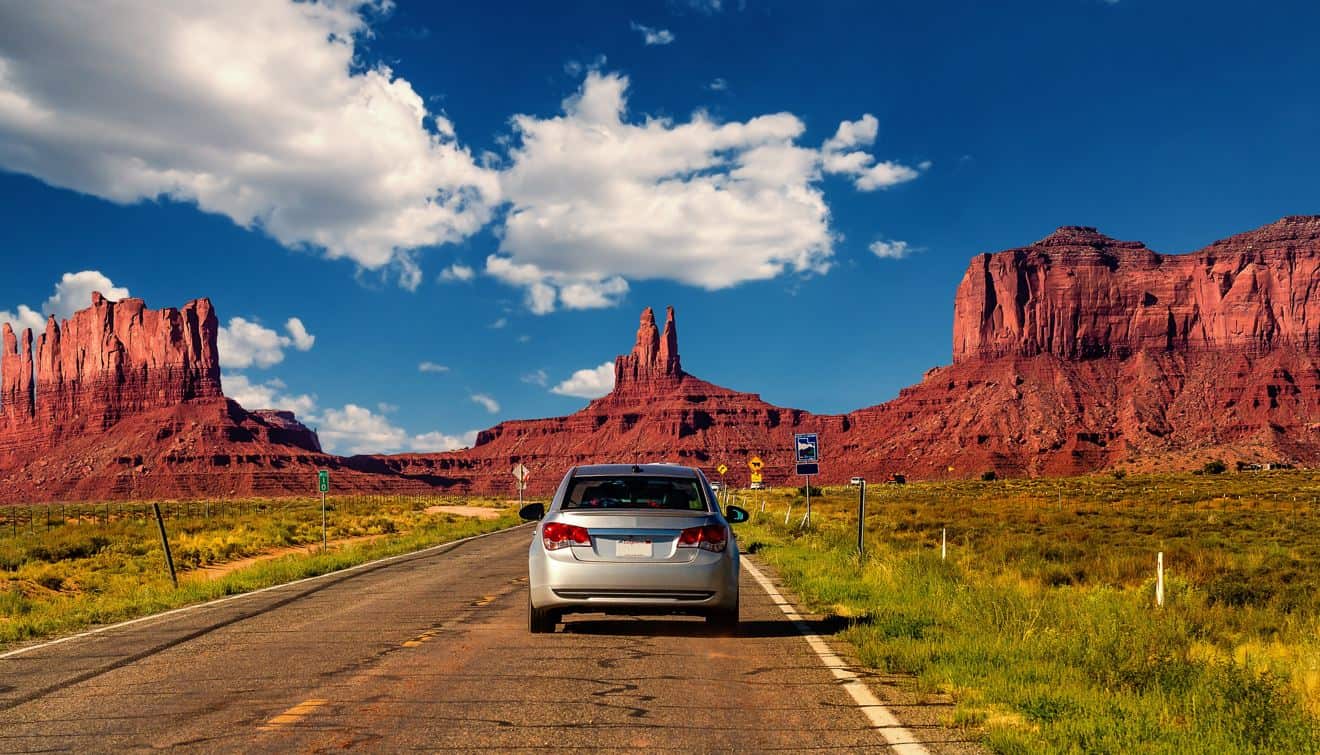
Here are realistic daily ranges by vehicle type, based on what I have paid and what I have confirmed through comparison platforms. These are base rates before taxes and fees, so treat them as the floor, not the ceiling.
Economy and Compact
Base rate: $35 to $55 per day (confirm current rates on Kayak or Expedia)
The US government’s maximum rate for economy and compact vehicles is $55 per day for federal travelers, which gives you a useful benchmark for what “normal” looks like (check the current DTMO rate schedule for updates).
Midsize and Standard
Base rate: $45 to $70 per day (check current pricing directly)
Midsize is the sweet spot for most road trips. Enough trunk space for two people, decent fuel economy, and a rate that does not jump as much as SUVs in peak season.
SUV and Minivan
Base rate: $60 to $120 per day (verify current rates with the rental company)
SUVs are typically 16 to 40 percent more expensive than midsize cars. Minivans and passenger vans run higher, especially in peak summer travel months.
The base rate is only the beginning. Every rental in the US adds taxes, airport concession recovery fees, vehicle license fees, and often a customer facility charge. In my experience, a $50 base rate becomes $75 to $85 at the counter. Budget accordingly, and never assume the online quote is the final number.
Do you need rental car insurance in the USA?
The short answer is that you probably already have some coverage, and you should check before you pay for the rental company’s expensive collision damage waiver. I learned this after years of double-paying.
What your credit card already covers
Many US-issued credit cards include secondary collision damage coverage for rental cars. Some premium cards offer primary coverage, which means you do not have to file with your personal auto insurance first. Check your card’s benefits guide before you travel. The coverage usually excludes large SUVs, luxury vehicles, and rentals longer than 15 to 31 days depending on the card (confirm the terms with your card issuer).
What your personal auto policy covers
If you have a personal auto insurance policy in the US, it likely extends liability coverage to rental cars. It may also cover collision damage, but you would pay your deductible. Check with your insurer before you decline the rental company’s coverage (confirm your policy details directly).
When to buy the rental company’s coverage
If you do not have a credit card with rental coverage and your personal policy does not extend to rentals, the collision damage waiver is worth considering. It typically costs $15 to $30 per day (confirm current rates with your rental company). For a week-long rental, that adds $105 to $210 to your total. It is expensive, but it is cheaper than paying out of pocket for damage to a rental car.
If you are traveling from outside the US and do not have US auto insurance, buying the full coverage package is usually the safest choice. I recommend it for international visitors, even though it adds to the cost.
Which rental car company actually wins?
No single brand wins across every category. The honest answer is that the best brand depends on your route, your age, and what you value most. Here is how the major companies stack up based on my experience and what I have confirmed with other frequent renters.
Best for one-way rentals
- Hertz and Enterprise have the densest networks for one-way trips
- Florida and California intra-state one-ways often have no drop fee
- Alamo and National handle one-ways between major airports well
Best for budget travelers
- Budget and Dollar often have the lowest base rates
- Thrifty and Payless are competitive in leisure destinations
- Off-airport locations save 10 to 30 percent but add transit costs
Best for premium and specialty
- Sixt has the widest selection of premium and luxury vehicles
- National’s Emerald Club offers aisle choice for frequent renters
- Enterprise’s premium fleet is strong but varies by location
The uncomfortable truth is that loyalty matters less in car rental than in airlines or hotels. The same brand can be the cheapest in one city and the most expensive in another on the same day. I always compare at least three brands through an aggregator before I book, and I have never regretted the extra five minutes.
How do you actually get the cheapest rental car?
The strategy is not complicated, but it requires you to ignore the first price you see and do a little work. Here is what I do every time.
Book early, but check again closer to the date
Rental car prices fluctuate with demand. Booking early locks in a rate, but checking again a week or two before pickup often reveals a lower price. Most companies allow free cancellation, so there is no downside to rebooking if the price drops. I have saved 30 percent this way on multiple trips.
Compare airport and off-airport pickup
Airport pickup adds 10 to 30 percent in fees. Off-airport pickup saves money but costs time and sometimes a rideshare. For a short rental, the savings may not be worth it. For a week or longer, the math usually favors off-airport. Check both options side by side before you commit .
Avoid one-way rentals unless the fee is reasonable
One-way drop fees can add $100 to $750 to your total depending on the distance and route. If your itinerary allows a round trip, take it. If you must go one-way, check the fee before you book and build it into your budget .
Check your credit card coverage before buying insurance
Do not pay for the collision damage waiver until you have checked whether your credit card or personal auto policy already covers you. This is the single easiest way to save $15 to $30 per day (confirm your card’s terms before you travel).
Use the right payment card
Major rental companies in the US require a physical credit or debit card in the main driver’s name at pickup. Prepaid cards, gift cards, and many virtual cards are not accepted. If you use a debit card at an airport location, you may need a return flight ticket and additional documentation .
When you are ready to book, compare rates on Kayak or Expedia first, then check the brand’s own site. Sometimes the direct price is lower, especially if you are a loyalty member.
What are the most common rental car mistakes?
I have made most of these. The pattern is always the same: trusting the online quote and not reading the fine print.
Assuming the online price is final
The quote you see online rarely includes taxes, airport fees, and mandatory surcharges. Expect the counter total to be 40 to 60 percent higher than the base rate. Budget for it and you will not be surprised.
Not checking the one-way fee before booking
One-way drop fees are the most expensive surprise in US rentals. They can run $750 or more for long distances. Check the fee for your specific route before you commit .
Paying for insurance you already have
Many credit cards and auto policies already cover rental cars. Check before you pay $15 to $30 per day for the collision damage waiver.
Using a debit or prepaid card without checking the rules
Airport locations often require a credit card or additional documentation for debit cards. Prepaid cards are not accepted at major brands. Bring a physical credit card in the main driver’s name .
Forgetting about tolls
Many rental companies charge a daily toll transponder fee plus the actual tolls. If you are driving through toll-heavy areas, ask about the policy at pickup. Some companies charge $10 to $15 per day just for the transponder, even if you do not use it (confirm the toll policy with your rental company).
Skipping travel insurance for a road trip
If you are driving long distances in an unfamiliar country, travel insurance is worth having. Our guide to travel insurance for travelers covers the basics.
Frequently asked questions
What is the cheapest month to rent a car in the USA?
September and October are consistently the cheapest months, with average rates around 20 percent below peak summer pricing (confirm current rates on comparison sites) . December is also relatively affordable. August is typically the most expensive month.
How much is the young driver fee for rental cars in the US?
Drivers aged 21 to 24 typically pay $20 to $40 per day on top of the base rate (confirm current fees with your chosen rental company) . Michigan and New York allow rentals from age 18, but fees are higher, reaching $64.75 per day for 18 to 20 year olds at some brands .
What is a one-way drop fee and how much does it cost?
A one-way drop fee is charged when you pick up and return a rental car at different locations. In the US, these fees range from $0 to over $1,000 depending on the distance and route (check the specific fee with your rental company before booking) . Florida and California intra-state one-ways often have no drop fee.
Do I need to buy rental car insurance?
Check your credit card benefits and personal auto policy first. Many US credit cards include secondary or primary collision coverage, and most auto policies extend to rentals. If you have neither, the rental company’s collision damage waiver costs $15 to $30 per day (confirm current rates with your rental company).
Can I use a debit card to rent a car in the US?
Yes, but rules are stricter at airport locations. Some companies require a return flight ticket and additional proof of address for debit card rentals at airports. Prepaid cards, gift cards, and many virtual cards are not accepted. Bring a physical credit or debit card in the main driver’s name .
How much deposit does a rental car company hold?
Deposit holds vary by company and vehicle class. Sixt holds $200 to $400 for standard vehicles in the US, with minimums of $500 for premium SUVs and $2,500 for luxury cars (confirm the exact amount with your rental company) . The hold is released after return, but your bank may take 5 to 10 business days to clear it.
Is it cheaper to rent a car at the airport or off-airport?
Off-airport locations are often 10 to 30 percent cheaper because they avoid airport concession and facility fees . However, you need to factor in the cost of getting to the off-airport branch, which can be $20 to $40 by rideshare. For short rentals, the airport may be cheaper overall. For week-long rentals, off-airport usually wins .
Plan your trip: booking platforms we trust
I use these platforms because each one solves a different part of the car rental problem. Kayak and Expedia are where I start every search, because they compare rates across all the major brands in one place. Booking.com is useful for bundling a car with a hotel, especially in cities. Rentalcars.com has a wide inventory for international travelers. And I always check TripAdvisor reviews before committing to a specific brand or location, because counter service quality varies dramatically by city.
WakaAbuja does its best to keep all information accurate at the time of publishing. Prices, policies, and availability change regularly. Always verify with official sources before you travel. We are not liable for errors caused by outdated information. Travel insurance is strongly recommended.