
advertisement
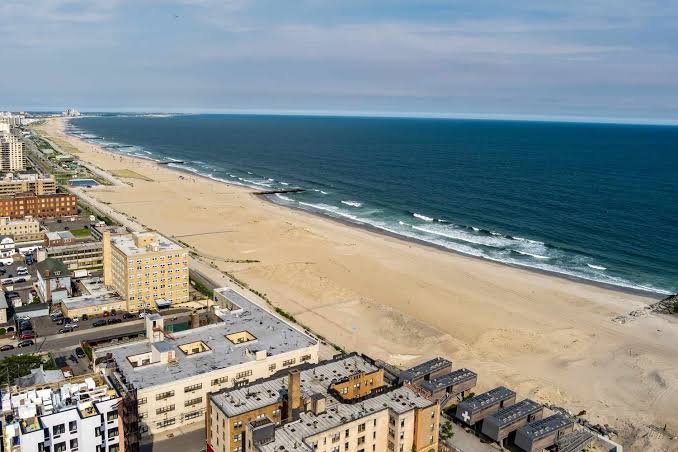
Rockaway Beach, NY, is one of New York City’s easiest beach escapes, with plenty to see, do, and explore beyond the sand.
Fact-Checked By: Maya Whitfield—Senior Travel Editor at WakaAbuja
Rockaway Beach is a free public beach on the Rockaway Peninsula in Queens, New York, reachable by the A train to stops like Beach 67th, Beach 90th, or Beach 105th in about 60 to 75 minutes from Midtown Manhattan. The NYC Ferry also runs to Rockaway from Wall Street and Pier 11, and the beach is divided into numbered blocks, each with a different crowd and vibe (confirm the latest price directly with the operator).
Rockaway Beach is not one beach. It is a nine-mile stretch of Queens coastline split into numbered blocks, and picking the wrong one is the easiest way to have a mediocre day. I learned this the hard way when I took a group of friends to Beach 116th expecting a quiet afternoon and ended up in the middle of a packed boardwalk scene with no chairs to rent and nowhere to eat.
The next weekend I went back to Beach 90th and had one of the best beach days of my life in New York. This guide gives you the exact block-by-block breakdown, the fastest way in, and what a full day actually costs.
Jump to: Where Is It & Is It Free? | How to Get There | Which Beach Block | What a Day Costs | Best Time to Go | What to Do | Safety & Practical Notes | FAQ
Key takeaways
- The beach is free. No entry fee, no beach pass. Lifeguards are on duty from Memorial Day weekend through early September.
- The A train is the fastest and cheapest way in. About 60 to 75 minutes from Midtown to Beach 67th or Beach 90th (confirm the latest price directly with the operator).
- The NYC Ferry is scenic but slower. Around 60 minutes from Wall Street, but the walk to the actual beach is longer than you think.
- Beach 90th to Beach 105th is the sweet spot. Quieter than Beach 116th, with plenty of food and rental options nearby.
- Do not plan on drinking alcohol on the sand. It is banned on NYC beaches, and enforcement steps up on summer weekends.
- Parking is a nightmare in July and August. If you drive, arrive before 9 a.m. or park at Jacob Riis Park and take the shuttle.
Where Is Rockaway Beach, and Is It Free?
Rockaway Beach is a public beach on the Rockaway Peninsula, a narrow strip of land in the borough of Queens, New York City. It faces the Atlantic Ocean on one side and Jamaica Bay on the other. It is free to enter, free to sit on, and open year-round, though swimming is only permitted when lifeguards are on duty.
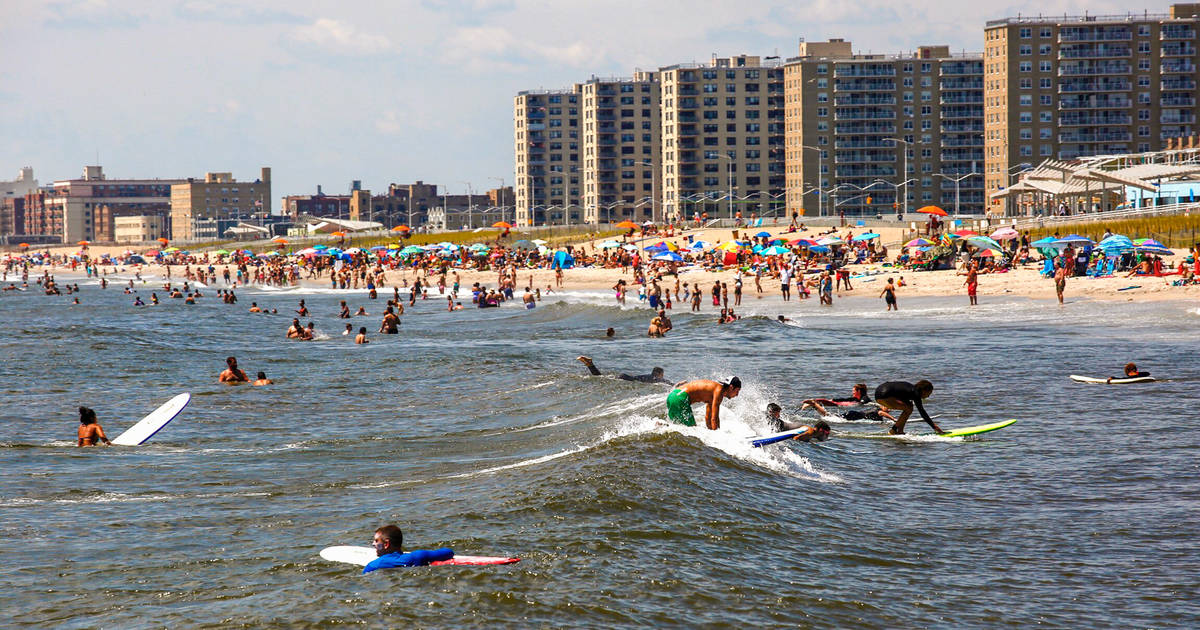
The beach is managed by the New York City Department of Parks and Recreation, which posts current rules and seasonal updates on its official Rockaway Beach page. The boardwalk runs nearly the full length of the peninsula and connects most of the numbered beach blocks. That boardwalk is the spine of the entire Rockaway experience.
One thing that surprises first-timers: Rockaway is technically part of New York City, but it feels like a completely different world from Manhattan. The pace is slower, the buildings are lower, and the crowd is a mix of locals, surfers, and day-trippers from all five boroughs.
How Do You Get to Rockaway Beach from Manhattan?
You have four real options: the subway, the ferry, the bus, or a car. Each has a clear use case. Here is the honest breakdown so you can pick the right one for your day.
A train (the fastest for most people)
Take the A train toward Far Rockaway. For the main beach blocks, get off at Beach 67th, Beach 90th, or Beach 105th. From Midtown, the ride is 60 to 75 minutes depending on where you start. The subway runs 24 hours, which matters if you stay for sunset. This is the option I use most often.
NYC Ferry (the scenic route)
The NYC Ferry Rockaway route runs from Wall Street and Pier 11. The ride is about 60 minutes and drops you at Beach 108th Street. That is convenient for the central beach blocks but not for the far ends. Fares are the same as a subway ride, but confirm the current schedule and pricing on the NYC Ferry website before you go, because summer routes fill up fast (confirm the latest price directly with the operator).
Bus (Q22, Q35, Q53)
The Q22, Q35, and Q53 buses connect Rockaway to other parts of Queens and Brooklyn. They are slower than the train and the ferry but useful if you are starting somewhere the subway does not reach easily. Budget an extra 30 to 45 minutes compared to the train.
Driving and parking
Driving is the fastest way if you leave early and the slowest if you leave late. The main beach parking lots fill by 10 a.m. on summer weekends. Street parking is residential and heavily enforced. The most reliable plan is to park at Jacob Riis Park, which has a large paid lot, and walk or shuttle to the numbered blocks (confirm the latest price directly with the operator).

Maya Whitfield’s honest take: “The ferry sounds romantic, and it is, but the walk from the landing to the actual sand is longer than most people expect. If you are carrying a cooler and a chair, take the A train.”
Which Rockaway Beach Block Should You Go To?
Each numbered block has a slightly different character. Here is how I sort them by trip type.
Beach 67th
Vibe: Quieter, residential, close to the A train
Best for: Families who want space and easy transit access
Food: Limited. Bring your own or walk toward Beach 86th.
Beach 90th
Vibe: Surfer-friendly, younger crowd, popular with locals
Best for: Anyone who wants good food trucks and rental stands
Food: Tacos, arepas, and a rotating lineup of trucks along the boardwalk
Beach 105th
Vibe: Balanced, easy walk to shops and restaurants
Best for: First-timers who want a taste of everything
Food: Restaurants on Rockaway Beach Boulevard, two blocks inland
Beach 116th
Vibe: The commercial center, busiest, and most food and bar options
Best for: Groups who want variety and do not mind crowds
Food: The widest selection on the peninsula
Jacob Riis Park and Fort Tilden
Vibe: Quieter, more natural, less developed
Best for: Anyone who wants space, history, and a break from the boardwalk scene
Food: Limited. Bring your own.
What Does a Day at Rockaway Beach Actually Cost?
The beach itself is free, but a full day adds up. Here is a realistic per-person budget, assuming you are coming from Manhattan.
Per-person day trip budget
Round-trip subway or ferry: Around $6 to $8 (confirm the latest price directly with the operator)
Food and drinks: $20 to $40 depending on whether you eat from trucks or a sit-down restaurant
Beach chair or umbrella rental: $10 to $20 if you do not bring your own (confirm the latest price directly with the operator)
Surfboard rental: $40 to $60 for a half-day (confirm the latest price directly with the operator)
Parking (if driving): $20 to $30 at Jacob Riis Park (confirm the latest price directly with the operator)
Realistic total per person: $30 to $80 without rentals, $80 to $150 with a rental
When Is the Best Time to Go to Rockaway Beach?
Lifeguard season runs from Memorial Day weekend through the second weekend of September. That is when swimming is legal and safe. Outside that window, the beach is still open, but swimming is at your own risk and strongly discouraged.
June and September are the sweet spots for weather without the peak July and August crowds. July and August are the hottest but also the most crowded, with boardwalk lines and packed sand. If you go on a weekday in July, you will have a much calmer experience than on a Saturday.
Early mornings are the best time in every season. The light is soft, the sand is cool, and you can claim a good spot before the crowds arrive. I aim to be on the sand by 9 a.m. on summer weekends.
What Is There to Do at Rockaway Beach Besides the Sand?
Surfing and rentals
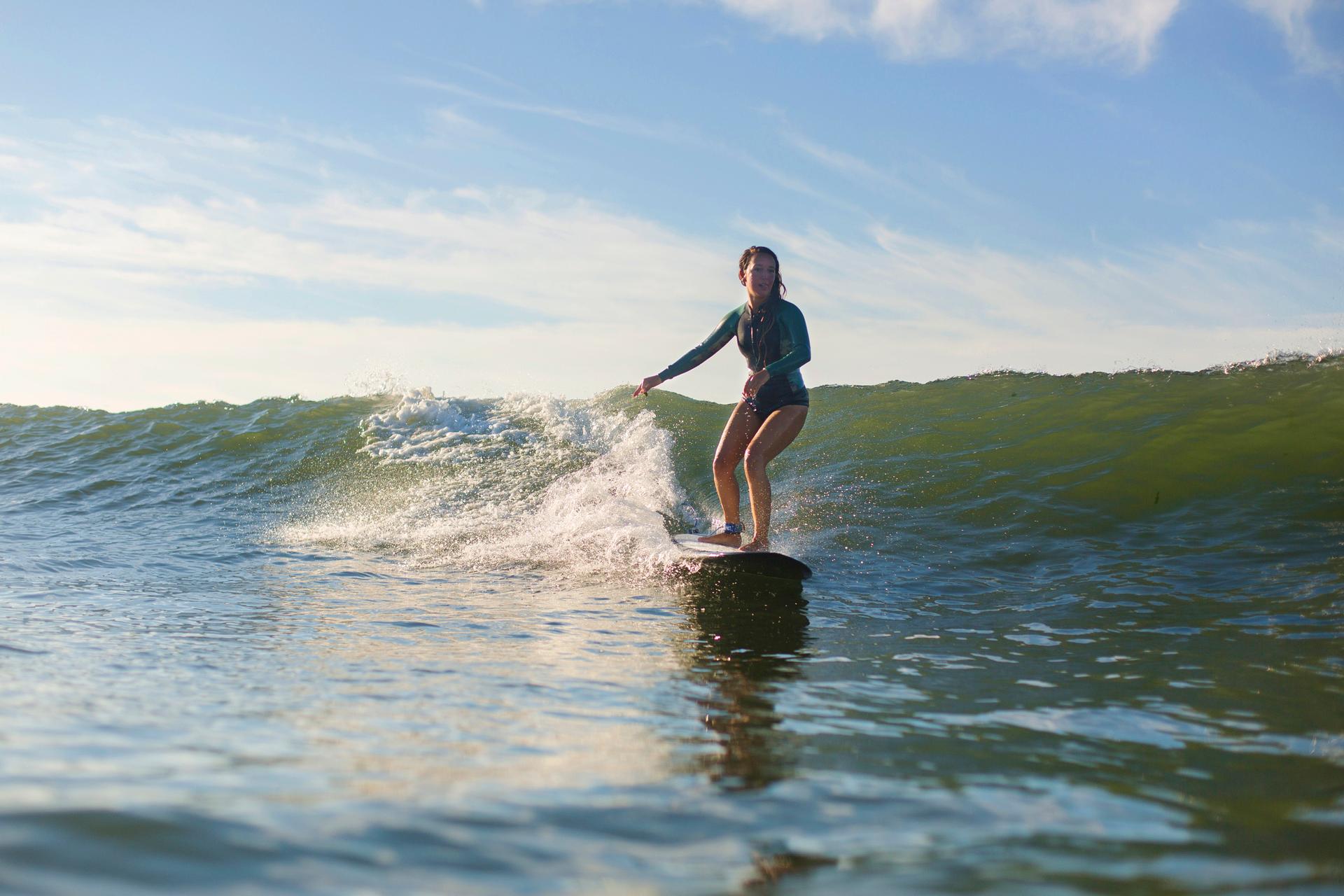
Rockaway is the best surf beach in New York City. The waves are small compared to California or Hawaii, but the local surf scene is real and welcoming. Several shops along the boardwalk rent boards and offer beginner lessons. If you have never surfed, a lesson is worth the money (confirm the latest price directly with the operator).
Food trucks and the boardwalk food scene
The boardwalk food scene has grown a lot. You will find tacos, arepas, empanadas, ice cream, and a rotating lineup of trucks that changes by season. The best concentration is between Beach 86th and Beach 106th. Bring cash for the smaller vendors.
Bars and the tasting room scene
A few local bars and a boardwalk-adjacent tasting room have become the unofficial apres-beach spots. They are casual, they welcome sandy feet, and they fill up fast on summer weekends. If you want a table, go early.
Jacob Riis Park and Fort Tilden
Jacob Riis Park has a wide beach and a historic bathhouse. Fort Tilden is a decommissioned military base turned into a park with trails, art studios, and a quieter stretch of sand. Both are worth a half-day if you want something other than the boardwalk scene.
Best for
- Families: Beach 67th and Beach 105th for calmer crowds
- Surfers: Beach 90th and Beach 105th
- Food lovers: Beach 106th to Beach 116th for the widest selection
- Quiet afternoons: Fort Tilden and Jacob Riis Park
Worth considering
- Sunset walks: The boardwalk between Beach 86th and Beach 106th has the best light
- Bird watching: Jamaica Bay Wildlife Refuge at the western end of the peninsula
What Safety and Practical Notes Should You Know?
Swim only when lifeguards are on duty.
Rockaway has rip currents, especially after storms. Swim near a lifeguard stand and follow the flag system. If you are caught in a rip current, swim parallel to the shore until you escape it, then swim back in. The National Weather Service publishes rip current safety guidance that is worth reading before you go.
Alcohol is banned on NYC beaches.
You cannot drink alcohol on the sand. Enforcement is strict on summer weekends. If you want a drink, do it at a bar on Rockaway Beach Boulevard, not on the boardwalk.
Dogs are allowed on the boardwalk but not on the sand.
Dogs can walk the boardwalk on a leash but are not permitted on the beach itself, except at designated dog-friendly hours in the off-season. Check current rules before you bring your pet.
Sun protection is not optional.
The boardwalk and the sand reflect UV rays. Even on cloudy days, you can burn. Reapply sunscreen every two hours and bring a hat.
If you are planning other New York trips, our things to do section has more ideas, and our hotel guides cover where to stay if you want to make a weekend of it.
What Are the Biggest Mistakes First-Timers Make at Rockaway Beach?
- Going to Beach 116th, expecting a quiet beach. It is the busiest and loudest block. Go further west for a calmer day.
- Driving in on a Saturday without a parking plan. Arrive before 9 a.m. or park at Jacob Riis Park.
- Bringing alcohol. It is banned and enforced on summer weekends.
- Not bringing cash. Some food trucks and rental stands still prefer cash.
- Swimming after lifeguard hours. The water is not patrolled, and rip currents are real.
- Forgetting the wind. Even on warm days, the beach can be windy and cool. Bring a light layer for the afternoon.
- Missing the last ferry. If you take the ferry in, check the return schedule before you settle in for the day.
Frequently asked questions about Rockaway Beach, New York
Is Rockaway Beach free to visit?
Yes, Rockaway Beach is a free public beach. There is no entry fee. You pay only for transit, food, and any rentals. Lifeguards are on duty from Memorial Day weekend through early September.
How long does it take to get to Rockaway Beach from Manhattan?
The A train takes about 60 to 75 minutes from Midtown to Beach 67th, Beach 90th, or Beach 105th. The NYC Ferry takes about 60 minutes from Wall Street or Pier 11, plus a 10 to 15 minute walk to the sand.
Can you drink alcohol at Rockaway Beach?
No. Alcohol is banned on all NYC beaches, including Rockaway. Enforcement steps up on summer weekends. If you want a drink, go to one of the bars on Rockaway Beach Boulevard.
Is Rockaway Beach dog-friendly?
Dogs are allowed on the boardwalk on a leash but not on the sand during the main season. The city allows dogs on the beach during off-season hours, typically from October through April. Check current rules before you go.
Which Rockaway Beach block is best for families?
Beach 67th and Beach 105th are the best blocks for families. Both have easier access to the A train, calmer crowds, and nearby food options. Beach 116th is the busiest and best for groups that want variety.
Do I need to bring my own chair and umbrella?
You do not have to. Chair and umbrella rentals are available at several blocks, typically for $10 to $20 each per day (confirm the latest price directly with the operator). Bringing your own saves money and guarantees you get what you want.
Is Rockaway Beach safe for swimming?
Yes, when lifeguards are on duty and you swim near a stand. Rip currents are common after storms, so follow the flag warnings. Do not swim after lifeguard hours or outside the marked swimming zones.
Plan your trip: booking platforms we trust
If you are turning your Rockaway day into a longer New York trip, these are the platforms I use to plan and book. I always compare official rates against at least one of these before paying.
Booking.com
Best for finding hotels near Rockaway and in Manhattan.
Kayak
Good for comparing flights into JFK or LaGuardia before you book.
Vrbo
Useful for renting an apartment on the Rockaway Peninsula for a weekend.
GetYourGuide
Best for booking surf lessons and New York sightseeing tours.
TripAdvisor
Essential for reading recent reviews of Rockaway restaurants and bars.
WakaAbuja does its best to keep all information accurate at the time of publishing. Prices, policies, and availability change regularly. Always verify with official sources before you travel. We are not liable for errors caused by outdated information. Travel insurance is strongly recommended.