advertisement
Saona Island: The Honest Travel Guide (Tours, Prices & What to Skip)
Fact-Checked By Maya Whitfield, Senior Travel Editor at WakaAbuja
Saona Island is a protected tropical island inside Cotubanamá National Park, reached by organized boat tour from the fishing village of Bayahíbe. A standard group catamaran trip costs between $55 and $90 per person and includes lunch, drinks, and stops at the famous natural pool and a beach near Mano Juan village. The experience ranges from a crowded party boat to a near-private paradise, and the tour you pick makes the difference.
Nearly every guide you find online about Saona Island is written by someone selling you a boat ticket. I do not have a catamaran to fill. That means I can tell you plainly what those sales pages will not have: the main beach gets slammed with day-trippers by midday, the “open bar” is often just rum and cola in a plastic cup, and the cheapest speedboat tour can leave you feeling like cargo. I have crossed to Saona twice now, once on a packed shared boat and once on a small private charter, and the gap between those two experiences is so wide they barely feel like the same destination.
This guide walks you through the four ways to visit, what each one actually costs once the extras are added, and which version of Saona is right for your trip.
Jump to: The 4 Ways to Visit | Which Tour Is Right for You? | Real Cost Breakdown | What Tour Sites Don’t Tell You | Best Time to Go | FAQs
Key takeaways
- There are four ways to reach Saona Island: group catamaran, shared speedboat, private charter, and a limited DIY public boat option from Bayahíbe.
- A standard group tour costs $55 to $90 USD per person and includes hotel pickup, boat crossing, lunch, and basic drinks.
- The natural pool sandbank is the highlight, but it gets crowded by late morning; private charters can reach it before the masses arrive.
- You do not need a separate visa. Saona sits inside Cotubanamá National Park and is part of the Dominican Republic.
- The biggest letdowns are overcrowded beaches on group tours, rough speedboat crossings, and starfish being mishandled despite park rules.
- A private charter costs $400 to $800 for up to eight people and is the only way to experience the island at a relaxed, quiet pace.
- Always check the official operator’s website for current pricing before booking, as fuel surcharges and seasonal demand shift prices regularly.
Where is Saona Island?
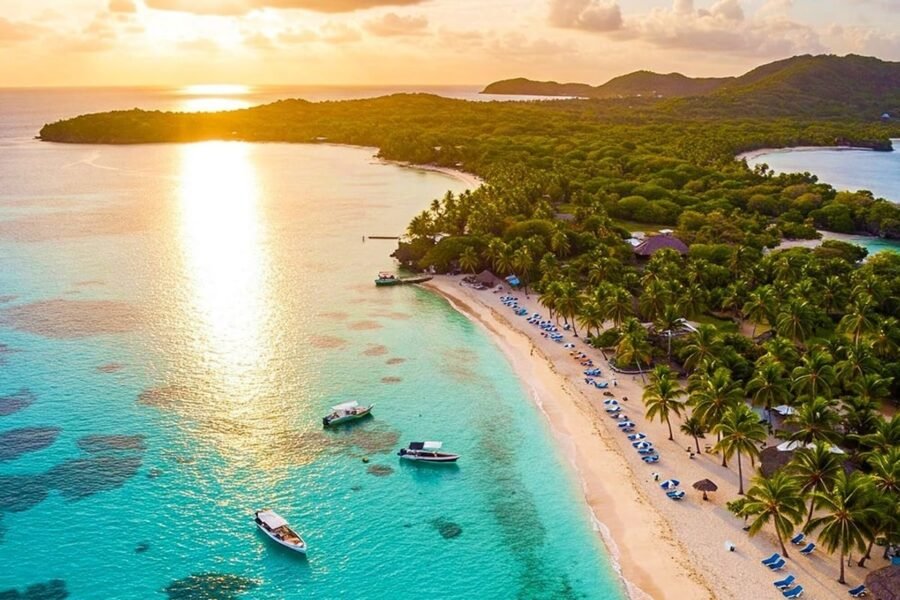
Saona Island sits 19 kilometers south of the Dominican Republic’s mainland, roughly a 30-minute speedboat ride from the fishing village of Bayahíbe. It forms part of Cotubanamá National Park, a protected area that covers the island’s 110 square kilometers of dry tropical forest, mangrove lagoons, and white sand beaches. The island has no airport, no bridge, and no public ferry service. Every visitor arrives by boat.
Distance from major hubs: Bayahíbe is the departure point and sits 25 minutes south of La Romana, about 45 minutes south of Punta Cana, and roughly 90 minutes east of Santo Domingo. Most tour operators include round-trip hotel transfer from Punta Cana and La Romana resorts in the ticket price. If you are staying in Santo Domingo, expect a longer transfer day or plan to overnight in Bayahíbe the night before.
Maya’s honest take: “Bayahíbe itself is a charming little fishing town with a few good seafood spots right on the water. If you have the flexibility, staying a night here before your Saona trip cuts the transfer time to almost nothing and gives you a much more relaxed morning.”
The 4 ways to visit Saona Island, compared
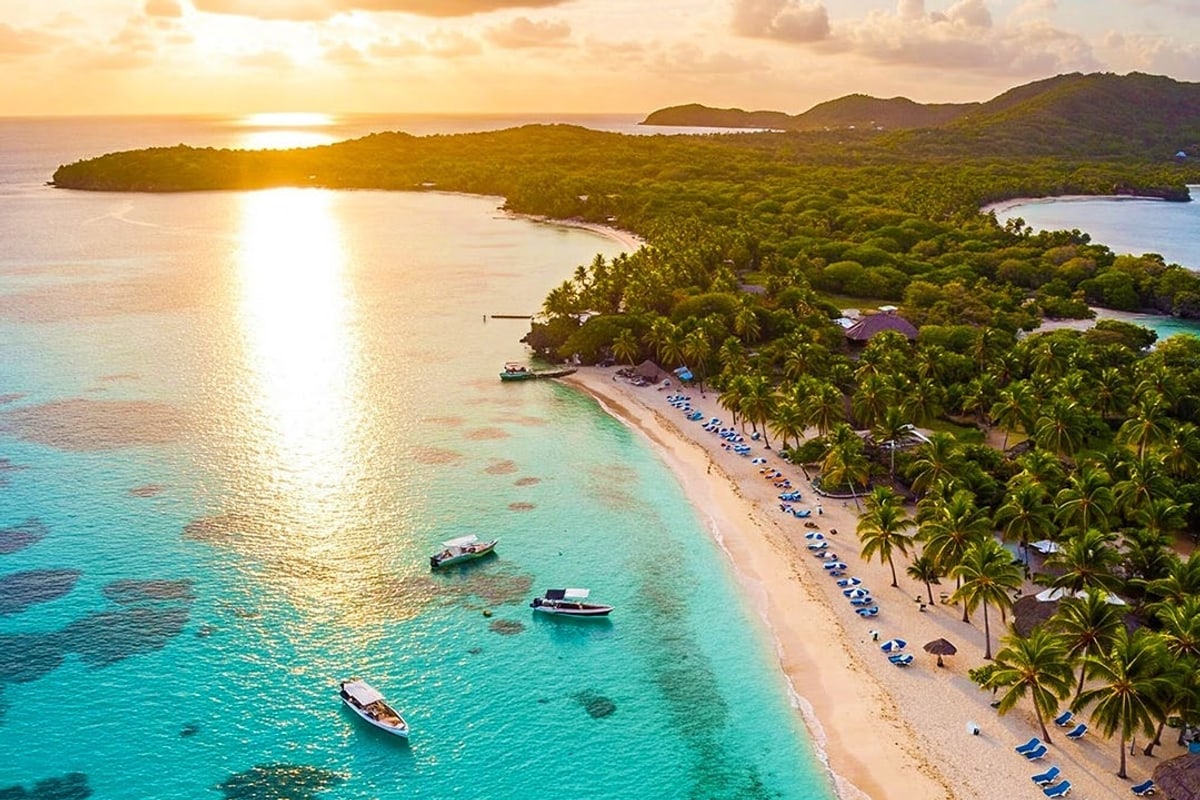
Every trip to Saona starts at the Bayahíbe dock. From there, you have four real options. I have laid them out side by side below so you can see what you get at each price point without scrolling through five different sales pages.
Group Catamaran
Price: $75–$90 USD per person
Duration: Full day, 8–9 hours door to door
Crowd level: High (40–80 people per boat)
Best for: Families, relaxed travellers who want a smooth ride and a social atmosphere
The slow, stable crossing takes about 90 minutes each way. Lunch is served at Mano Juan, and the natural pool stop is included. Expect a lively but not aggressive party vibe.
Shared Speedboat
Price: $55–$70 USD per person
Duration: Full day, 8 hours door to door
Crowd level: Very high (30–50 people packed tightly)
Best for: Budget travellers who do not mind a bumpy, fast ride and loud music
The crossing is 45 minutes of spray and engine noise. Stops are shorter and the beach time feels rushed. This is the “party bus” option and it shows.
Private Charter
Price: $400–$800 USD total (up to 8–10 people)
Duration: Custom (6–9 hours typical)
Crowd level: None. Just your group.
Best for: Families with kids, photographers, honeymooners, anyone who wants the sandbar empty
You set the departure time and the order of stops. Leave early and reach the natural pool before the mass boats arrive. This is a completely different experience.
DIY / Public Boat
Price: Variable, roughly $30–$50 USD round trip
Duration: Unpredictable schedule
Crowd level: Low on the crossing, but you share beach areas
Best for: Independent, Spanish-speaking travellers comfortable with uncertainty
Public boats leave Bayahíbe sporadically, mostly serving locals and Mano Juan residents. There is no fixed timetable. You need to arrange your own food, shade, and return. This option sounds romantic but rarely works smoothly for a single-day visitor.
Which tour is right for you?
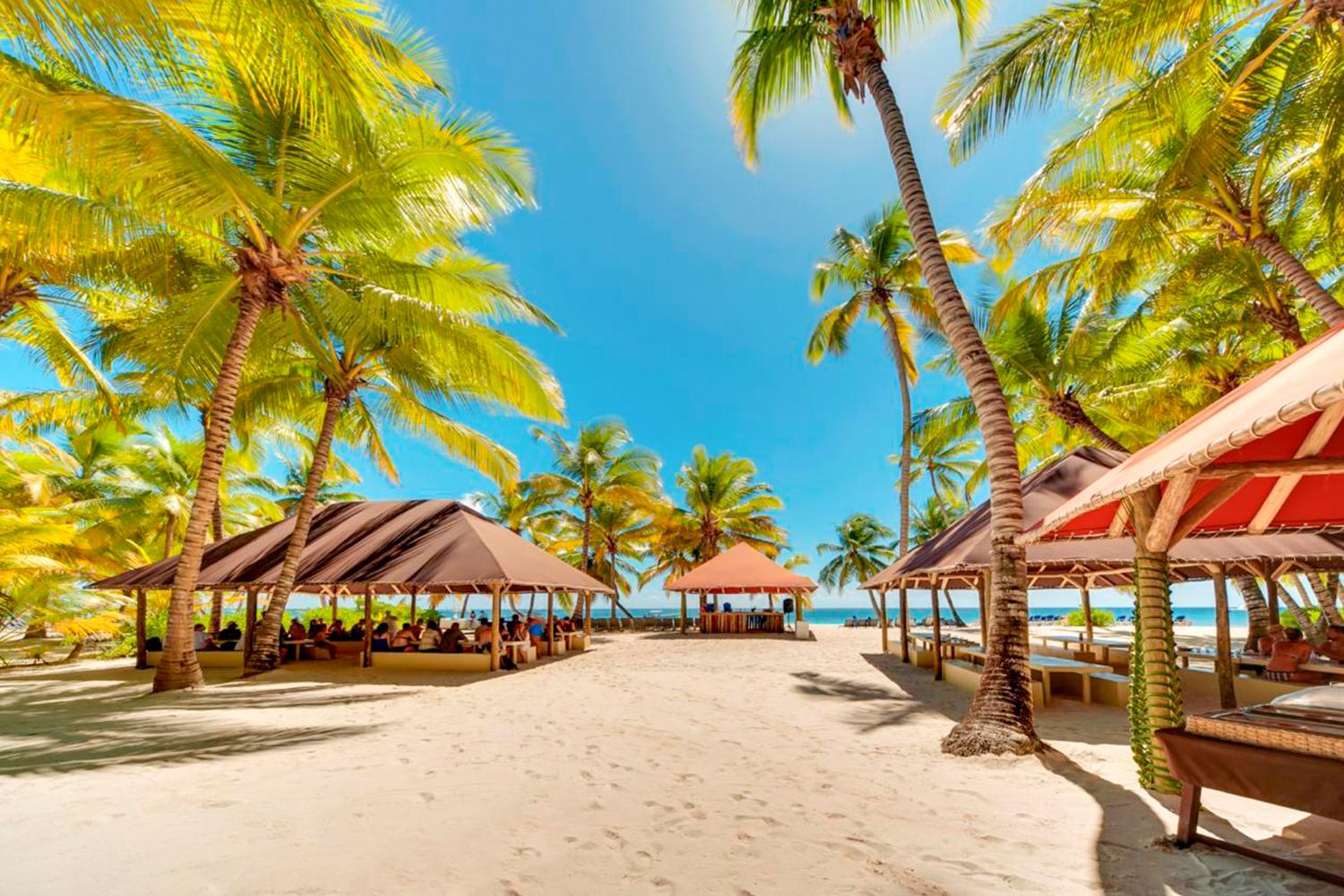
The right choice depends less on your budget than on your tolerance for crowds and noise. A honeymoon couple on a tight budget will still have a better day on a catamaran than a speedboat. A group of six friends celebrating a birthday might love the speedboat chaos. Here is how I would match the options to different traveler types.
Families with young children: Book a private charter or a catamaran. The speedboat is too rough and loud for small kids. The private boat lets you control the pace and leave when the kids are tired rather than waiting for a group schedule.
Couples and honeymooners: Private charter, even if it means trimming another excursion from your trip budget. The difference between a crowded catamaran and a quiet beach with just the two of you is the difference between a checkbox activity and a genuine memory.
Solo travelers and backpackers: The shared catamaran gives you the best balance of cost and comfort. You will meet other travelers, the pace is relaxed, and the lunch is decent. Avoid the cheapest speedboat unless you genuinely enjoy a loud party scene.
Cruise ship passengers with limited hours: This is tight. A cruise port call in La Romana gives you roughly six to eight hours. A private speedboat charter that departs Bayahíbe early and returns by early afternoon is the only way to make Saona work on a cruise schedule. Confirm the return time in writing before you pay.
Best time to visit Saona Island
The Dominican Republic’s dry season runs from December through April. These months give you the calmest sea conditions for the crossing and the clearest water at the natural pool. February and March are peak tourist months, so the shared boats fill completely and the beaches feel busy. May and June bring brief afternoon showers but noticeably thinner crowds. Hurricane season officially spans June through November, with September and October carrying the highest risk of trip cancellations due to rough seas or storms.
If you have scheduling flexibility, aim for a midweek departure, Tuesday through Thursday. Saturday trips sell out and the main beach area feels packed. Early morning departures, regardless of the month, give you the softest light and the fewest people at the sandbar.
Maya’s honest take: “I went once in March and once in October. March was flawless weather but the beach felt like a public park. October gave us an hour of rain followed by nearly empty sand because the other boats had turned back early. I would choose October again.”
What to see and do on Saona Island
The typical tour follows a set route, but knowing what is actually on offer helps you understand where your time goes. Group tours spend roughly 45 minutes at the natural pool, 90 minutes at Mano Juan village for lunch, and another 60 to 90 minutes at a swimming beach. Private charters can linger at any stop or skip the village entirely.
@bonsejourdominicana A day in paradise on Saona Island 🇩🇴✨ Picture yourself sailing across turquoise waters, walking on pristine white-sand beaches, and swimming in the crystal-clear Caribbean Sea 🌴🌊 Far from the crowds, Saona Island offers the perfect escape to relax, soak up the sun, and experience some of the most breathtaking landscapes in the Dominican Republic 🤍 From natural pools to postcard-perfect scenery, every moment feels like a dream come true ✨ 📩 Ready to discover Saona Island? Book your excursion on bonsejourtravels.com (link in bio) More info via WhatsApp: +41 77 290 65 24 🤳 #saonaisland #puntacana #dominicanrepublic #caribbean #islandlife
The natural pool (Palmilla sandbank)
This is the postcard shot. A shallow sandbank roughly 500 meters offshore where the water stays consistently knee- to waist-deep. The bottom is soft white sand, and starfish gather in the seagrass patches. Boats anchor side by side here, and the crew wades out with drinks. Park rangers strictly prohibit lifting starfish above the water surface. Touching them introduces harmful bacteria, and rangers patrol in small skiffs to enforce the rule.
Mano Juan Village
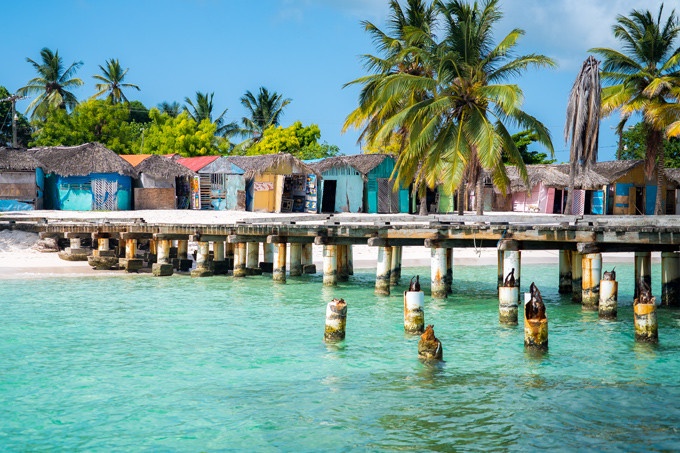
The only inhabited settlement on Saona, home to roughly 500 people. The village consists of colorful wooden houses, a small school, and a few simple eateries. Tours stop here for a buffet lunch served under a shaded palapa: grilled chicken, rice and beans, pasta salad, and fresh fruit. Vegetarian options are limited. After lunch, you can walk the beach or buy handicrafts from local vendors. It is a quiet, working fishing community, not a tourist strip.
The beaches
Playa El Toro and Canto de la Playa are the two stretches most tours visit for swimming time. The sand is powdery white, the water stays shallow far out, and the tree line offers shade. These beaches are beautiful, but on a busy day they fill with multiple tour groups simultaneously. The private charters often skip the main beach and anchor at a quieter cove instead.
Turtle nesting and the turtle sanctuary
Saona’s isolated beaches are critical nesting habitat for hawksbill, green, and leatherback sea turtles. Nesting season runs roughly from May through October. A small turtle sanctuary operates near Mano Juan, and some tours include a brief visit. Park rangers monitor nesting sites, and visitors are not permitted to approach nesting turtles without authorized guides.
What tour sites don’t tell you about Saona Island:
Tour operator pages describe Saona like an untouched screensaver. The reality is more mixed. None of these downsides ruin the experience if you know about them ahead of time, but walking in blind can leave you disappointed.
- The main beach gets crowded. By midday, multiple catamarans and speedboats unload their passengers onto the same stretch of sand. It can feel more like a busy public park than a remote Caribbean island. Private charters that arrive early or visit a secondary cove avoid this entirely.
- The “open bar” is basic. On most group tours, the open bar means rum and cola, beer, and maybe a sugary pre-mixed cocktail. Premium spirits are not included. Bottled water is sometimes an extra charge.
- The speedboat crossing is rough. The Mona Passage gets choppy, especially on windy afternoons. I watched three people get sick on a single return trip. If you are prone to motion sickness, take medication before boarding and choose the catamaran.
- Starfish handling is common despite the rules. Many tour crews still pull starfish out of the water for photos because tourists ask. This kills the animals slowly. Do not ask for this photo, and do not let a guide pressure you into holding one.
- Weather cancellations happen with little notice. If the sea is too rough, tours cancel on the morning of departure. Reputable operators issue a full refund, but your day is suddenly open with no backup plan. September and October carry the highest cancellation risk.
- Vegetarian and allergy-friendly food is limited. The standard buffet is chicken and rice. If you have dietary restrictions, communicate them when booking and pack a protein bar as backup.
How much does a Saona Island trip really cost?
The ticket price you see advertised online is rarely the final number. Hotel pickup, lunch, and basic drinks are usually included in the base fare, but snorkel gear rental, premium bar drinks, professional photos taken by a crew member, and crew tips are extra. Budget an additional $20 to $40 USD per person on top of the ticket for tips and incidentals.
Prices below reflect the ranges I collected from operators in Bayahíbe and online aggregators in late 2024. Check the official website of your chosen operator for current pricing, as fuel surcharges and seasonal demand shift these numbers regularly.
Budget tier
$55–$70 USD per person
Shared speedboat. It includes transport, lunch, and a basic open bar. Expect crowds, loud music, and a rushed schedule. Crew tip not included.
Mid-range tier
$75–$90 USD per person
Shared catamaran. Smoother ride, more space, relaxed pace. Lunch, an open bar, and a natural pool stop are included. Better for families.
Premium tier
$400–$800 USD total group
Private speedboat or catamaran for up to 8–10 people. Custom schedule, early departure, empty sandbar, flexible lunch options. The experience gap between this and a group tour is enormous.
What to pack for Saona Island
You are on a boat for most of the day with limited shade and no shop. Packing light but smart makes the difference between a comfortable day and a burnt, dehydrated slog.
Non-negotiable
- Reef-safe sunscreen (chemical sunscreen is banned in the park)
- Dry bag for phone, wallet, and a towel
- Sunglasses with a strap
- Cash in small USD or Dominican pesos for tips and extras
- Motion sickness medication, taken 30 minutes before boarding
Nice to have
- Rash guard or long-sleeve swim shirt
- Water shoes for rocky patches near the shore
- Light cover-up for the air-conditioned bus transfer
- Protein bar if you have dietary restrictions
- Waterproof phone pouch for sandbank photos
Frequently asked questions
Is Saona Island worth visiting?
Yes, if you pick the right tour for your travel style. The natural pool sandbank and the soft white beaches are genuinely stunning. But a crowded speedboat trip with a rushed one-hour beach stop can feel like a long, bumpy day for very little reward. A catamaran or private charter transforms the experience completely and is worth the extra cost for most travelers.
Can you visit Saona Island without a tour?
Technically yes, but practically no for most visitors. Public boats leave Bayahíbe sporadically and primarily serve local residents. There is no fixed schedule, no guaranteed return time, and you must arrange your own food, water, and shade on the island. An organized tour is the only reliable way for a single-day visitor to experience Saona.
How long does it take to get to Saona Island?
The boat crossing from Bayahíbe takes roughly 45 minutes by speedboat or 90 minutes by catamaran. Add 30 to 45 minutes for a hotel transfer from Punta Cana or La Romana. A typical door-to-door day trip runs eight to nine hours total, with about three hours of actual island time.
Do I need a passport for Saona Island?
No separate passport or visa is required. Saona Island is part of the Dominican Republic and sits within Cotubanamá National Park. Carry the same photo ID you use on the mainland, but leave your original passport in your hotel safe and bring a photocopy or a clear photo on your phone.
What movies were filmed on Saona Island?
Scenes from Pirates of the Caribbean and the 1980 film The Blue Lagoon was shot on and around Saona Island. The island’s palm-lined beaches and clear shallow water made it a natural stand-in for a deserted tropical paradise. Some tour guides point out specific filming locations during the boat crossing.
Are there accommodations on Saona Island?
A handful of small, rustic guesthouses operate in Mano Juan Village, offering basic rooms with limited electricity and no hot water. These are not luxury stays, and they book out well in advance. Most visitors treat Saona as a day trip and stay in Bayahíbe, La Romana, or Punta Cana instead.
Is Saona Island safe for children?
Yes, especially on a catamaran or private charter. The shallow natural pool is ideal for young kids to splash safely. The speedboat crossing is rougher and louder, which can be overwhelming for small children. The catamaran’s stable, shaded deck is the better family choice.
What is the starfish etiquette on Saona Island?
Do not touch, lift, or remove starfish from the water. Park regulations explicitly prohibit handling them. Removing a starfish from the water, even briefly for a photo, introduces air into its vascular system and can cause a slow death. Rangers patrol the natural pool area and issue fines for violations.
Plan your trip: booking platforms we trust
I recommend platforms that offer clear cancellation policies and verified guest reviews, because tour quality on this route varies noticeably from one operator to the next. Look closely at recent reviews that mention crowd size and boat condition, not just the star rating.
Best for comparing Saona tours with real traveler photos and honest recent reviews about crowd size.
Best for reading detailed reviews that mention specific crew names and boat conditions before booking.
Best for bundling your Punta Cana or Bayahíbe hotel with Saona tour add-ons at checkout.
Best for package deals that combine flights, Punta Cana resorts, and Saona excursions in one booking.