Top tourist attractions in Italy range from iconic cities and ancient landmarks to breathtaking coastlines and hidden cultural gems.
Fact-Checked By: Maya Whitfield—Senior Travel Editor at WakaAbuja
30 Best Places to Visit in Italy, Ranked by Region and Days Needed, includes the Colosseum in Rome, the canals of Venice, the Duomo in Florence, the Cinque Terre coastline, the Amalfi Coast, and the ancient ruins of Pompeii. For a first trip, budget 3 days for Rome, 2 for Venice, 2 for Florence, and 3 to 4 days for either the Amalfi Coast or Cinque Terre, with advance bookings required for the Colosseum and Vatican Museums.
Italy has more UNESCO World Heritage Sites than any other country on earth, and that is before you count the coastline, the mountains, and the food. The hard part is not finding something worth seeing. The hard part is narrowing 30 incredible places down to a trip you can actually take.
Here is the list, organized by region, with how many days to budget for each one, what to book ahead, and the insider tip that saves you an hour in a queue.
Jump to: At a Glance | Rome | Venice & the Northeast | Tuscany | Amalfi Coast & South | Sicily & Islands | Dolomites & North | How Many Days You Need | FAQ
Key takeaways
- Do not try to see all 30 in one trip. Pick one region or two adjacent regions and go deep instead of spending half your trip on trains.
- Book the Colosseum, Vatican Museums, and Last Supper at least 2 to 4 weeks ahead. Timed entry sells out.
- Rome needs 3 full days minimum. Venice and Florence each need 2. The Amalfi Coast or Cinque Terre needs 3 to 4.
- Shoulder season wins. May, late September, and early October offer decent weather with far fewer crowds than July.
- A rental car is a liability in cities. Use trains for Rome, Venice, and Florence. Rent a car only for Tuscany, the Dolomites, or rural Sicily.
- Some attractions are overrated for the wait. The Trevi Fountain is better at 7 a.m. than 7 p.m., and the Leaning Tower of Pisa is skippable if you are short on time.
Italy’s Top Attractions at a Glance
This table is for the traveler who wants the short version. Each entry includes the region, how many days you realistically need, whether advance booking is required, and the best season to visit. Use this to decide which region to prioritize, then read the full entries below.
Rome and Lazio
Top sights: Colosseum, Vatican Museums, Trevi Fountain, Pantheon
Days needed: 3 full days
Book ahead: Colosseum and Vatican, yes.
Best season: April-May or late September-October
Venice and the Northeast
Top sights: St. Mark’s Basilica, Doge’s Palace, Rialto Bridge, Burano
Days needed: 2 full days
Book ahead: St. Mark’s Basilica, yes.
Best season: April-June or September
Florence and Tuscany
Top sights: Duomo, Uffizi Gallery, David, Siena, San Gimignano
Days needed: 2 in Florence, plus 2 for the countryside
Book ahead: Uffizi and Accademia, yes.
Best season: May or October
Amalfi Coast and South
Top sights: Positano, Amalfi, Ravello, Pompeii, Matera
Days needed: 3 to 4 days
Book ahead: Pompeii timed entry recommended
Best season: May-June or September
Sicily and the Islands
Top sights: Valley of the Temples, Taormina, Mount Etna, Ortigia
Days needed: 5 to 7 days
Book ahead: Mount Etna tours, yes.
Best season: April-June or October
Dolomites and the North
Top sights: Tre Cime, Lago di Braies, Verona, Lake Como
Days needed: 3 to 4 days
Book ahead: Lake Como ferries in summer, yes.
Best season: June-September for hiking, winter for skiing
Rome: The Must-See Attractions
Rome rewards the traveler who books ahead and starts early. The Colosseum and Vatican Museums are the two places where planning makes the biggest difference. Show up without a timed ticket in July and you will stand in a queue for two hours or get turned away entirely.
The Colosseum
Why it matters: The largest ancient amphitheater ever built and the symbol of Rome.
Days needed: Half a day with the Forum and Palatine Hill.
Insider tip: Book the first entry slot at 8:30 a.m. The light is better for photos, and the crowds are half what they are by noon.
Vatican Museums and St. Peter’s Basilica
Why it matters: The Sistine Chapel ceiling alone justifies the trip, and St. Peter’s is the largest church in the world.
Days needed: One full day.
Insider tip: Book the early-entry Vatican tour that gets you into the Sistine Chapel before general admission. It costs more, but it is the only time the room is not shoulder-to-shoulder.
The Pantheon and Trevi Fountain
Why it matters: The Pantheon is the best-preserved ancient Roman building, and the Trevi Fountain is the most famous fountain in the world.
Days needed: Two hours combined.
Insider tip: Go to the Trevi Fountain at 7 a.m. for an empty photo, then walk to the Pantheon when it opens. Both are free.
Venice and the Northeast: Canals, Islands, and the Dolomites
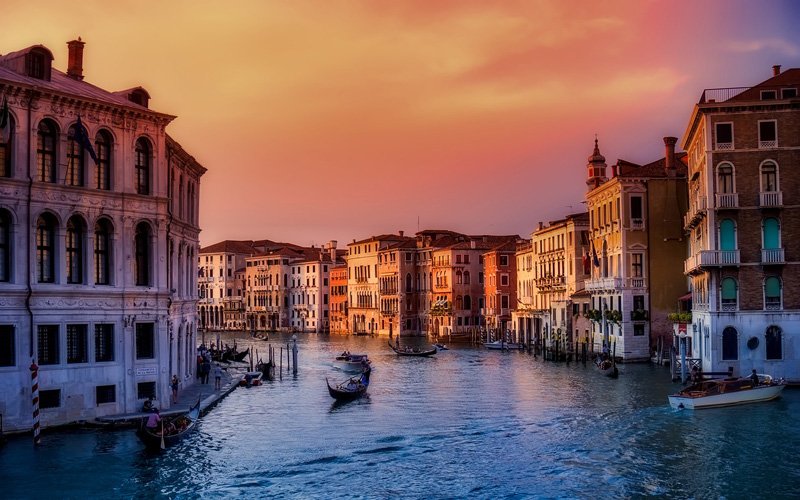
Venice is crowded, expensive, and sinking, and it is still worth every minute. The key is to stay on the islands, not in Mestre on the mainland, so you get the quiet early morning hours before the day-trippers arrive.
St. Mark’s Basilica and Doge’s Palace
Why it matters: The heart of Venetian power and the most ornate church in the city.
Days needed: One full day.
Insider tip: Book the Secret Itineraries tour of the Doge’s Palace. It takes you through hidden passageways and avoids the main ticket line.
Burano and Murano
Why it matters: Burano is the colorful fishing village you have seen in every Venice photo. Murano is the glass-blowing island.
Days needed: Half a day.
Insider tip: Take the vaporetto to Burano first, early. By 11 a.m. the main square is a wall of people.
Florence and Tuscany: Art, Hills, and Wine
Florence is compact and walkable, but the countryside is where Tuscany slows down. If you only have time for one region outside Rome, make it this one.
The Duomo and Uffizi Gallery
Why it matters: Brunelleschi’s dome is an engineering marvel, and the Uffizi holds the best Renaissance collection in the world.
Days needed: One full day.
Insider tip: Book the Uffizi for a Tuesday morning. It is the quietest day of the week.
Siena and San Gimignano
Why it matters: Siena’s Piazza del Campo is one of the best medieval squares in Europe, and San Gimignano is the hill town with the famous towers.
Days needed: One day for both.
Insider tip: Rent a car for this day. The drive through the Val d’Orcia is half the experience.
The Amalfi Coast and the South: Cliffs, Lemons, and Ruins
The Amalfi Coast is stunning and logistically annoying. The road is narrow, parking is nearly impossible, and the buses are packed. Go in May or September, and stay in one town instead of trying to see all of them.
@maheenbukhari7 On day 2 we explored south of Italy. Booked this tour online through app viator online. Lovely experience overall💛 #amalficoast #positano #sorrento #southitaly #traveltiktok
Positano and Ravello
Why it matters: Positano is the cliffside village you see on postcards. Ravello is quieter and higher up, with the best views on the coast.
Days needed: Two days.
Insider tip: Stay in Ravello and visit Positano by bus or boat. Positano is prettier from above than from inside.
Pompeii
Why it matters: The best-preserved Roman city in the world, buried by Vesuvius in 79 AD.
Days needed: Half a day to a full day.
Insider tip: Enter at the Porta Marina entrance, not the main gate. The line is shorter and you start at the Forum.
Sicily and the Islands: Temples, Volcanoes, and Baroque Towns
Sicily feels like a different country from mainland Italy, and in many ways it is. The food is different, the architecture is different, and the pace is slower. Give it a week if you can.
Valley of the Temples and Taormina
Why it matters: The Greek temples at Agrigento are among the best preserved outside Greece, and Taormina is the glamorous hill town with the ancient theater.
Days needed: Two to three days.
Insider tip: Visit the Valley of the Temples at sunset. The stone glows gold and the crowds are gone.
Mount Etna
Why it matters: Europe’s largest active volcano, with lunar landscapes and wineries on its slopes.
Days needed: One full day.
Insider tip: Book a guided tour that includes the cable car. Do not try to hike to the summit independently unless you are experienced.
The Dolomites and the North: Mountains, Lakes, and Medieval Cities
The Dolomites are the most dramatically beautiful mountains in Europe, and they are surprisingly easy to reach from Venice or Verona. Lake Como and Verona are the other northern highlights.
Tre Cime di Lavaredo and Lago di Braies
Why it matters: Tre Cime is the iconic three-peaked mountain, and Lago di Braies is the emerald lake you have seen on Instagram.
Days needed: Two to three days.
Insider tip: Hike Tre Cime counterclockwise and start before 8 a.m. The light is better and the trail is empty.
Lake Como and Verona
Why it matters: Como is the romantic lake with grand villas, and Verona is the city of Romeo and Juliet with a real Roman arena.
Days needed: Two days.
Insider tip: Skip the Juliet balcony, it is a tourist trap. Walk the Verona Arena instead, especially for an opera in summer.
How Many Days Do You Need in Italy?
The honest answer is that Italy deserves a lifetime, and you have a week or two. Here is how to allocate your days depending on trip length.
7 days
Do Rome (3 days), Florence (2 days), and one side trip to Siena or Pisa (1 day). Skip Venice unless you fly into it.
10 days
Add Venice (2 days) and take the train between cities. This is the classic Rome-Florence-Venice route.
14 days
Add either the Amalfi Coast (3 to 4 days) or the Dolomites (3 to 4 days), depending on whether you want coastline or mountains. Do not try to do both in one trip unless you love trains.
Frequently asked questions about Italy’s top attractions
What is the number one tourist attraction in Italy?
The Colosseum in Rome is the most visited and most iconic single attraction in Italy. It draws over 7 million visitors a year. Book a timed entry ticket at least 2 weeks ahead during peak season.
How many days do I need for Rome, Venice, and Florence?
Rome needs 3 full days. Venice and Florence each need 2 full days. Add travel time between cities, and you are looking at 8 to 10 days minimum for the classic three-city route.
Do I need to book the Colosseum in advance?
Yes. Timed entry tickets sell out 2 to 4 weeks ahead in high season. Book on the official Colosseum website or through a reputable tour operator. Same-day tickets are rarely available.
What is the best month to visit Italy to avoid crowds?
Late September and early October are the sweet spot. The weather is still warm, the summer crowds are gone, and hotel rates drop 20 to 30 percent from July peaks (confirm the latest price directly with the operator). May is the other good option.
Is a rental car necessary for Italy?
No for the major cities. Trains connect Rome, Florence, Venice, and Naples efficiently, and driving in those cities is a headache. Rent a car only for Tuscany, the Dolomites, or rural Sicily, where public transport is limited.
What are the most overrated tourist attractions in Italy?
The Leaning Tower of Pisa is skippable if you are short on time. The Juliet balcony in Verona is a crowded, underwhelming photo stop. The Trevi Fountain is beautiful but not worth the midday crowd, go early instead.
Is Italy safe for tourists?
Yes, Italy is generally safe for tourists. The main risks are pickpocketing in crowded areas like the Rome metro, the Colosseum, and the Venice vaporettos. Keep your valuables in a front pocket or zipped bag and stay alert in busy spots.
Plan your trip: booking platforms we trust
These are the platforms I actually use to plan and book Italy trips. Always cross-check official attraction sites against at least one of these before paying.
Booking.com
Best for comparing hotel rates in Rome, Florence, and Venice.
Expedia
Useful for bundling Italy flights and hotels into one package.
Kayak
Best for checking if Italy flight prices drop before you book.
GetYourGuide
Good for booking Colosseum tours, Vatican early entry, and Amalfi Coast boat trips.
TripAdvisor
Essential for reading recent reviews of hotels and restaurants in specific Italian cities.
Vrbo
Useful for renting a villa or apartment in Tuscany or the Amalfi Coast for a longer stay.
WakaAbuja does its best to keep all information accurate at the time of publishing. Prices, policies, and availability change regularly. Always verify with official sources before you travel. We are not liable for errors caused by outdated information. Travel insurance is strongly recommended.