
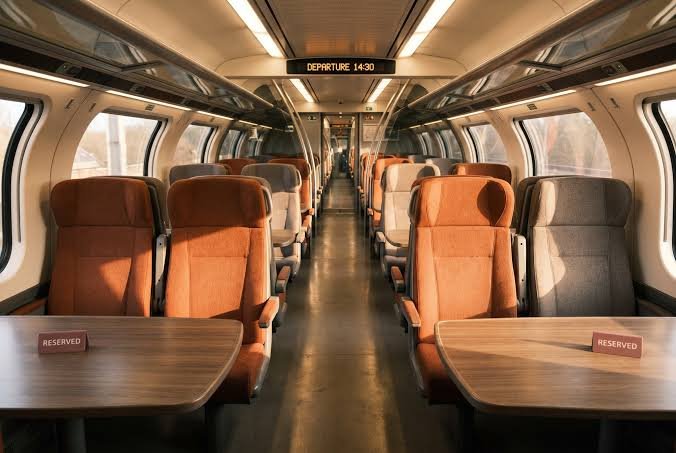
Train Tickets to Boston: Routes, Fares, and Which Station You Actually Need
Boston has three train stations, and booking the wrong one is the most common first-timer mistake. South Station handles Amtrak’s Northeast Regional, Acela, and long-distance trains. North Station handles the Downeaster from Maine and New Hampshire. Back Bay is a secondary stop on the same Amtrak routes as South Station. Fares from New York City typically run $35 to $150 one way depending on how early you book and whether you take Acela or the Northeast Regional (confirm current fares on the Amtrak site), and the trip takes about 3 hours 45 minutes on the Northeast Regional.
I have taken the train into Boston more times than I can count, from New York, from Philadelphia, and once from Portland, Maine, on a snowy Friday in December when the Downeaster was the only thing moving.
Every single time, someone on the platform is confused about which station they booked. This guide fixes that, and it answers the fare, timing, and booking questions Amtrak’s own page mostly skips.
Jump to: Which Station | Fares by City | When to Book | Train vs Fly vs Drive | Discounts | FAQ
Key takeaways
- South Station is the main Amtrak hub in Boston. North Station is a separate station for the Downeaster from Maine and New Hampshire. They are not connected by a direct rail link.
- Acela is the fastest option from New York and Washington but costs roughly two to three times the Northeast Regional fare (check current fares on the Amtrak site).
- The Northeast Regional from New York to Boston takes about 3 hours 45 minutes and typically costs $35 to $150 one way depending on when you book (confirm current fares before you commit).
- Book two to four weeks ahead for the cheapest fares. Same-week bookings on peak days can double or triple the price.
- Tuesday, Wednesday, and Saturday are usually the cheapest days to travel. Friday afternoon and Sunday evening are the most expensive.
- MBTA Commuter Rail is a cheaper option for regional trips from Providence, Worcester, and some New Hampshire towns, but it does not connect to Amtrak’s national network.
- Amtrak Guest Rewards points can be redeemed for Boston routes, and the program is free to join.
Which Boston train station do you need?
South Station, North Station, and Back Bay are all in Boston, and they serve different routes. Booking the wrong one means a taxi across downtown or a missed train. Here is the rule in one sentence: if you are coming from New York, Philadelphia, Washington, or anywhere south or west, you want South Station or Back Bay. If you are coming from Maine or New Hampshire on the Downeaster, you want North Station.
South Station is the largest and the busiest. It handles all Northeast Regional trains, all Acela trains, and the long-distance Lake Shore Limited. It is also where the MBTA Red Line and Silver Line connect, which makes onward transit easy. If you are not sure which station to pick, South Station is almost always the right answer.
Back Bay is a secondary stop on the same Amtrak routes as South Station. It sits in the Back Bay neighborhood near Copley Square and is more convenient if your hotel is in that part of the city. The catch is that not every train stops there, so check the schedule before you book.
North Station is a completely separate station, about a 15-minute walk or short subway ride from South Station. It serves the Downeaster, which runs from Brunswick, Maine, through Portland, Saco, and Durham to Boston. It also serves MBTA Commuter Rail lines to the northern suburbs. If you are coming from Maine or New Hampshire, this is your station.
Maya’s honest take: “The single most common mistake I see is booking a Downeaster ticket and then planning to arrive at South Station. They are not the same place. If you are coming from Maine, the station on your ticket will say North Station, and you need to trust it.”
South Station
- Northeast Regional from NYC, Philly, and DC
- Acela from NYC, Philly, and DC
- Lake Shore Limited from Chicago
- Red Line and Silver Line connections
North Station
- Downeaster from Brunswick and Portland, Maine
- Downeasters stop in NH, including Durham
- MBTA Commuter Rail to northern suburbs
- Green Line and Orange Line connections
What do train tickets to Boston typically cost by starting city?
Fares vary by how far ahead you book, which train you take, and which day you travel. These are realistic ranges based on what I have paid and what I have confirmed on the Amtrak site recently. Treat them as planning numbers, not quotes.
From New York City
Northeast Regional: $35 to $150 one way (confirm current fares on the Amtrak site)
Acela: $100 to $250 one way (check current fares)
Travel time: About 3 hours 45 minutes on Northeast Regional, 3 hours 30 minutes on Acela
From Philadelphia
Northeast Regional: $50 to $170 one way (confirm current fares)
Acela: $120 to $280 one way (check current fares)
Travel time: About 5 hours 15 minutes on Northeast Regional
From Washington, DC
Northeast Regional: $70 to $200 one way (confirm current fares)
Acela: $150 to $350 one way (check current fares)
Travel time: About 8 hours on Northeast Regional, 6 hours 45 minutes on Acela
From Portland, Maine
Downeaster: $25 to $35 one way (confirm current fares on the Amtrak site)
Travel time: About 2 hours 30 minutes
From Albany, NY
Lake Shore Limited: $50 to $140 one way (check current fares)
Travel time: About 5 hours
From Brunswick, Maine
Downeaster: $30 to $40 one way (confirm current fares)
Travel time: About 3 hours 20 minutes
If you are booking flights as a backup or for a return leg, compare fares to Boston Logan on Kayak before you commit to a train-only plan. Sometimes the train wins on price and convenience, sometimes it does not, and it depends entirely on your origin city and travel dates.
How far ahead should you book train tickets to Boston?
The short answer is two to four weeks for the cheapest fares on the Northeast Corridor, and the savings are real. Amtrak uses yield-based pricing similar to airlines, which means the fare rises as the train fills. Booking the day before a Friday departure from New York can cost three times what the same seat costs three weeks out.
Best booking window by route
For Northeast Regional and Acela between New York, Philadelphia, Washington, and Boston, book two to four weeks ahead. For the Downeaster from Maine, one to two weeks is usually enough, though holiday weekends fill faster. For long-distance routes like the Lake Shore Limited, book one to two months ahead if you want a sleeper.
Cheapest days to travel
Tuesday, Wednesday, and Saturday are consistently the cheapest days on the Northeast Corridor. Friday afternoons and Sunday evenings are the most expensive, because that is when everyone travels. If your schedule is flexible, shifting a trip by one day can cut the fare in half.
Cheapest times of day
Early morning departures before 7 AM and late evening departures after 8 PM are usually cheaper than midday trains. The trade-off is obvious, but if you are price-sensitive, it is the single biggest lever you have.
When to buy with points
Amtrak Guest Rewards points can be redeemed for Boston routes, and the redemption value is usually best on Acela and long-distance trains rather than cheap Northeast Regional fares. Join the program before you book, even if you are only taking one trip. It is free, and the points add up.
Train vs flying vs driving to Boston: which makes sense?
The right answer depends on your starting city. Here is how the three options compare for the most common origins, based on times and costs I have actually paid.
From New York City
- Train: 3.5 to 4 hours, $35 to $150 (confirm current fares)
- Fly: 1 hour in the air, but 4 to 5 hours door to door with security and transfers
- Drive: 3.5 to 5 hours depending on traffic, plus tolls and parking
From Washington, DC
- Train: 6.75 to 8 hours, $70 to $350 (check current fares)
- Fly: 1.5 hours in the air, about 4 hours door to door
- Drive: 7 to 9 hours depending on traffic
From Portland, Maine
- Train: 2.5 hours, $25 to $35 (confirm current fares)
- Fly: No practical direct option
- Drive: 2 hours, but parking in Boston is expensive
The train wins on the Northeast Corridor because it drops you in downtown Boston, not an airport 20 minutes out. When you factor in security lines, baggage claim, and the taxi into the city, the train is usually faster door to door from New York and competitive from Philadelphia. From DC, flying is faster, but the train is more comfortable and predictable.
What discounts are available on train tickets to Boston?
Amtrak runs several discount programs, and most people do not check them before booking. Here is what is available and how to use it.
Children
Children ages 2 to 12 typically travel at half the adult fare on most Amtrak routes. Infants under 2 usually ride free on a parent’s lap. Check the current policy on the Amtrak site, since the rules have changed in recent years.
Seniors and students
Seniors 65 and older and students with valid ID can often get a discount on standard fares. The discount is usually 10 to 15 percent, and it does not always apply to the cheapest fare buckets. Compare the discounted fare against the standard fare before assuming the discount is worth it.
Groups
Groups of 20 or more can often get a discount by calling Amtrak directly rather than booking online. This is genuinely worth doing for family reunions or corporate travel, and the phone agents can sometimes access fares the website does not show.
Amtrak Guest Rewards
The loyalty program is free to join, and points can be redeemed for Boston routes. The best redemption value tends to be on Acela and long-distance trains. If you travel the Northeast Corridor more than once a year, this is worth setting up before your first trip.
MBTA Commuter Rail for regional trips
If you are coming from Providence, Worcester, or a New Hampshire town within the MBTA network, the Commuter Rail is often much cheaper than Amtrak. The trade-off is slower travel and less comfortable seating. The MBTA does not connect to Amtrak’s national network, so this only works for regional trips.
Maya’s honest take: “Do not skip the Amtrak Guest Rewards signup. It takes two minutes, it is free, and I have redeemed enough points for two free Acela trips in the last three years just from regular Northeast Corridor travel.”
What are the most common mistakes when booking train tickets to Boston?
I have made most of these, and I have watched other travelers make the rest.
Booking the wrong station
South Station, North Station, and Back Bay are different places. If your ticket says North Station, do not go to South Station. The two are about a 15-minute walk apart, and if you are running late, that is a missed train.
Booking too late
Same-week fares on peak days can be triple the price of fares booked three weeks out. If your travel dates are fixed, book early. If they are not, shift to a cheaper day.
Assuming Acela is always worth it
Acela saves about 15 to 30 minutes over the Northeast Regional between New York and Boston, and costs roughly two to three times as much (check current fares before deciding). For most travelers, the Northeast Regional is the better value. Acela makes more sense from DC, where the time savings are larger.
Ignoring the MBTA alternative
For trips from Providence, Worcester, or some New Hampshire towns, the MBTA Commuter Rail is often significantly cheaper than Amtrak for a similar journey. It is slower and less comfortable, but for a short regional trip it is worth comparing.
Not checking the fare class
Amtrak offers several fare classes on the same train, from non-refundable saver fares to flexible business class. If your plans might change, the cheaper non-refundable fare can cost you more in the long run. Read the change and cancellation terms before you click buy.
Forgetting about luggage rules
Amtrak allows two personal items and two carry-on bags per passenger on most trains, plus checked baggage on some routes. If you are traveling with more, check the specific route’s baggage policy before you book, since it varies.
Skipping travel insurance for a multi-leg trip
If Boston is one leg of a longer trip, travel insurance covers delays and cancellations that Amtrak will not. Our guide to travel insurance for travelers covers the basics.
Frequently asked questions
Which Boston station should I book for Amtrak?
South Station for all Northeast Regional, Acela, and long-distance trains from New York, Philadelphia, Washington, and Chicago. North Station for the Downeaster from Maine and New Hampshire. Back Bay is a secondary stop on the same Amtrak routes as South Station, convenient if your hotel is in that neighborhood.
How much does a train ticket to Boston cost from New York?
Northeast Regional fares typically run $35 to $150 one way, and Acela runs $100 to $250 one way (confirm current fares on the Amtrak site). The cheapest fares go to travelers who book two to four weeks ahead and travel on Tuesday, Wednesday, or Saturday.
How far ahead should I book train tickets to Boston?
Two to four weeks ahead for the best fares on the Northeast Corridor. One to two weeks is usually enough for the Downeaster from Maine. Long-distance trains with sleeper accommodations should be booked one to two months ahead. Same-week bookings on peak days can cost two to three times as much.
Is it cheaper to take the train or fly to Boston?
From New York and Philadelphia, the train is usually cheaper and faster door to door once you account for airport security and transfers. From Washington, DC, flying is faster but the train is competitive on price and more comfortable. From Maine, the train is the clear winner.
Does Amtrak offer discounts for children, seniors, or students?
Yes. Children ages 2 to 12 typically travel at half fare. Seniors 65 and older and students with valid ID often get 10 to 15 percent off standard fares. The discounts do not always apply to the cheapest fare buckets, so compare before assuming you are saving money. Check current rules on the Amtrak site.
What is the difference between Acela and the Northeast Regional?
Acela is Amtrak’s high-speed train on the Northeast Corridor, saving about 15 to 30 minutes between New York and Boston and much more from Washington, DC. It costs roughly two to three times the Northeast Regional fare (check current fares before deciding). The Northeast Regional is slower but cheaper and serves more stations.
Can I take the MBTA Commuter Rail instead of Amtrak to Boston?
Yes, for regional trips from places like Providence, Worcester, and some New Hampshire towns. The MBTA Commuter Rail is often cheaper than Amtrak for similar journeys, but slower and less comfortable. It does not connect to Amtrak’s national network, so it only works for short regional trips.
Can I bring luggage on Amtrak to Boston?
Amtrak allows two personal items and two carry-on bags per passenger on most Northeast Corridor trains, and checked baggage is available on some routes. Baggage policies vary by route, so check the specific train’s rules before you book if you are traveling with more than a standard carry-on.
Plan your trip: booking platforms we trust
I use these platforms because each one handles a different part of a Boston trip. Amtrak is the only place to book the train itself, so book there directly. For flights as a backup or return option, Kayak and Expedia give the clearest comparison. For hotels in Boston, Booking.com and Agoda have the widest range, and Hotels.com is worth checking if you collect their rewards. GetYourGuide handles tours once you arrive, and TripAdvisor is where I read reviews before committing.
Kayak
Flight price comparison if you are weighing train versus plane.
Expedia
Flight and hotel packages for a full Boston trip.
Booking.com
General hotel search across Boston neighborhoods.
Agoda
Wide hotel inventory, useful for Boston and Cambridge stays.
Hotels.com
Loyalty rewards bookings for repeat Boston visitors.
GetYourGuide
Tours and activities once you arrive in Boston.
TripAdvisor
Reviews and restaurant finds before you book.
WakaAbuja does its best to keep all information accurate at the time of publishing. Prices, policies, and availability change regularly. Always verify with official sources before you travel. We are not liable for errors caused by outdated information. Travel insurance is strongly recommended.