advertisement
25 Destinations to Visit in Japan: Sorted by Region, Season, and Budget (So You Can Actually Decide)
Fact-Checked By: Maya Whitfield, Senior Travel Editor at WakaAbuja — Senior Travel Editor at WakaAbuja
For a first trip to Japan, 10 to 14 days is the right target, and you should build around regions rather than collecting cities. The Golden Route (Tokyo, Kyoto, Osaka) fits comfortably in 7 to 10 days. Add Hiroshima, Nara, or Hakone if you have 12 to 14 days. Budget roughly $142 per person per day for a mid-range trip including lodging, food, and transport (confirm current regional costs before booking). A 7-day Japan Rail Pass costs 53,000 yen as of October this year, or about $350 at current exchange rates (verify current pricing on the official site).
Most Japan guides hand you a list of 17 or 30 places and leave you to figure out how they fit together. I have planned three Japan trips and scrapped the first itinerary after realizing I had booked a route that required four trains a day and zero time to actually eat.
This guide sorts 25 destinations by region, season, and budget so you can decide in thirty seconds which ones belong in your trip and which ones belong on your next one.
Jump to: Regions at a Glance | Kanto | Kansai | Kyushu | Hokkaido | Okinawa | Trip Length | FAQ
Key takeaways
- Build your trip around regions, not a flat list of cities. Tokyo, Kyoto, and Osaka are the Golden Route for a reason: they are connected by shinkansen, and each deserves real time.
- Budget around $142 per person per day for a mid-range trip (confirm current costs before booking). Backpackers can manage on less, but comfort costs more.
- A 7-day Japan Rail Pass costs 53,000 yen for adults as of October this year (verify current pricing on the official site). Buy individual tickets instead if you are staying in one region.
- Kyoto is overrun. Start at Fushimi Inari before 7:00 AM, and you will have the torii gates almost to yourself.
- Hokkaido is for powder snow and lavender fields. Okinawa is for beaches and island hopping. They are opposite ends of the country and opposite seasons.
- Cherry blossom season runs late March to early April. Fall foliage peaks in November. Both are beautiful, and both are crowded. May and October are quieter sweet spots.
- Do not try to see all of Japan in one trip. Seven days gets you Tokyo and Kyoto. Ten adds Osaka. Fourteen adds one more region .
What are the main regions to visit in Japan?
Japan splits into nine official tourism regions, but for trip planning purposes you only need to think about five. Kanto is Tokyo and around it. Kansai is Kyoto, Osaka, Nara, and Kobe. Kyushu is the southern island. Hokkaido is the northern island. Okinawa is the subtropical chain far to the south.
The Golden Route covers Kanto and Kansai. It is the default first-trip itinerary, and it works because the Shinkansen connects Tokyo, Kyoto, and Osaka in a straight line. Adding Kyushu, Hokkaido, or Okinawa means a domestic flight and a completely different climate.
Golden Route
- Tokyo, Kyoto, Osaka
- 7 to 10 days minimum
- Shinkansen connected
- Best for first-timers
Regional add-ons
- Hiroshima and Miyajima
- Nara and Hakone
- Kanazawa and Takayama
- Each adds 2 to 3 days
Island detours
- Hokkaido: skiing, lavender
- Okinawa: beaches, island hopping
- Kyushu: onsen, volcanoes
- Requires domestic flight

Maya’s honest take: “I spent my first Japan trip trying to squeeze in Hokkaido and Okinawa alongside the Golden Route. I ended up exhausted and saw none of them properly. Pick one region beyond Kansai, or save it for trip two.”
Kanto: Where should you start in Tokyo and around it?
Kanto is the Tokyo metropolitan area and the surrounding prefectures. Tokyo alone can absorb a week if you let it, but most travelers give it three to four days. Here are the destinations worth your time.
1. Tokyo
Tokyo is not one destination. It is a collection of neighborhoods connected by an enormous transport network. Shibuya for the crossing. Shinjuku for neon and Golden Gai. Asakusa for Senso-ji and old Tokyo. Harajuku for youth culture. Ueno for museums and markets. Do not try to see it all. Pick two or three neighborhoods per day and explore them properly.
2. Nikko
A two-hour train from Tokyo gets you to the Toshogu shrine complex, a UNESCO World Heritage site of flamboyant red and gold buildings set among cedar forests. The Shinkyo bridge and the three monkeys carving are the photo stops. It works as a long day trip or an overnight.
3. Hakone
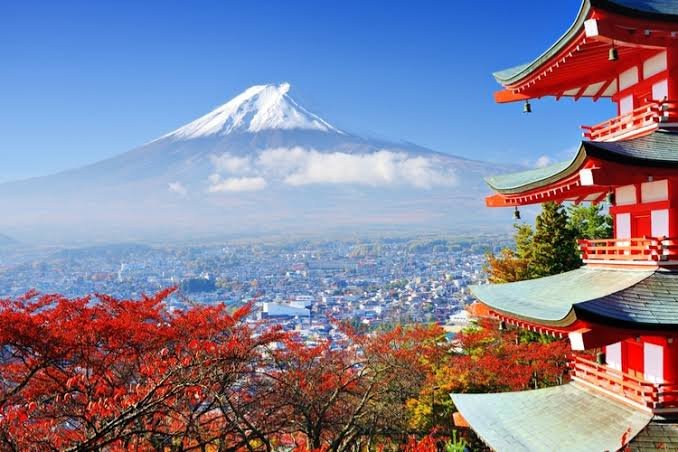
The classic Mount Fuji viewing spot. Onsen ryokans, Lake Ashi, and the Open Air Museum. Fuji is elusive, but autumn and early spring offer the clearest skies. A 90-minute train from Tokyo makes it an easy overnight.
4. Kamakura
An hour south of Tokyo, Kamakura is the former shogunate capital with the Great Buddha, bamboo temples, and hydrangea gardens in June. It works as a day trip and pairs well with a stop in Yokohama on the way back.
5. Ogasawara Islands
A 24-hour ferry from Tokyo gets you to a UNESCO Natural World Heritage site with pristine beaches and coral reefs. This is for travelers who want to truly unplug. The ferry runs weekly, so plan for a multi-day commitment .
Best for first-timers
- Tokyo: 4 to 5 days minimum
- Hakone: overnight for onsen and Fuji views
- Nikko or Kamakura: one day trip
Worth considering
- Ogasawara: only if you have a week to spare
- Yokohama: a half-day if you are passing through
Kansai: What are the must-visit destinations in Kyoto, Osaka, and beyond?
Kansai is the cultural heart of Japan. Kyoto, Osaka, Nara, and Kobe are all within an hour of each other by train. This is where you slow down and spend time in temples and eating.
6. Kyoto
Kyoto has more than 1,600 temples and shrines. Fushimi Inari, Kiyomizu-dera, Arashiyama Bamboo Grove, and the Gion district are the headline stops. It suffers from overtourism, but Kyoto rewards early risers. Fushimi Inari before 7:00 AM is a different experience entirely. February is underrated, with plum blossoms and fewer crowds.
7. Osaka
Osaka is Tokyo’s grittier, funnier sister. Dotonbori for street food. Kuromon Market for seafood. Osaka Castle for the postcard. The city is known for takoyaki and okonomiyaki, and the food alone justifies two nights.
8. Nara
Japan’s first fixed capital, 45 minutes from Kyoto. Todai-ji temple with its giant Buddha, Kasuga Taisha shrine with its lanterns, and hundreds of deer that bow for crackers. A half-day or full-day trip from Kyoto or Osaka.
9. Hiroshima and Miyajima
Hiroshima is a monument to peace, rebuilt after 1945. The Peace Memorial Park and Museum are essential. Miyajima, a short ferry ride away, has the floating torii gate of Itsukushima Shrine. It works as an overnight or a long day trip from Osaka.
10. Kobe
Thirty minutes from Osaka. Kobe is built around its harbor, with a compact Chinatown and the famous wagyu beef. It works as a half-day add-on rather than a standalone destination.
11. Kanazawa
Two and a half hours from Kyoto by train. Kanazawa has the Kenroku-en garden, one of Japan’s top three, the Higashi Chaya geisha district, and gold-leaf crafts. It is less crowded than Kyoto and rewards an overnight.
12. Takayama
In the Japanese Alps, Takayama preserves Edo-period streets and morning markets. It pairs well with Shirakawa-go, the UNESCO village of thatched-roof houses.
13. Shirakawa-go
A village of gassho-zukuri farmhouses with steep thatched roofs designed for heavy snow. Some houses are 250 years old and built without nails. You can stay overnight in a lodge.
Best for culture and temples
- Kyoto: 3 to 4 days
- Nara: day trip
- Kanazawa: 1 to 2 nights
Best for food and nightlife
- Osaka: 2 nights minimum
- Hiroshima: 1 night
- Kobe: half day
Kyushu: When should you go south for onsen and volcanoes?
Kyushu is the southernmost of Japan’s main islands. It is known for hot springs, active volcanoes, and a slower pace than the Golden Route. A domestic flight from Osaka or Tokyo gets you to Fukuoka in about an hour and a half.
14. Fukuoka
Fukuoka is famous for Hakata-style ramen and yatai food stalls along the river. It is a manageable city with good food and easy access to the rest of Kyushu .
15. Beppu
One of Japan’s most famous onsen towns, with more hot spring water than anywhere else in the country. The “hells” (jigoku) are steaming pools for viewing, not bathing. Stay in a ryokan and soak.
16. Kagoshima
Kagoshima sits across the bay from Sakurajima, an active volcano that regularly emits ash. The city has a subtropical feel and is the gateway to the Amami Islands.
17. Amami Islands
A subtropical island chain between Kyushu and Okinawa. Coral reefs, mangrove forests, and Oshima tsumugi silk. Less visited than Okinawa and a genuine off-path destination.
Hokkaido: When is the north worth the flight?
Hokkaido is Japan’s northernmost island and a completely different travel experience. It is known for powder snow in winter and lavender fields in summer. A flight from Tokyo takes about 90 minutes.
18. Sapporo
Sapporo is Hokkaido’s capital and famous for its Snow Festival in February, with giant ice sculptures. The city is also known for miso ramen and soup curry.
19. Niseko
Niseko is one of Japan’s best ski destinations, with some of the lightest powder snow in the world. Winter is the season, though summer brings hiking and rafting.
20. Furano
Furano is famous for its lavender fields, which peak in July. The rolling hills and flower farms make it a summer destination.
21. Daisetsuzan National Park
Hokkaido’s largest national park. Fall foliage arrives here in mid-September, earlier than anywhere else in Japan. Hiking is excellent once the snow clears.
Winter (Dec to Feb)
- Sapporo Snow Festival
- Niseko powder skiing
- Best for snow sports
Summer (Jul to Aug)
- Furano lavender fields
- Daisetsuzan hiking
- Escape from mainland humidity
Okinawa: When should you go for beaches and island hopping?
Okinawa is a subtropical island chain far south of the mainland, with a distinct culture shaped by the Ryukyu Kingdom. It is Japan’s beach destination, and it operates on a completely different seasonal calendar. May through July is the sweet spot. Avoid September due to typhoon risk .
22. Okinawa Main Island (Naha)
Naha is the urban base, with Shuri Castle, Kokusai Street, and the Makishi Public Market. Gyokusendo Cave and mangrove kayaking are nearby. The island has the highest concentration of hotels and services .
@hungrypursuit NAHA!! 😍🏝️ 5 things to do in Naha Okinawa Japan! Part 1 #naha #okinawa #thingstodo #okinawatrip #okinawajapan
23. Kerama Islands
About 40 kilometers west of Okinawa Main Island. Tokashiki, Zamami, and Aka are known for snorkeling, diving, and the “Kerama blue” water. Turtles are common. The islands are accessible by ferry .
24. Ishigaki
Ishigaki is in the Yaeyama chain, accessible by direct flight from mainland Japan. It is known for beaches, Japan’s largest coral reef, and diving with manta rays in summer .
25. Iriomote
Iriomote is the adventure island of the Yaeyamas, with mangrove forests, jungle hikes, and Japan’s only designated dark sky sanctuary for stargazing. It is reached by ferry from Ishigaki .
How many days do you need for Japan, and which destinations fit?
This is the question that decides everything else. Do not count your arrival day as a full sightseeing day. Long flights leave you useless for the first evening .
7 days: Tokyo and Kyoto
Three days in Tokyo, three in Kyoto, one travel day between them. This is tight but doable. You will not see Osaka, and you should not try to add it .
10 days: Tokyo, Kyoto, Osaka
Adds Osaka as a base for street food and a day trip to Nara. This is the most common first-trip length and it works because the shinkansen connections are fast .
14 days: Golden Route plus one region
Add Hiroshima and Miyajima, or Hakone, or Kanazawa and Takayama. Fourteen days gives you breathing room for weather and a slower pace .
21 days or more: island time
Add Hokkaido, Okinawa, or Kyushu. Each requires a flight and a separate itinerary. Do not try to combine two island detours in one trip.
What are the biggest mistakes people make when choosing Japan destinations?
I have made most of these. They all come from the same instinct: trying to see too much.
Trying to see all of Japan in one trip
Japan is not a small weekend destination. Tokyo alone can keep you busy for a week. Build your trip around regions, not a checklist of cities .
Underestimating train station navigation
Japanese stations are huge. A five-minute transfer on a map can feel like a fifteen-minute walk with luggage. Download your maps and check platform numbers before you arrive .
Assuming you need a nationwide JR Pass
The nationwide pass now costs 53,000 yen for 7 days (verify current pricing on the official site). For a Tokyo-Kyoto-Osaka trip, individual tickets often cost less. The pass makes sense for longer, multi-region trips .
Visiting Kyoto without a timing plan
Kyoto is popular for good reason, but the crowds are real. Start at Fushimi Inari before 7:00 AM. Visit Kiyomizu-dera at opening. Save Gion for evening. Timing is everything .
Ignoring seasonal differences by region
Cherry blossoms peak in Tokyo in late March but in Hokkaido in early May. Fall foliage peaks in Hokkaido in mid-September but in Kyoto in late November. The seasons move north to south .
Booking a Hokkaido or Okinawa detour without buffer days
Weather cancels domestic flights. Typhoons affect Okinawa in September. Snow affects Hokkaido in winter. Build a buffer day on each end of an island detour.
Frequently asked questions
How many days do you need for a first trip to Japan?
Ten to fourteen days is the right range for a first trip. Seven days gets you Tokyo and Kyoto with no room for error. Ten days adds Osaka and a day trip. Fourteen days lets you add one more region without rushing .
What is the best time of year to visit Japan?
Spring (late March to early April) for cherry blossoms and fall (November) for foliage are the most popular. Both are crowded. May and October offer good weather with fewer visitors. Summer is hot and humid on the mainland but ideal for Hokkaido. Winter is best for skiing in Hokkaido and mild weather in Okinawa .
Is the Japan Rail Pass worth it?
It depends on your route. A 7-day nationwide pass costs 53,000 yen as of October this year (verify current pricing on the official site). For a Tokyo-Kyoto-Osaka trip, individual shinkansen tickets often cost less. The pass makes sense for longer trips covering multiple regions .
How much does a trip to Japan cost per day?
Budget around $142 per person per day for a mid-range trip including lodging, food, and transport (confirm current regional costs before booking). Backpackers can manage on less with hostels and convenience store meals. Luxury travelers should budget $350 or more per day .
What are the best destinations in Japan for first-timers?
Tokyo, Kyoto, and Osaka are the core. Add Nara as a day trip and Hakone for Mount Fuji views if you have time. Hiroshima and Miyajima work well on a 14-day trip. Save Hokkaido, Okinawa, and Kyushu for a second visit .
Should I visit Hokkaido or Okinawa?
They are opposite destinations. Hokkaido is for powder snow in winter and lavender fields in summer. Okinawa is for beaches and island hopping, best from May through July. Choose based on season and whether you want mountains or ocean .
What is the best way to get around Japan?
The shinkansen is the fastest and most comfortable option for long distances between major cities. For regional travel, local trains and buses work well. IC cards like Suica or ICOCA are useful for urban transport and convenience stores. Do not assume the nationwide JR Pass is your best value without checking your specific route .
Plan your trip: booking platforms we trust
I use these platforms because each one solves a specific part of Japan trip planning. Flights and rental cars get compared on Kayak and Expedia. Hotels and ryokans get booked on Booking.com or Agoda for Asian inventory. For tours and timed activities like tea ceremonies or guided temple walks, GetYourGuide and TripAdvisor are where I check reviews. For group trips, Vrbo covers vacation rentals.
Kayak
Flight price comparison to Tokyo, Osaka, and Sapporo.
Booking.com
Hotels, ryokans, and business hotels across Japan.
Agoda
Strong Asian hotel inventory, useful for Japan bookings.
GetYourGuide
Tours, activities, and guided experiences.
TripAdvisor
Reviews and restaurant finds before you go.
Vrbo
Family villas and vacation rentals for group trips.
WakaAbuja does its best to keep all information accurate at the time of publishing. Prices, policies, and availability change regularly. Always verify with official sources before you travel. We are not liable for errors caused by outdated information. Travel insurance is strongly recommended.