

advertisement
Travel Insurance for US Citizens: Domestic & International Coverage Compared
US citizens need distinctly different travel insurance for domestic versus international trips. Medicare and most Medicaid plans provide zero coverage outside US borders, and many domestic health plans exclude out-of-network emergency transport if you fall ill in a national park.
A comprehensive international policy with medical evacuation and a domestic trip protection plan with robust cancellation coverage are not interchangeable products, and buying the wrong one can leave you uncovered when a claim hits.
I learned this the hard way on a domestic trip of all places. I was hiking in Great Smoky Mountains National Park two years ago when a wrong step sent me to an urgent care clinic in Gatlinburg, Tennessee. My New York-based health plan covered the facility visit but denied the ambulance ride because the provider was out-of-network. The bill was $2,800. I had no travel insurance because I assumed, wrongly, that domestic trips didn’t need it. Lena, our team member, had a parallel nightmare overseas: a severe foodborne infection in rural Thailand that required a medical evacuation to Bangkok. Her standard health plan from California simply did not apply outside the country.
We built this guide so you never have to piece together coverage gaps while sitting in a foreign clinic or a remote emergency room. We compare real pricing from early this year, break down what your existing health plan actually covers, and give you a clear decision path for both domestic and international trips.
Jump to: Does Your Health Plan Cover You? | Domestic vs. International Decision Matrix | Real Cost Comparison | Top International Plans | Best Domestic Options | Claims Walkthrough | When to Buy | FAQs
Key takeaways
- Medicare and standard Medicaid provide no medical coverage outside the United States. None.
- Domestic travel insurance focuses on trip cancellation and baggage loss, since your health plan typically covers in-network urgent care.
- A comprehensive international policy should include at least $100,000 in medical evacuation coverage and $50,000 in primary medical expense coverage.
- “Cancel For Any Reason” upgrades must be purchased within 14 to 21 days of your first trip payment to be valid.
- As of early this year, a mid-range international policy for a one-week trip costs roughly $90 to $180 for a traveler under 50.
- Always check the State Department travel advisory level for your destination before purchasing; high-risk designations can void standard policies.
Does Your US Health Insurance Cover You Abroad?
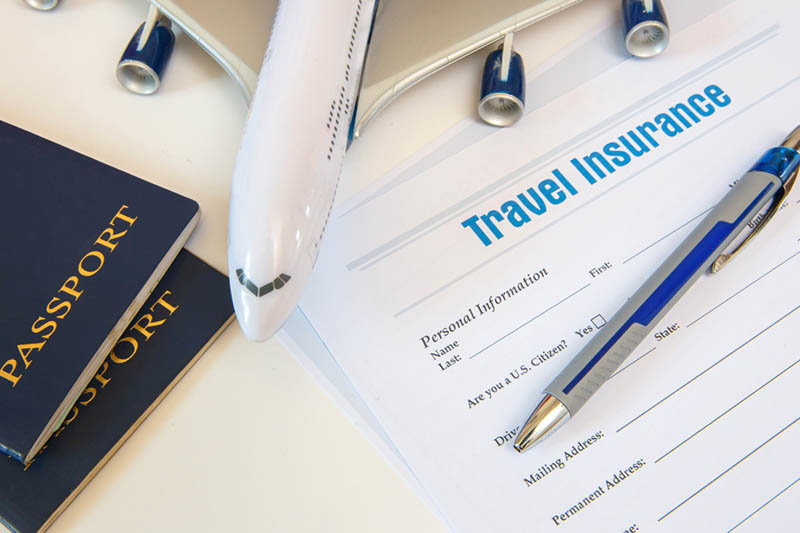
The short answer is almost certainly no. Medicare offers zero coverage outside US territory except in extremely rare cross-border situations in specific locations. Most employer-sponsored plans provide, at best, reimbursement for emergency care abroad, but that reimbursement comes after you pay the foreign hospital upfront, file a mountain of paperwork, and wait months. The hospital in Thailand or Italy does not care about your American insurance card. They want payment at the time of treatment, and a travel insurance policy with primary medical coverage handles that directly rather than forcing you to pay out-of-pocket and beg for reimbursement later.
Chidi, who works on our logistics team, once put it bluntly after a colleague’s emergency in Colombia: “Your Blue Cross card is a plastic rectangle to a hospital in Cartagena. They will treat you, and then they will hand you a bill in pesos that your bank cannot even process easily. Primary travel medical coverage is the only thing that talks to the hospital billing desk in real time.”
Lena’s honest take: “I used to travel with just my employer’s platinum PPO card. It felt bulletproof. Then I got that foodborne infection in Thailand, and the private clinic quoted me $4,200 upfront. My PPO’s ‘global emergency line’ routed me to voicemail twice. I now buy a standalone travel medical policy for every international trip, even short ones.”
Domestic vs. International Travel Insurance: A Quick Decision Matrix
Not every trip requires the same coverage type. A road trip to a neighboring state and a two-week trek across Southeast Asia have completely different risk profiles. We built this matrix to help you decide which policy category matches your actual trip.
Buy international comprehensive if…
- Your trip leaves the US and its territories.
- You rely on Medicare or Medicaid for regular coverage.
- You are engaging in adventure activities like trekking, diving, or skiing.
- Your non-refundable trip cost exceeds $3,000.
- The State Department has issued a Level 2 or higher advisory for your destination.
Domestic trip protection is enough if…
- You are traveling within the 50 states, Puerto Rico, or the US Virgin Islands.
- Your health plan includes a national out-of-network provider network.
- Your primary risk is trip cancellation, delay, or lost baggage.
- You are taking a cruise that departs from and returns to a US port.
- You have prepaid non-refundable tour or lodging expenses.
For booking cancellable accommodations that minimize your prepaid financial exposure, we check flexible listings on Booking.com before locking in any non-refundable reservation. It reduces the base trip cost that you need to insure in the first place.
Real Cost Comparison by Trip Scenario (Early This Year)
We pulled actual quotes from five major insurers in the first quarter of this year using three distinct traveler profiles. These prices are for comprehensive policies that include trip cancellation, interruption, delay, baggage, and medical coverage. Your exact quote will vary based on age, destination, and trip cost, but these ranges give you a realistic baseline.
Scenario A: Domestic weekend road trip
Traveller: 35 years old, Florida resident
Trip: 4 days, Nashville, TN
Prepaid trip cost: $800 (hotel, concert ticket)
Policy cost range: $25–$55
Best buy: Basic trip cancellation plan
Scenario B: One-week Mexico resort trip
Traveller: 45 years old, Illinois resident
Trip: 7 days, Cancún, Mexico
Prepaid trip cost: $2,500 (flights, all-inclusive resort)
Policy cost range: $95–$175
Best buy: Comprehensive with primary medical
Scenario C: Two-week European multi-city tour
Traveller: 62 years old, Texas resident
Trip: 14 days, Italy and France
Prepaid trip cost: $8,000 (flights, trains, tours, hotels)
Policy cost range: $340–$620
Best buy: Comprehensive with CFAR upgrade and pre-existing condition waiver
For annual multi-trip policies, expect to pay between $250 and $450 for a healthy traveler under 60, covering unlimited trips of up to 90 days each. If you take three or more international trips per year, an annual plan is almost always cheaper than three single-trip policies purchased separately. Compare current annual plan rates on aggregator platforms alongside single-trip quotes to confirm the break-even point for your specific travel calendar.
Top International Travel Insurance Plans for US Citizens
We evaluated providers based on financial strength ratings from AM Best, coverage limits for medical evacuation, and the transparency of their policy wording. These are not sponsored rankings. We are simply reporting which insurers consistently appear at the top of our quote comparisons and which ones our team has successfully filed claims with.
Always read the full policy document before purchasing, not just the summary of benefits.
Allianz Travel Insurance
Best for: Broad international coverage with strong 24/7 assistance. Allianz offers single-trip and annual multi-trip plans with medical evacuation limits up to $1,000,000 on premium tiers. Their assistance hotline has multilingual support, which matters when you are dealing with a non-English-speaking hospital. Claims filing is digital but still requires documentation uploads. AM Best rating: A+.
World Nomads
Best for: Adventure travellers and those under 40. Their standard plan covers over 200 adventure activities without requiring add-on riders. Medical evacuation is included up to $500,000. The policy is underwritten by Nationwide, which carries an AM Best rating of A+. Their digital claims process is smoother than average, and you can buy and extend coverage while already travelling, a feature most competitors do not offer.
Travel Guard (AIG)
Best for: Comprehensive coverage with Cancel For Any Reason upgrade option. Their Deluxe plan includes CFAR eligibility if purchased within 15 days of the initial trip deposit. Medical evacuation coverage reaches $1,000,000. AIG’s global claims infrastructure is extensive, and their 24-hour emergency travel assistance centre is based in Houston with multilingual capability.
Chidi recently filed a claim with World Nomads for a delayed baggage situation in Morocco. “The airline lost my bag for four days, and I needed hiking gear for the Atlas Mountains. World Nomads reimbursed my replacement purchases in seven business days after I uploaded the receipts. The key was documenting everything immediately and keeping the Property Irregularity Report from the airline.”
Best Domestic Travel Insurance Options for US Trips
Domestic travel insurance strips away the medical and evacuation component and focuses squarely on trip financial protection. Cancellation, interruption, baggage delay, and rental car damage are the core coverage pillars. Most domestic plans do not duplicate your health insurance, which means they are significantly cheaper, but you must confirm your health plan has a national provider network before relying on this approach.
Berkshire Hathaway Travel Protection
Best for: Straightforward domestic trip cancellation with no medical add-on confusion. Their ExactCare plan covers trip cancellation up to 100% of the trip cost, with fixed benefit amounts for delays and baggage. The policy language is notably clearer than the industry average. Claims can be filed through a mobile app, and they offer an expedited payment option for delays.
Travelex Insurance Services
Best for: Families traveling domestically. Their Travel Select plan covers children 17 and under at no additional cost when traveling with a covered adult. Trip cancellation coverage is up to 100% of the insured trip cost, and they offer a CFAR upgrade that must be purchased within 15 days of the initial deposit. The medical coverage included is secondary, which works fine for domestic trips where your primary health insurance applies.
Seven Corners
Best for: Domestic trips with multiple pre-paid activities. Their round-trip plan covers cancellation for up to 100% of the trip cost, including prepaid tours, event tickets, and cruise excursions. The optional rental car collision coverage is competitively priced compared to what rental counters charge. Medical coverage is secondary and modest, matching the domestic assumption that your health plan is primary.
What Actually Happens When Something Goes Wrong: A Real Claims Walkthrough
Theoretical coverage limits mean nothing if you cannot navigate the claims process under stress. We walked through a real situation that happened to a colleague on a trip to Portugal earlier this year to show you exactly what filing a claim looks like in practice.
The first 48 hours
Lena fell ill with severe gastroenteritis at 2 a.m. in Lisbon. She called the 24-hour assistance line listed in her policy documents before going to the hospital. The assistance team contacted the hospital directly to guarantee payment, so she was admitted without paying upfront. This single phone call saved her from fronting approximately €3,000. She also emailed her policy number and a brief description of the situation to her regular travel insurance contact at the same time.
The documentation phase
After discharge, she collected a detailed discharge summary, an itemized bill, and the attending physician’s signed statement confirming the treatment was medically necessary. She took photos of every document with her phone as a backup. She also kept her pharmacy receipts for prescribed medications. Without the itemized bill and the physician’s statement, her claim would have stalled at the review stage.
The reimbursement timeline
She submitted her digital claim with all supporting documents within five days of returning to the US. The insurer acknowledged receipt within 48 hours. The claim was approved in full 14 business days after submission, and the reimbursement for her out-of-pocket pharmacy and diagnostic costs landed in her bank account three days later. Total out-of-pocket cost to her: zero dollars for the hospital visit, and roughly $130 in pharmacy expenses that were reimbursed.
When to Buy Travel Insurance: The Critical Timing Rules
Timing your purchase correctly unlocks the most valuable policy features. Two specific deadlines matter more than any others. First, the pre-existing condition waiver window. If you buy a policy within 14 to 21 days of making your first trip payment, the insurer typically waives the pre-existing condition exclusion, meaning a chronic condition that flares up and cancels your trip is covered. Second, the Cancel For Any Reason deadline. CFAR is an optional upgrade that must be purchased within 10 to 21 days of the initial trip deposit, depending on the insurer, and it usually adds 40 to 50 percent to the policy cost. If you miss either window, those coverage options are gone for that trip.
We recommend buying a policy the same day you book a non-refundable trip component. Do not wait until the week before departure. Chidi keeps a reminder in his calendar for “buy travel insurance” that fires immediately after he books any flight over $500. “The one time I waited, a family medical situation happened three weeks before departure, and I had no coverage because I hadn’t pulled the trigger yet. The policy cost $160. The lost trip cost me $3,200. I do not make that mistake anymore.”
For comparing flight prices before you lock in a non-refundable itinerary, Kayak lets you set price alerts, and Expedia often bundles flight and hotel bookings with insurance add-ons at checkout, though you should always compare that bundled policy against a standalone provider before accepting it.
What Are the Biggest Mistakes US Travellers Make With Travel Insurance?
- Assuming the airline’s “travel protection” at checkout is full insurance. Airline-offered protection is often a limited waiver, not comprehensive trip insurance, and it rarely includes medical coverage abroad. Read the fine print before clicking “accept.”
- Waiting until the last minute to buy. The pre-existing condition waiver and CFAR upgrade vanish if you miss the early purchase window, typically 14 to 21 days from the first deposit.
- Underinsuring the total trip cost. If your non-refundable trip costs total $5,000 and you only insure $3,000 to save on premium, a cancellation claim pays only the insured amount. Ensure the full non-refundable prepaid cost.
- Relying on credit card travel protection without reading the exclusions. Many premium cards offer trip cancellation and rental car coverage, but the limits are often capped at $2,500 per trip, and medical evacuation is almost never included. Use card coverage as a supplement, not a primary policy.
- Not checking the State Department advisory level before buying. Policies often exclude coverage for destinations under a Level 4 “Do Not Travel” advisory. If you travel against that advisory, you assume full financial risk.
- Ignoring the pre-existing condition definition. A condition you saw a doctor for, took medication for, or had symptoms of during a “look-back period” of 60 to 180 days before purchase can be excluded. Read the look-back period in the policy wording carefully.
Frequently asked questions
Does my Medicare plan cover me outside the United States?
No. Original Medicare Parts A and B do not provide coverage outside the US and its territories, with extremely narrow exceptions for cruise ships in specific waters. Some Medicare Advantage and Medigap plans offer limited foreign travel emergency coverage, typically capped at $50,000 lifetime. Check your specific plan documents, but do not assume coverage exists.
Do I need travel insurance for a domestic US trip?
You do not need the medical component for domestic trips if your health plan has a national network, but you may want trip cancellation and baggage coverage if your pre-paid trip costs are significant. Domestic trip protection policies cost far less than comprehensive international plans and focus on the financial risk of trip disruption rather than medical gaps.
What is Cancel For Any Reason coverage, and is it worth it?
Cancel For Any Reason is an optional upgrade that lets you cancel a trip for reasons not listed in the standard policy, such as fear of travel or a destination’s changing health situation. It typically reimburses 50 to 75 percent of your trip cost and must be purchased within 10 to 21 days of the initial trip deposit. It adds 40 to 50 percent to the policy premium, so it makes sense primarily for high-cost trips or travel to regions with volatile conditions.
How much medical evacuation coverage do I need?
At minimum, $100,000. A medically equipped air ambulance from a remote location in Asia or South America to a US hospital can easily exceed $75,000. If you are trekking, diving, or travelling far from major urban hospitals, consider a policy with $500,000 or more in medical evacuation and repatriation coverage.
Can I buy travel insurance after I have already left the United States?
Most standard policies require you to purchase before departure. World Nomads is a notable exception, allowing you to buy and extend coverage while already abroad. If you are already traveling, check specifically for providers that offer “already traveling” policies, as the options narrow considerably once you have left US soil.
Does travel insurance cover COVID-related cancellations?
Most comprehensive policies now treat COVID like any other illness, meaning trip cancellation is covered if you contract the virus and have a positive test documented by a healthcare provider before departure. Trip interruption is covered if you fall ill during the trip. Fear of contracting COVID is not covered unless you hold a Cancel For Any Reason upgrade. Always check the policy’s pandemic exclusion wording specifically.
Plan your trip: platforms we use alongside travel insurance
Our team buys travel insurance the same day we book our flights and accommodations. These are the booking platforms we trust for cancellable and flexible reservations that minimize the upfront financial exposure we need to incur.
Flexible accommodations with free cancellation.
Tracks flight prices and flexible fare options.
Bundles flights, hotels, and insurance add-ons.
Reviews of tour operators and their cancellation policies.
Book refundable tours and activities.