
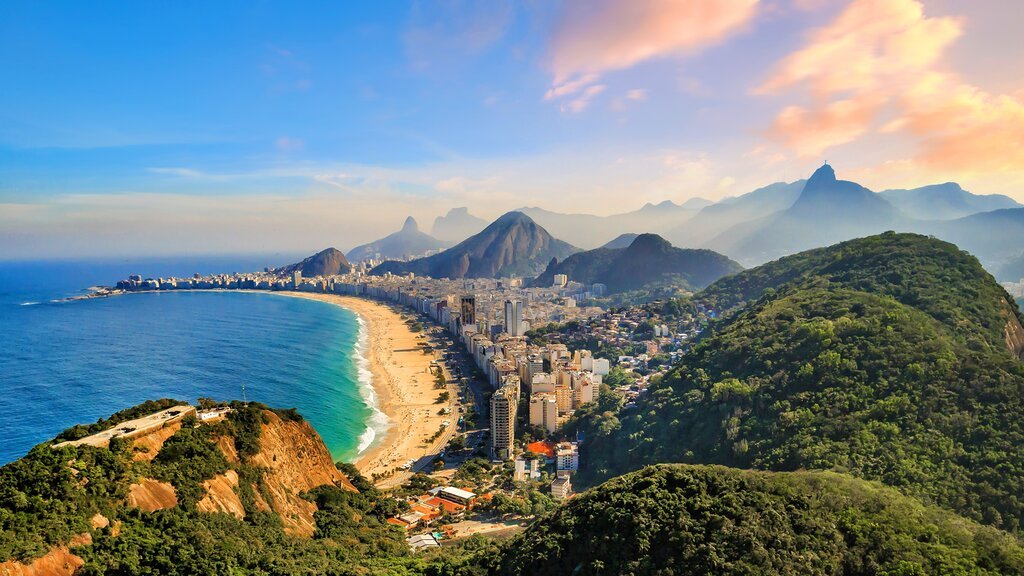
Travel to Brazil Coast: Pick the Right Region Before You Pick a Beach
When you travel to the Brazil coast, the first decision is which region, not which beach. The Southeast (Rio de Janeiro, Paraty, Ilha Grande) suits first-timers who want scenery plus city energy. The Northeast (Salvador, Bahia, Pernambuco, and and Alagoas) suits travelers who want warm water, smaller towns, and lower daily costs. Fernando de Noronha suits anyone willing to pay a premium for the country’s most protected archipelago. A realistic 10-day coastal trip for two runs is is about US$4,000 to US$7,500,, including domestic flights, mid-range pousadas, food, and transfers (confirm current rates with your booking platform). Brazil’s e-visa for US, Canadian, and Australian citizens costs about US$80.90 (check the current fee on the official Brazilian government visa portal).
I have planned three Brazil coast trips, and the biggest lesson came from the first one, which I got wrong. I booked ten days in Rio, then realized halfway through that I had spent more time in traffic between neighborhoods than I had on any beach. Rio is spectacular, but Rio is not the coast of Brazil.il. It is one city on a coastline of more than 7,000 kilometers.
Most guides answer the question “Which beach should I visit?”” when what first-timers actually need to answer is “Which region should I build the trip around?” That choice shapes your budget, your flight routing, your packing list, and even your visa timing. This guide makes that decision first, then builds everything else around it.
Jump to: Key Takeaways | How to Choose a Region | Visa and Entry | Southeast Coast | Northeast Coast | Fernando de Noronha | Sample Routes | Safety | FAQ
Key takeaways
- Brazil’s coast splits into three practical regions for travelers: the Southeast (Rio, Paraty, Ilha Grande), the Northeast (Salvador, Bahia, Ceará, Pernambuco, Alagoas), and Fernando de Noronha. Choose your region first.
- US, Canadian, and Australian citizens need an e-visa for Brazil, currently about US$80.90 (check the current fee on the official Brazilian government visa portal). European passport holders generally do not need one for tourist stays.
- The Southeast suits 7 to 10 days and pairs well with Rio. The Northeast suits 10 to 14 days and rewards slower travel. Fernando de Noronha is a 3 to 5 day add-on, not a standalone trip.
- Daily budgets vary widely: US$80 to US$120 per person in the Northeast, US$120 to US$200 in Rio, and US$250 or more per person on Fernando de Noronha (confirm current rates with your booking platform).
- Domestic flights between Rio and Salvador run about 2 hours and cost US$150 to US$350 one way depending on season (check current fares on Kayak).
- Fernando de Noronha charges an environmental preservation tax of roughly 97 reais per day per person, about US$18 (confirm current rates with the local tourism authority), plus a national park entry fee of about 190 reais (check current fees on the official park site).
- The best months to travel the Brazil coast are September through November and March through May. December to February is peak season: hot, crowded, and expensive.
How do you choose where to travel on the Brazil coast?
Start with how many days you have. Ten days or fewer, focus on one region. Twelve days or more, you can combine Rio with a shorter Northeast stop or add Fernando de Noronha. Trying to cover both Rio and the Northeast in seven days is the most common planning mistake I see, and it produces a trip that feels rushed and expensive.
Next, decide what you actually want from the coast. Rio and the Southeast deliver dramatic scenery, colonial towns, and city energy. The Northeast delivers warm water, small beach towns, and a slower pace. Fernando de Noronha delivers some of the most protected marine environments in the South Atlantic and the highest prices in the country.
Best for first-timers
- Southeast, Rio,, and Paraty: easy flight connections, familiar infrastructure, and and excellent food.
- Salvador, Bahia: rich culture, historic center, direct flights from Europe and the US.
- Fernando de Noronha: bucket-list scenery for travelers with a larger budget.
Worth considering
- Alagoas and Pernambuco: quieter Northeast beaches with lower prices.
- Ilha Grande: car-free island off the Rio coast, ideal for hikers and snorkelers.
- Jericoacoara, Ceará: kitesurfing and dune scenery, though access requires a 4×4 transfer.
Do you need a visa to travel to the coast of Brazil?il?
Visa requirements for Brazil depend entirely on your nationality. US, Canadian, and Australian citizens need an e-visa, currently priced at about US$80.90 (check the current fee on the official Brazilian government visa portal). European passport holders and most Latin American nationals do not need a visa for tourist stays of up to 90 days.
The e-visa process is straightforward but requires planning. Apply online through the official portal at least two weeks before departure, and print the approval document. Border agents have asked me for the paper copy twice, so do not rely solely on your phone. The e-visa is valid for multiple entries over two years, which is useful if you plan to return.
For country-specific visa details and current requirements, see the WakaAbuja visa guide. Rules change, so confirm your specific case on the official Brazilian government site before booking flights.
Once you have your visa confirmed, booking flights early usually saves money. For comparing fares across routes, check WakaAbuja’s flight deals page and cross-reference on Kayak before committing.
What is the Southeast Coast of Brazil like?
The Southeast is the most accessible stretch of the Brazil coast for first-time international visitors. Rio de Janeiro is the gateway, with direct flights from Miami, New York, Lisbon, London, and Paris. From Rio, the Costa Verde runs southwest toward Paraty and Ilha Grande, both of which feel far removed from the city despite being only a few hours away.
Rio itself deserves three or four days. The beaches at Ipanema, Copacabana, and Leblon are the obvious draws, but the city’s real appeal is in its neighborhoods: Santa Teresa for its hillside streets, Lapa for its nightlife, Botafogo for its restaurants. Paraty is a colonial town with cobbled streets and excellent boat tours through the bay. Ilha Grande is a car-free island with hiking trails and some of the clearest water in the state.
Daily costs in Rio run US$120 to US$200 per person for mid-range hotels, food, and activities (confirm current rates on Booking.com). Paraty and Ilha Grande cost less, often US$90 to US$150 per person per day. Domestic flights from Rio to other Brazilian cities run US$100 to US$250 one way depending on season (check current fares on Kayak).
Maya Whitfield’s honest take: “The Southeast gets criticized for being too touristy, but that reputation comes from people who never left Copacabana. Paraty and Ilha Grande are two of the most beautiful places I have ever stayed, and neither feels overrun. Give them three days each.”
Best Southeast stops
Rio de Janeiro, three to four days. Paraty, two to three days. Ilha Grande, two to three days. Búzios, two days for a quieter beach scene. If you have ten days, a Rio plus Paraty plus Ilha Grande circuit is the most balanced option for a first trip.
What is the Northeast coast of Brazil like?
The Northeast is where Brazil’s coast becomes the postcard most travelers imagine: warm turquoise water, coconut palms, small fishing villages turned into beach towns, and a slower rhythm that rewards longer stays. Salvador, the region’s capital, is the cultural anchor with its Afro-Brazilian heritage, colonial Pelourinho district, and excellent food.
South of Salvador, the Bahia coast runs through Porto Seguro, Trancoso, and Itacaré, each with its own character. Trancoso is the polished, upscale option, with the Quadrado, a grassy square at the center of the village. Itacaré is a surf town with jungle-backed beaches and waterfalls inland. North of Salvador, the coast continues through Maceió, Maragogi, and Porto de Galinhas in Pernambuco, all known for reef-protected natural pools.
Daily costs in the Northeast are lower than in Rio, typically US$80 to US$120 per person for mid-range pousadas, food, and local transport (confirm current rates on Booking.com). High season, December through February, pushes those numbers up significantly. The region is best in September through November when the weather is still dry and the towns are quieter.
Maya Whitfield’s honest take: “I expected the Northeast to feel like a cheaper Rio. It does not. It feels like a different country entirely, in the best way. The food is spicier, the pace is slower, and the beaches are wider. If you have ten days or more, this is where I would send you.”
Best Northeast stops
Salvador, two to three days for culture and history. Trancoso, three to four days for polished beach time. Itacaré, two to three days for surf and waterfalls. Maragogi, two days for the natural pools. Porto de Galinhas: two to three days for reef snorkeling and family-friendly beaches.
Is Fernando de Noronha worth the cost?
Fernando de Noronha is an archipelago 350 kilometers off the Northeast coast and one of the most protected marine environments in the South Atlantic. It is also the most expensive stretch of the Brazil coast, by a wide margin. The environmental preservation tax alone costs about 97 reais per day per person, roughly US$18 (confirm current rates with the local tourism authority), and the national park entry fee runs about 190 reais (check current fees on the official park site).
The flight from Recife or Natal takes about an hour and costs US$200 to US$400 round trip depending on season (check current fares on Kayak). Accommodation is limited and expensive: mid-range pousadas start around US$150 per night, and high-end options run US$400 or more (confirm current rates on Booking.com). Food is priced for a captive audience.
The trade-off is access to some of the best snorkeling and diving in Brazil, plus beaches that feel genuinely wild compared to the mainland. If your trip is about the water, Noronha is worth it. If you want variety and culture alongside beaches, spend your money elsewhere.
Reasons to go
- Diving and snorkeling: visibility over 30 meters on good days.
- Wildlife: spinner dolphins, sea turtles, and reef fish in abundance.
- Beach quality: Baia do Sancho is consistently ranked among the world’s best beaches.
Reasons to skip
- Cost: the highest daily spend of any Brazil coast destination.
- Limited capacity: daily visitor numbers are capped, so flights and hotels book out early.
- Not a beach-lounging destination: much of the coastline is protected and access is regulated.
What do sample Brazil coast itineraries look like?
These two routes cover the most common trip lengths and traveler profiles. Both include room for a slow day, which is essential on the Brazil coast. The country does not reward over-scheduling.
7-day route: Rio and the Costa Verde
Day 1 to 3 in Rio, covering Ipanema, Santa Teresa, and a day trip to Sugarloaf and Christ the Redeemer. Day 4 to 5 in Paraty, with a boat tour through the bay and a walk through the colonial center. Day 6 to 7 in Ilha Grande, with a hike to Lopes Mendes beach and a snorkeling tour. Return to Rio for your international flight. Total cost for two: roughly US$3,500 to US$5,000 including domestic transport and mid-range lodging (confirm current rates on Booking.com).
10-day route: Salvador and southern Bahia
Day 1 to 2 in Salvador, exploring the Pelourinho and the Afro-Brazilian cultural scene. Day 3 to 5 in Trancoso, with beach time and a day trip to Porto Seguro. Day 6 to 7 in Itacaré, with surf lessons and a waterfall hike. Day 8 to 9 in Maragogi or Porto de Galinhas for reef snorkeling. Day 10 return to Salvador for departure. Total cost for two: roughly US$5,000 to US$7,500 including domestic flights and mid-range pousadas (confirm current rates on Booking.com).
Adding Fernando de Noronha
If you want to add Noronha, plan for a minimum of three nights and budget at least US$1,500 extra for two people, covering flights, lodging, taxes, and food (confirm current rates with the operators). Ten days is tight if you add Noronha to a Northeast route. Twelve days is better.
Maya Whitfield’s honest take: “Both routes are ones I have done myself, and both work. The seven-day route is the better first trip because Rio is an easy entry point and the domestic logistics are simple. The ten-day Bahia route is better if you have been to South America before and want something less familiar.”
Is the Brazil coast safe for tourists?
Safety in Brazil is neighborhood-specific, not country-specific. The coastal destinations you are likely to visit, Rio’s Zona Sul, Paraty, Ilha Grande, Trancoso, and the Northeast beach towns, are generally safe for tourists who follow basic city rules. Petty theft is the most common risk, particularly on busy beaches and in crowded markets.
I have felt entirely safe in Paraty and Ilha Grande, and mostly safe in Rio with the usual precautions: no visible phones on the beach, no walking alone at night outside the main tourist areas, and no flashing of cash or expensive jewelry. The Brazilian coast is not a place where I would wander into unfamiliar neighborhoods to explore. Stick to the areas that are clearly set up for visitors, and you will have a smooth trip.
For current travel advisories, check the US State Department travel page before you book. For flights and hotels, Booking.com and Kayak both remain reliable for comparison and price tracking.
What mistakes should you avoid when traveling the Brazil coast?
I have made most of these myself, and the ones I did not make, I watched other travelers make in real time. Each one costs money, time, or both.
Booking Rio and the Northeast in the same week
They are more than 1,200 kilometers apart and require a domestic flight. Trying to cover both in seven days leaves you exhausted and constantly in transit. Pick one region and go deep.
Assuming you can pay with a credit card everywhere
Small pousadas, beach vendors, and many restaurants in the Northeast still prefer cash or Pix, Brazil’s instant payment system. Carry enough reais for a full day, especially in smaller towns. International credit cards work at hotels and higher-end restaurants but not consistently elsewhere.
Visiting in December or February without booking ahead
December through February is Brazilian summer and domestic travel peaks during this period. Hotels in Trancoso, Paraty, and Fernando de Noronha book out months in advance. Prices roughly double during Carnaval and New Year. September to November and March to May offer a calmer, cheaper experience with better weather than you might expect.
Underestimating domestic flight costs
Brazil is a large country, and internal flights between regions are not cheap. Rio to Salvador runs US$150 to US$350 one way depending on season (check current fares on Kayak). Factor these into your budget before you commit to a multi-region route.
Skipping the e-visa until the last week
The e-visa for US, Canadian, and Australian citizens usually processes within a few days, but it can take longer. Apply at least two weeks before departure. I have met travelers at the airport who were denied boarding because they had not received their approval yet.
Assuming Fernando de Noronha is a beach holiday
Noronha is spectacular, but much of the coastline is protected and access is regulated. Some beaches require a guide or a permit. The experience is more about the water and the wildlife than about lounging on the sand. Go if that sounds appealing. Do not go expecting a resort beach scene.
Not learning any Portuguese
English is spoken at hotels and in Rio’s tourist areas, but far less in the Northeast and almost not at all in Fernando de Noronha. Learn a few basic phrases: obrigado, por favor, quanto custa. It goes a long way.
Frequently asked questions
Do I need a visa to travel to the Brazil coast?
US, Canadian, and Australian citizens need an e-visa, currently about US$80.90 (check the current fee on the official Brazilian government visa portal). European and most Latin American passport holders do not need a visa for tourist stays under 90 days. Apply at least two weeks before departure.
What is the best time to travel to the Brazil coast?
September through November and March through May offer the best combination of dry weather, lower prices, and fewer crowds. December through February is peak domestic travel season: hot, crowded, and expensive. Avoid Carnaval week unless you are specifically going for the festival.
How many days do you need on the Brazil coast?
Seven days is the minimum for a single-region trip that does not feel rushed. Ten days is better for the Northeast or for combining Rio with Paraty and Ilha Grande. Twelve days allows you to add Fernando de Noronha. Anything less than seven days means you are spending most of your time in transit.
How much does a trip to the Brazil coast cost?
A 10-day trip for two runs roughly US$4,000 to US$7,500 including international flights, domestic flights, mid-range pousadas, food, and transfers (confirm current rates on Booking.com). The Northeast is the most affordable region, Rio is mid-range, and Fernando de Noronha is the most expensive. Budget travelers can bring costs down to about US$3,000 for two by using guesthouses and local transport.
Is the Brazil coast safe for tourists?
The coastal destinations most tourists visit, including Rio’s Zona Sul, Paraty, Ilha Grande, Trancoso, and the Northeast beach towns, are generally safe with basic precautions. Petty theft on beaches and in crowded markets is the main risk. Avoid walking alone at night outside tourist areas and do not display phones or jewelry. Check the US State Department travel page for current advisories before booking.
Is Fernando de Noronha worth the cost?
It is worth it if diving, snorkeling, and wildlife are priorities. Daily costs are the highest in Brazil, with the environmental preservation tax at roughly US$18 per day per person and the national park entry fee at about US$36 (confirm current rates with the local tourism authority). If you want variety and culture alongside beaches, spend your money on the Northeast instead.
What should you not miss on the Brazil coast?
On the Southeast, do not miss Paraty and Ilha Grande. On the Northeast, the Pelourinho in Salvador, Trancoso’s Quadrado, and Itacaré’s beaches and waterfalls are standouts. Lopes Mendes beach on Ilha Grande is one of the most beautiful beaches in Brazil and worth the hike to reach it.
Do you need to speak Portuguese to travel the Brazil coast?
English is spoken at hotels and in Rio’s tourist areas but far less in the Northeast and almost not at all in Fernando de Noronha. Learning a few basic phrases in Portuguese will help, especially in smaller towns and with local vendors. A translation app covers most situations.
Plan your trip: booking platforms we trust
I use these platforms myself. They are the ones that consistently surface the best rates for Brazil coast pousadas, domestic flights, and activities, and the ones I recommend to friends planning their first Brazil trip.
Booking.com
Best for pousadas and hotels across all Brazil coast regions.
Kayak
Compare domestic and international flights to Brazil.
GetYourGuide
Book boat tours, snorkeling trips, and guided hikes.
Agoda
Strong Asia and Latin America hotel deals.
Expedia
Bundle flights and hotels for package pricing.
Vrbo
Vacation rentals for families and groups.
TripAdvisor
Reviews and restaurant recommendations across the coast.
WakaAbuja does its best to keep all information accurate at the time of publishing. Prices, policies, and availability change regularly. Always verify with official sources before you travel. We are not liable for errors caused by outdated information. Travel insurance is strongly recommended.