
advertisement
Plan Smarter, Spend Better: Travel to Copenhagen, Denmark, Guide
Fact-Checked By: Maya Whitfield, Senior Travel Editor at WakaAbuja
To travel to Copenhagen, Denmark, plan for at least three days, use the Metro from Copenhagen Airport to the center, and budget around 700 to 1,000 DKK per day for a budget trip or 1,500 to 2,500 DKK per day for a mid-range stay (check current rates on the official site). May, June, September, and early October usually offer the best balance of weather, daylight, crowds, and hotel value.
Copenhagen is easy to love and surprisingly easy to overspend in. I built this guide to cut through the six-tab research spiral, with the real costs, best timing, airport logistics, neighborhoods, practical rules, and experiences that deserve room in your itinerary.
Jump to: Getting there | Costs | Best time to go | Neighbourhoods | What to do | Day trips | Mistakes to avoid | FAQ
Key takeaways
- Copenhagen uses the Danish krone, DKK, or kr, not the euro.
- Most central Copenhagen stays cost 700 to 1,000 DKK daily for budget travellers and 1,500 to 2,500 DKK daily for mid-range travellers (check current rates on the official site).
- The M2 Metro connects Copenhagen Airport to Kongens Nytorv in about 13 minutes and runs around the clock.
- For a warm-weather trip, visit from June to August. For better value and lighter crowds, choose May, early June, or September.
- Three days is enough for first-time highlights, while four or five days gives you room for neighborhoods and day trips.
- Cards are widely accepted, service is included in prices, and tipping is optional rather than expected.
- Copenhagen is generally safe, but keep belongings close in crowded stations, trains, cafés, and tourist areas.
How do you travel to Copenhagen, Denmark?
Most international visitors arrive at Copenhagen Airport, also called Kastrup Airport or CPH. It sits southeast of the city center and is one of Europe’s easiest major-airport arrivals because the metro and train stations are directly connected to Terminal 3.
The M2 Metro is usually the simplest choice for visitors. It reaches Kongens Nytorv in roughly 13 minutes and runs 24 hours a day, while regional trains reach Copenhagen Central Station in about 14 minutes. Expect to pay around 30 to 40 DKK for a three-zone adult airport ticket (check current rates on the official transit site).
Use cheap flight search strategies before booking, particularly if you are travelling from North America, Africa, or Asia. Copenhagen is well connected to European hubs, so comparing one-stop options through Amsterdam, Frankfurt, Paris, London, or Istanbul can make a noticeable difference.
Maya Whitfield’s honest take: “Skip the airport taxi unless you land with a lot of luggage or arrive as a family group. The Metro is clean, fast, frequent, and considerably cheaper than a taxi ride into central Copenhagen.”
Best airport transfer options
- M2 Metro to Kongens Nytorv, about 13 minutes from the airport.
- DSB train to Copenhagen Central Station, about 14 minutes from the airport.
- Bus 5C for hotels located away from Metro stations.
- Taxi for door-to-door convenience, particularly for groups or large luggage loads.
Entry requirements to check
- Denmark is part of the Schengen Area.
- Many visitors can stay visa-free for up to 90 days in any 180-day period.
- Visa-required travellers need a Schengen short-stay visa before departure.
- Check passport validity and entry requirements directly with the Danish Immigration Service before booking.
For visa-free travellers from countries such as the United States, United Kingdom, Canada, Australia, New Zealand, Japan, and South Korea, short tourism stays are generally permitted for up to 90 days in any 180-day Schengen period. Rules vary by nationality, and passport validity requirements can apply, so always confirm your situation before travel.
Is Copenhagen expensive for travellers?
Yes, Copenhagen is one of Northern Europe’s pricier city breaks, especially for hotels, alcohol, restaurant meals, and attraction tickets. The good news is that much of the best city experience costs little or nothing: harbour walks, parks, canals, neighbourhood wandering, street food markets, and bike rides are all easy to build into a lower-cost itinerary.
The local currency is the Danish krone, abbreviated DKK or kr. Denmark is in the European Union but does not use the euro. Many tourist-facing businesses may accept euros, but the exchange rate is usually poor, so pay in DKK with a debit or credit card that does not charge foreign-transaction fees.
Backpacker budget
- Daily range: 400 to 700 DKK per person (check current rates on the official site).
- Hostel dorm or basic guesthouse bed.
- Supermarket breakfasts, bakeries, food halls, and casual takeaway meals.
- Walking, public transport, free parks, and free neighbourhood exploration.
- One or two paid attractions across a three-day stay.
Mid-range budget
- Daily range: 1,500 to 2,500 DKK per person (check current rates on the official site).
- Comfortable three-star or four-star hotel.
- Restaurant meals, pastries, coffee stops, and a few drinks.
- Paid attractions such as Tivoli Gardens, canal tours, museums, and castles.
- Metro or bike rental for getting around the city.
Luxury budget
- Daily range: 3,500 DKK or more per person (confirm the latest price directly with the operator).
- Five-star hotel in Indre By, Nyhavn, Kongens Nytorv, or waterfront districts.
- Fine dining, tasting menus, private guides, and premium transport.
- Private canal tours, design shopping, and curated cultural experiences.
- Potentially higher costs during summer, Christmas, and major festivals.
Maya Whitfield’s honest take: “Copenhagen becomes dramatically more manageable when you stop treating every meal as a restaurant event. Book a hotel with breakfast, have a proper smørrebrød lunch, then choose one memorable dinner instead of three expensive ones.”
For accommodation, search Copenhagen hotels on Booking.com early, particularly for May through September and December. For larger groups, a centrally located flat through Vrbo can reduce per-person costs and make self-catering easier.
When is the best time to visit Copenhagen?
For most first-time visitors, May, June, and September are the strongest months. You get long daylight, comfortable walking weather, outdoor dining, and fewer crowds than the peak July and August period. Summer is warmest, but it also brings higher hotel prices and busier attractions.

June through August is the mildest season, with typical daytime highs around 20 to 22°C. Days are very long, parks and canal areas are lively, and many visitors spend evenings outside. July and August are also among the wettest months, so a compact rain jacket still belongs in your bag.
Winter offers its own appeal. November through February is colder, darker, and cheaper, but Copenhagen does cosy better than almost anywhere. Christmas markets, Tivoli’s winter lights, museums, bakeries, candlelit cafés, and classic Danish design interiors make winter worthwhile for travellers who do not need outdoor sightseeing all day.
Choose summer if you want
- Warmest average weather from June to August.
- Long days that can stretch beyond 17 hours of daylight.
- Outdoor swimming, canal life, cycling, festivals, and open-air dining.
- The widest choice of tours, boat trips, and seasonal activities.
Choose shoulder season if you want
- May or September for near-summer conditions with fewer crowds.
- Better hotel availability outside school holiday periods.
- Comfortable walking weather and strong daylight for sightseeing.
- A more relaxed experience around Nyhavn, Tivoli, and major museums.
Maya Whitfield’s honest take: “Do not book Copenhagen for the weather alone. Pack layers, accept that rain can appear in any month, and build one museum or food-hall option into every day. The city rewards flexible planners.”
Which Copenhagen neighbourhood should you stay in?
Copenhagen is compact enough to explore without changing hotels, but your neighbourhood affects your mornings, evenings, transport choices, and accommodation bill. Indre By is best for classic first-timer sightseeing, while Vesterbro and Nørrebro offer more local energy and often better dining value.
Indre By and Nyhavn
Best for first-time visitors who want to walk to Rosenborg Castle, Strøget, Nyhavn, Amalienborg, canal tours, and major museums. It is central and polished, but accommodation and restaurant prices are usually the highest.
Vesterbro
Best for food lovers, nightlife, coffee shops, and travellers who want easy access to Copenhagen Central Station. Stay near Kødbyen, the Meatpacking District, for restaurants and bars, but choose a quieter side street if you are noise-sensitive.
Nørrebro
Best for creative energy, global food, vintage shops, parks, and a more residential rhythm. It is a good value alternative to the historic centre, especially near Nørreport or the M3 City Circle Line.
Christianshavn and Islands Brygge
Best for canal views, waterside walks, houseboats, and a quieter base within quick reach of the centre. Christianshavn works well for visitors interested in Church of Our Saviour and the nearby Christiania area.
Browse hotel planning guides before choosing a base. In Copenhagen, location can matter more than hotel size because a central address saves time, transit costs, and energy every day.
What are the best things to do in Copenhagen for first-time visitors?
Do not try to tick off every landmark. Copenhagen works best when you mix a few major sights with neighbourhood walks, water time, bakeries, and unplanned pauses. A three-day itinerary should give you one historic centre day, one culture and design day, and one neighbourhood or day-trip day.
Classic Copenhagen experiences
- Walk Nyhavn early in the morning before the lunchtime crowds arrive.
- Visit Rosenborg Castle and the King’s Garden.
- See Amalienborg Palace and the waterfront near the Opera House.
- Take a canal tour for a quick architectural overview of the city.
- Visit Tivoli Gardens, especially for evening lights or seasonal events.
Best for design and culture
- Designmuseum Danmark for Danish furniture, objects, and design history.
- Louisiana Museum of Modern Art for art, architecture, and coastal views.
- SMK, the National Gallery of Denmark, for Danish and European art.
- Christiansborg Palace for royal rooms and city-center history.
- The Round Tower for views over Copenhagen’s rooftops.
For tickets and guided activities, compare Copenhagen tours on GetYourGuide before your trip. A guided canal tour, food walk, bike tour, or day trip can make sense if you have limited time, but book only what adds value to your itinerary.
Maya Whitfield’s honest take: “Nyhavn is worth seeing, but it is not where I would spend a long, expensive lunch. Photograph it around 8 a.m., then head into Christianshavn, Vesterbro, or Nørrebro for a more relaxed meal.”
What are the best day trips from Copenhagen?
Once you have three days in Copenhagen itself, the city becomes an excellent base for short rail trips. Denmark’s transport system makes it easy to add castles, coastal museums, historic towns, or even Sweden without repacking your suitcase.
Helsingør and Kronborg Castle
Visit the UNESCO-listed castle associated with Shakespeare’s Hamlet. It is one of the strongest day trips for travelers who want Danish history, coastal views, and a clear change of scenery from the capital.
Louisiana Museum of Modern Art
North of Copenhagen in Humlebæk, Louisiana, combines modern art with sculpture gardens and views across the Øresund. It is ideal for travellers who prefer a slower, design-focused half-day or full-day experience.
Malmö, Sweden
Cross the Øresund by train for a quick Swedish city break. Malmö offers parks, museums, cafés, and a different Scandinavian atmosphere, but remember to check border documentation and roaming details before leaving Denmark.
How do you get around Copenhagen cheaply and easily?
Walk the historic center.
Copenhagen’s major central sights sit close together. Walking is often quicker than figuring out a short Metro journey, especially between Nyhavn, Amalienborg, Strøget, Rosenborg Castle, Christiansborg, and Tivoli.
Use Metro and buses for longer distances.
The driverless Metro runs 24 hours a day and connects the center with the airport, Amager, Frederiksberg, Nørrebro, Nordhavn, and other key districts. Buy the correct zone ticket before travel because fare checks are common and fines are expensive.
Cycle only if you are comfortable.
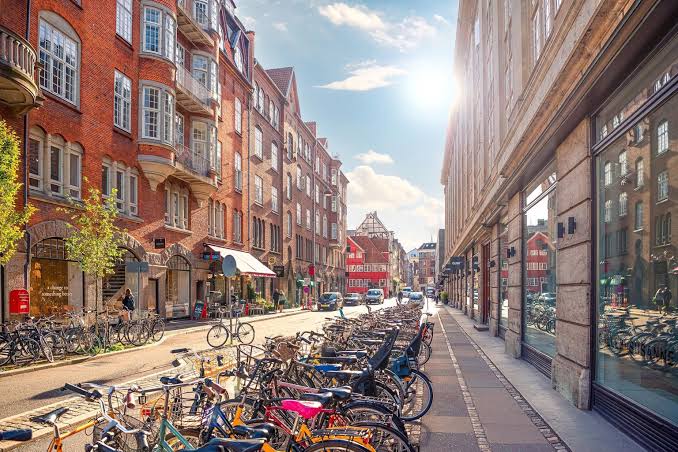
Copenhagen is built for bikes, but local cycling lanes operate like traffic lanes. Stay right unless passing, signal clearly, avoid stepping into bike paths, and do not stop suddenly in busy lanes. A guided bike tour can be a gentler introduction than renting immediately.
Consider the Copenhagen Card carefully.
The Copenhagen Card can include public transport and entry to selected attractions, but it only saves money if your itinerary includes enough paid sights. Add up individual admissions before buying rather than assuming a city pass is automatically cheaper.
What mistakes should first-time Copenhagen visitors avoid?
- Assuming Denmark uses the euro. Denmark uses Danish kroner. Pay in DKK where possible and decline dynamic currency conversion if your card terminal offers it.
- Booking Nyhavn because it looks central on Instagram. It is central, but it can be noisy and expensive. Compare nearby Indre By, Christianshavn, Vesterbro, and Nørrebro before committing.
- Trying to see the Little Mermaid and calling it a full attraction. It is a small sculpture. Pair it with Kastellet, Amalienborg, the waterfront, and a walk through the surrounding area.
- Skipping rain gear in summer. Copenhagen weather can shift quickly. Pack a waterproof outer layer and shoes that can handle wet pavements.
- Ignoring bike lanes. Bike traffic moves quickly. Check both directions before crossing and never stand in a marked cycle lane while taking photos.
- Over-tipping. Service is usually included in restaurant, taxi, and hotel prices. A tip is appreciated for exceptional service but is not expected.
- Letting your guard down in transit hubs. Copenhagen is generally safe, but pickpockets operate in busy stations, trains, cafés, and tourist areas. Keep bags closed and valuables out of sight.
Practical safety note: Keep passport, phone, payment cards, and electronics secure at Copenhagen Airport, Copenhagen Central Station, Nørreport, public transport, and busy waterfront areas. Serious crime is low, but opportunistic theft can affect visitors anywhere.
Frequently asked questions
How many days do you need in Copenhagen?
Three days is enough for the major sights, canals, museums, food stops, and a few neighborhoods. Stay four or five days if you want a slower pace, a day trip to Helsingør or Malmö, or more time for design museums and restaurants.
What is the best month to visit Copenhagen?
May, June, and September are usually the best months for a balance of daylight, walkable weather, and manageable crowds. June through August is warmest, while November through February can offer lower hotel rates and festive winter experiences.
Is Copenhagen more expensive than Stockholm or Oslo?
Copenhagen is expensive by European city-break standards, particularly for hotels, restaurants, and alcohol. It is often comparable with Stockholm and usually less expensive than Oslo, but actual costs depend heavily on your travel dates, accommodation location, and dining choices.
Do I need cash in Copenhagen?
No, most visitors can rely almost entirely on debit or credit cards. Carrying a small amount of Danish kroner can still be useful, but cards are accepted at hotels, restaurants, transport machines, museums, cafés, and shops.
Do I need a visa to travel to Copenhagen, Denmark?
It depends on your nationality. Denmark is in the Schengen Area, and many visa-exempt travellers can visit for up to 90 days in any 180-day period, while others need a Schengen short-stay visa before travel. Always check the Danish Immigration Service or your local Danish embassy before booking.
How do I get from Copenhagen Airport to the city center?
Take the M2 Metro to Kongens Nytorv or a regional train to Copenhagen Central Station. Both leave from Terminal 3, take roughly 13 to 14 minutes, and use the same public-transport ticketing system.
Is Copenhagen safe for solo travelers?
Copenhagen is generally considered safe for solo travellers, including women travelling alone. Standard city precautions still apply: stay aware in nightlife areas, secure valuables in crowded transit hubs, and use normal caution when returning to your accommodation late at night.
Plan your trip: booking platforms we trust
I use different booking tools for different planning jobs. Compare rather than booking blindly, especially during Copenhagen’s summer peak, December market season, and major events.
Kayak
Compare flight prices and flexible travel dates before you book.
Booking.com
Best for comparing Copenhagen hotels by neighborhood and cancellation policy.
Expedia
Useful for flight-and-hotel packages and multi-city Scandinavia trips.
GetYourGuide
Good for canal tours, bike tours, food tours, and organized day trips.
TripAdvisor
Useful for recent restaurant, hotel, and activity reviews before you commit.
More travel planning guides
- Travel planning guides for smarter itineraries, budget strategies, and packing advice.
- Hotel guides for choosing the right stay by neighborhood, travel style, and budget.
- Best things to do guides for attractions, landmarks, museums, and local experiences.
- Visa information guides for entry rules and travel document planning.
- Find cheap flights with practical booking and comparison strategies.
WakaAbuja does its best to keep all information accurate at the time of publishing. Prices, policies, exchange rates, and availability change regularly. Always verify with official sources before you travel. We are not liable for errors caused by outdated information. Travel insurance