advertisement
How to Travel to Machu Picchu, Peru: Routes, Costs & Entry Rules
Fact-Checked By: Maya Whitfield, Senior Travel Editor at WakaAbuja — Senior Travel Editor at WakaAbuja
A Machu Picchu trip costs $150 to $2,000+ per person depending on your route. Standard entrance tickets run $43 to $53 for foreign adults (confirm the latest price directly with the operator), train tickets from Ollantaytambo cost $51 to $63 one-way in tourist class (check current rates on the official site), and the 4-day Inca Trail permit plus tour package runs $760 to $1,500+ per person (verify permit availability with authorized operators). Choose based on your fitness level, budget, and how far in advance you can book.
Most guides to Machu Picchu hand you a long list of trek names and let you figure out the rest. This one starts differently: pick your budget and fitness level first, and the table below tells you exactly which route, price, and booking deadline fits. Then you can read the detailed breakdowns with confidence that you’re comparing options that actually work for your situation.
Jump to: Route comparison table | Entry rules and fees | Inca Trail | Salkantay | Lares | Inca Jungle | Train-only | Full cost breakdown | Best time and altitude | Lima to Cusco | FAQ
Key takeaways
- Standard Machu Picchu entrance tickets cost S/163 (~$43) for foreign adults, with mountain add-ons like Huayna Picchu at S/200 (~$53) (confirm the latest price directly with the operator).
- Inca Trail permits require booking 6 to 8 months in advance for peak season (May to September), and the full tour package, including permit, guide, and transport, runs $760 to $1,500+ per person (verify permit availability with authorized operators).
- Train tickets from Ollantaytambo to Aguas Calientes cost $51 to $63 one-way in tourist class on PeruRail Expedition or Inca Rail Voyager (check current rates on the official site).
- Salkantay Trek packages range from $609 to $750 for standard 5-day group tours, while premium options with lodges run $1,095 to $1,600 per person (confirm the latest price directly with the operator).
- Lares Trek 4-day tours start around $620 per person, with 6-day Lares plus Short Inca Trail combinations at $910 to $1,010 (verify current pricing with tour operators).
- Inca Jungle Trek is the budget adventure option at $200 to $350 for 4 days, including biking, rafting, and Machu Picchu entry (check current rates on the official site).
- Cusco sits at 3,400 meters (11,150 feet), and altitude sickness prevention requires 2 to 3 nights of acclimatization before trekking, plus hydration and avoiding alcohol for the first 48 hours (verify altitude guidance with the CDC).
Which Machu Picchu route is right for you?
Before diving into individual trek descriptions, use this table to narrow your options based on fitness, budget, and how far ahead you can plan. This is the decision tool most guides skip, and it will save you hours of scrolling through incompatible options.
Best for first-time visitors with 6+ months to plan
- 4-day Inca Trail—the classic sunrise arrival at Machu Picchu via the Sun Gate, but permits sell out 6 to 8 months ahead for peak season (verify permit availability with authorized operators).
- Total cost: $760 to $1,500+, including permit, guide, meals, and transport (confirm the latest price directly with the operator).
- Fitness level: moderate to challenging, with 43 km (26.7 miles) over 4 days and a maximum altitude of 4,215 meters at Dead Woman’s Pass (check trail difficulty with your tour operator).
Worth considering for flexibility and no permit required
- 5-day Salkantay Trek—stunning high-mountain scenery without the permit bottleneck, bookable 2 to 4 weeks ahead (verify booking windows with tour operators).
- Total cost: $609 to $750 for standard group tours, $1,095 to $1,600 for premium lodge-based options (check current rates on the official site).
- Fitness level: moderate to challenging, with 70 km (43.5 miles) and a maximum altitude of 4,630 meters at Salkantay Pass (confirm trail difficulty with your operator).
Best for cultural immersion and moderate fitness
- 4-day Lares Trek—passes through traditional weaving villages with minimal altitude gain compared to Salkantay; no permit required (verify cultural highlights with your guide).
- Total cost: $620 to $910 depending on itinerary length and inclusions (confirm the latest price directly with the operator).
- Fitness level: moderate, with 3 to 4 days of hiking and a maximum altitude around 4,000 meters (check trail difficulty with tour operators).
Best for adventure seekers on a budget
- 4-day Inca Jungle Trek—combines mountain biking, rafting, and hiking with Machu Picchu entry; no permit required (verify activity inclusions with your operator).
- Total cost: $200 to $350 for 4-day packages including bike rental, guide, accommodation, and Machu Picchu ticket (check current rates on the official site).
- Fitness level: moderate, with mixed activities and less sustained hiking than classic treks (confirm activity difficulty with your guide).
Best for minimal hiking or mobility concerns
- Train-only route—Cusco or Ollantaytambo to Aguas Calientes by PeruRail or Inca Rail, then bus or hike up to Machu Picchu (verify train schedules on PeruRail).
- Total cost: $150 to $300+ excluding accommodation, with train tickets at $51 to $63 one-way and entrance at $43 to $53 (confirm the latest price directly with the operator).
- Fitness level: easy to moderate, with an optional 2 km walk from Aguas Calientes or a $12 bus ride to the entrance (check bus prices with Consettur).
Maya’s honest take: “If you’ve dreamed of the Inca Trail sunrise arrival, book that permit first before committing to anything else. It sells out fastest, and everything else—Salkantay, Lares, train—remains available with shorter lead times. Don’t reverse that order and regret it six months later.”
What are the Machu Picchu entry rules and fees this year?
Machu Picchu operates under a timed-entry circuit system introduced in recent years to manage visitor flow and protect the site. You must select a specific circuit and entry time when purchasing your ticket, and access is restricted to designated routes within each circuit (verify current circuit maps on the official Machu Picchu ticketing site).
For this year, standard circuit tickets for foreign adults cost S/163 (~$43), which includes an S/11 conservation fee added in May 2026 (confirm the latest price directly with the operator). Mountain add-ons like Huayna Picchu and Machu Picchu Mountain run approximately S/200 (~$53), while children aged 3 to 17 and students pay reduced rates around S/77 to S/125 depending on the circuit (verify student discount requirements with the ticketing office).
All visitors must present a valid passport at the entrance, and tickets are non-transferable with name verification enforced (check passport requirements on the official site). Timed entry slots are strictly enforced, and arriving outside your designated window may result in denied entry without refund (confirm entry policies with your tour operator).
Maya’s honest take: “Book your Machu Picchu ticket as soon as your travel dates are fixed, especially for Circuit 2 (the classic postcard view route) and Huayna Picchu add-ons. These sell out weeks ahead in peak season, and you cannot upgrade your circuit on-site if your preferred route is full.”
Ticket prices by circuit
- Circuit 1 (Panoramic, Inti Punku, Inca Bridge): S/163 (~$43) for foreign adults (confirm the latest price directly with the operator).
- Circuit 2 (Classic, Lower Terrace): S/163 (~$43) for foreign adults (verify current pricing on the official site).
- Circuit 3 (Huayna Picchu, Royalty): S/200 (~$53) for Huayna Picchu, S/163 (~$43) for the Royalty route (check availability with your tour operator).
- Children 3 to 17 and students: S/77 to S/125 depending on circuit (verify student ID requirements with the ticketing office).
Entry rules you must follow
- A valid passport is required for entry, with the name matching your ticket exactly (check passport requirements on the official site).
- Timed entry slots enforced—arrive within your designated window or risk denied entry (confirm entry policies with your tour operator).
- No re-entry allowed—once you exit the site, you cannot return with the same ticket (verify re-entry rules with park rangers).
- Maximum visit duration: 4 hours per ticket, with mandatory exit after your time slot (check time limits on the official site).
Is the 4-day Inca Trail worth the permit hassle?
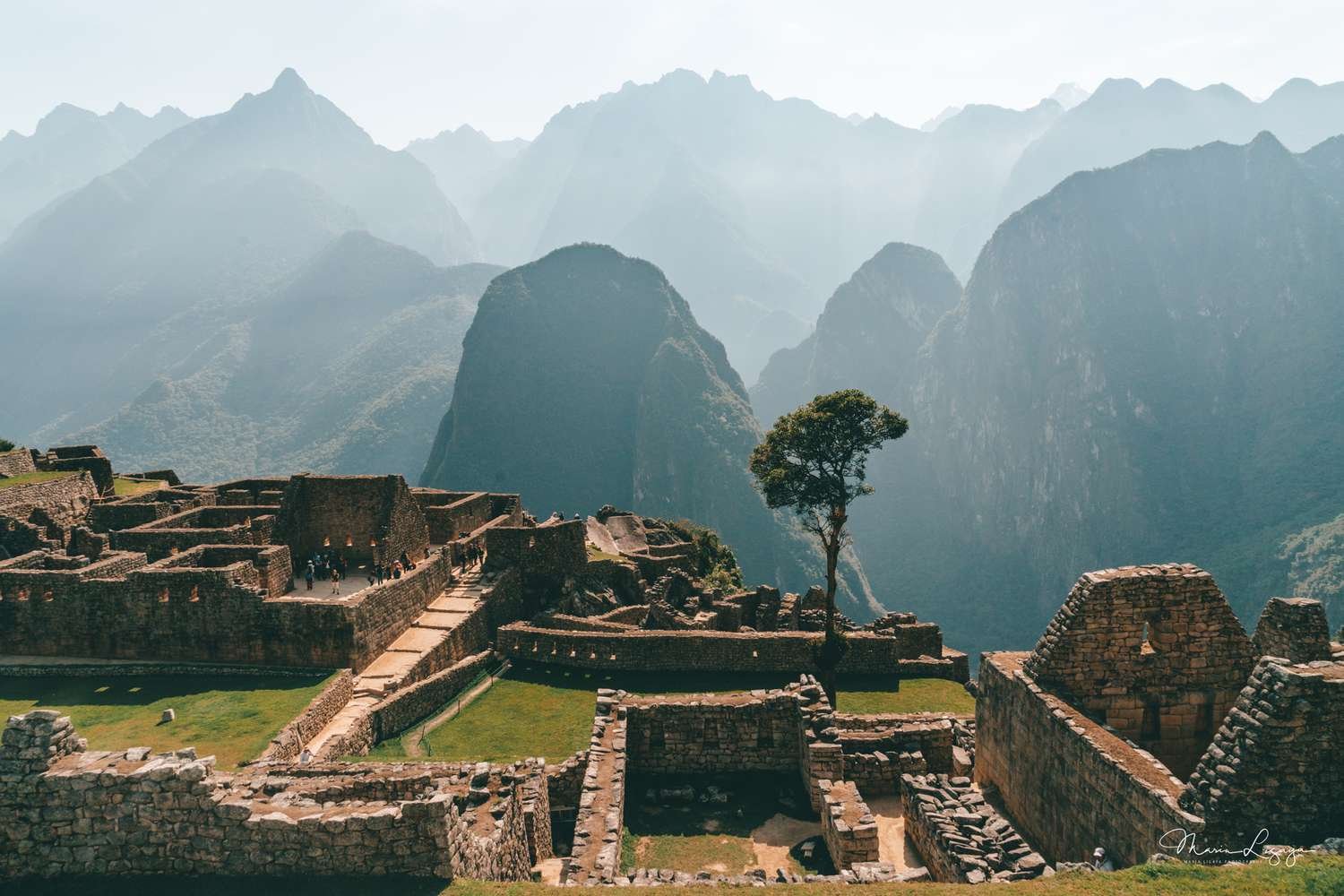
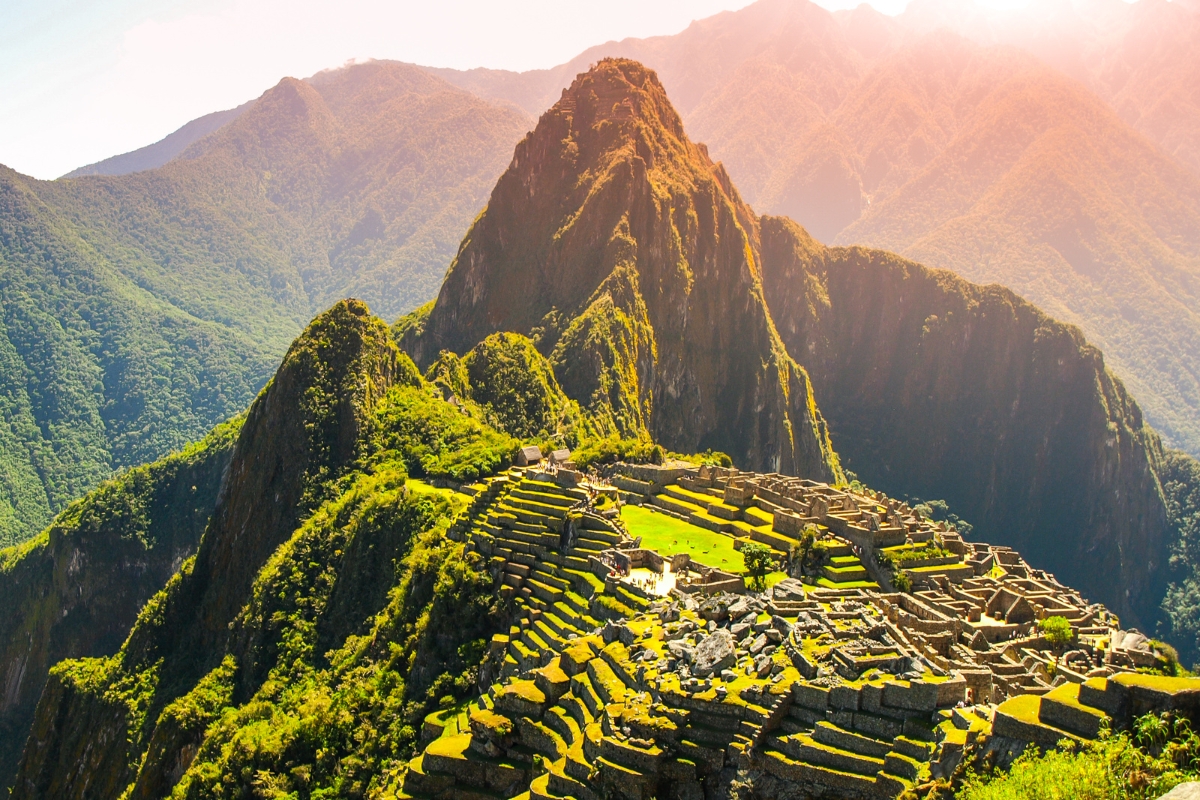
The Classic Inca Trail remains the only route that enters Machu Picchu through the Sun Gate (Inti Punku) at sunrise, delivering the iconic postcard view that defines most people’s mental image of the site. This exclusivity comes with a permit system that limits daily hikers to 500 people (including guides and porters), which means permits for peak season (May to September) sell out 6 to 8 months in advance (verify permit availability with authorized operators).
Full tour packages, including the SERNANP permit fee (~$90), certified guide, meals, camping equipment, and transport, run from $760 to $1,500+ per person for shared group programs, with premium and private options exceeding $2,000 (confirm the latest price directly with the operator). The 2-day Short Inca Trail from KM104 is a lighter alternative at $524 to $640 per person, covering the final day’s hike to the Sun Gate without the full 4-day commitment (check current rates on the official site).
Maya’s honest take: “The Inca Trail is physically demanding but logistically seamless—your tent is pitched, meals are prepared, and you carry only a daypack. If you can secure a permit and afford the premium, it’s the most rewarding way to arrive at Machu Picchu. Just book the moment permits open for your target dates.”
Best for
- First-time visitors who want the iconic Sun Gate sunrise arrival (verify permit availability with authorized operators).
- Hikers comfortable with 4 consecutive days of trekking, including a challenging 4,215-meter mountain pass (check trail difficulty with your tour operator).
- Travelers who can plan 6 to 8 months ahead for peak season dates (confirm booking windows with operators).
Worth considering
- 2-day Short Inca Trail for a taste of the classic route without the full 4-day commitment (verify itinerary details with your operator).
- Shoulder season dates (April, October) when permits are easier to secure but weather remains favorable (check seasonal availability on the official site).
- Private group departures for customized pacing and smaller group sizes, though at a premium cost (confirm private tour pricing with operators).
How does the Salkantay Trek compare to the Inca Trail?
The Salkantay Trek has emerged as the premier alternative to the Inca Trail, offering dramatic high-mountain scenery without the permit bottleneck. The route passes beneath the 6,271-meter Salkantay Peak and crosses a 4,630-meter pass before descending into cloud forest and joining the classic Inca Trail near Llactapata for the final approach to Machu Picchu (verify route details with your tour operator).
:max_bytes(150000):strip_icc()/peru--andes--urubamba-valley--tourist-with-red-backpack-at-machu-picchu-with-mountain-huayna-picchu-707446879-5b49519246e0fb005b6f6ba8.jpg "How to Travel to Machu Picchu, Peru: Routes, Costs & Entry Rules 2")
Standard 5-day group tours run from $609 to $750 per person, including guide, cook, trail meals, camping equipment, mule support, a Machu Picchu ticket, a hotel night in Aguas Calientes, and return train or car transport (confirm the latest price directly with the operator). Premium lodge-based versions with upgraded accommodation and smaller groups cost $1,095 to $1,600 per person (check current rates on the official site).
Maya’s honest take: “Salkantay delivers more varied scenery than the Inca Trail—you go from high alpine tundra to cloud forest in two days—but the highest pass is more challenging than Dead Woman’s Pass. If you’re fit and want flexibility on booking dates, this is the route to choose.”
Best for
- Hikers who want dramatic mountain scenery without permit restrictions (verify route highlights with your operator).
- Travelers who can only book 2 to 4 weeks ahead instead of 6 to 8 months (check booking windows with tour operators).
- Fitness levels comfortable with 70 km (43.5 miles) over 5 days and a 4,630-meter maximum altitude (confirm trail difficulty with your guide).
Worth considering
- Premium lodge-based Salkantay for upgraded accommodation and smaller groups at $1,095 to $1,600 (verify lodge amenities with your operator).
- Salkantay Llactapata variant for a less-traveled final approach with unique Machu Picchu viewpoints (check route variations on the official site).
- Combining Salkantay with a Sacred Valley tour before or after for broader cultural context (confirm itinerary options with operators).
What makes the Lares Trek different from other routes?
The Lares Trek distinguishes itself through cultural immersion rather than high-mountain drama. The route passes through traditional Quechua weaving villages in the Lares Valley, where you’ll encounter families maintaining pre-Columbian textile techniques and agricultural practices (verify cultural highlights with your guide). This makes it ideal for travelers who want meaningful human interaction alongside their hiking.
Classic 4-day Lares tours start around $620 per person, while 6-day combinations that include the Short Inca Trail run $910 to $1,010 (confirm the latest price directly with the operator). The trek involves less extreme altitude than Salkantay, with a maximum around 4,000 meters, making it more accessible for travelers concerned about altitude sickness (check altitude profiles with your tour operator).
Maya’s honest take: “Lares is the route I recommend for travelers who want their trek to feel culturally meaningful, not just physically impressive. The village visits are genuinely immersive, not staged photo ops, and the lower altitude makes it more manageable for first-time high-altitude hikers.”
Best for
- Cultural travelers who want authentic village interactions and textile demonstrations (verify cultural activities with your operator).
- Hikers concerned about extreme altitude, since Lares stays below 4,000 meters versus Salkantay’s 4,630 meters (check altitude profiles with your guide).
- Travelers who want to combine trekking with a visit to the Sacred Valley’s archaeological sites (confirm itinerary options with operators).
Worth considering
- 6-day Lares plus Short Inca Trail for the cultural immersion of Lares plus the iconic Sun Gate arrival (verify combined itinerary with your operator).
- Private Lares tours for customized village visits and flexible pacing (check private tour pricing with operators).
- Extending your trip with a Sacred Valley tour before or after Lares for broader archaeological context (confirm tour options on the official site).
Is the Inca Jungle Trek a good budget alternative?
The Inca Jungle Trek is the adventure-sport option, combining mountain biking, optional rafting, and hiking over 4 days with Machu Picchu entry included. It descends from 4,300 meters by bike through cloud forest and jungle trails, making it physically different from the sustained high-altitude hiking of the Inca Trail or Salkantay (verify activity details with your operator).
At $200 to $350 per person for 4-day packages, it’s approximately half the cost of Salkantay and less than a third of the Inca Trail (confirm the latest price directly with the operator). Packages typically include bicycle rental, a guide, accommodation, meals, transport, and Machu Picchu entrance, though quality varies significantly between operators (check inclusions and reviews on TripAdvisor).
Maya’s honest take: “Inca Jungle is ideal for younger travelers or adventure seekers who want variety over pure hiking. The biking is genuinely fun, but read reviews carefully—budget operators sometimes cut corners on bike maintenance and guide quality. Paying an extra $50 for a reputable operator is worth it.”
Best for
- Budget-conscious travelers who want adventure activities beyond just hiking (verify activity inclusions with your operator).
- Younger hikers or those who prefer varied activities over 4 consecutive days of walking (check itinerary details with your guide).
- Travelers booking last-minute, since no permit is required and departures run frequently (confirm availability with operators).
Worth considering
- 5-day Inca Jungle variants with additional rafting or ziplining activities (verify extended itinerary with your operator).
- Reputable mid-range operators at $300 to $400 for better equipment and guide quality (check reviews on TripAdvisor).
- Combining Inca Jungle with a Sacred Valley tour for broader archaeological context (confirm tour packages with operators).
Can you visit Machu Picchu without hiking?
Absolutely. The train-only route is the standard choice for travelers with mobility concerns, families with young children, or anyone who prefers to focus their energy on exploring Machu Picchu itself rather than multi-day trekking. PeruRail and Inca Rail operate multiple daily departures from Cusco (Poroy station) and Ollantaytambo to Aguas Calientes (Machu Picchu Pueblo) (verify train schedules on PeruRail).
Tourist-class tickets on PeruRail Expedition or Inca Rail Voyager cost $51 to $63 one-way from Ollantaytambo, with round-trip packages from $150 (confirm the latest price directly with the operator). From Aguas Calientes, you can either walk 2 km (about 30 minutes uphill) or take the Consettur bus for approximately $12 one-way (check current bus prices with the operator).
Maya’s honest take: “The train route is not a ‘consolation prize’—it”s how most visitors experience Machu Picchu, and it lets you arrive fresh for exploring the site. Book morning trains to maximize your time at the citadel, and consider staying overnight in Aguas Calientes to catch the first entry slot.”
Best for
- Travelers with mobility concerns or limited hiking fitness (verify accessibility options with your operator).
- Families with young children who want a manageable day trip (check family-friendly itineraries on Booking.com).
- Visitors who want to maximize time at Machu Picchu rather than on the trail (confirm entry times with your tour operator).
Worth considering
- Vistadome or 360° train classes for panoramic windows and enhanced service at $70 to $100+ one-way (verify upgrade pricing on PeruRail or Inca Rail sites).
- Overnight stay in Aguas Calientes to catch the first entry slot and avoid day-trip crowds (check hotel availability on Hotels.com).
- Combining with a Sacred Valley tour before or after for broader archaeological context (confirm tour packages with operators).
When is the best time to visit, and how do you handle altitude?
Machu Picchu is open year-round, but your experience varies significantly between the dry season (May to October) and rainy season (November to April). The dry season offers clearer skies and better trekking conditions, while the rainy season brings lush scenery and fewer crowds but more frequent afternoon showers (verify seasonal weather patterns with the Peruvian meteorological service).
Cusco sits at 3,400 meters (11,150 feet), where oxygen levels drop to roughly 70% of sea-level concentrations. The single most effective altitude sickness prevention strategy is ascending gradually rather than flying directly to Cusco and allowing 2 to 3 nights for acclimatization before starting any trek (verify altitude guidance with the CDC).
Maya’s honest take: “Don’t underestimate altitude sickness. I’ve seen fit marathon runners laid flat on day one because they flew Lima-Cusco and started trekking immediately. Spend two nights in Cusco walking gently, drinking water, and eating light before any serious hiking. It’s not optional—it’s essential.”
Best months to visit
- May to October for dry weather, clear skies, and optimal trekking conditions (verify seasonal weather with local operators).
- April and October for shoulder-season balance of good weather and smaller crowds (check crowd levels with your tour operator).
- November to March for lush scenery and fewer visitors, but expect afternoon rain and possible trail closures (confirm seasonal closures with the Machu Picchu authority).
Altitude sickness prevention
- Spend 2 to 3 nights in Cusco (3,400 meters) before trekking to acclimatize (verify acclimatization guidance with the CDC).
- Stay hydrated with 4 to 5 liters of fluid daily during your first week at altitude (check hydration recommendations with your guide).
- Avoid alcohol and heavy exercise for the first 48 hours after arrival (confirm altitude tips with your tour operator).
- Consider acetazolamide (Diamox) 125 mg every 12 hours starting the day before ascent if rapid ascent is unavoidable (verify medication guidance with your doctor).
How do you get from Lima to Cusco?
There are three ways to reach Cusco from Lima: flight, bus, or a combination of flight and ground transport. Flights are by far the most practical option for most travelers, taking 1 hour 20 minutes versus 20 to 24 hours by bus over steep Andean roads (verify flight schedules on airline websites).
Round-trip flights on LATAM, Sky Airline, and JetSmart run $150 to $250 depending on season and booking lead time (confirm the latest price directly with the operator). Direct buses operated by Cruz del Sur and other companies take a punishing 20 to 22 hours over mountain roads and are not recommended unless you have specific reasons to avoid flying (check bus schedules on the operator’s website).
Maya’s honest take: “Book morning flights from Lima to Cusco whenever possible. Afternoon flights are more prone to delays from coastal fog, and arriving in Cusco by midday gives you time to rest and start acclimatizing before evening. Don’t schedule your first trek for the day after you arrive.”
Best flight booking strategy
- Use Kayak to compare LATAM, Sky, and JetSmart fares across multiple dates (verify current carriers on the official sites).
- Book at least 4 to 6 weeks ahead for peak season travel to lock in lower fares (confirm booking windows with airlines).
- Choose morning departures to minimize weather-related delays and maximize acclimatization time (check flight schedules on airline websites).
Ground transport from Cusco airport
- Taxi from Cusco airport to city center: $5 to $10 (confirm the latest price directly with the operator).
- Hotel pickup arrangements: many mid-range and upscale hotels offer free airport transfers (verify with your hotel on Booking.com).
- Private transfer to Ollantaytambo for train departure: $40 to $60 (check current rates with transfer operators).
Frequently asked questions
Do I need a guide to visit Machu Picchu?
Independent visitors can enter Machu Picchu without a guide for the standard circuits, but a certified guide is required for Huayna Picchu and Machu Picchu Mountain hikes (verify guide requirements with the Machu Picchu authority). Most tour packages include a guide, and hiring one separately costs $40 to $80 for a 2 to 3-hour tour (confirm the latest price directly with the operator).
Can I visit Machu Picchu in one day from Cusco?
Yes, but it’s rushed. Take an early train from Ollantaytambo (departing around 6 am), arrive in Aguas Calientes by 8 am, catch the bus up to Machu Picchu for a 10 am entry, and return to Cusco by evening (verify train schedules on PeruRail). Overnight stays in Aguas Calientes allow for a more relaxed visit with first-entry access (check hotel availability on Booking.com).
Is Machu Picchu accessible for people with mobility issues?
The main citadel has steep, uneven stone steps and is not wheelchair-accessible, though the train-only route minimizes hiking (verify accessibility options with your tour operator). The Consettur bus from Aguas Calientes to the entrance is accessible, but once inside, visitors must navigate irregular Inca stonework and steep gradients (check accessibility details on the official site).
How far in advance should I book Inca Trail permits?
For peak season (May to September), book 6 to 8 months ahead, as permits sell out rapidly (verify permit availability with authorized operators). Shoulder season (April, October) may have availability 3 to 4 months ahead, while rainy season (November to March) can sometimes be booked 1 to 2 months out (check seasonal availability on the official site).
What is the difference between Circuit 1, 2, and 3 at Machu Picchu?
Circuit 1 offers panoramic upper-terrace views, including the classic Guardian’s House photo spot (verify circuit maps on the official site). Circuit 2 covers the classic route through the urban core and lower terraces. Circuit 3 includes Huayna Picchu or the Royalty route with temple access (confirm circuit details with your tour operator).
Can I hike Huayna Picchu without a separate ticket?
No, Huayna Picchu requires a specific Circuit 3-A ticket that includes both Machu Picchu entry and the mountain climb (verify ticket types on the official site). Only 400 visitors per day are allowed on Huayna Picchu across two entry groups (7-8 am and 10-11 am), so book weeks ahead in peak season (confirm availability with your operator).
Is travel insurance required for Machu Picchu treks?
While not legally required, most reputable tour operators require proof of travel insurance covering high-altitude trekking up to 4,600 meters (verify insurance requirements with your operator). Standard policies often exclude altitudes above 3,000 meters, so purchase specialized adventure or high-altitude coverage (check insurance options on Expedia).
Plan your trip: booking platforms we trust
I’ve tested these platforms across dozens of trips for reliability, customer support, and real inventory. They’re not all right for every situation, but each one solves a specific problem better than the alternatives.
Kayak
Best for comparing LATAM, Sky, and JetSmart flight fares across multiple dates.
Booking.com
Widest selection of Cusco and Aguas Calientes hotels with free cancellation on most properties.
PeruRail
Official train tickets from Cusco and Ollantaytambo to Aguas Calientes with verified schedules.
TripAdvisor
Real traveler reviews for tour operators, restaurants, and hotel experiences in Cusco and Aguas Calientes.
Expedia
Flight and hotel packages for Lima-Cusco flights and pre- or post-Machu Picchu stays.
Hotels.com
Loyalty rewards program for repeat travelers booking Cusco and Sacred Valley hotels.
More Peru and South America travel guides
If you’re planning a broader Peru trip or need more destination-specific advice, these guides cover the next steps in your itinerary.
- Hotels in Peru and Cusco—budget to luxury accommodation guides with verified prices.
- Best things to do in Peru—from Sacred Valley ruins to Amazon rainforest lodges.
- Travel planning guides— itineraries, packing lists, and logistics for South America trips.
- Visa requirements for Peru—entry rules, permitted stay lengths, and extension processes.
- How to find cheap flights to South America—fare comparison strategies and booking timing tips.
WakaAbuja does its best to keep all information accurate at the time of publishing. Prices, policies, and availability change regularly. Always verify with official sources before you travel. We are not liable for errors caused by outdated information. Travel insurance is strongly recommended.