
advertisement
Whether you’re planning your first visit or a short city break, this Warsaw travel guide breaks down the visa requirements, realistic costs, and a carefully planned 3-day itinerary to help you make the most of Poland’s capital without unnecessary expenses.
Fact-Checked By: Maya Whitfield — Senior Travel Editor at WakaAbuja
To travel to Warsaw, Poland, you fly into Warsaw Chopin Airport (WAW) and budget around 450 PLN per day for a comfortable mid-range trip, excluding flights (confirm the latest price directly with the operator). Most tourists do not need a visa for stays under 90 days if they hold a US, UK, or EU passport, but Nigerian and many non-Schengen passport holders must apply for a Schengen visa before departure.
Plan for 3 full days to cover the Old Town, the Warsaw Uprising Museum, and Łazienki Park without rushing.
Warsaw is not a city that tries to charm you on first glance. It is a city that rebuilds, remembers, and then invites you to look closer. I have landed at Chopin Airport three times now, and each time I find a new layer: the reconstructed Gothic churches beside Soviet-era concrete, the milk bars where a full lunch costs less than a cocktail in London, and the quiet corners of Praga where the neon signs still hum.
The key to getting this city right is understanding the logistics before you board the plane.
Jump to: Things to See | Visa Rules | Real Costs | Where to Stay | 3-Day Plan | Day Trip | Food | Getting Around | Safety | Mistakes | Warsaw vs Krakow | FAQ
Key takeaways
- Schengen visa rules are strict for Nigerian passport holders. Start the application at least 6 weeks before you fly. Do not book non-refundable flights until the visa is in your hand.
- Warsaw is cheaper than Western Europe, but not “cheap.” Budget 450 PLN per day for a comfortable mid-range trip (confirm the latest price directly with the operator).
- Do not stay near the airport. Stay in Śródmieście or Powiśle for walkability, or Praga for a grittier, more affordable scene.
- Free museum days are real. Many major museums are free on specific days, usually Tuesdays or Thursdays. Plan around them.
- The Warsaw Uprising Museum is not optional. It is the single most important historical site in the city.
- Uber works, but the tram is cheaper and more interesting. A 20-minute tram ticket costs around 3.40 PLN (confirm the latest price directly with the operator).
What Are the Top Things to See and Do in Warsaw?
If you only have three days, you need to be ruthless with your sightseeing list. Warsaw is not a city where you wander aimlessly and stumble into masterpieces. It is a city where the history is specific, and the best sights require a bit of intentionality. My list below is the result of three trips and several arguments with locals about what actually matters.
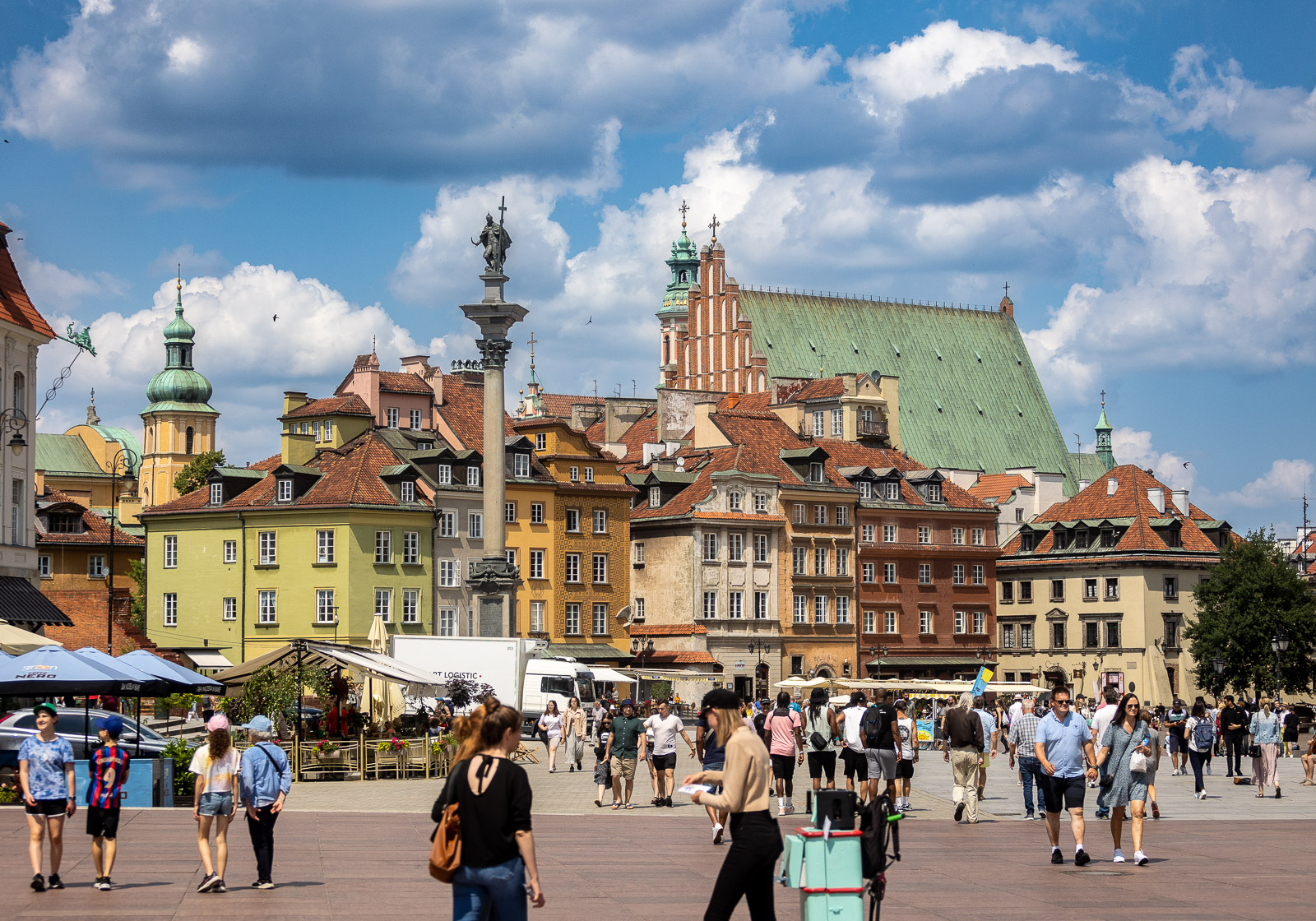
The Old Town is the obvious starting point, but it is also the most crowded and the most commercial. It is worth seeing because the reconstruction story is genuinely moving, but do not spend your whole day there. The Royal Castle inside the Old Town is worth the entry fee if you care about Polish royalty and Rembrandt paintings. If you are more interested in modern history, skip the castle and go straight to the Uprising Museum.
Maya Whitfield’s honest take: “The Old Town is beautiful, but it is a stage set. The real Warsaw is in the courtyards behind Nowy Świat and the backstreets of Praga. Spend one morning in the Old Town, then leave.”
Must-see sights
- Warsaw Uprising Museum: The emotional core of the city. Budget 3 hours. It is heavy, and you will need a coffee after.
- POLIN Museum of the History of Polish Jews: World-class museum. The core exhibition takes 3 hours if you read everything.
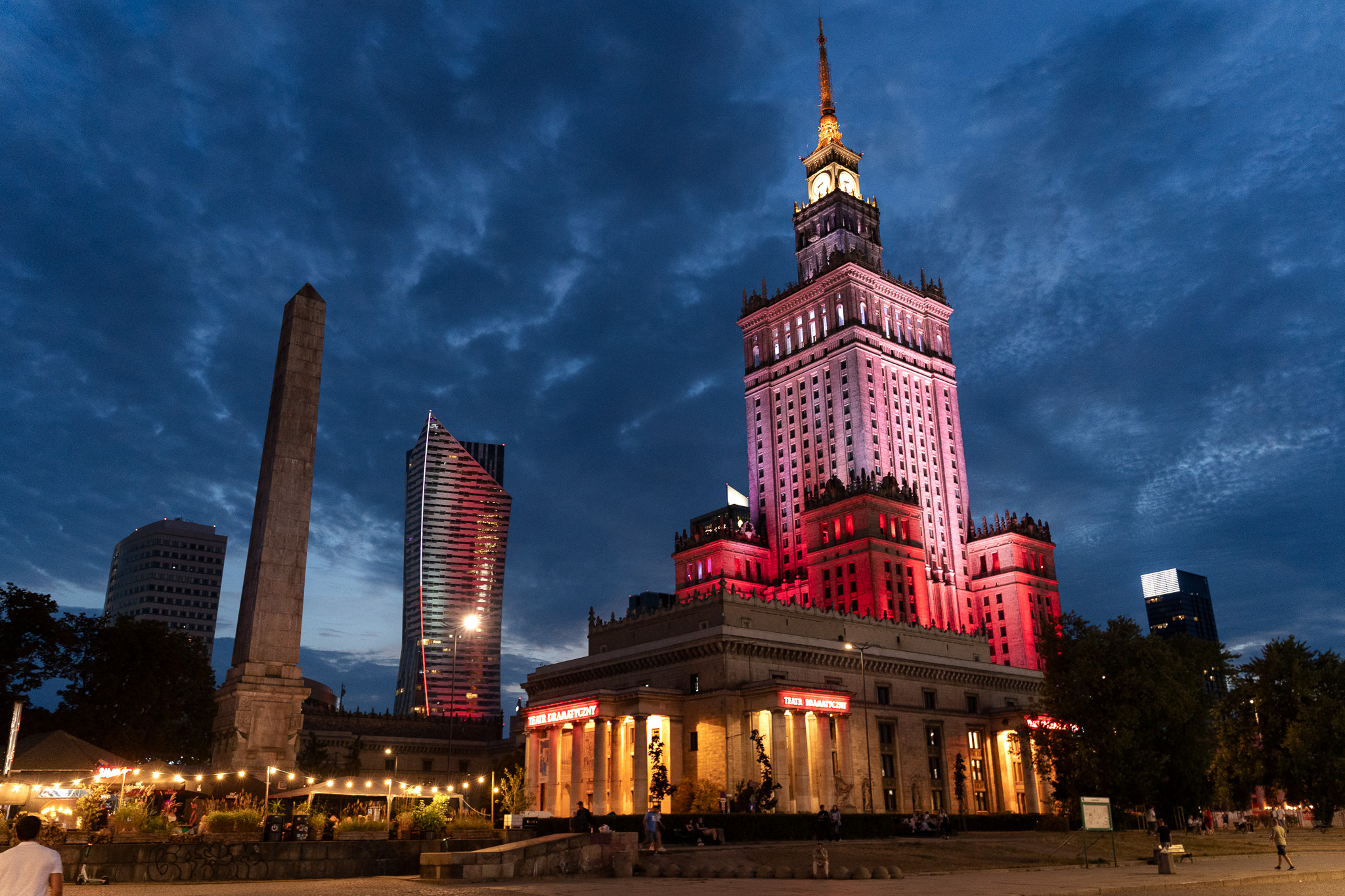
- Palace of Culture and Science: Stalin’s “gift” to Warsaw. Go up to the viewing terrace on the 30th floor for the best skyline view.
- Łazienki Park: The most beautiful green space in the city. Free entry, and you can see peacocks wandering around.
- Copernicus Science Centre: Great if you are traveling with kids. Interactive and genuinely fun for adults too.
If you have extra time
- Neon Muzeum in Praga: A tiny museum of preserved Cold War-era neon signs. Weird and wonderful.
- Powązki Cemetery: One of the oldest cemeteries in Europe. Sculptural tombs and quiet paths.
- Gestapo Headquarters Museum: Small, intense, and often missed by tourists.
- National Museum: Good for Polish art, but only if you are already a museum person.
Do You Need a Visa to Travel to Warsaw, Poland?
This is the question that determines whether you actually get on the plane. If you hold a passport from the US, UK, Canada, or most EU countries, you do not need a visa for short stays in Poland. You get 90 days in the Schengen zone, and Warsaw counts toward that total. This has been the rule for years and has not changed as of this year.
If you hold a Nigerian passport, as many WakaAbuja readers do, you need a Schengen visa before you fly. The process is not impossible, but it is bureaucratic and it takes time. The Polish embassy in Abuja is responsive but strict. Chidi from our team went through this in March this year and was asked to provide proof of accommodation for every single night, plus a signed letter from his employer. He got the visa in 12 days, but he said the most stressful part was not knowing if the flight booking he made would hold while he waited.
Maya Whitfield’s honest take: “Do not pay for a non-refundable hotel booking before your visa is approved. Use Booking.com’s free cancellation option, print the confirmation, and cancel after the visa comes through if you need to change plans.”
Visa-free passports
- United States, United Kingdom, Canada, Australia
- All European Union member states
- Japan, South Korea, Brazil, Argentina
Visa-required passports
- Nigeria, Ghana, Kenya, South Africa
- India, Pakistan, Bangladesh, Philippines
- Always confirm the latest visa list on the Polish government’s official website before booking.
How Much Does a Trip to Warsaw Actually Cost?
The real cost of Warsaw sits somewhere between Prague and Berlin, closer to the Prague end. You can eat a hot meal for 25 PLN in a milk bar or spend 150 PLN on a nice dinner in Powiśle. The numbers below are based on my last three trips, the most recent being last month, so they are current as of this year.
Transport is the quiet budget killer. A single tram ticket is cheap, but if you tap your card every time without thinking, it adds up. Buy a 3-day unlimited travel pass from the first machine you see at the airport. It covers buses, trams, and the metro, and it pays for itself after four rides (confirm the latest price directly with the operator).
Backpacker budget (185 PLN/day)
- Dorm bed in a hostel: 60 PLN per night (confirm the latest price directly with the operator).
- Milk bar lunch plus street food dinner: 50 PLN total.
- Public transport day pass plus one museum ticket: 40 PLN.
- Remaining 35 PLN for a beer and a snack.
Mid-range budget (450 PLN/day)
- Private room in a 3-star hotel or apartment: 220 PLN per night (confirm the latest price directly with the operator).
- Two sit-down meals plus a coffee: 130 PLN.
- Two museum entries plus a taxi ride: 60 PLN.
- Remaining 40 PLN for drinks and incidentals.
Upscale budget (750 PLN/day)
- 4-star hotel or boutique apartment: 400 PLN per night (confirm the latest price directly with the operator).
- Fine dining dinner plus lunch: 200 PLN.
- Private guide or taxi rides plus all museums: 100 PLN.
- Remaining 50 PLN for a concert ticket or rooftop drinks.
Which Area Should You Stay in Warsaw?
The city is divided by the Vistula River. The West Bank holds most of the tourist sights, the business district, and the best restaurants. The east bank, Praga, is cheaper, grittier, and increasingly popular with artists and young locals. I have stayed on both sides, and my answer depends on what kind of traveler you are.
For first-timers, stay in Śródmieście or Powiśle. Śródmieście puts you next to the Palace of Culture, the central station, and the main tram lines. Powiśle is quieter, closer to the river, and has the best coffee shops in the city. Praga is ideal if you want to feel like you are actually living in Warsaw, not just visiting it, and the prices are 20-30% lower than the west bank (confirm the latest price directly with the operator).
What Is a Realistic 3-Day Warsaw Itinerary?
This is the exact plan I gave my brother last spring when he visited for the first time. He is not a museum person, and he gets tired quickly when walking, so I built in coffee stops and did not overload the days. He said it was the best city break he has taken in Europe, which is high praise from someone who hates crowds.
Day 1: The Old Town and the Royal Route
Start at Castle Square before 9 a.m. The square is empty then, and you can actually hear the church bells. Walk the Royal Route down Krakowskie Przedmieście, stopping for a coffee at a local café, not a chain. By midday you will reach Łazienki Park. Spend the afternoon wandering the paths and seeing the palace on the isle. In the evening, walk back along Nowy Świat and have dinner in one of the courtyard restaurants.
Day 2: The Heavy History
Dedicate this day to the Warsaw Uprising Museum and POLIN. Both are emotionally demanding, so do not try to cram them into one morning. Start with the Uprising Museum at opening time, take a long lunch break, then do POLIN in the afternoon if you still have energy. If you can only do one, do the Uprising Museum. It is the single most important historical site in the city.
Day 3: Praga, the Palace, and the Neon Lights
Cross the Vistula to Praga in the morning. Visit the Neon Muzeum, walk around the old tenement courtyards, and have lunch at a milk bar. In the afternoon, come back to the west bank and go up the Palace of Culture viewing terrace. End your trip with a walk along the Vistula boulevard at sunset.
Day Trip: Żelazowa Wola, the Birthplace of Chopin
If you have a fourth day, or if you want to escape the city for a few hours, go to Żelazowa Wola. This is the village where Frédéric Chopin was born, and it is a 50-minute train ride from Warsaw. The manor house is a small museum, but the real draw is the park around it. There are concerts there most Sundays from May to September, and hearing Chopin played on a piano next to the river where he was born is a specific kind of magic you will not forget.
Trains leave from Warsaw Central Station and cost around 20 PLN each way (confirm the latest price directly with the operator). The station is a 15-minute walk from the manor. Go early in the morning, before the tour buses arrive, and you will likely have the gardens to yourself. Bring a book and a snack.
What Should You Eat and Drink in Warsaw?
Polish food is heavy, warming, and deeply satisfying. Pierogi are the obvious starting point, but do not stop there. Try żurek, a sour rye soup served in a bread bowl, and placki ziemniaczane, which are potato pancakes fried until crispy. For a cheap lunch, find a milk bar. These are communist-era canteens where you order at a counter and get a full plate of food for around 22 PLN (confirm the latest price directly with the operator).
For dinner, skip the Old Town restaurants with their photo menus. Go to Powiśle or Mokotów, where the locals eat. The food is better, the prices are lower, and you will not be surrounded by tour groups. If you drink alcohol, order a cold Polish lager with your meal. It is cheap, crisp, and pairs perfectly with fried food.
How Do You Get Around Warsaw from the Airport and the City?
Warsaw Chopin Airport is 10 km from the city center, and the cheapest way into town is the S2 train. It runs every 30 minutes and costs around 4 PLN (confirm the latest price directly with the operator). The ride takes 20 minutes and drops you at Warsaw Central Station. A taxi costs around 50-60 PLN (confirm the latest price directly with the operator), and Uber is usually a bit cheaper.
Once you are in the city, the tram system is the most useful. It is slow but scenic, and it connects all the neighborhoods you will actually visit. Buy a 3-day unlimited pass from any ticket machine. It covers the trams, buses, and the metro, and it means you never have to think about ticket prices again. Avoid renting a car. Parking is expensive, and the city is walkable enough that a car is a burden.
Is Warsaw Safe to Visit?
Yes, Warsaw is safe. Violent crime against tourists is rare. The biggest risks are the same ones you find in any European capital: pickpockets in crowded areas, taxi scams at the airport, and overpriced drinks in tourist bars. I have walked alone at night in Śródmieście and Powiśle and never felt unsafe, though I am always more careful in the area around the central train station after midnight.
For Black travelers, my team member Fatima has a useful note. She visited Warsaw last autumn and said she got a few long stares in Praga, but no one was hostile. She felt more comfortable in the central neighborhoods and around the university area, which is more diverse. The usual safety rules apply: keep your phone in your front pocket, do not leave your bag on a chair, and use the official taxi apps instead of hailing cabs on the street.
What Are the Biggest Mistakes Travelers Make in Warsaw?
I have watched friends make these mistakes, and I have made a few of them myself. Here is what to avoid.
- Staying near the airport because it is cheaper. You will spend the savings on taxis and waste hours commuting.
- Only visiting the Old Town. The Old Town is a reconstruction. The real history is in the Uprising Museum and the Praga district.
- Paying for a taxi from the street. Always use Uber, Bolt, or a hotel-arranged cab. Street taxis overcharge tourists.
- Ignoring the museum free days. The Uprising Museum is free on Mondays. The Royal Castle is free on Wednesdays. Plan around these.
- Buying tickets at the museum door. You will wait in line. Book online the day before and walk straight in.
- Not bringing enough layers in autumn. Warsaw in October can feel like winter. Pack a warm coat even if the forecast says 15°C.
Warsaw vs Krakow: Which One Should You Visit First?
This is the most common question I get from first-time visitors to Poland. The short answer is that both are worth visiting, but they are completely different cities. Krakow is the postcard city, with a medieval core that survived the war intact. Warsaw is the resilient city, rebuilt from rubble and now the more modern and dynamic of the two.
If you have one week, split it: 3 days in Warsaw, 4 days in Krakow. If you only have one city break, choose Warsaw if you care about modern history, food, and a non-touristy atmosphere. Choose Krakow if you want the fairy-tale Old Town and easy day trips to Auschwitz and the salt mines. Warsaw is cheaper for accommodation and food, but Krakow has more compact sightseeing.
Warsaw
- Vibe: Modern, resilient, business-minded, but with deep history if you look.
- Best for: WWII history, contemporary art, food, and nightlife.
- Cost: Mid-range hotel 220 PLN per night (confirm the latest price directly with the operator).
Krakow
- Vibe: Medieval, romantic, tourist-heavy, but undeniably beautiful.
- Best for: Old Town charm, day trips, and first-time visitors to Poland.
- Cost: Mid-range hotel, 300 PLN per night (confirm the latest price directly with the operator).
Frequently asked questions about traveling to Warsaw
Is Warsaw safe for tourists?
Yes, Warsaw is a safe city for tourists. Violent crime is rare. The main risks are pickpocketing in crowded areas and taxi scams at the airport. Use ride-hailing apps instead of street taxis, and keep your valuables secured in busy squares.
How many days do you need in Warsaw?
Three full days is the right amount of time for a first visit. This gives you one day for the Old Town and Łazienki Park, one day for the museums, and one day for Praga and the Palace of Culture. If you want to add a day trip to Żelazowa Wola, add a fourth day.
Can I visit Warsaw on a backpacker budget?
Yes, Warsaw is one of the better European capitals for budget travelers. You can get by on 185 PLN per day if you stay in a dorm, eat at milk bars, and use public transport (confirm the latest price directly with the operator). Free museum days and free walking tours help keep costs down.
Do I need a visa for Warsaw, Poland?
US, UK, EU, and Canadian passport holders do not need a visa for stays under 90 days. Nigerian, Ghanaian, Indian, and many other non-Schengen passport holders need a Schengen visa before departure. Apply at the Polish embassy at least 6 weeks in advance.
What is the best time of year to visit Warsaw?
May, June, and September are the best months. The weather is warm but not hot, the parks are green, and the tourist crowds are manageable. December is also wonderful if you want the Christmas markets, but it is cold and dark by 3:30 p.m.
Which airport should I fly into for Warsaw?
Fly into Warsaw Chopin Airport (WAW), which is 10 km from the city center. The S2 train runs from the airport to central Warsaw in about 20 minutes for around 4 PLN (confirm the latest price directly with the operator). Modlin Airport is an alternative for budget airlines, but it is 40 km away and less convenient.
Is Warsaw cheaper than Krakow?
Yes, Warsaw is generally cheaper for accommodation and food than Krakow, though the difference is not huge. Warsaw has more business hotels, which means better weekend rates. Krakow is more tourist-driven, so prices stay higher year-round.
Plan your trip: booking platforms we trust
These are the platforms I actually use when I book Warsaw trips. They are not the cheapest in every case, but they are the most reliable for refunds, customer support, and transparent pricing. For visa applications, always book refundable rates.
Kayak
Best for comparing flight prices into Warsaw Chopin Airport.
Booking.com
Best for finding refundable hotels in Śródmieście and Powiśle for visa applications.
GetYourGuide
Good for booking skip-the-line tickets to the Uprising Museum and walking tours.
TripAdvisor
Best for checking recent restaurant reviews in Powiśle and Praga.
Expedia
Useful for bundling flight and hotel if you want a single booking.
WakaAbuja does its best to keep all information accurate at the time of publishing. Prices, policies, and availability change regularly. Always verify with official sources before you travel. We are not liable for errors caused by outdated information. Travel insurance is strongly recommended.