
advertisement
How to Plan a Trip to Rome: Complete First-Timer’s Guide
Fact-Checked By Maya Whitfield, Senior Travel Editor at WakaAbuja
You need at least 3 full days in Rome to cover the Colosseum, Vatican City, and the historic center without feeling rushed. Budget 150 to 250 euros per person per day for a comfortable mid-range trip, including accommodation, food, and attractions. Stay in the Centro Storico or Trastevere for first-timer convenience. Book the Colosseum and Vatican Museums at least 30 days in advance, especially for summer.
A trip to Rome falls apart in the planning, not the walking. Not because the city is hard to enjoy, but because most guides tell you what to see without telling you how many days you actually need, what it will cost, or where to sleep so you are not spending half your trip on the metro. I have planned Rome trips for first-timers who had two days and for travelers who stayed two weeks.
The difference between a good trip and a stressful one is almost always decided before you board the plane. Here is the plan, not just the highlights.
Jump to: How Many Days You Need | Best Time to Go | What It Costs | Where to Stay | Getting Around | 3-Day Itinerary | What to Book Ahead | FAQ
Key takeaways
- Three full days is the minimum for Rome. Five days lets you add the Borghese Gallery, day trips, or a slower pace without stress.
- A realistic mid-range budget is 150 to 250 euros per person per day, covering accommodation, food, transit, and one or two paid attractions.
- Stay in the Centro Storico or Trastevere for a first trip. Both are walkable, central, and full of restaurants.
- Book the Colosseum, Vatican Museums, and Borghese Gallery at least 30 days ahead. They sell out, especially from May to September.
- You do not need a car in Rome. The historic center is walkable, and the Metro Plus buses cover the rest.
- Do not sit on the Spanish Steps or wade in the fountains. Both are illegal and carry fines.
- Pickpocketing is most common at Termini station, on the 64 bus, and around the Colosseum. Keep your bag zipped and in front of you.
How Much Time Do You Need for a Trip to Rome?
Three full days is the minimum for Rome. That gives you one day for the ancient sites, one day for Vatican City, and one day for the historic center and neighborhoods. If you try to do Rome in two days, you will be sprinting between lines and missing the point of being there. Five days is the sweet spot for a first trip, because it leaves room for the Borghese Gallery, a long lunch, and an afternoon with no schedule at all.
2 Days: Only If You Must
Two days works if Rome is a stopover on a longer Italian trip. You can see the Colosseum and St. Peter’s, but you will not see the Vatican Museums, the Pantheon, or any neighborhood life. It is a tasting, not a meal. I have done two-day Rome trips and left feeling like I only saw the outside of things.
3 to 4 Days: The First-Timer Standard
Three or four days let you cover the major sites without collapsing. You will still be tired, but it is the good kind of tired. This is the length I recommend for most first-time visitors, especially if you are combining Rome with Florence or Venice on the same trip.
5 to 7 Days: The Unhurried Version
With five or more days, Rome opens up. You can do a day trip to Ostia Antica, spend an afternoon in Trastevere without checking the time, and revisit the Pantheon at different hours. If you have the time, this is how Rome is best experienced.
Maya’s honest take: “Rome is not a city you finish. It is a city you revisit. Plan for three days, but if you can stretch to five, do it. The extra time is what turns a checklist trip into an actual vacation.”
When to Go: Best Time for a Trip to Rome
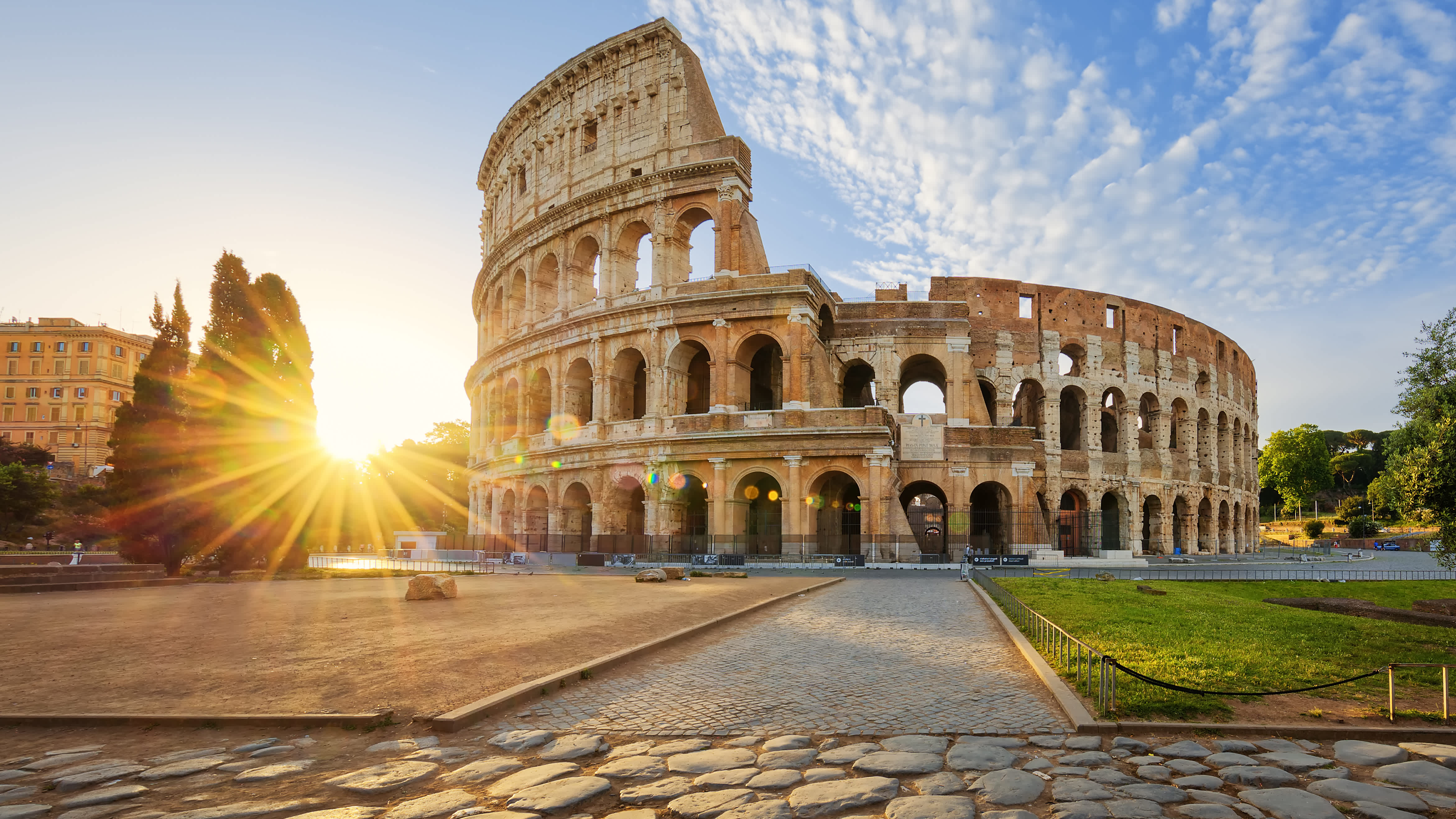
The best months for a Rome trip are April, May, late September, and October. The weather is warm but not brutal, the crowds are smaller than summer, and the light is beautiful. March and November are also workable, but they can be rainy. July and August are hot, crowded, and expensive, and many small family restaurants close for part of August when Romans leave the city.
Winter, from December to February, is the quietest and cheapest time. The sites are empty, the air is crisp, and hotel prices drop. I have been in Rome in January and had the Pantheon almost to myself. It is cold, but not Northern Europe cold, and the lack of crowds makes up for it.
Best Months
- April and May: mild, clear, spring in the parks
- Late September and October: golden light, fewer crowds
Good Months
- March and November: quieter, some rain
- December to February: cold but empty, low hotel prices
Avoid If Possible
- July and August: hot, crowded, many restaurants closed
- Easter week: beautiful but extremely busy at the Vatican
What Does a Trip to Rome Cost?
Rome is moderately expensive. A budget traveler can do it for around 80 to 110 euros per day. A mid-range traveler should budget 150 to 250 euros per day. A higher-end trip runs 350 euros per day and up. These numbers include accommodation, food, transit, and one or two paid attractions per day, but not your flight into Italy.
Budget: 80 to 110 euros per day
- Hostel or budget hotel: 30 to 50 euros
- Food: 25 to 35 euros for pizza, panini, and market meals
- Transit: 5 to 10 euros on foot and occasional bus
- Attractions: 15 to 25 euros for one major site
Mid-range: 150 to 250 euros per day
- 3 or 4-star hotel: 100 to 160 euros
- Food: 50 to 70 euros for good trattorias and wine
- Transit: 10 to 15 euros including occasional taxi
- Attractions: 30 to 50 euros for timed entries and a tour
Higher-end: 350-plus euros per day
- Boutique or 5-star hotel: 250-plus euros
- Food: 150-plus euros for fine dining and guided tastings
- Transit: 30-plus euros for private drivers
- Attractions: 100-plus euros for private tours and premium access
For a 4-day, mid-range trip for one person, expect to spend around 600 to 1,000 euros before flights. For hotel booking in Rome, Booking.com has the widest selection in the Centro Storico and Trastevere. If you are collecting loyalty rewards, Hotels.com is a solid alternative for the same properties.
Where to Stay: Neighborhood Guide for First-Timers
The best neighborhood for a first trip depends on your travel style. The Centro Storico is the most central, putting you within walking distance of the Pantheon, Trevi Fountain, and Piazza Navona. Trastevere is more atmospheric, with cobblestone lanes and the best evening food scene, but it is across the river from the ancient sites. Monti is quieter, slightly more local, and very well located between the Colosseum and Termini.
Centro Storico
Best for first-timers who want to walk everywhere. Central, historic, busy, and more expensive. You pay for the location.
Trastevere
Best for atmosphere and evening life. Cobblestone streets, ivy-covered buildings, and the city’s best casual restaurants. Across the river from the main sights.
Monti
Best for a quieter, more local feel. Close to the Colosseum, full of vintage shops and small wine bars. Less touristy than the center.
For family apartments with more space than a hotel room, Vrbo has good options in Trastevere and Monti. For a longer stay where you want to live like a local, an apartment booked through a platform like Vrbo or Booking.com often beats a hotel on both price and feel.
Getting to and Around Rome
Rome’s historic center is walkable, but you will use public transit to reach the Vatican, Trastevere, or the Borghese Gallery. The Metro has three lines, A, B, and C, and it covers most of what a first-timer needs. Buses fill in the gaps, but they are slower and less reliable. Walking is often faster than waiting for a bus.
From the Airport into the City
Fiumicino Airport, the main international airport, is about 30 kilometers from the center. The Leonardo Express train runs nonstop to Termini station in 32 minutes and costs about 14 euros one-way. The cheaper regional train makes local stops and costs about 8 euros. A taxi from Fiumicino has a fixed rate of 50 euros to the center. Ciampino, the budget-airline airport, is closer and has bus connections for around 6 to 8 euros.
Metro, Buses, and Walking
A single Metro or bus ticket costs 1.50 euros and is valid for 100 minutes. Day passes are 7 euros, and a 72-hour pass is 18 euros. For most visitors, single tickets are enough because so much of the center is walkable. Buy tickets at Metro stations or tabacchi shops, not from bus drivers. I have watched tourists argue with drivers about this, and the driver always wins.
For comparing flight prices into Rome, Kayak searches both Fiumicino and Ciampino. For bundling flight and hotel, Expedia often has package deals that beat booking separately.
A Sample 3-Day Rome Itinerary

This is the itinerary I give to first-timers who have exactly three full days. It assumes you are staying in or near the Centro Storico and can walk between most sights. It is not overstuffed. It leaves room for coffee, which in Rome is not optional.
Day 1: Ancient Rome
Start at the Colosseum with the earliest timed entry you can get, usually 8:30 or 9:00 a.m. Book this ahead. After the Colosseum, walk through the Roman Forum and Palatine Hill, which are included on the same ticket. Spend the afternoon in the Monti neighborhood for lunch and wandering. End the day at the Vittoriano for a free panoramic view over the city.
Day 2: Vatican City
Morning at the Vatican Museums and the Sistine Chapel. Book the first entry of the day or a guided tour to skip the worst of the line. After the museums, walk to St. Peter’s Basilica, which is free to enter but has a dress code: covered shoulders and knees. End the day in Trastevere for dinner and a walk through the cobblestone streets.
Day 3: Centro Storico and Beyond
Start at the Pantheon, which is free and opens early. From there, walk to the Trevi Fountain, then the Spanish Steps. Do not sit on the steps; it is illegal, and the fine is real. Afternoon at the Borghese Gallery, which requires a reservation, then a slow evening walk through Piazza Navona and Campo de’ Fiori. This day is about the city itself, not just the monuments.
For guided tours, skip-the-line tickets, or a food-focused walking tour, I use GetYourGuide because the Rome options are extensive and the reviews are current. For restaurant recommendations and recent visitor photos, TripAdvisor is still the fastest way to see what is actually good right now.
Book These Before You Go
The Colosseum, Vatican Museums, and Borghese Gallery all require or strongly recommend advance reservations. The Colosseum releases tickets 30 days ahead, and the popular time slots sell out within days during summer. The Vatican Museums are similar, especially for the first entry of the morning. The Borghese Gallery is the strictest, with timed two-hour entry slots that sell out weeks in advance. Do not assume you can walk up and buy a ticket. You will be disappointed.
For restaurants, the rule in Rome is simple: if it is famous, book it. Small trattorias and popular pizzerias fill up with locals, not just tourists. A phone call or a booking through your hotel the day before is usually enough for casual places. For anything with a Michelin mention, book weeks ahead. I have been turned away from places I assumed would have space, and it is a humbling experience.
Local Etiquette and Tourist Laws to Know
Rome has a few rules that are not suggestions. Sitting on the Spanish Steps is illegal and carries a fine of up to 400 euros. Wading in or swimming in the fountains, including the Trevi Fountain, is also illegal. Eating or drinking on the steps of historic monuments is restricted in certain areas. These rules are enforced, and the police do not care that you did not know.
Dress codes apply at St. Peter’s Basilica and other churches. Shoulders and knees must be covered for everyone. In summer, carry a scarf or a light cover-up. I have seen people turned away at the Vatican gates in August, and they were not happy about it.
At restaurants, service is included, but rounding up or leaving 1 to 2 euros is appreciated. Do not order a cappuccino after lunch. Italians drink milky coffee in the morning, and ordering one at 3 p.m. marks you as a tourist immediately. Ask for a café instead. And do not cut pasta with a knife. Twirl it.
Eating in Rome: What First-Timers Get Wrong
The biggest mistake first-timers make is eating on the main tourist streets. The restaurants around Piazza Navona and the Trevi Fountain are often overpriced and mediocre because they do not need repeat customers. Walk five or ten minutes away, to the side streets, and the food improves dramatically. Look for places full of Italians, not other tourists with guidebooks.
Roman food is specific. You are here for carbonara, cacio e pepe, amatriciana, and fried artichokes in season. The best of these dishes are simple and cheap. A good plate of carbonara should cost 12 to 15 euros, not 25. If the menu has pictures and a waiter standing outside, keep walking. The best places do not need to recruit you.
And do not skip the “fare la scarpetta,” which means using a piece of bread to wipe the leftover sauce from the plate. It is not rude. It is a compliment to the cook.
@localaromas 🍝🍷 Want to know the food and wine places we personally recommend in Rome? Inside the Famiglia Plan of our Local Aromas Family community, we share the places we actually go to and happily recommend. Less scrolling. More eating. 😄🇮🇹 Join the Famiglia. Link in bio. #RomeFood #RomeRestaurants #RomeTravel #EatLikeALocal #creatorsearchinsights
Staying Safe: Pickpockets and Common Scams
Rome is a safe city, but pickpocketing is a real problem, especially around Termini station, on the 64 bus that runs between Termini and the Vatican, and around the Colosseum and Trevi Fountain. The thieves work in teams. One distracts; another takes. Your wallet should be in a zippered, crossbody bag worn in front of your body, never in a back pocket or an open tote.
Common scams include people offering to tie a “friendship bracelet” on your wrist, people asking you to sign a petition, and “found” rings or other items. Do not engage. A firm “no, grazie” and keep walking is the correct response. I have watched these scams play out dozens of times, and they work on people who are too polite to say no.
At night, the center is generally safe, but the area immediately around Termini can be sketchy after midnight. Take a taxi or ride-share if you are out late and staying far from your hotel. The emergency number in Italy is 112, which works for police, fire, and medical.
What to Pack for Rome
Rome is a walking city, so comfortable shoes are non-negotiable. I have seen people in brand-new shoes with blisters by lunchtime, and they did not enjoy the rest of their trip. Break in your shoes before you leave. You will walk more than you think, often on cobblestones.
Pack a reusable water bottle. Rome has hundreds of public water fountains, called nasoni, where the water is cold and free. You can fill up all day and save money. In summer, bring a hat, sunglasses, and sunscreen, because the sun is strong and shade is limited. In cooler months, layers are key, because the temperature swings between morning and afternoon.
Carry a small scarf or cover-up for churches, even in summer. You will not get into St. Peter’s or many smaller churches without covered shoulders and knees. And bring a small amount of cash, because some smaller cafes and market stalls still do not take cards.
Frequently Asked Questions
How many days do you need for a trip to Rome?
Three full days is the minimum for a first trip to Rome. That gives you one day for the ancient sites, one day for Vatican City, and one day for the historic center. Five days is better if you want to add the Borghese Gallery or a day trip without rushing.
Is Rome safe for tourists?
Yes, Rome is generally safe for tourists. The main risk is pickpocketing, not violent crime. Keep your wallet and phone in a zippered crossbody bag, be alert around Termini station and on crowded buses, and avoid engaging with street scammers. The emergency number is 112.
Do US, UK, or EU citizens need a visa for Italy?
US, UK, Canadian, Australian, and New Zealand citizens do not need a visa for tourist stays in Italy under 90 days within a 180-day period. EU citizens do not need a visa at all. From late 2026, visa-exempt travelers will need an ETIAS authorization, which costs 7 euros and is valid for 3 years. Your passport must be valid for at least 3 months beyond your planned departure from the Schengen area.
What is the best month to visit Rome?
April and May are the best months, with mild weather and manageable crowds. Late September and October are also excellent, with golden light and fewer tourists. July and August are hot and crowded, and many small restaurants close. Winter is quiet and cheap but cold.
Is Rome walkable?
Yes, central Rome is very walkable. Most of the major sights are within 30 to 40 minutes of each other on foot. The Metro and buses cover the rest. Walking is often faster than waiting for a bus, and you will see more of the city that way.
How much does a trip to Rome cost?
A mid-range trip to Rome costs about 150 to 250 euros per person per day, including accommodation, food, transit, and one or two paid attractions. Budget travelers can do it for around 80 to 110 euros per day, while higher-end trips run 350 euros or more per day.
What should I book in advance for Rome?
Book the Colosseum, Vatican Museums, and Borghese Gallery at least 30 days in advance. The Colosseum and Vatican Museums sell out quickly, especially in summer. The Borghese Gallery has strict timed entry slots. Famous restaurants should also be booked, especially anything with a Michelin mention.
Can you drink the tap water in Rome?
Yes, the tap water in Rome is safe to drink, and the city has hundreds of free public water fountains called “nasoni” where you can fill a bottle. The water is cold, clean, and free. Bring a reusable bottle and save money.
Plan your trip: booking platforms we trust
For a Rome trip, the booking order I recommend is flight first, then hotel, then attractions and special meals. Here are the platforms I use for each step, based on what actually works for Rome specifically.
Best for comparing flights into Fiumicino and Ciampino.
The widest selection of hotels in the Centro Storico and Trastevere.
Good for Vatican tours, Colosseum tickets, and food walks.
Best for family apartments in Trastevere and Monti.
Good for recent restaurant reviews and visitor photos.