
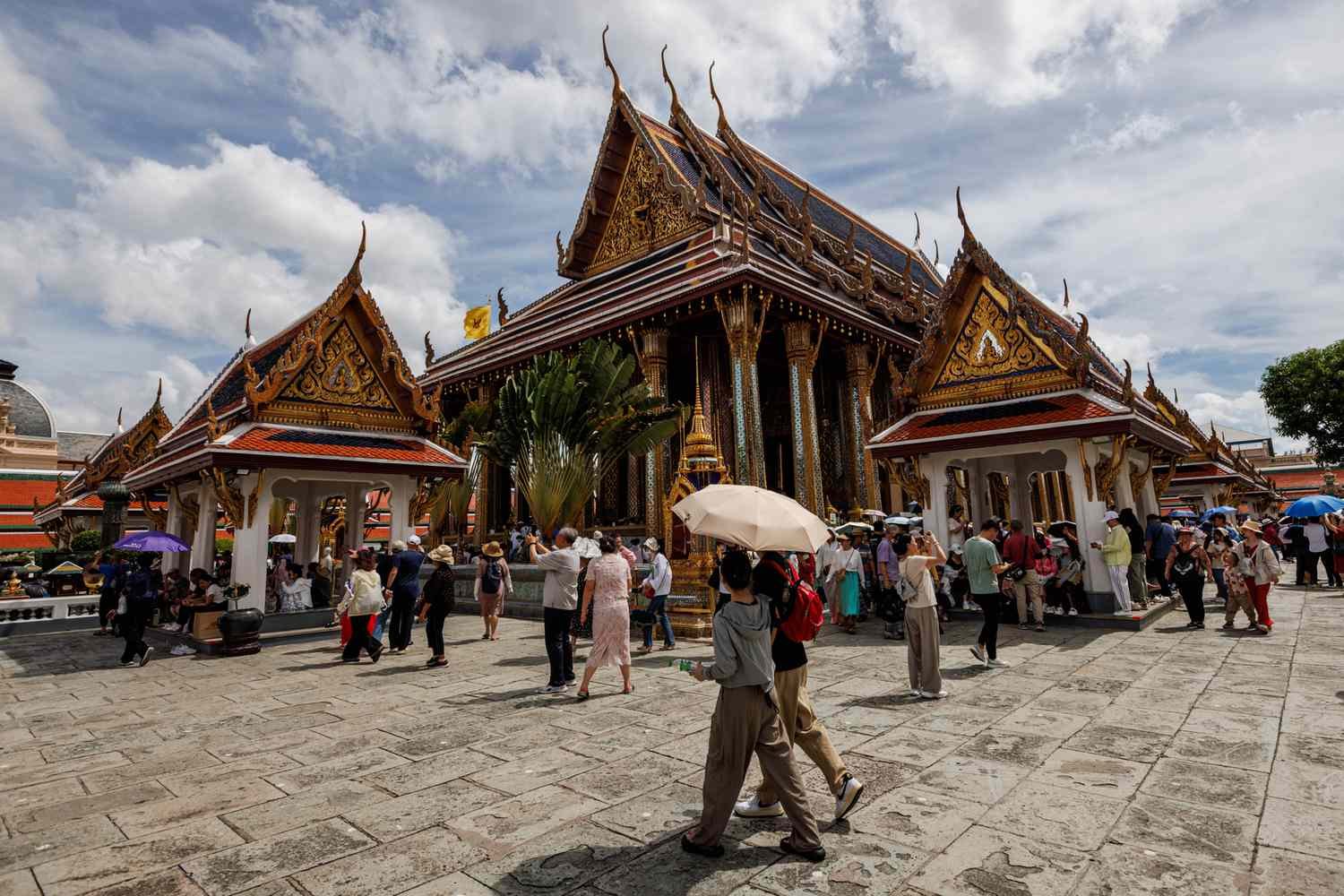
Trip to Bangkok: A First-Timer’s Plan for Days, Daily Costs, and Where to Stay
A trip to Bangkok works well with three full sightseeing days, accommodation near useful rail or river transport, and outdoor activities early in the day. I recommend November to February for a first visit if comfortable sightseeing matters more than finding the lowest hotel rate, and five days if you want a slower pace or an excursion. Before departure, check your passport-specific visa requirements and complete the Thailand Digital Arrival Card through the official immigration website.
Some links on this page are affiliate links. We may earn a commission at no extra cost to you.
Bangkok rewards a sensible base more than a packed schedule. A hotel near the transport you will actually use can save more time than an ambitious list of temples, markets, and rooftop bars.
My approach is to divide the city into manageable sightseeing areas, budget in Thai baht, and leave space for heat, traffic, and food stops. This guide offers editorial planning advice, not invented accounts of hotels stayed in or meals personally purchased.
Bangkok suits travellers who enjoy food, temples, shopping and a busy urban atmosphere. It is less suitable for anyone expecting a quiet beach holiday or effortless walking between every attraction.
Jump to: Quick facts | Best time | Trip length | Itinerary | Budget | Where to stay | Transport | Entry and money | Food | Practical tips | Mistakes | Checklist | FAQ | Sources
Quick facts: Is Bangkok right for your trip?
Bangkok is Thailand’s capital and a useful starting point for a wider Thailand itinerary. The Tourism Authority of Thailand highlights its religious and historic sights, including Wat Phra Kaew, Wat Pho, and Wat Arun.
- Recommended first stay: three full days, or five with downtime and an excursion.
- Currency: Thai baht, abbreviated THB.
- Airports: Suvarnabhumi (BKK) and Don Mueang (DMK). Check the airport code on every flight.
- Suggested bases: Sukhumvit for rail convenience, Riverside for atmosphere, or Old Town for historic sightseeing.
- Budget approach: calculate accommodation, meals, transport, and admissions separately rather than trusting one universal daily figure.
- Entry preparation: check visas separately from the Thailand Digital Arrival Card, which is not a visa.
When is the best time for a trip to Bangkok?
For a first trip to Bangkok, I would generally choose November to February for sightseeing comfort. March to May suits travellers prepared for stronger heat, while June to October calls for more weather flexibility.
These are broad seasonal planning guidelines, not a promise about any individual week. Rain, humidity, and temperature vary, and a lower hotel rate is not automatically good value if the conditions make your preferred activities uncomfortable.
November to February
Choose this period if temples, markets, and outdoor sightseeing are your priorities. Expect popular dates to attract more demand, and compare accommodation before fixing flights.
March to May
Choose this period only if you are comfortable adapting to heat. Put outdoor stops early, schedule an indoor break, and avoid building the day around long midday walks.
June to October
Choose this period if your schedule is flexible. Keep museums, shopping centers, and cooking classes available as alternatives to a weather-dependent afternoon.
Check the Tourism Authority of Thailand for current events before booking around a festival. Festival dates, traffic restrictions, and local arrangements deserve their own check.
How many days do you need in Bangkok?
I recommend three full days for Bangkok’s main historic sights, a river outing, and a neighborhood-focused food day. Five days allows a more comfortable pace; seven makes sense if Bangkok is your main destination rather than a stop between other parts of Thailand.
- Three days: prioritize Old Town, the river, Chinatown, and one modern-city district.
- Five days: add an excursion and a flexible day for food, shopping, or a class.
- Seven days: add neighborhood depth and recovery time instead of booking an outing every morning.
Count arrival and departure days separately. A late flight, immigration, baggage collection, and a transfer can turn what looks like a four-day booking into only two full sightseeing days.
Use the official Bangkok destination guide to shortlist interests, then group them geographically. A short list in one area is usually more enjoyable than crossing the city repeatedly.
A trip to Bangkok itinerary for 3, 5, or 7 days
This Bangkok itinerary groups historic sightseeing, river travel, and modern neighborhoods into separate days. Treat it as a sequence you can rearrange around opening schedules, weather, and your energy.
Three days: the first-visit essentials
Day 1: Focus on the Grand Palace and Wat Phra Kaew, the Temple of the Emerald Buddha. Add Wat Pho only if you still have the energy for another substantial religious site.
The Grand Palace lists foreign visitor admission at THB 500 (confirm the latest price on the official site), including Wat Phra Kaew and the Queen Sirikit Museum of Textiles. Check the official visitor information and opening calendar before travelling.
Day 2: Make the Chao Phraya River the focus. Consider Wat Arun, then leave time for a meal and a slower look at the riverfront rather than adding several distant stops.
Day 3: Choose Chinatown for a food-focused afternoon and evening, or Siam and nearby shopping areas if you prefer indoor time. Do not force both into an already crowded day.
Five days: add an excursion and breathing room.
Day 4: Choose a single organized excursion, such as an Ayutthaya history trip, after checking the itinerary, transport, and admission inclusions.
Day 5: Keep the morning flexible. A cooking class, shopping session, or return to a favorite neighborhood is a better use of the day than another rushed checklist.
Seven days: deepen the trip, not just the checklist.
Add two unhurried days for personal interests. Consider another museum, a guided neighborhood walk, a class, or a second excursion, but leave room for rest.
For guided Bangkok tours and day trips, compare the exact stops, group size, and cancellation conditions. A marketplace listing is not a substitute for checking the operator.
For more inspiration, explore our attractions and sightseeing guides. These are broader resources, not a promise that every category entry covers Bangkok.
How much does a trip to Bangkok cost?
Your Bangkok trip cost depends most on accommodation, flights, dining choices, and paid experiences. I would build a daily budget from actual booking quotes rather than present an unsourced citywide average as a reliable price.
The following is a budgeting method, not a hotel-rate survey. Only the Grand Palace admission example is a published operator price; accommodation and meal spending need quotes for your dates and preferences.
Build the total line by line.
- Flights: use the final return fare, including baggage and any necessary connections.
- Accommodation: multiply the final nightly room total by your nights, then divide by the number sharing.
- Food: choose a daily allowance based on casual meals, restaurants, drinks, and dietary needs.
- Transport: include airport transfers separately from everyday rail, boat, or taxi journeys.
- Activities: add each admission or tour once, and check what is already included.
- Contingency: reserve extra money for disruption, additional taxis, and changing plans.
A simple formula is flight total + accommodation share + airport transfers + daily spending × full days + activities + contingency.
Value-focused plan
Choose a simple room near useful transport, casual meals, and a small number of paid sights. Do not trade a modest room saving for expensive daily transfers.
Mid-range plan
Choose a comfortable, well-located hotel, a mix of casual and restaurant meals, and one or two guided experiences. Allow for taxis when luggage or weather makes them worthwhile.
Comfort-focused plan
Price a higher-end hotel, private transfers, and restaurant reservations individually. Check breakfast, service charges, and cancellation terms before comparing packages.
Use our flight comparison and booking guide to organize the airfare search. For sightseeing, take published admissions directly from operators such as the Grand Palace ticket office.
Where should you stay in Bangkok?
Choose a Bangkok neighborhood around your main activities, not simply the lowest room rate. My first comparison would be Sukhumvit for rail-based sightseeing, Riverside for a slower hotel-led stay, and Old Town for a short historic itinerary.
Sukhumvit
Choose Sukhumvit for restaurants, nightlife, and rail convenience. It is a large area, so check the actual station and walking route rather than trusting the district label.
Compare hotels near your chosen station, then check noise complaints and cancellation terms.
Riverside
Choose Riverside if views, hotel facilities, and river outings matter most. Check whether the property has convenient pier access or relies on a scheduled shuttle.
Use Riverside accommodation searches to compare final room totals, not just promotional rates.
Silom
Choose Silom for a mix of business-district convenience, restaurants, and evening activity. Check the precise street: a quiet room and a nightlife-facing room can deliver very different stays.
Old Town
Choose Old Town if historic sights dominate your short stay. Check the nearest useful transport rather than assuming every temple is an easy walk in the heat.
Siam
Choose Siam for shopping and a modern-city focus. It is practical if indoor activities appeal, but less atmospheric if you picture a quiet riverside retreat.
Cross-check station locations using the official BTS Skytrain website. Our broader hotel planning guides can help you assess location, room inclusions, and booking conditions.
How do you get around Bangkok?
Use Bangkok’s BTS Skytrain and MRT where their routes fit your day, then compare boats or road transport for the remaining journey. Do not assume one transport mode is always cheapest, fastest or easiest.
Rail: useful when the route fits
BTS and MRT are different systems, so check the operator’s current ticketing and interchange information. A hotel near a station helps only if that line serves the places you want to visit.
Start with the BTS operator website for current service information. Avoid relying on an old screenshot of fares or a third-party claim that one ticket covers every Bangkok train.
Boats: check the actual service
Bangkok’s river transport includes different services and ticket arrangements. Check the pier, direction, destination and final departure before boarding; a sightseeing boat is not automatically the same product as a commuter service.
Taxis, Grab and tuk-tuks
For a taxi or app-booked car, check the quoted arrangement, pickup point and any additional charges before travelling. For a tuk-tuk, agree the destination and price first.
The Grand Palace’s own guidance warns that a tuk-tuk can cost more than a taxi if you are unfamiliar with bargaining. Treat a tuk-tuk as an optional experience, not a guaranteed money-saving shortcut. Read the palace’s practical transport advice.
Airport transfers
Check whether your flight uses Suvarnabhumi (BKK) or Don Mueang (DMK), then plan the transfer to your actual hotel. Do not book a transfer against the city name alone.
For late arrivals, large bags or family travel, compare a door-to-door transfer against the complete public transport journey, including the final walk. Airport-to-airport connections need their own realistic buffer.
What are Bangkok’s visa, entry and money requirements?
Thailand’s entry requirements depend on your travel document, nationality, purpose and length of stay. Check visa eligibility through the Ministry of Foreign Affairs, then handle the Thailand Digital Arrival Card separately.
Check your visa position first
The official Thai e-Visa website includes a tourist-visa eligibility tool based on your passport or travel document and planned stay. Use the result alongside guidance from the responsible Thai embassy or consulate.
Do not assume that advice for a friend with a different passport applies to you. Visa exemption, visa on arrival and an approved e-Visa are different arrangements.
Complete the Thailand Digital Arrival Card
The Thailand Digital Arrival Card, or TDAC, is an arrival-information submission, not permission to enter. Thailand’s official guidance tells non-Thai travellers to register within the three days before arrival.
Use the official TDAC portal, which states that no fees are required. Check the official instructions for applicability and any exceptions, and avoid paying an intermediary merely to access the form.
Plan how you will pay
Carry a practical mix of payment options rather than depending on one card. Before departure, check your bank’s foreign transaction and withdrawal charges, and keep emergency funds separate from your everyday wallet.
Our visa and entry-planning guides provide general preparation help, but Thai government sources should decide the entry rules you follow.
What should you eat in Bangkok?
Build Bangkok food stops around the neighbourhood you are already exploring rather than travelling across the city for every meal. Noodle soups, pad kra pao, pad Thai, curries and mango sticky rice offer different starting points, but there is no need to turn eating into another checklist.
Use Chinatown for a food-focused outing and leave time to look around before choosing a place. In other districts, a convenient casual restaurant can be a better decision than a famous venue requiring a long detour.
If you have allergies, carry a clear written explanation in Thai and confirm ingredients directly. A dish name or photograph does not establish whether fish sauce, shellfish, peanuts or other allergens are present.
For a structured introduction, compare Bangkok food walks or a Thai cooking class. Check dietary accommodation, group size and what the price includes before booking.
The Tourism Authority of Thailand is a useful starting point for food and cultural context. Individual restaurant hours still need a direct check.
What should you know before visiting Bangkok?
Plan Bangkok sightseeing around heat, respectful dress and the rules of each venue. Treat temples as active religious places rather than simply photo stops.
Dress for the strictest stop
The Grand Palace prohibits clothing including sleeveless tops, shorts, torn trousers and several other revealing or unsuitable styles. Check its full list rather than assuming a scarf will solve every dress-code issue.
Use the official Grand Palace dress code when planning your historic sightseeing day. Rules at other venues may differ. [804]
Arrange connectivity before you need it
Check whether your phone is unlocked and eSIM-compatible before buying a package. Compare data allowance, validity, hotspot access and activation conditions with the provider.
Save your hotel’s address and essential booking details offline. That is useful even with a data plan, particularly if your phone battery runs low.
Keep safety decisions practical
Use reputable transport, safeguard valuables in crowded areas and avoid leaving drinks unattended. Recheck official travel advice before departure rather than relying on a blanket claim that a whole city is safe.
Review medical cover, exclusions and emergency assistance when choosing travel insurance for Thailand. Insurance benefits depend on the policy, not simply on having purchased one.
Which Bangkok planning mistakes should you avoid?
The most avoidable Bangkok mistakes are poor geographic planning, unclear booking inclusions and relying on unofficial entry advice. Fix those before adding more attractions.
- Booking by neighbourhood name alone. Check the exact station, pier and walking route.
- Crossing the city repeatedly. Group one main area into each sightseeing block.
- Scheduling too much at midday. Leave time for shade, a meal and an indoor break.
- Assuming a tuk-tuk is the cheapest ride. Agree the price and destination first.
- Buying overlapping tickets. Check whether a tour already includes admission.
- Following a stranger’s closure claim. Verify opening arrangements with the venue itself.
- Confusing TDAC with a visa. Check both requirements through the appropriate official portals.
The Grand Palace opening calendar and official TDAC portal are examples of sources worth saving directly.
A printable checklist for your trip to Bangkok
Use this Bangkok checklist after choosing your dates and base. Print the section or save the page for your own planning; it is an on-page checklist rather than a separate downloadable document.
- Check passport-specific entry requirements on the official Thai e-Visa website.
- Set a reminder for the TDAC submission window.
- Confirm airport codes for arrival, departure and any connecting flights.
- Save the hotel address and transfer plan offline.
- Check the final accommodation total and cancellation conditions.
- Check Grand Palace opening arrangements and pack suitable clothing.
- Group sightseeing by area and keep a weather-flexible afternoon.
- Arrange connectivity, payment backups and appropriate insurance.
Use our broader trip planning resources alongside the official Thai entry checker.
Bangkok trip FAQs
These answers summarise the planning choices in this Bangkok guide. For legal entry requirements, use the Thai Ministry of Foreign Affairs portal rather than treating a travel article as an immigration decision.
Is three days enough in Bangkok?
Three full days is a reasonable first visit if you prioritise historic sights, the river and one food or shopping district. Add days if you want excursions or a slower pace.
What is the best area to stay in Bangkok?
My first comparison would be Sukhumvit for rail convenience, Riverside for a hotel-led stay, and Old Town for historic sightseeing. The exact street and transport connection matter more than the district label.
Is Bangkok expensive?
Bangkok can accommodate very different spending styles. Price your hotel, meals, transfers and activities separately instead of relying on an unsourced daily average.
Do I need a car in Bangkok?
I would not rent a car for the central itinerary in this guide. Compare rail, boats, taxis and organised excursions according to the journey instead.
Do I need a visa for Bangkok?
That depends on your passport, purpose and planned stay. Use the official Thai e-Visa eligibility checker and confirm any unclear circumstances with the responsible embassy or consulate.
Is the Thailand Digital Arrival Card free?
The official TDAC portal states that no fees are required. Use the immigration website directly and read its submission instructions before entering your details.
Can I wear shorts to the Grand Palace?
The Grand Palace’s official dress code prohibits shorts. Check the complete clothing rules before leaving your hotel rather than assuming general temple advice is sufficient.
Should I book everything before travelling?
Book accommodation, necessary transfers and any experience you would regret missing. Leave ordinary meals and some neighbourhood exploring flexible so your trip can respond to weather and energy.
Official sources and verification approach
This guide separates editorial recommendations from published rules and operator prices. The most consequential entry details were checked against Thailand’s immigration and Ministry of Foreign Affairs portals; the admission and dress-code example comes from the Grand Palace’s own website.
- Thai Immigration: official Thailand Digital Arrival Card
- Ministry of Foreign Affairs: Thai e-Visa and eligibility checker
- Grand Palace: admission and visitor dress rules
- Grand Palace: opening calendar
- Tourism Authority of Thailand: Bangkok destination overview
- BTS Skytrain: official operator website
Accommodation totals, restaurant prices, transport fares and tour availability are not presented as a comprehensive live price survey. Recheck the relevant operator when booking.
Plan the booking steps in the right order
For a trip to Bangkok, I would check entry eligibility first, compare flights second, then choose accommodation around the itinerary. Only after those decisions would I add paid experiences.
Compare hotel booking conditions with alternative accommodation offers, then use guided experiences where the transport, explanation or access genuinely adds value.
Start by choosing three or five full days and a base near your most useful transport connection. Those two decisions will simplify almost everything else.
WakaAbuja aims to provide accurate planning information, but prices, opening arrangements and entry rules can change. Confirm important details with official sources before paying or travelling. This article provides general travel information, not personalised immigration, medical or insurance advice.