
Trip to Brisbane: Where to Stay, What It Costs, and a 3-Day Plan That Skips the Car
Some links on this page are affiliate links. We may earn a commission at no extra cost to you.
A trip to Brisbane is easiest to plan around three decisions: which month, which neighborhood, and how many days. For comfortable sightseeing, aim for autumn from March to May or spring from September to November; Tourism Australia lists November to February as high season and June to August as low season. Stay in South Bank for a first visit, Fortitude Valley for nightlife, or the CBD for a short stay, and plan three full days for the city centre because Translink fares are a flat 50 cents per journey (check current fares on the official site).
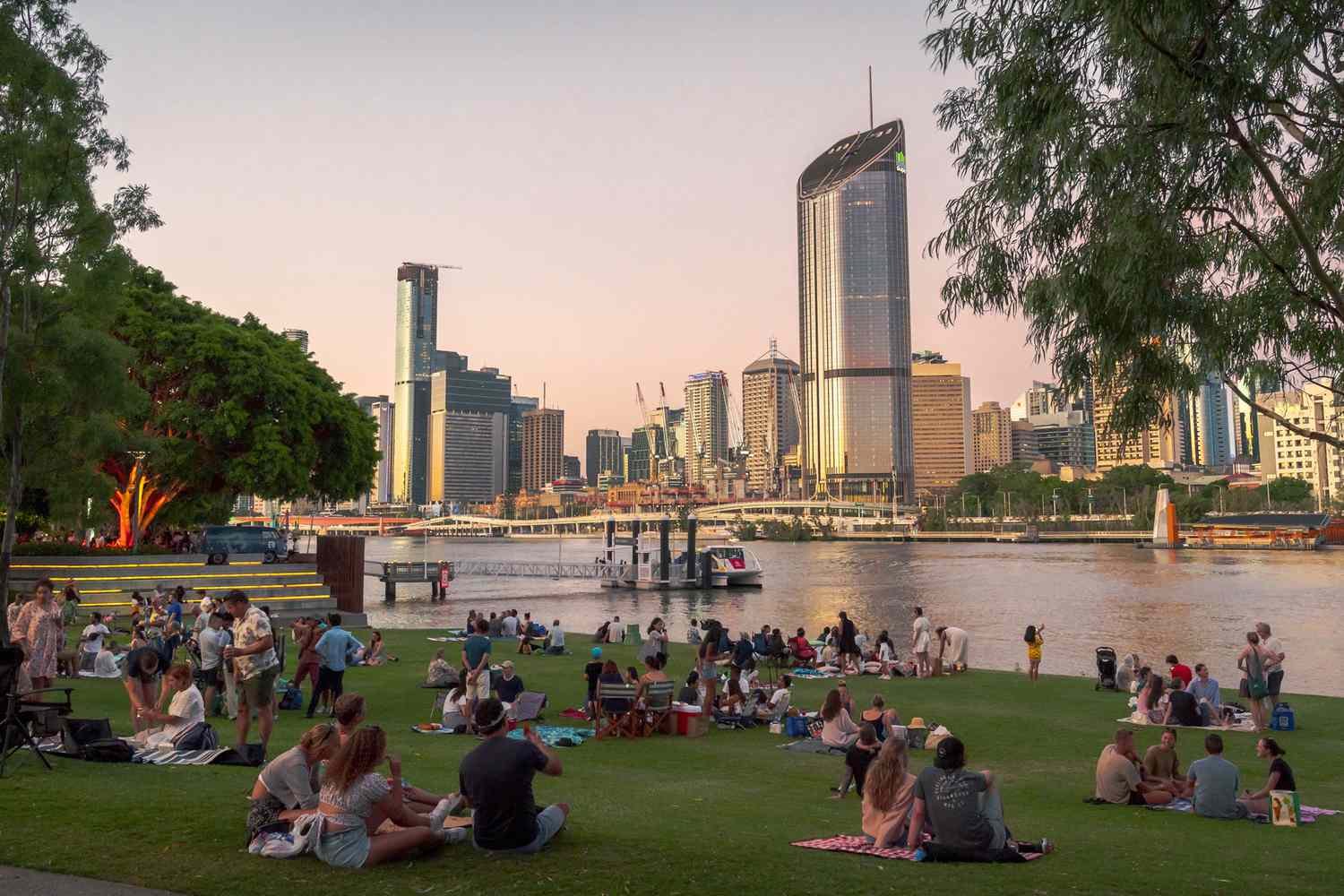
A trip to Brisbane is easiest to plan around three decisions: which month, which neighborhood, and how many days. Brisbane, known by the Traditional Owners as Meanjin, is a river city rather than a beach city, so it rewards a compact central base, a few well-chosen bookings, and realistic expectations about summer heat.
This guide is for first-time visitors from the United States and the United Kingdom who want to see the main sights without hiring a car. It is less useful if your priority is surfing or a resort holiday, because the Gold Coast and Sunshine Coast are better fits for that kind of trip.
What makes this guide different is the focus on decisions. It compares Brisbane neighborhoods, explains when a rental car is worth it, gives a three-day framework with rainy-day swaps, and separates the costs you can control from the ones you cannot.
Jump to: Best time | Airport to city | Where to stay | How many days | Costs | Without a car | Day trips | Mistakes | Who it is not for | Accessibility | FAQ
Key takeaways
- Plan three full days for central Brisbane, plus an extra day if you want Lone Pine Koala Sanctuary, North Stradbroke Island, or a Gold Coast trip.
- Stay in South Bank for riverside access and walkability, Fortitude Valley for nightlife, or the CBD for the simplest short-stay logistics.
- Translink public transport fares are a flat 50 cents per journey across its Queensland network, including buses, CityTrain services, ferries, and trams (check current fares on the official site).
- Airtrain is separate from the Translink 50-cent fare and links Brisbane Airport (BNE) with Brisbane City and the Gold Coast; Translink lists fares from 23.30 AUD to Brisbane City stations (confirm the latest fare with Airtrain).
- Brisbane Airport (BNE) is about 17 kilometers from the city, according to Tourism Australia, so airport transfer time and luggage matter when choosing accommodation.
- Choose autumn or spring for the most comfortable walking weather; summer is hot and humid, while winter is milder but can be cooler after dark.
- Book accommodation early around Australian school holidays and major events, especially if you want a South Bank or CBD hotel.
When is the best time for a trip to Brisbane?
The best time for a trip to Brisbane is usually autumn, from March to May, or spring, from September to November, when temperatures are more comfortable for walking and outdoor sightseeing. Summer, from December to February, is hot and humid, while winter, from June to August, is generally dry and mild by day.
Tourism Australia identifies November to February as Brisbane’s high season and June to August as its low season. That does not mean winter is a bad time to visit; it can suit travellers who prefer fewer crowds and lower hotel demand, though evenings can feel cool.
Best for
- March to May: comfortable temperatures for river walks, South Bank, and Mt. Coot-tha.
- September to November: spring events, outdoor dining, and pleasant sightseeing weather.
- June to August: lower-season demand, though pack a light layer for evenings.
Worth considering
- December to February: long daylight hours and summer events, but heat and humidity.
- Australian school holidays: family demand can raise hotel prices and crowd attractions.
- Rainy spells: keep museums, galleries, and indoor markets as backup plans.
For current seasonal guidance, events, and neighborhood information, use Tourism Australia’s Brisbane guide. For weather planning, check the Bureau of Meteorology closer to departure rather than relying on a single long-range forecast.
Maya’s honest take: Brisbane is not a beach city. If your main goal is surfing, resort pools, and coastal walks, compare it with the Gold Coast or Sunshine Coast before committing. Brisbane is better for a river, food, museums, and a relaxed city base.
How do you get from Brisbane Airport (BNE) to the city?
From Brisbane Airport (BNE), the simplest car-free transfer to central Brisbane is usually Airtrain, which links the International and Domestic terminals with Brisbane City and the Gold Coast. Translink says Airtrain is a separate operator and that fares to Brisbane City stations start from 23.30 AUD (check the current fare on the official Airtrain site).
Brisbane City stations include Central, Roma Street, Fortitude Valley, South Brisbane, Bowen Hills, Albion, Wooloowin, and Eagle Junction. Choose the station closest to your hotel, then walk or take a short Translink bus, train, or ferry connection if needed.
Choose Airtrain if
- Your hotel is near Central, Roma Street, Fortitude Valley, or South Brisbane.
- You are travelling with one or two manageable bags.
- You want a predictable rail transfer without negotiating city traffic.
Choose a taxi or rideshare if
- You have several large suitcases or are travelling with young children.
- Your accommodation is not close to a rail station.
- You arrive late and want a door-to-door transfer.
Translink’s 50-cent flat fare does not apply to Airtrain services, so do not assume the airport train costs the same as a city bus or ferry. Translink also notes that children aged 14 and under travel free with an accompanying adult holding an Airtrain ticket between Brisbane Airport and a Brisbane City station (confirm eligibility and current rules with Airtrain).
Check Translink’s Brisbane Airport transport information.
Maya’s honest take: The airport transfer is where first-time visitors often overspend. If your hotel is near a city station, Airtrain is usually the cleanest choice; if it is not, price the full journey before booking the room.
Where should you stay on a trip to Brisbane?
For a first trip to Brisbane, stay in South Bank, the CBD, Fortitude Valley, West End, or Kangaroo Point. The right area depends on whether you value walkability, nightlife, food, lower costs, or apartment space.
South Bank
- Choose South Bank if this is your first visit and you want riverside walks, South Bank Parklands, Streets Beach, and easy access to cultural venues.
- It is close to the Queensland Art Gallery and Gallery of Modern Art, known together as QAGOMA.
- Downside: hotels can be in demand, especially around events and school holidays.
CBD
- Choose the CBD if you have a short stay, want simple transport connections, or plan to use Central or Roma Street stations.
- Queen Street Mall puts shopping, dining, and many bus connections within walking distance.
- Downside: it can feel businesslike at weekends, and hotel rates can be high.
Fortitude Valley
- Choose Fortitude Valley if nightlife, live music, late dinners, and a younger atmosphere matter most.
- It has its own train station and is convenient for Chinatown and Brunswick Street.
- Downside: it can be noisy at night, so check room location and reviews before booking.
West End
- Choose West End if you prefer independent cafés, markets, casual dining, and a more local feel.
- It is across the river from the CBD and works well for travelers who do not mind a short ferry, bus, or train ride.
- Downside: it is less central than South Bank or the CBD for some sightseeing plans.
Kangaroo Point
- Choose Kangaroo Point if you want river views, apartment-style space, or a quieter base near the Story Bridge.
- It is well placed for walks along the Brisbane River and views toward the city skyline.
- Downside: apartment availability and building rules vary, so confirm check-in details and parking before booking.
For a first visit, I would start with South Bank if the price is reasonable, then compare the CBD if you want the simplest airport and train connections. Compare hotels and reviews on Booking.com, Agoda, or Hotels.com, and check apartment-style options on Vrbo for families or groups.
For more accommodation ideas, see our guide to hotels in Brisbane.
How many days do you need in Brisbane?
Three full days is enough for a first trip to Brisbane if you focus on the city center, South Bank, the river, and one nearby attraction. Add a fourth or fifth day if you want a day trip, a koala sanctuary visit, or time to explore at a slower pace.
Day 1: River, South Bank, and the CBD
Start at South Bank Parklands, walk or take a CityCat ferry along the Brisbane River, then visit QAGOMA if exhibitions interest you. Finish with the CBD, Queen Street Mall, and a meal at Howard Smith Wharves if you want a riverside setting.
Day 2: Views, wildlife, and the Story Bridge
Use the morning for Mt Coot-tha, where you can see the city from above, then visit Lone Pine Koala Sanctuary if wildlife is a priority. In the evening, consider the Story Bridge Adventure Climb or simply walk the bridge area if you prefer a lower-cost option.
Day 3: Choose a day trip or a slower city day.
Choose North Stradbroke Island or Moreton Island if you want beaches and marine scenery. Choose the Gold Coast or Sunshine Coast if you want a coastal contrast. If you would rather stay in Brisbane, use the day for neighborhoods you missed, markets, river ferries, and a relaxed dinner.
Maya’s honest take: Do not try to fit a day trip and a full day of city sightseeing into the same day. Brisbane works better when you keep one day flexible for weather, fatigue, or a place you want to revisit.
For attraction ideas, browse our guide to things to do in Brisbane. For a broader planning framework, see our travel itinerary planning guide.
How much does a trip to Brisbane cost?
A trip to Brisbane can be affordable once you separate flights and accommodation from daily spending. Build the budget from four parts: flights, accommodation, local transport and food, then add attraction tickets and a buffer for taxis, shopping or a day trip.
Use Australian dollars (AUD) throughout. The biggest variable is usually accommodation, followed by flights; local transport is unusually inexpensive because Translink charges a flat 50 cents per journey on its network (check current fares on the official site).
Value traveller
- Stay in a hostel, budget hotel or simple guesthouse.
- Use supermarkets, bakeries and casual eateries for some meals.
- Use Translink buses, trains and ferries rather than taxis.
- Prioritise free river walks, parks, markets and public galleries.
Mid-range traveller
- Stay in a well-located hotel or serviced apartment.
- Mix casual lunches with a few restaurant dinners.
- Include one or two paid experiences, such as Lone Pine Koala Sanctuary or a Story Bridge climb.
- Allow a buffer for an airport transfer and a day trip.
Comfort traveller
- Stay in a higher-end hotel in South Bank, the CBD or Kangaroo Point.
- Book restaurant reservations and guided experiences.
- Use taxis or rideshares when convenient, especially with luggage.
- Include premium tours, river cruises and day trips.
For flights, compare dates before booking. Use our guide to cheap flights to Brisbane to plan the booking step, then compare package options through Expedia if you want flights and accommodation together.
Maya’s honest take: The cost trap is assuming Brisbane is expensive because it is in Australia. Accommodation can be costly, but the 50-cent public transport fare makes a car-free city itinerary unusually budget-friendly (confirm the current policy with Translink).
Can you do Brisbane without a car?
Yes, you can do a central Brisbane trip without a car. Translink buses, CityTrain services, CityCat ferries and the CityHopper service cover much of the central city, while Airtrain connects Brisbane Airport with the city and the Gold Coast.
Choose a car-free plan if you are staying in South Bank, the CBD, Fortitude Valley or West End and mainly want city sights, food and river activities. Choose a rental car only if your itinerary includes several regional stops, remote beaches or a multi-day Queensland road trip.
Translink explains that its 50-cent flat fare applies across Queensland’s Translink network, including buses, CityTrain services, ferries, trams and on-demand services, but excludes Airtrain (check current rules on the official site). Contactless Visa, Mastercard and American Express cards can also be used for travel on South East Queensland public transport.
Check Translink’s 50-cent fares page
Maya’s honest take: A car is useful for Queensland road trips, not for parking in central Brisbane. If you are only visiting the city and taking one organised day trip, skip the rental car and use the money for a better-located hotel.
What are the best day trips from Brisbane?
The best day trips from Brisbane are Lone Pine Koala Sanctuary for wildlife, North Stradbroke Island or Moreton Island for coastal scenery, and the Gold Coast or Sunshine Coast for beaches. Pick one day trip per day rather than trying to combine several.
Best for wildlife
- Lone Pine Koala Sanctuary is a practical choice for koalas, kangaroos and other Australian wildlife.
- Check opening hours, ticket prices and animal encounter rules directly with the sanctuary before booking.
- Use GetYourGuide to compare tours and transfers if you prefer an organised option.
Best for islands
- North Stradbroke Island suits a relaxed coastal day with beaches and walking tracks.
- Moreton Island suits travellers who want sand, water activities or a guided excursion.
- Check ferry schedules, vehicle rules and weather conditions before committing.
Best for beaches
- The Gold Coast is the easier coastal contrast from Brisbane and is served by Airtrain.
- The Sunshine Coast suits a slower beach-and-nature day, but usually needs more transport planning.
- K’gari is better treated as an overnight or multi-day trip rather than a rushed day trip.
Tourism Australia’s Brisbane guide includes Moreton Island, North Stradbroke Island, the Gold Coast, the Sunshine Coast and K’gari among nearby destinations. Treat those as separate trip decisions, not automatic additions to a three-day city itinerary.
What mistakes do first-time visitors make in Brisbane?
The most common mistakes on a trip to Brisbane are treating it as a beach destination, overpacking the itinerary, assuming all airport transport uses the same fare system, and visiting in summer without planning for heat. Each has a straightforward fix.
- Expecting surf at your hotel door. Fix it by choosing Brisbane for a river-and-city break, or choosing the Gold Coast or Sunshine Coast for a beach-first trip.
- Trying to see the whole city in one day. Fix it by grouping South Bank, the CBD and the river on one day, then saving Mt Coot-tha and wildlife for another.
- Assuming the 50-cent fare covers Airtrain. Fix it by checking Airtrain separately, because Translink says its flat fare excludes Airtrain services.
- Booking a hotel far from a station. Fix it by checking walking distance to Central, Roma Street, Fortitude Valley or South Brisbane before paying.
- Underestimating summer humidity. Fix it by planning indoor stops, starting early and carrying water.
- Adding too many day trips. Fix it by choosing one island or coastal trip, then leaving the rest for another visit.
- Ignoring entry requirements. Fix it by checking the Australian Department of Home Affairs rules for your passport before booking non-refundable travel.
For a broader pre-departure checklist, see our trip planning guides.
Who is a trip to Brisbane not for?
A trip to Brisbane is not the right choice if your priority is a beach resort, surfing or a long coastal holiday. Brisbane is a river city with excellent food, culture and access to nature, but its central area is not a surf beach.
It is also not ideal if you want to see several distant Queensland destinations in a short time without a car. In that case, base yourself in Brisbane for the city, then add a separate coastal or island stay rather than trying to commute back and forth every day.
For a comparison of the two options, read our guide to things to do in Brisbane and use it alongside a Gold Coast or Sunshine Coast plan.
How can you travel respectfully and accessibly in Brisbane?
Brisbane sits on the lands of the Turrbal and Yuggera peoples, and the area is known by the Traditional Owners as Meanjin. Use respectful language, follow signage and guidance at cultural sites, and treat First Nations cultures as living cultures rather than tourist decorations.
For accessibility, Tourism Australia notes that CityCat ferries are accessible and that Brisbane has Changing Places facilities. Before travelling, check the accessibility details for your hotel, attractions and transport route directly with each operator.
Check Tourism Australia’s Brisbane accessibility information
If you use a wheelchair, travel with a assistance dog or need step-free routes, plan each journey individually. Accessibility can vary by station, ferry stop, venue and event, so official operator pages are more reliable than general travel advice.
Frequently asked questions
How many days do you need in Brisbane?
Three full days is enough for Brisbane’s central sights, South Bank, the river and one major nearby attraction. Plan four or five days if you want a day trip to an island, the Gold Coast or the Sunshine Coast.
What is the best time to visit Brisbane?
Autumn from March to May and spring from September to November are usually the most comfortable periods. Tourism Australia lists November to February as high season and June to August as low season.
Where is the best area to stay in Brisbane?
South Bank is the easiest first-time base for riverside access and cultural attractions. Choose the CBD for transport and short stays, Fortitude Valley for nightlife, West End for a local feel, or Kangaroo Point for apartment-style space.
Do I need a visa for Brisbane?
It depends on your passport and travel purpose. Many short-term visitors need an Electronic Travel Authority, known as the ETA subclass 601, but eligibility and application rules vary by nationality. Check the Australian Department of Home Affairs before booking.
How much does a trip to Brisbane cost?
The total depends on flights, accommodation, meals and activities. Build a budget from those categories, then add airport transfers, attraction tickets and a buffer for taxis or day trips. Local Translink travel is a flat 50 cents per journey (check current fares on the official site).
How do I get from Brisbane Airport to the city?
Use Airtrain for a rail transfer to Brisbane City stations, or take a taxi or rideshare for a door-to-door journey. Translink lists Airtrain fares from 23.30 AUD to Brisbane City stations (confirm the latest fare with Airtrain).
Can you do Brisbane without a car?
Yes. A central Brisbane itinerary works well without a car because Translink buses, trains, ferries and trams cover much of the city. Hire a car only for regional road trips or multiple destinations outside the city.
Is Brisbane worth visiting?
Brisbane is worth visiting for a relaxed city break with river views, food, museums, wildlife and easy access to Queensland’s coast. It is less suitable if your main priority is a beach resort holiday.
Brisbane or Gold Coast for a first visit?
Choose Brisbane for a city, food, culture and river-based trip. Choose the Gold Coast for beaches, resorts and a more holiday-resort atmosphere. They work well together if you have at least five or six days.
What are the best day trips from Brisbane?
Lone Pine Koala Sanctuary is the easiest wildlife-focused option, while North Stradbroke Island and Moreton Island suit coastal day trips. The Gold Coast and Sunshine Coast are better for beaches, and K’gari is better as a longer trip.
Sources we checked
Maya verifies transport fares, entry rules, airport information and visitor guidance against official Australian government, tourism and transit sources before publishing. Fares and policies can change, so recheck the relevant page before you travel.
Plan your trip: booking platforms we trust
For a trip to Brisbane, I would first compare flight dates, then choose accommodation based on walking distance to a station or ferry stop. Use a hotel platform for cancellation terms, a tours platform for timed experiences, and keep the transport plan simple with Translink.
Useful for comparing Brisbane hotels, apartments and cancellation policies.
Agoda
Useful for comparing accommodation across Australia and the Asia-Pacific region.
Hotels.com
Useful for hotel loyalty bookings and comparing central Brisbane stays.
Vrbo
Useful for families or groups looking for apartment-style space.
GetYourGuide
Useful for tours, wildlife experiences and guided day trips.
Tripadvisor
Useful for reading recent traveller reviews of hotels, restaurants and tours.
For more help choosing dates and accommodation, see our guides to hotels in Brisbane, cheap flights to Brisbane and trip planning guides.
WakaAbuja does its best to keep all information accurate at the time of publishing. Prices, policies, and availability change regularly. Always verify with official sources before you travel. We are not liable for errors caused by outdated information. Travel insurance is strongly recommended.